L’Évolution du Génie Militaire Belge : De la Pierre à l'Atome[accueil]
De 1830 à la fin du XXe siècle, la Belgique a été un laboratoire mondial de l'architecture militaire. Voici les quatre ères qui ont façonné notre territoire.
1. L'Héritage et les Enceintes (1815-1850)
Avant l'ère industrielle, la défense repose sur la maçonnerie et le tracé bastionné.
2. La Révolution Brialmont (1860-1914)
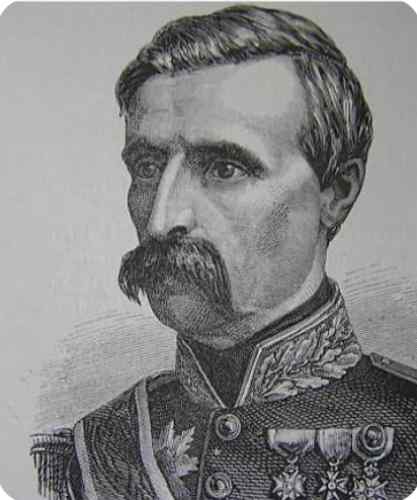
Face à l'obus explosif, Henri-Alexis Brialmont, soutenu par le Général Chazal, impose l'usage du béton et des coupoles cuirassées.
3. Les Géants de Béton Armé (1930-1940)
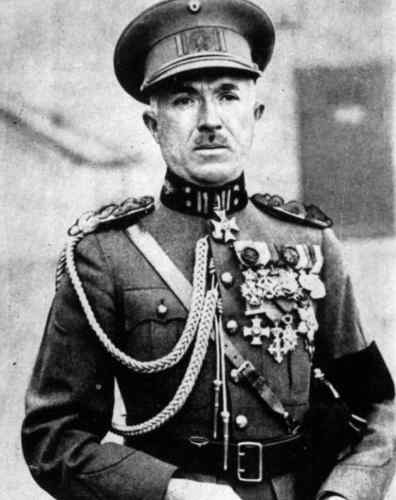
Le Corps du Génie (sous la direction des généraux Van Overstraeten et Neefs) tire les leçons de 1914 pour concevoir des navires souterrains.
4. La Vigilance de l'Ombre et la Guerre Froide (1950-1990)
L'ère nucléaire déplace la fortification sous la terre ferme pour protéger le commandement et les communications (Réseau CDE).
Von 1830 bis zum Ende des 20. Jahrhunderts war Belgien ein weltweites Laboratorium der Militärarchitektur. Hier sind die vier Epochen, die unser Land geprägt haben.
1. Das Erbe und die Umwallungen (1815-1850)
Vor dem Industriezeitalter beruhte die Verteidigung auf Mauerwerk und bastionärer Grundrissgestaltung.
2. Die Brialmont-Revolution (1860-1914)
Angesichts des Sprenggeschosses setzte Henri-Alexis Brialmont, unterstützt von General Chazal, die Verwendung von Beton und Panzerkuppeln durch.
3. Die Giganten aus Stahlbeton (1930-1940)
Das Pionierkorps (unter der Leitung der Generäle Van Overstraeten und Neefs) zog die Lehren aus 1914, um unterirdische Schiffe zu entwerfen.
4. Die Wachsamkeit im Schatten und der Kalte Krieg (1950-1990)
Das Atomzeitalter verlagerte die Befestigung unter die feste Erde, um die Führung und Kommunikation zu schützen (CDE-Netz).
Van 1830 tot het einde van de 20e eeuw was België een wereldwijd laboratorium voor militaire architectuur. Hier zijn de vier tijdperken die ons grondgebied hebben gevormd.
1. De Erfenis en de Omwallingen (1815-1850)
Vóór het industriële tijdperk berustte de verdediging op metselwerk en het bastionair stelsel.
2. De Brialmont-revolutie (1860-1914)
Geconfronteerd met de brisantgranaat, legde Henri-Alexis Brialmont, gesteund door Generaal Chazal, het gebruik van beton en pantserkoepels op.
3. De Reuzen van Gewapend Beton (1930-1940)
Het Korps Genie (onder leiding van de generaals Van Overstraeten en Neefs) trekt lessen uit 1914 om ondergrondse schepen te ontwerpen.
4. De Waakzaamheid in de Schaduw en de Koude Oorlog (1950-1990)
Het nucleaire tijdperk verplaatst de versterking onder de vaste grond om de commandovoering en communicatie te beschermen (CDE-netwerk).
From 1830 to the end of the 20th century, Belgium was a global laboratory of military architecture. Here are the four eras that shaped our territory.
1. The Heritage and the Enclosures (1815-1850)
Before the industrial era, defense relied on masonry and the bastion trace.
2. The Brialmont Revolution (1860-1914)
Faced with the explosive shell, Henri-Alexis Brialmont, supported by General Chazal, imposed the use of concrete and armored cupolas.
3. The Reinforced Concrete Giants (1930-1940)
The Engineer Corps (under the direction of Generals Van Overstraeten and Neefs) learned the lessons of 1914 to design underground ships.
4. The Vigilance of the Shadow and the Cold War (1950-1990)
The nuclear age shifted fortification underground to protect command and communications (CDE Network).
Od roku 1830 do konce 20. století byla Belgie světovou laboratoří vojenské architektury. Zde jsou čtyři éry, které formovaly naše území.
1. Dědictví a hradby (1815-1850)
Před průmyslovou érou se obrana opírala o zdivo a bastionový půdorys.
2. Brialmontova revoluce (1860-1914)
Tváří v tvář tříštivému granátu prosadil Henri-Alexis Brialmont, podporovaný generálem Chazalem, použití betonu a pancéřových kopulí.
3. Obři ze železobetonu (1930-1940)
Ženijní sbor (pod vedením generálů Van Overstraetena a Neefse) se poučil z roku 1914 a navrhl podzemní lodě.
4. Bdělost stínu a studená válka (1950-1990)
Nukleární éra přesunula opevnění pod pevnou zem na ochranu velení a komunikací (síť CDE).