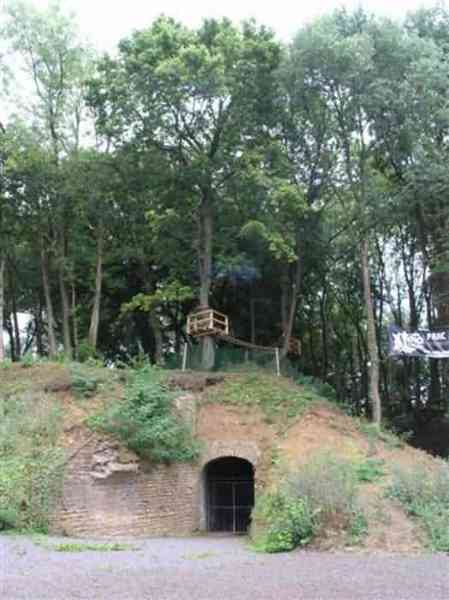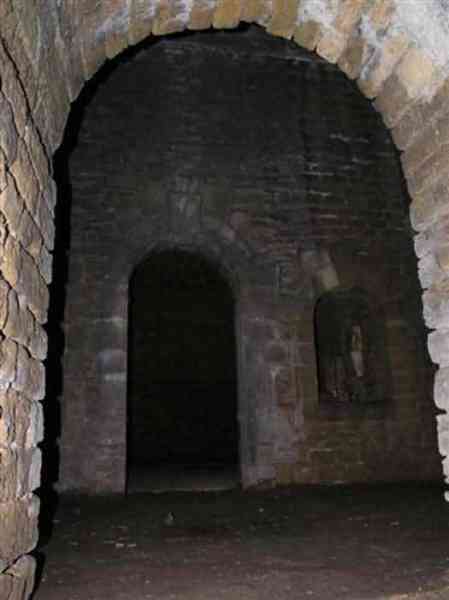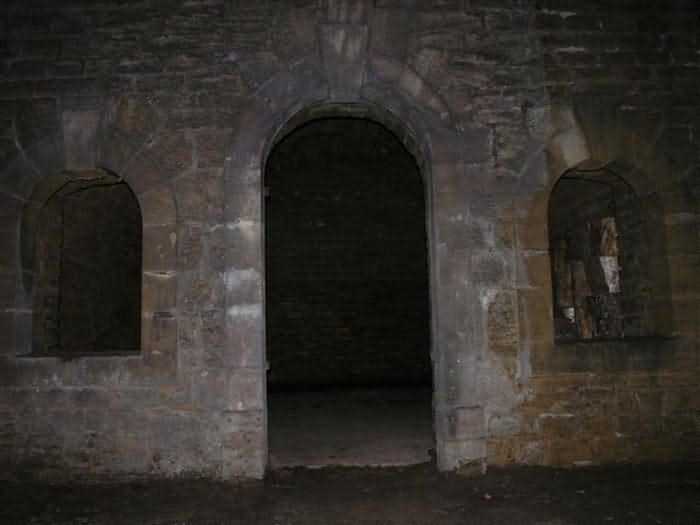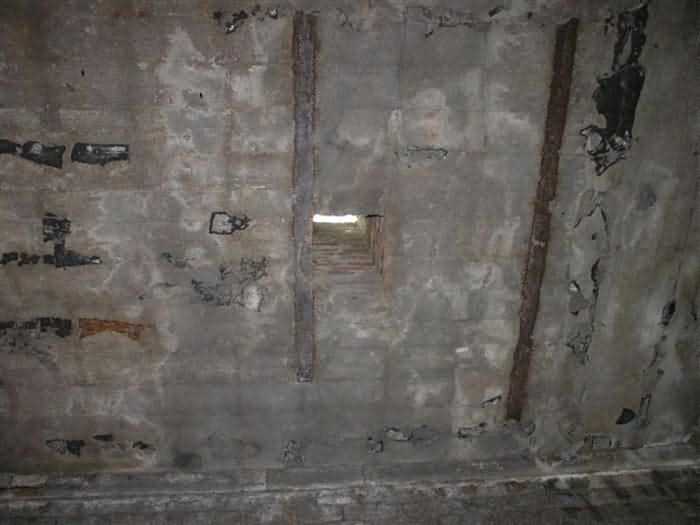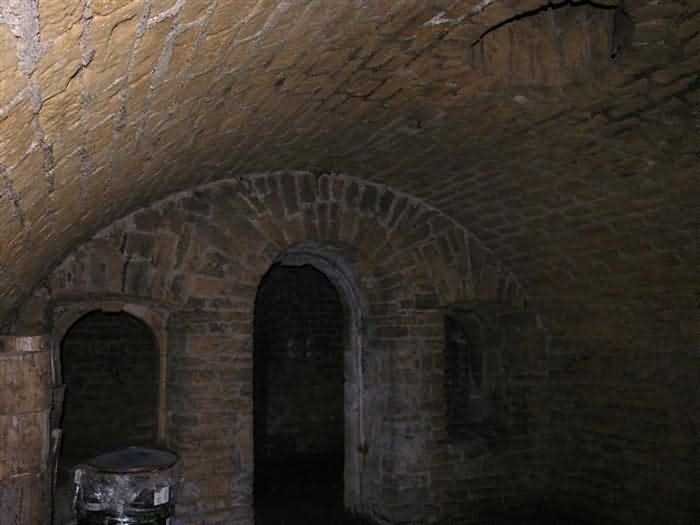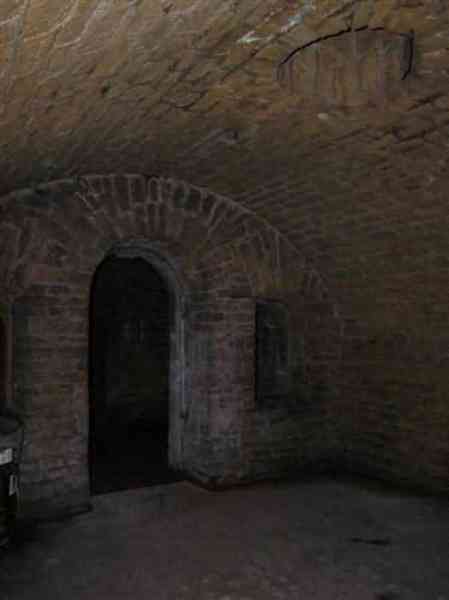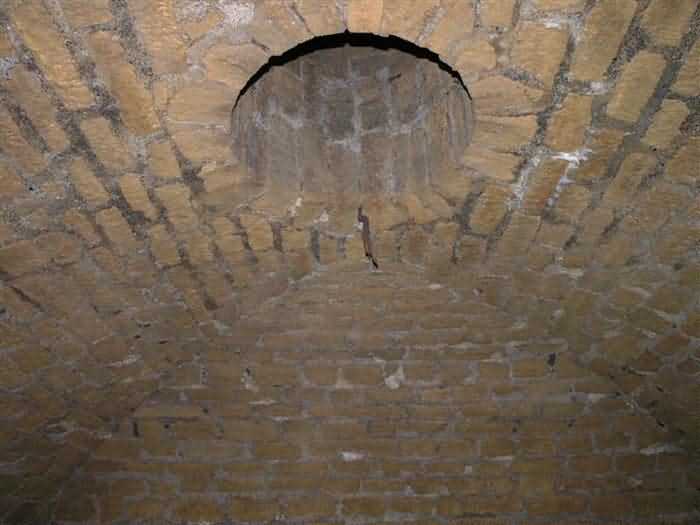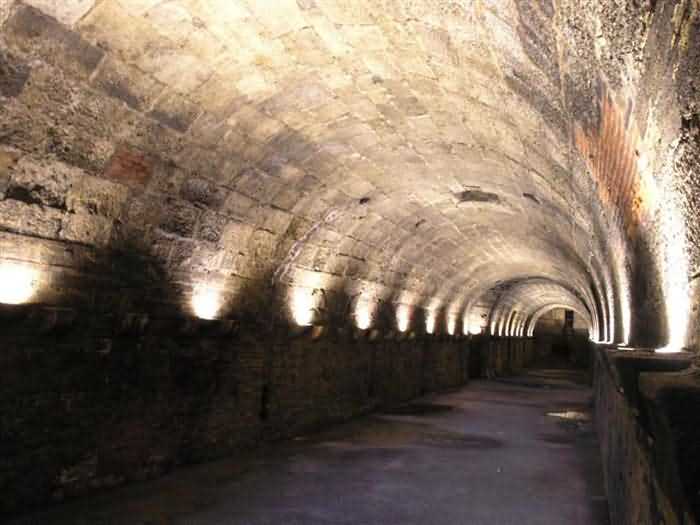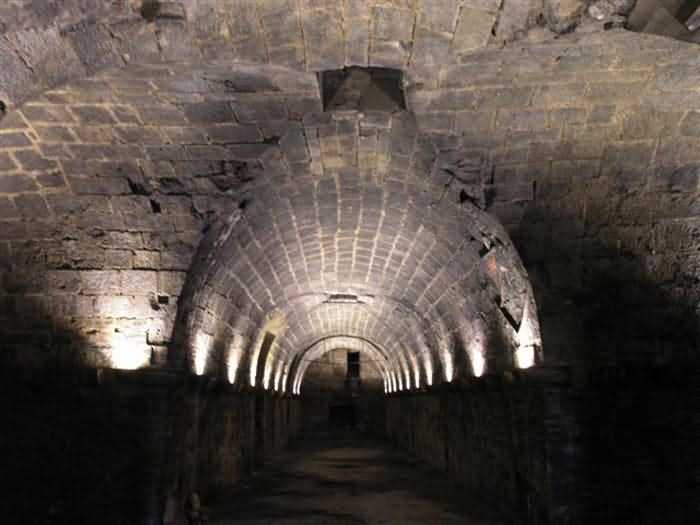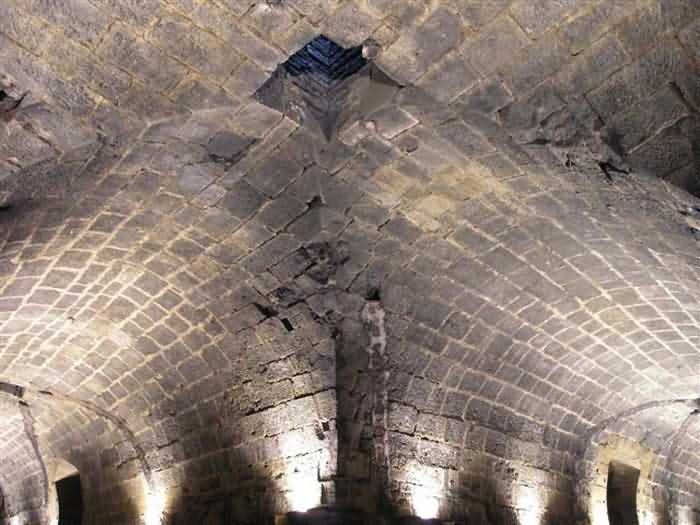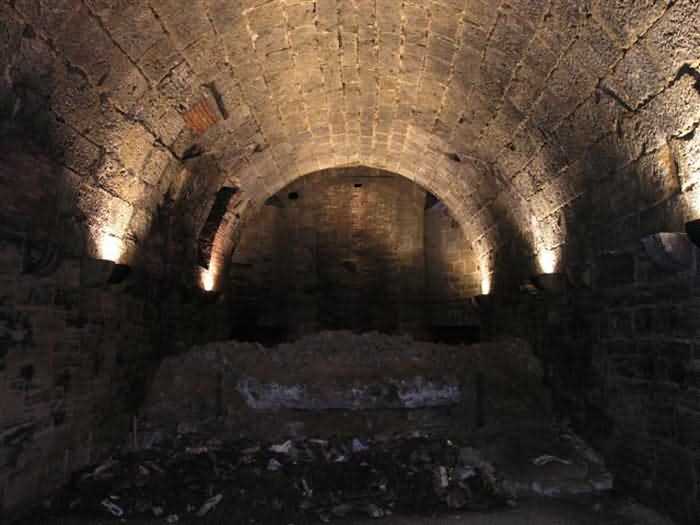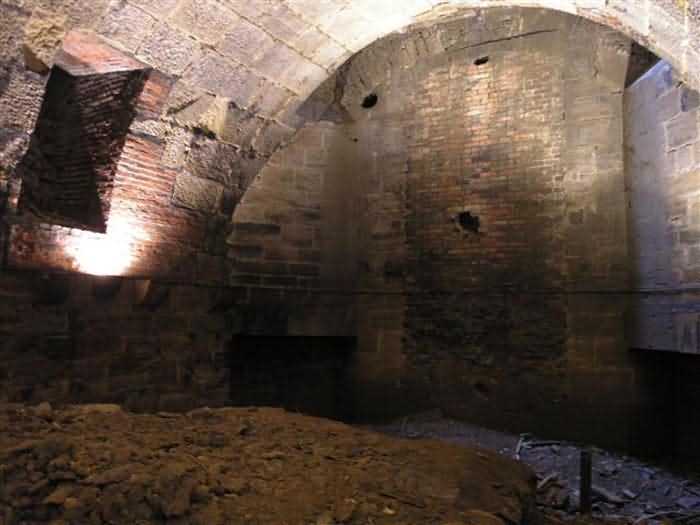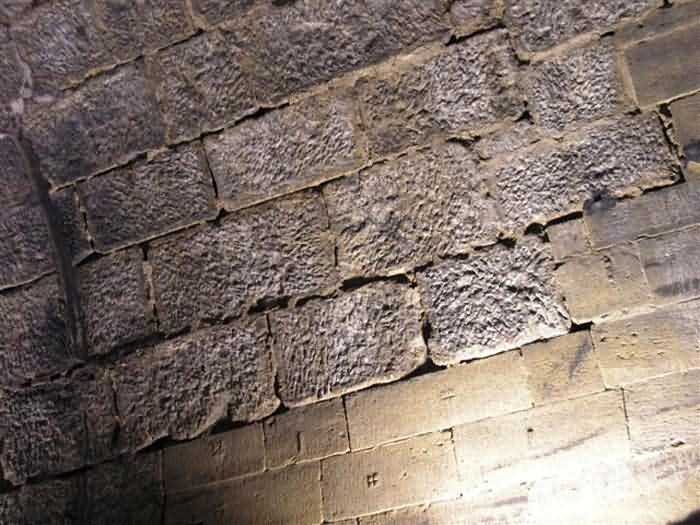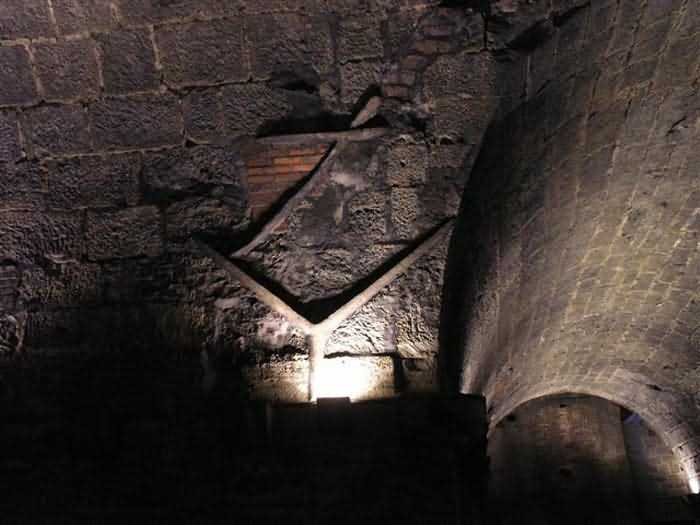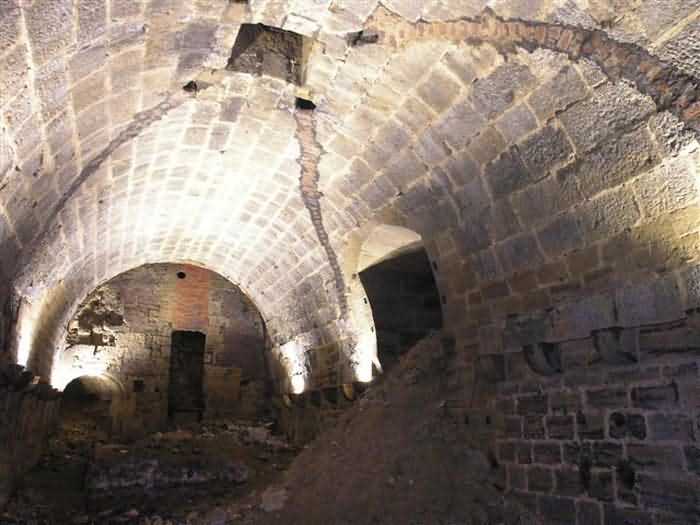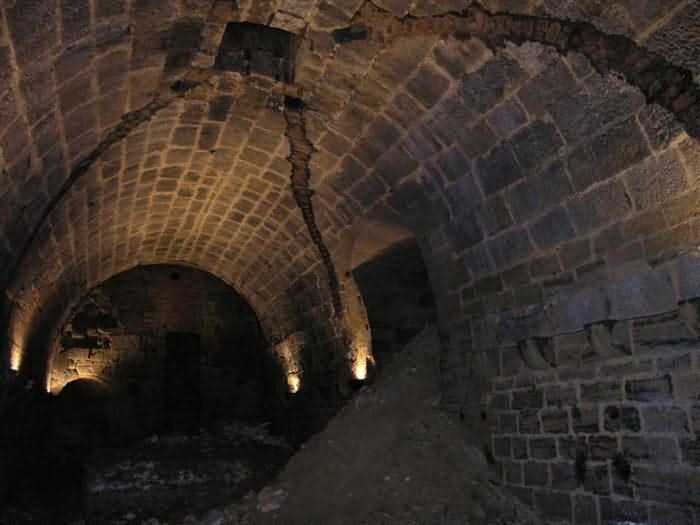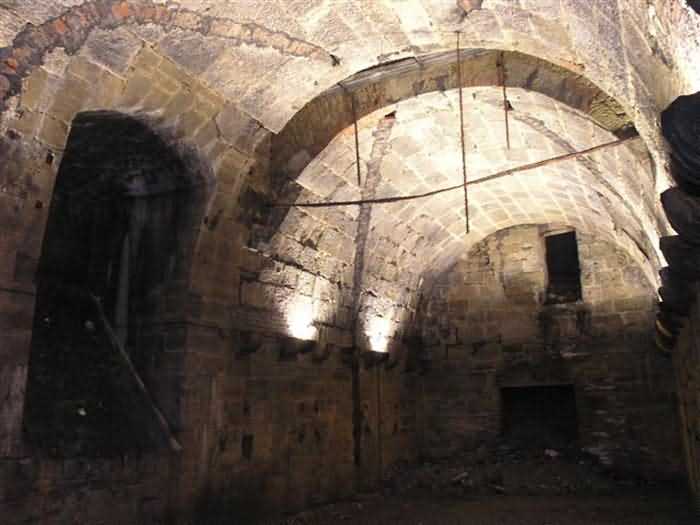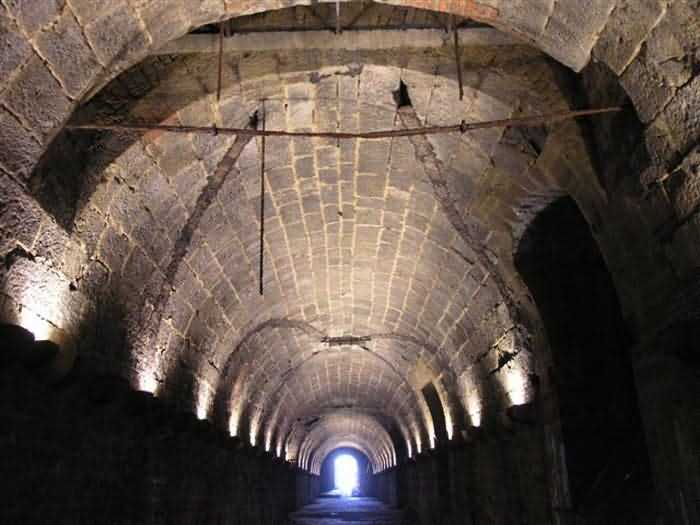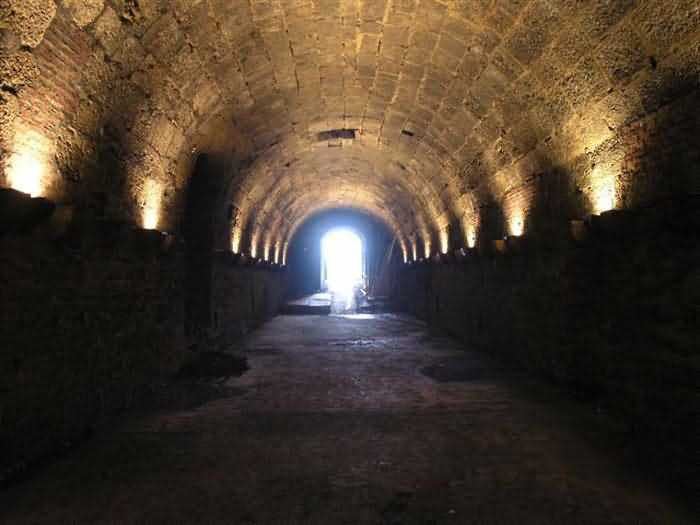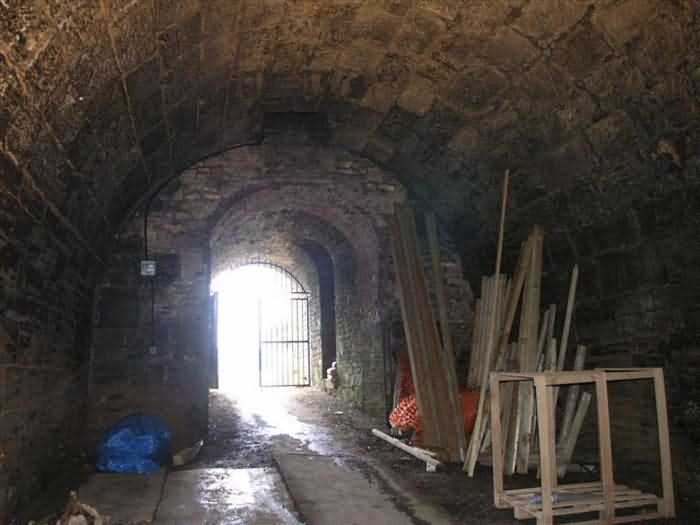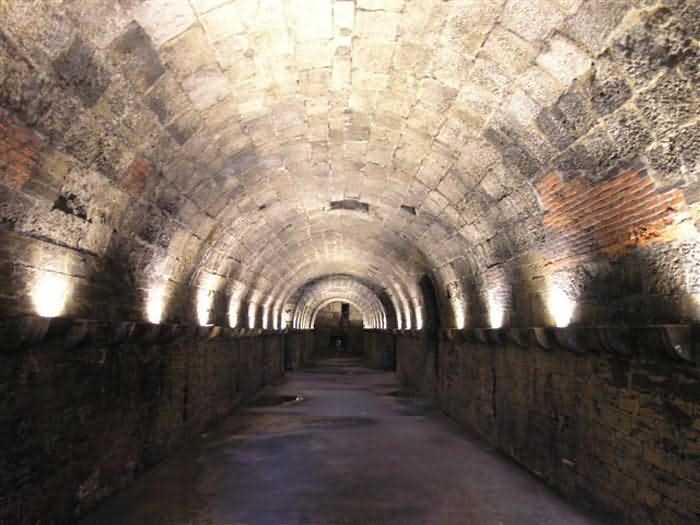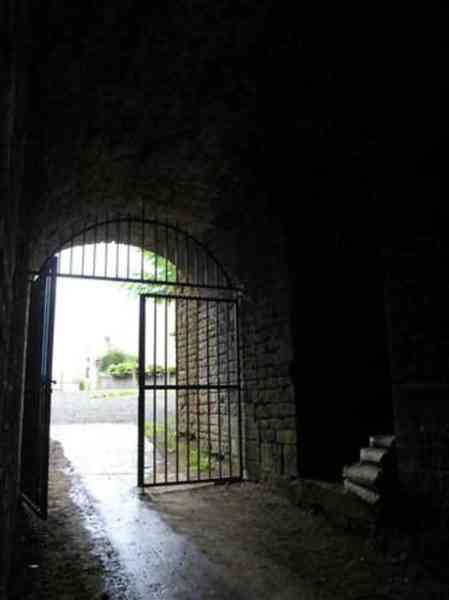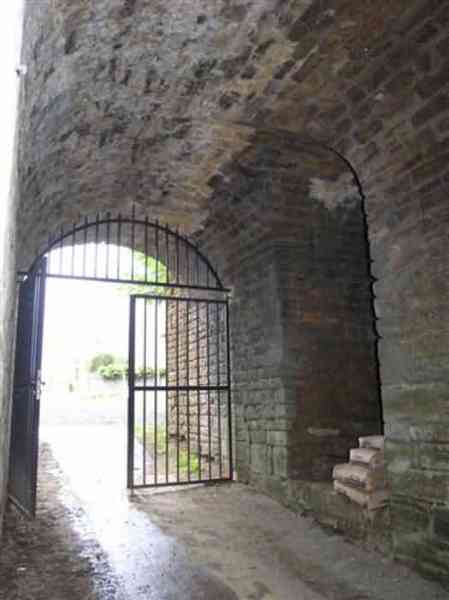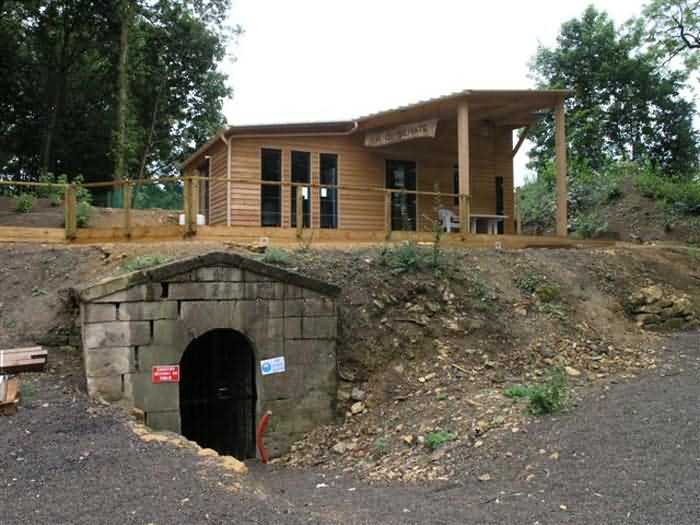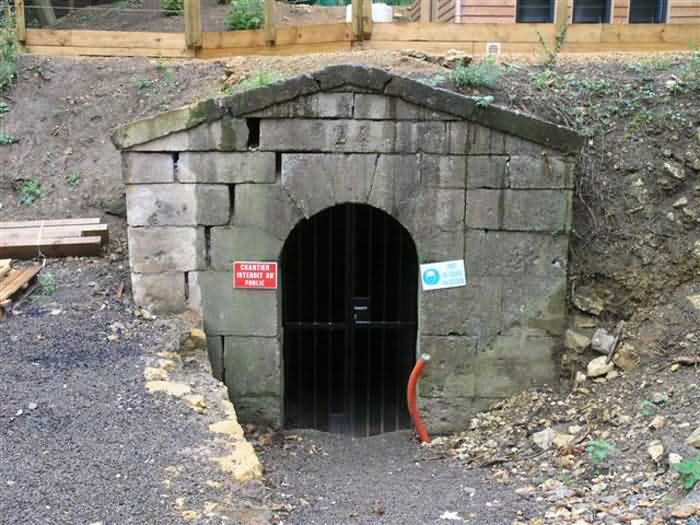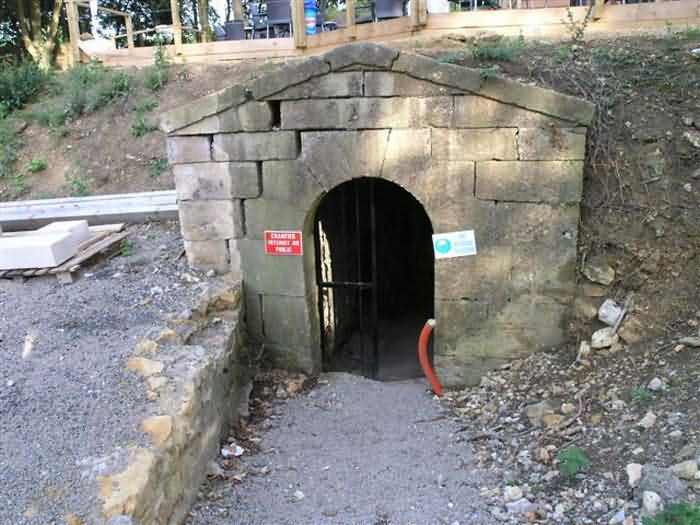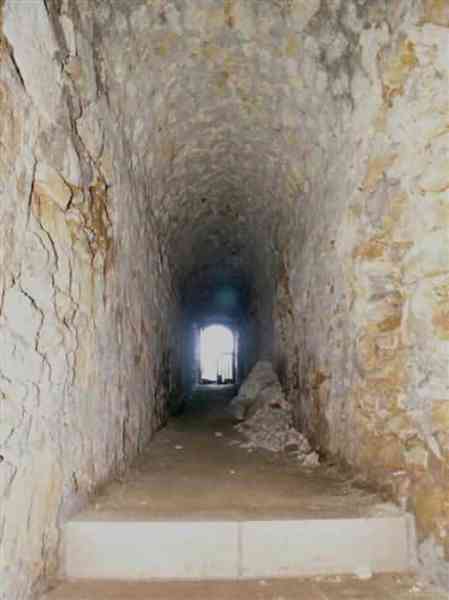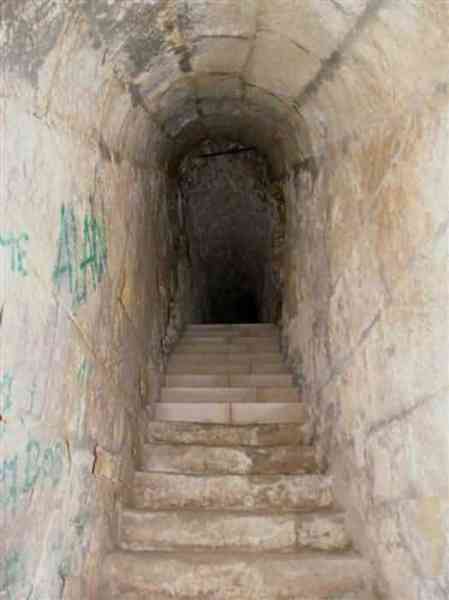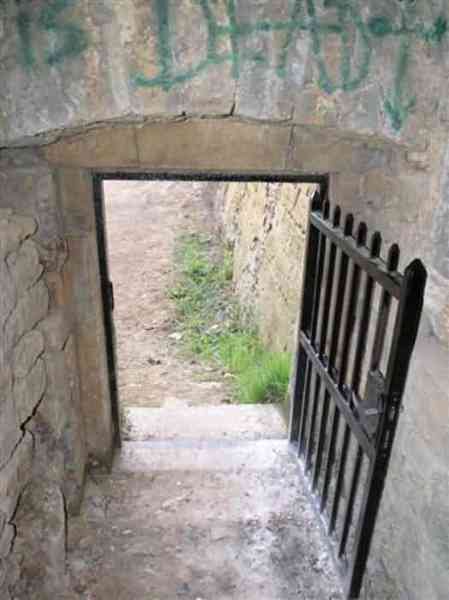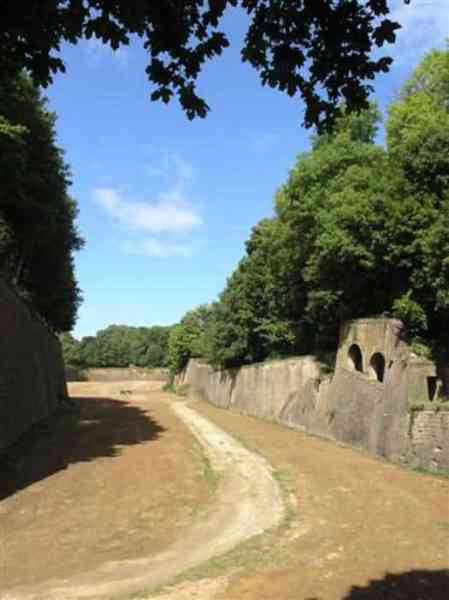
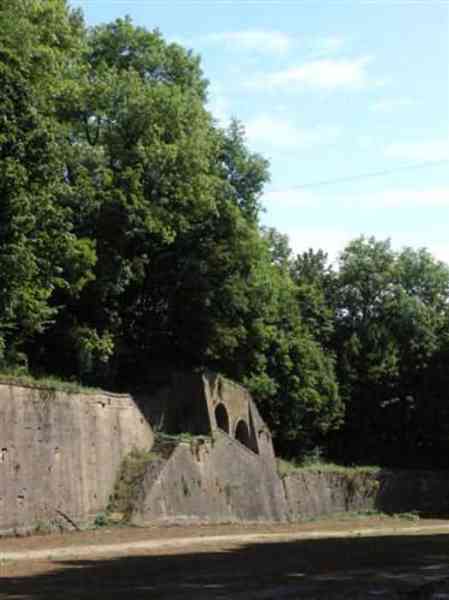
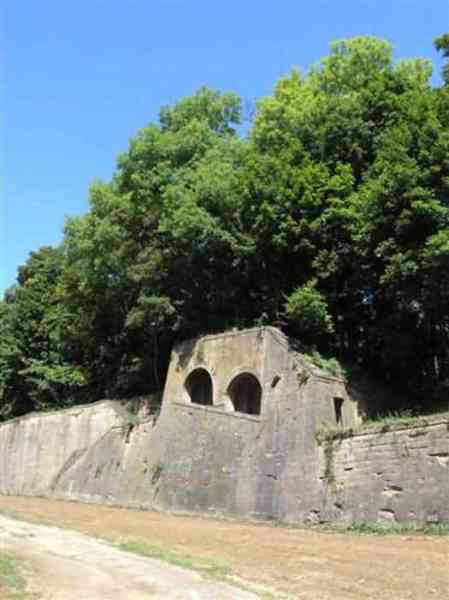
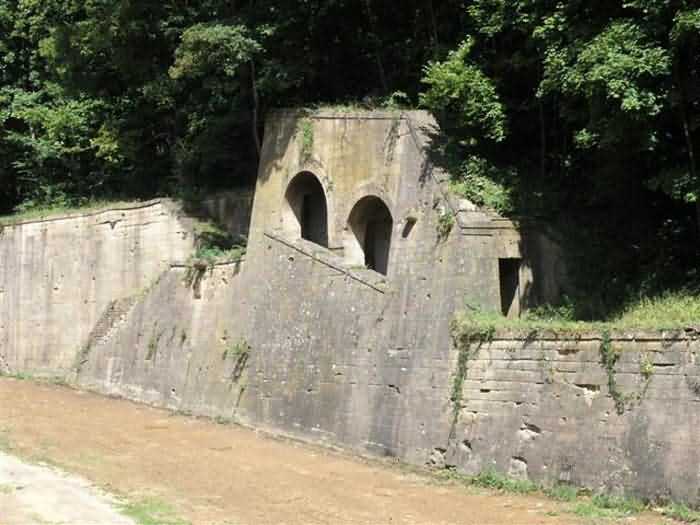
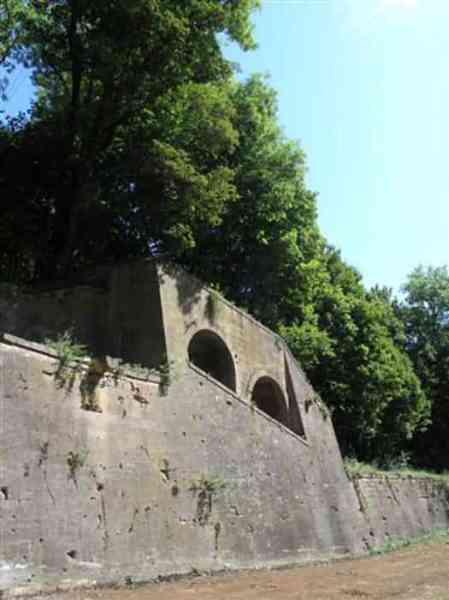
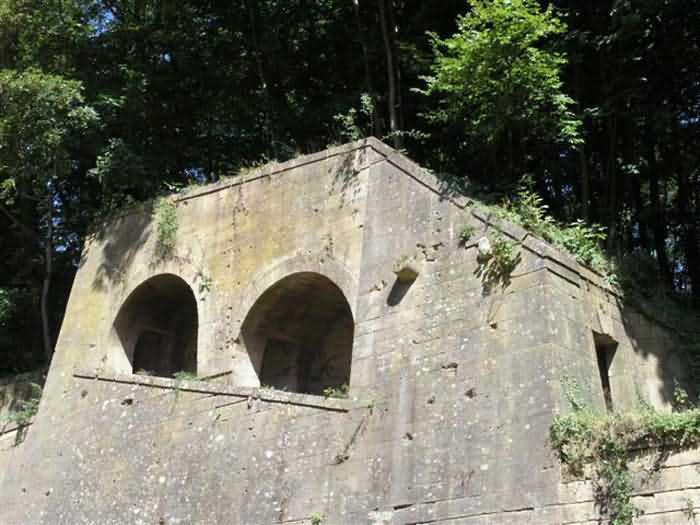
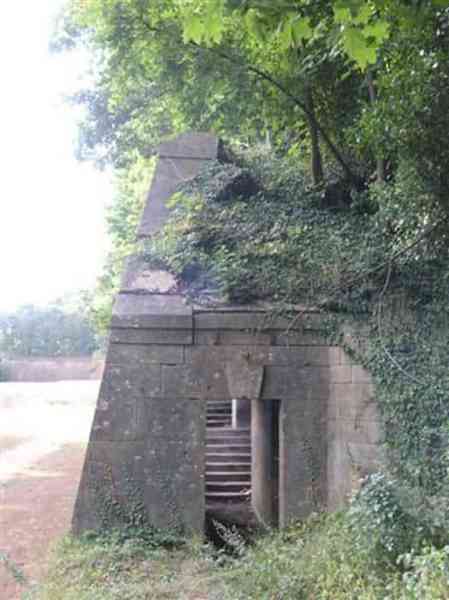
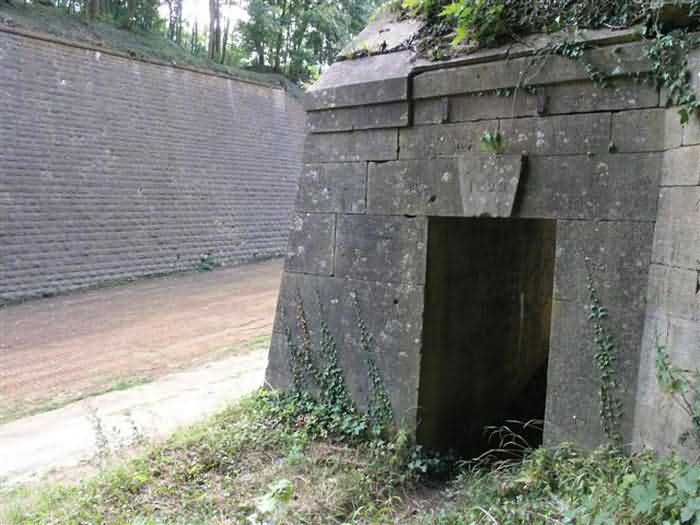
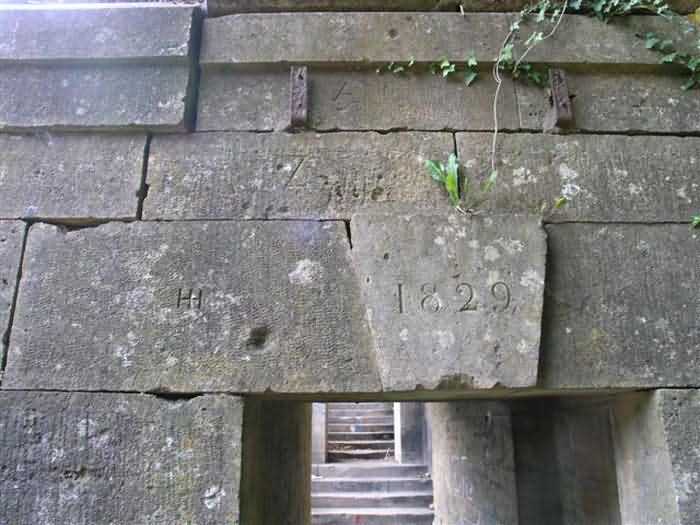
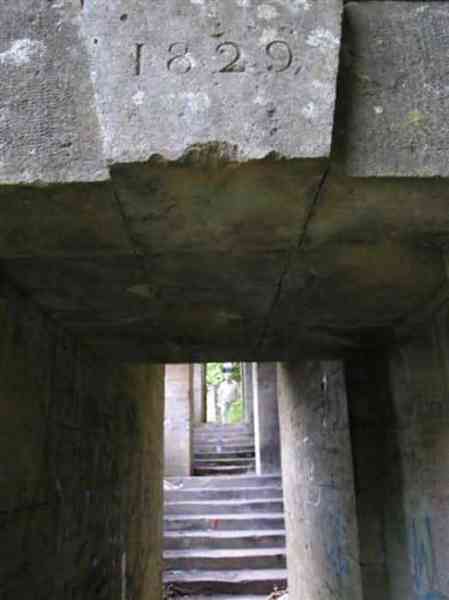
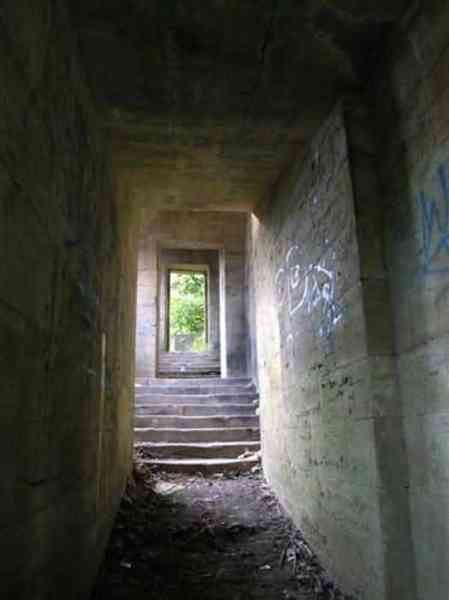
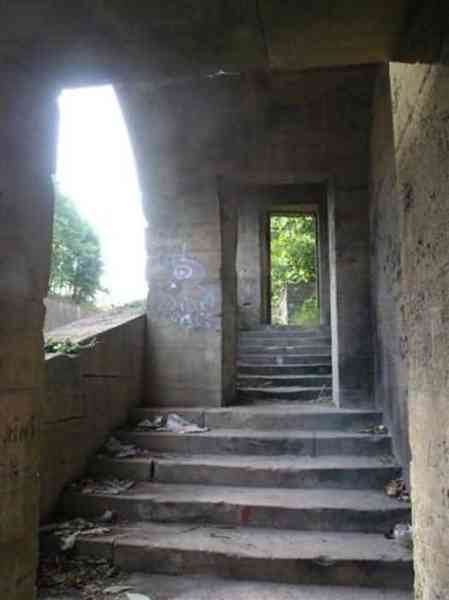
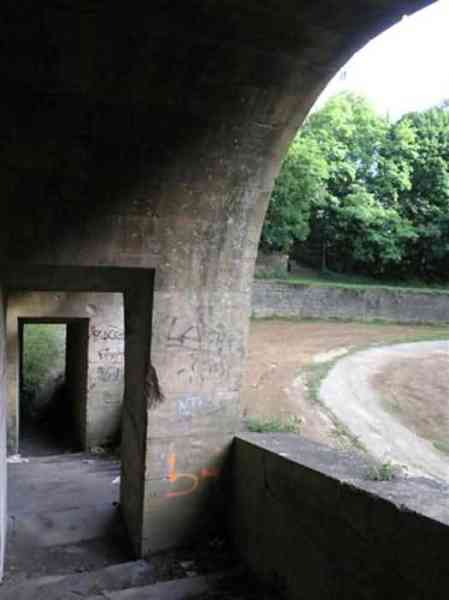
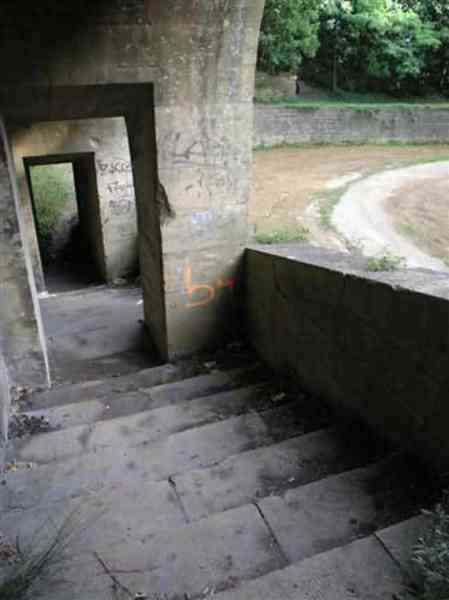
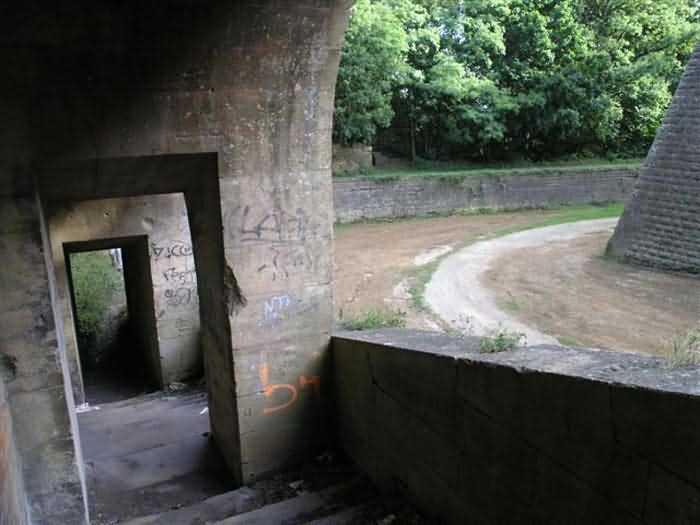
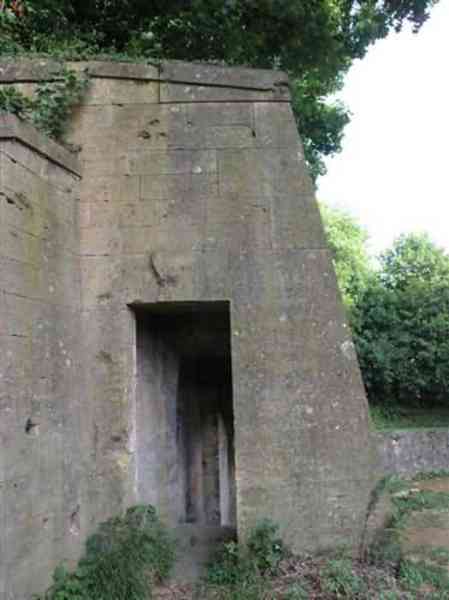
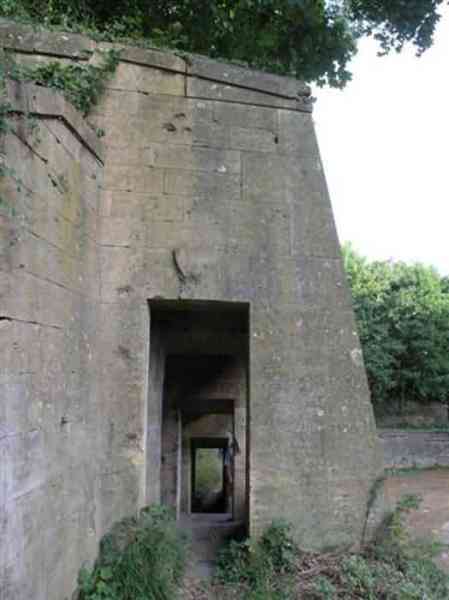
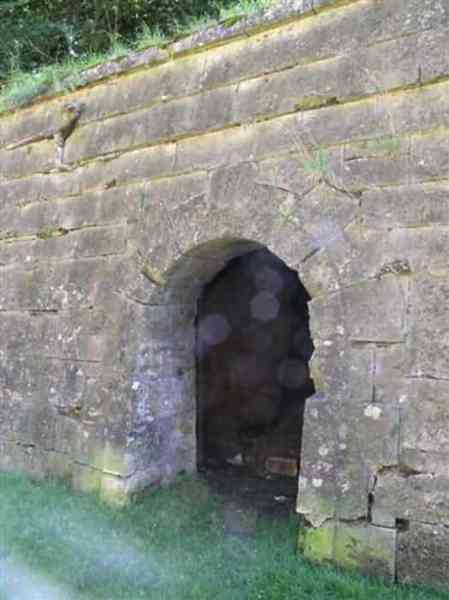
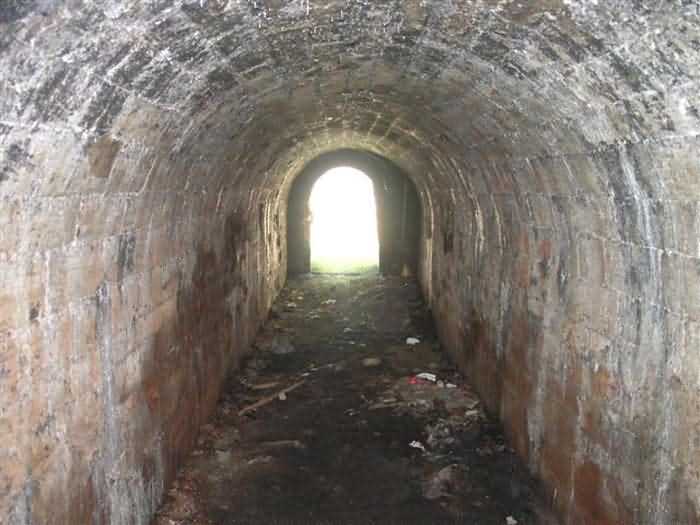
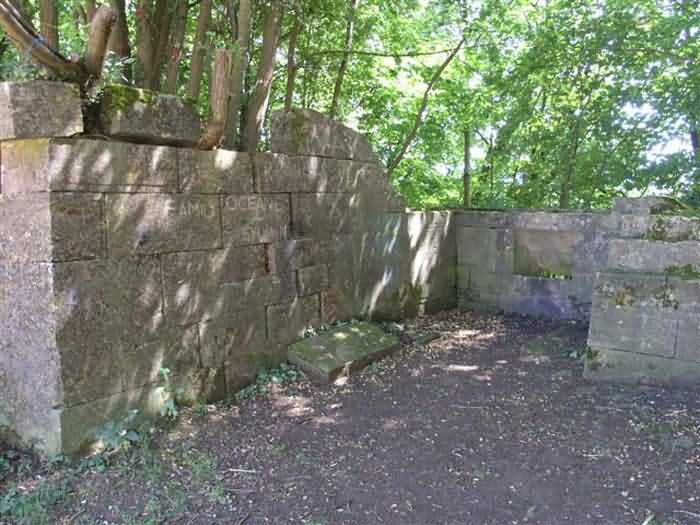
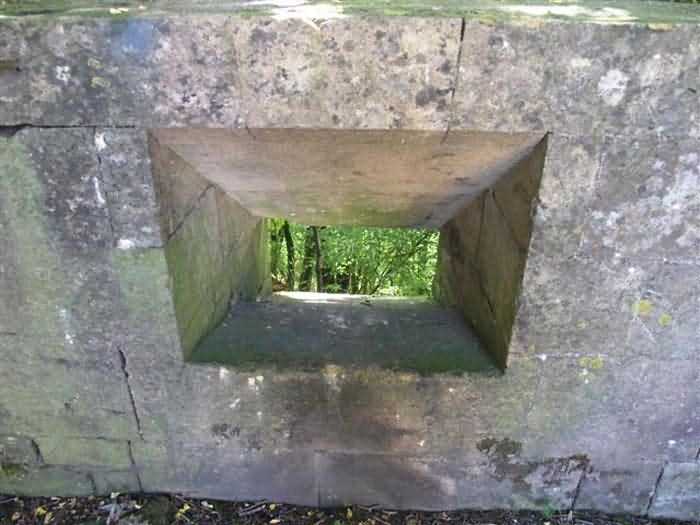
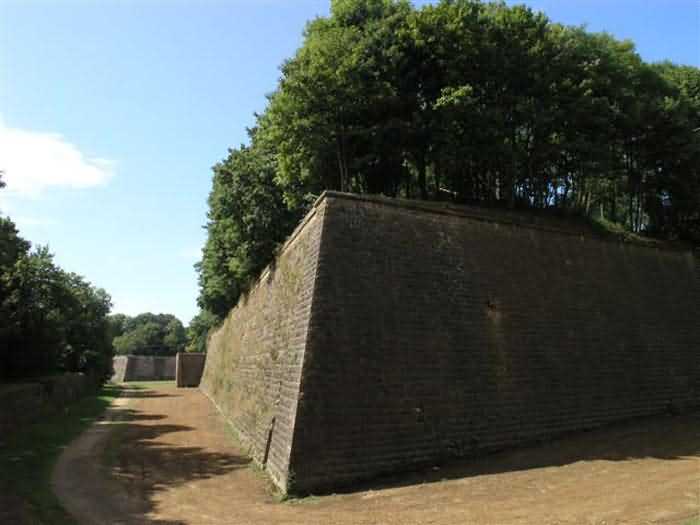
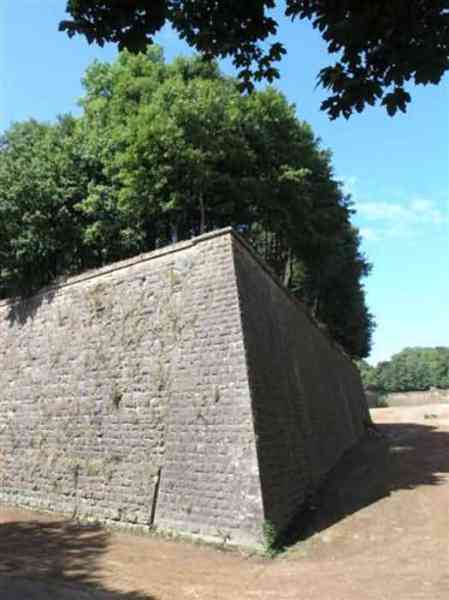
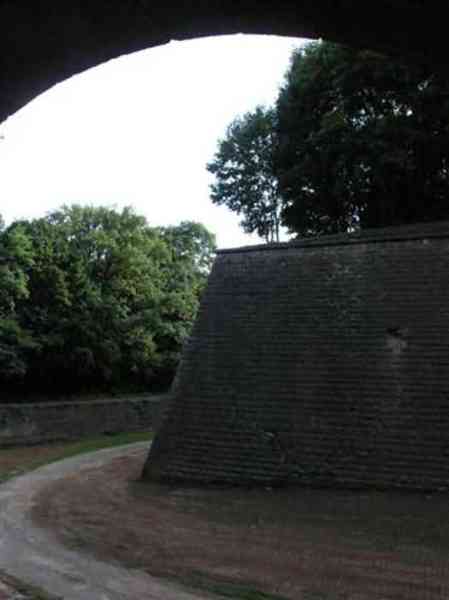
Nord du dépt 54 (Meurthe-et-Moselle), Festung Longwy. Le bastion Notre-Dame, situé à l’angle nord-est de l’enceinte vaubanienne, contrôlait les approches extérieures en direction de la vallée et renforçait la continuité défensive de la place. Construit selon les principes du tracé bastionné, il permettait le croisement des feux avec les bastions voisins, formant un rideau de protection efficace. Après l’annexion de 1871 et la mise en œuvre du système Séré de Rivières, son rôle militaire direct diminua mais l’ouvrage conserva une importance tactique comme poste d’appui et de surveillance. Son état actuel rappelle la superposition des héritages fortifiés et illustre la transition de Longwy entre l’héritage de Vauban et les défenses modernes de la fin du XIXe siècle.
Norden des Départements 54 (Meurthe-et-Moselle), Festung Longwy. Das Bastion Notre-Dame, am nordöstlichen Eckpunkt der von Vauban errichteten Befestigung gelegen, überwachte die Zugänge aus dem Tal und verstärkte die Verteidigungskontinuität der Festung. Nach den Grundsätzen des bastionierten Systems gebaut, ermöglichte es Kreuzfeuer mit den benachbarten Bastionen und bildete so einen wirksamen Schutzriegel. Nach der Annexion von 1871 und der Umsetzung des Séré-de-Rivières-Systems nahm seine unmittelbare militärische Rolle ab, doch blieb es als Stützpunkt und Beobachtungsstelle von taktischer Bedeutung. Sein heutiger Zustand verdeutlicht die Überlagerung verschiedener Befestigungsschichten und den Übergang Longwys von Vaubans Erbe zu den modernen Verteidigungsanlagen des späten 19. Jahrhunderts.
Noorden van departement 54 (Meurthe-et-Moselle), vesting Longwy. Het bastion Notre-Dame, gelegen op de noordoostelijke hoek van Vaubans vesting, bewaakte de toegangen vanuit het dal en versterkte de samenhang van de verdediging. Opgebouwd volgens de principes van het bastiontracé maakte het kruisvuur met de naburige bastions mogelijk, waardoor een doeltreffend verdedigingsgordijn ontstond. Na de annexatie van 1871 en de aanleg van het Séré de Rivières-systeem nam de directe militaire rol af, maar het bastion bleef tactisch belangrijk als steunpunt en observatiepost. De huidige staat toont de gelaagdheid van vestingwerken en illustreert de overgang van Longwy van Vaubans erfgoed naar de moderne verdediging van het einde van de 19e eeuw.
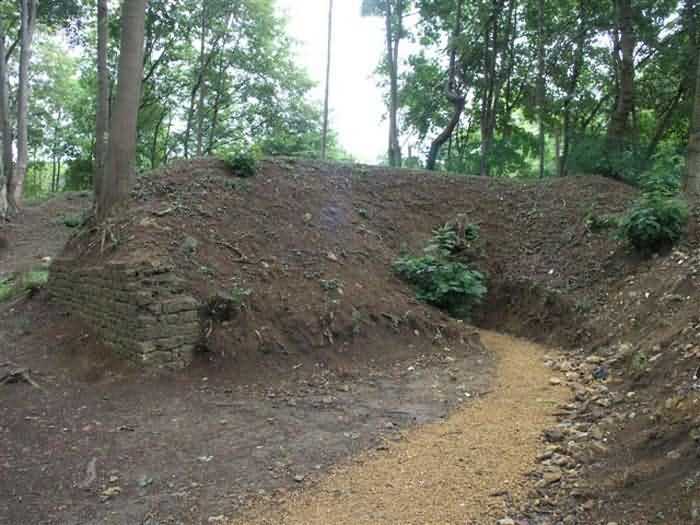
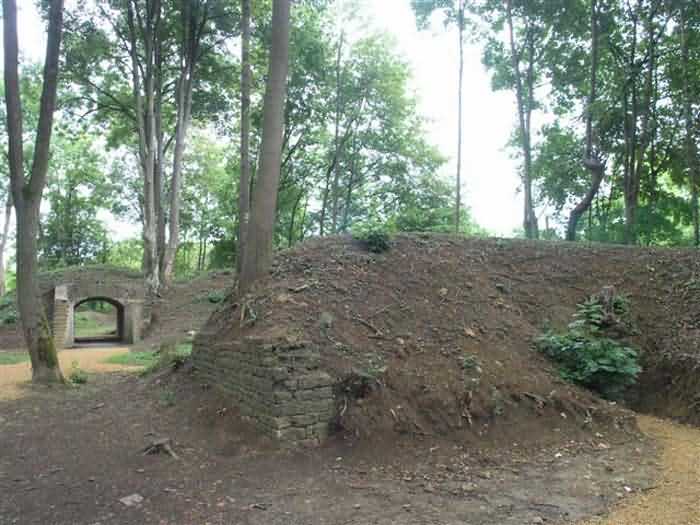
North of department 54 (Meurthe-et-Moselle), fortress of Longwy. The Bastion Notre-Dame, positioned at the north-eastern angle of Vauban’s enceinte, oversaw approaches from the valley and reinforced the continuity of the fortress defense. Built according to the bastioned trace, it allowed crossfire with neighboring bastions, creating an effective protective curtain. After the annexation of 1871 and the implementation of the Séré de Rivières system, its direct military role declined but it retained tactical importance as a support and observation point. Its present condition highlights the overlapping layers of fortification and illustrates Longwy’s transition from Vauban’s legacy to the modern defenses of the late 19th century.
Sever departementu 54 (Meurthe-et-Moselle), pevnost Longwy. Bastion Notre-Dame, umístěný na severovýchodním nároží Vaubanovy pevnosti, kontroloval přístupy z údolí a posiloval obrannou kontinuitu pevnosti. Postaven podle zásad bastionového systému umožňoval křížení palby se sousedními bastiony a vytvářel tak účinnou obrannou clonu. Po anexi v roce 1871 a zavedení systému Séré de Rivières jeho přímá vojenská úloha zeslábla, avšak zůstal důležitý jako opěrný bod a pozorovací místo. Jeho současný stav připomíná překrývání různých vrstev opevnění a ilustruje přechod Longwy od Vaubanova dědictví k moderní obraně konce 19. století.
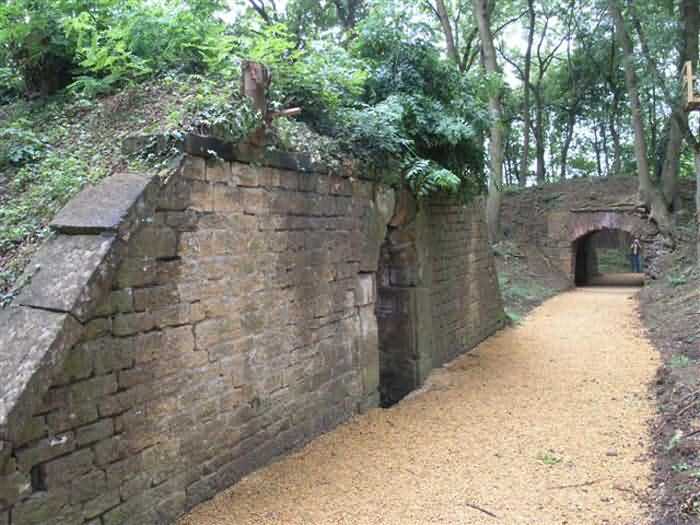
Chemin couvert et contrescarpe devant le bastion de Notre-Dame ou bastion II ▼
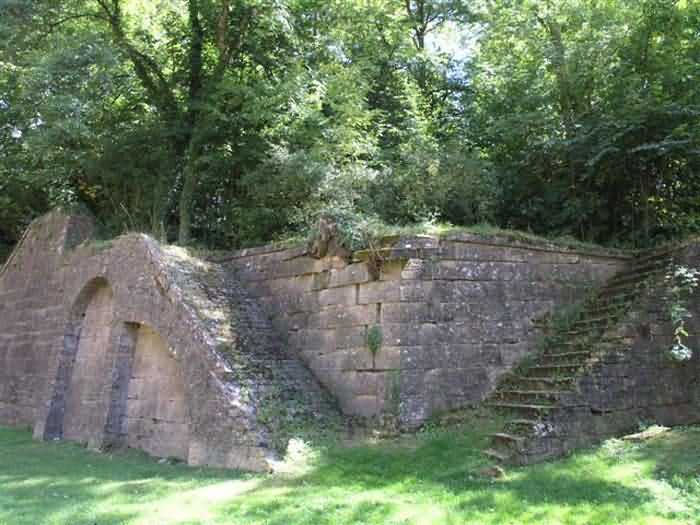
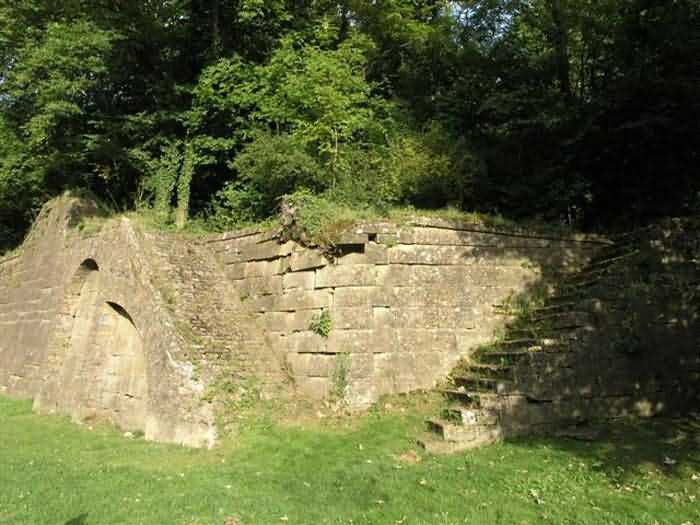
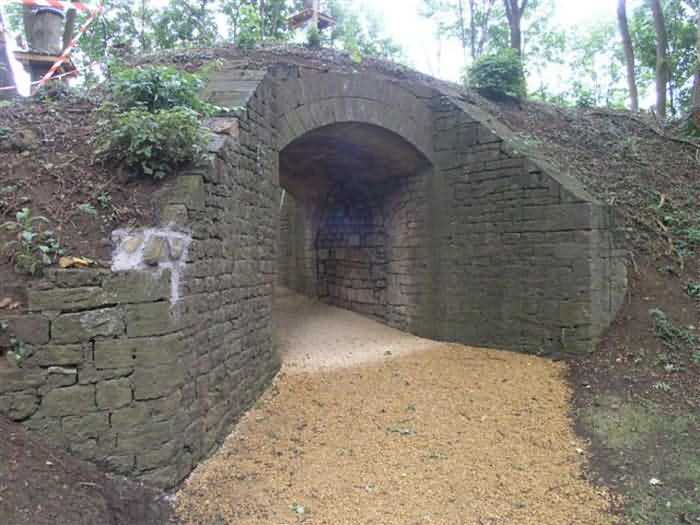
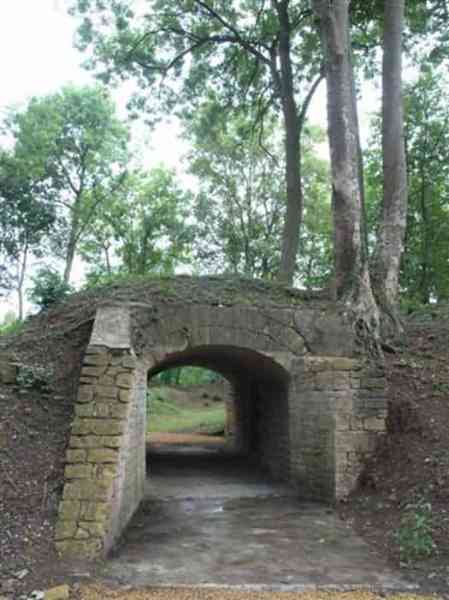
Les extérieurs du bastion de Notre-Dame ou bastion II ▼
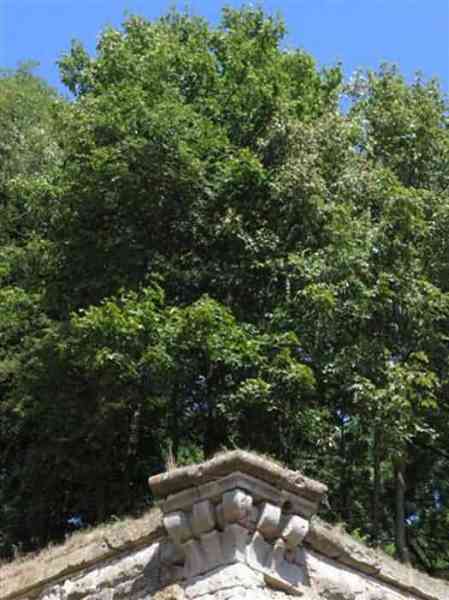
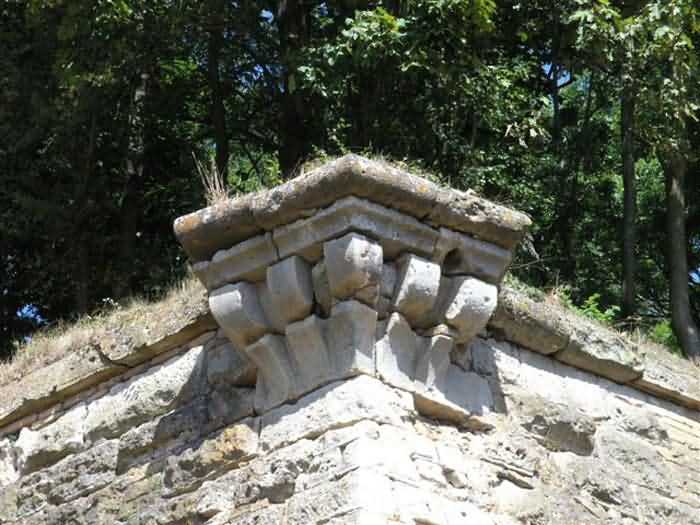
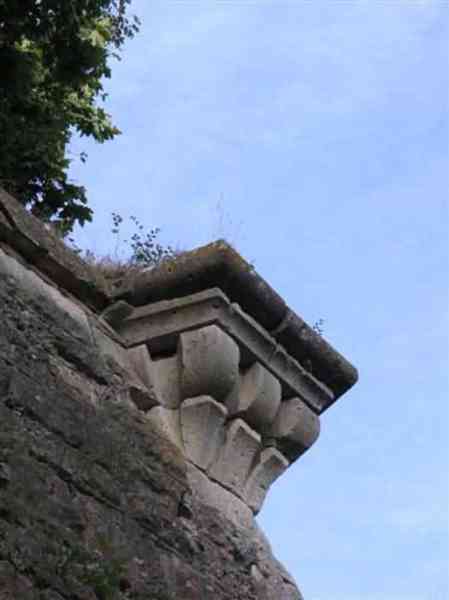
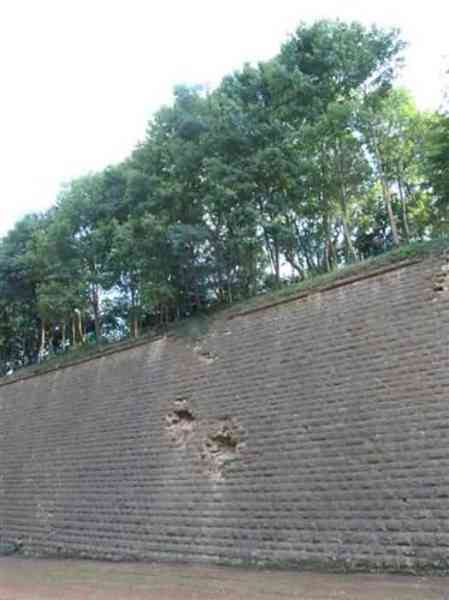
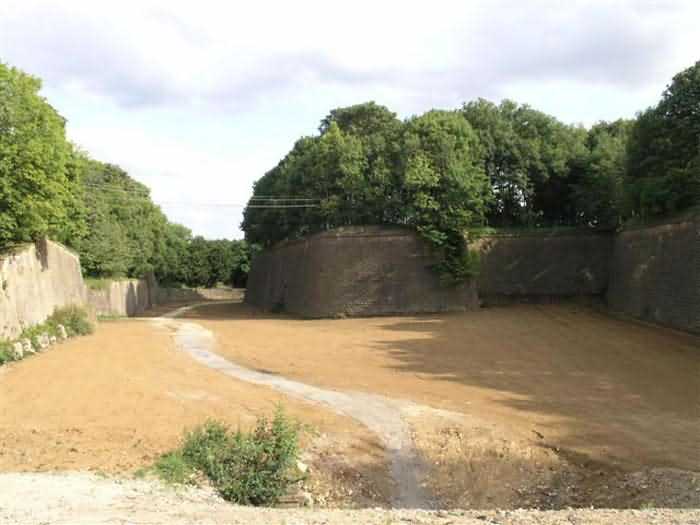
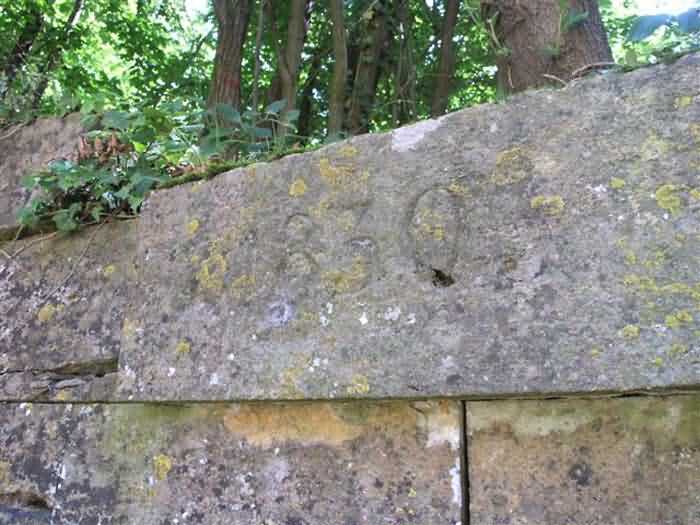
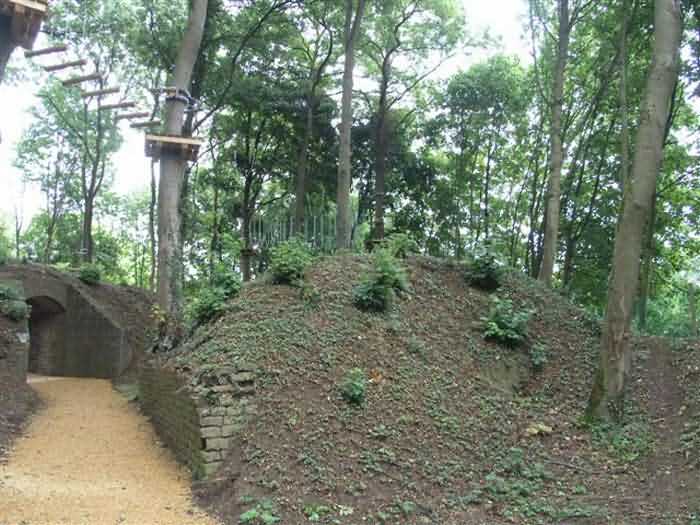
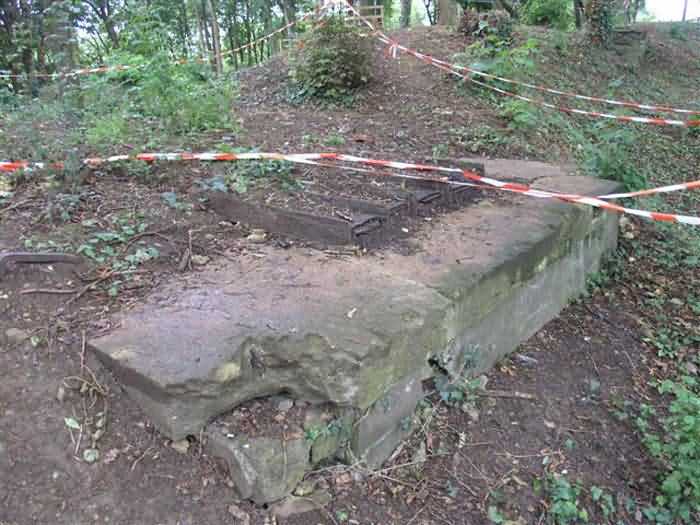
Les dessus du bastion de Notre-Dame ou bastion II ▼
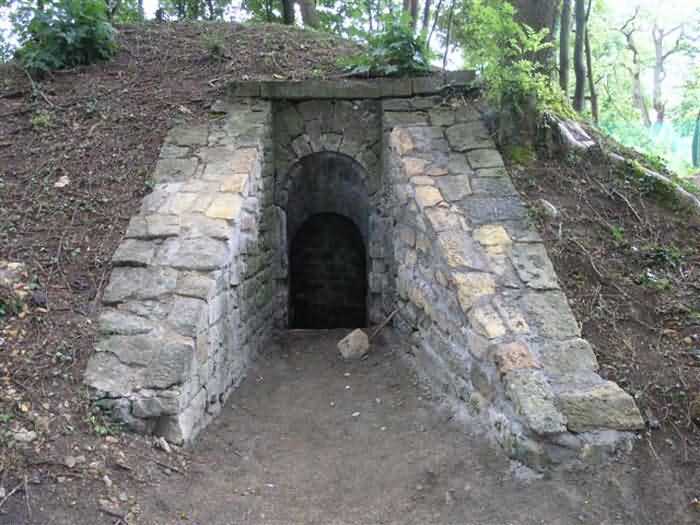
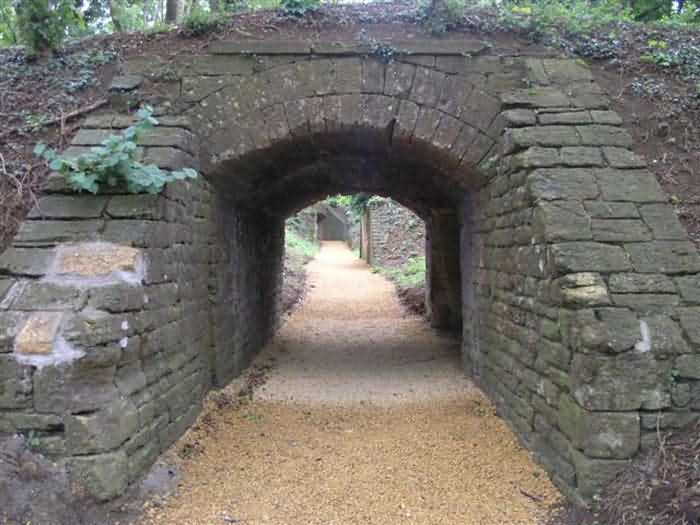
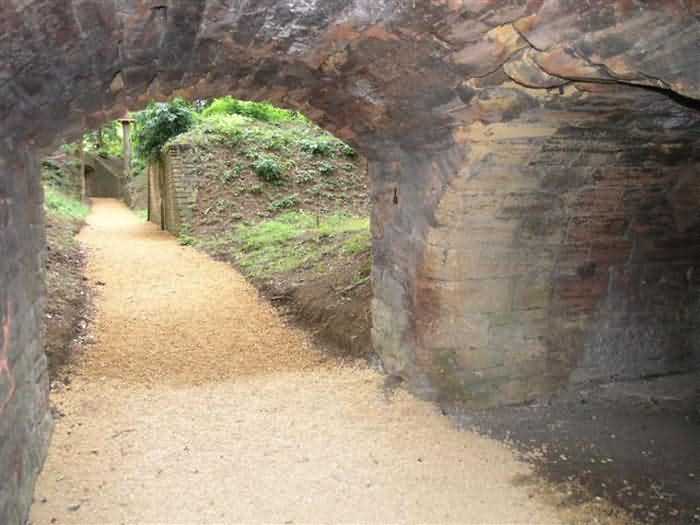
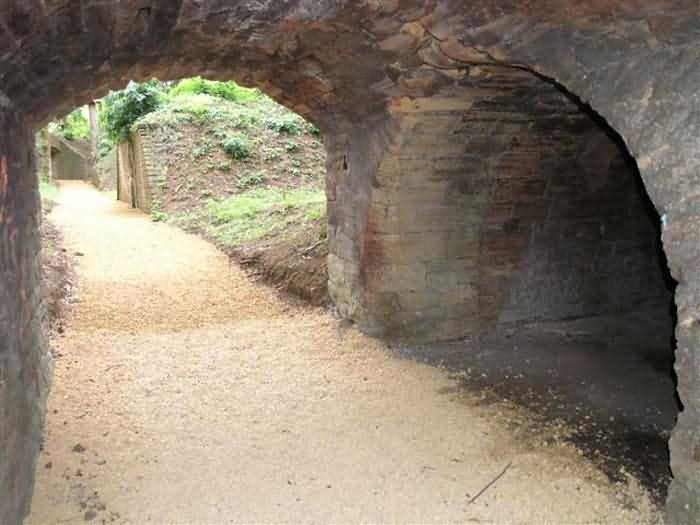
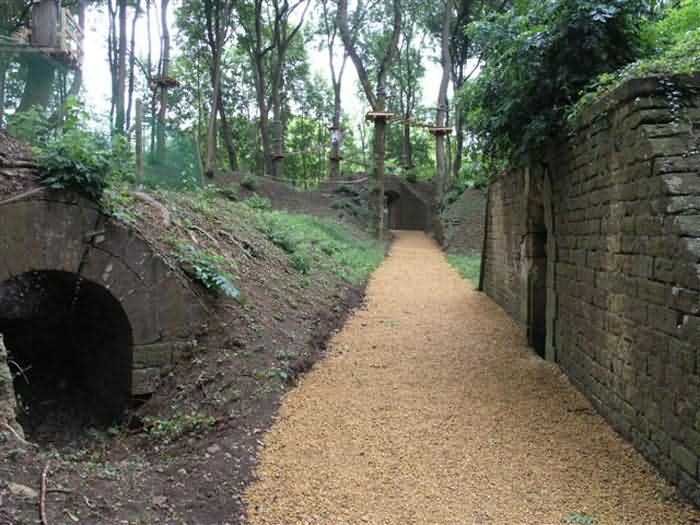
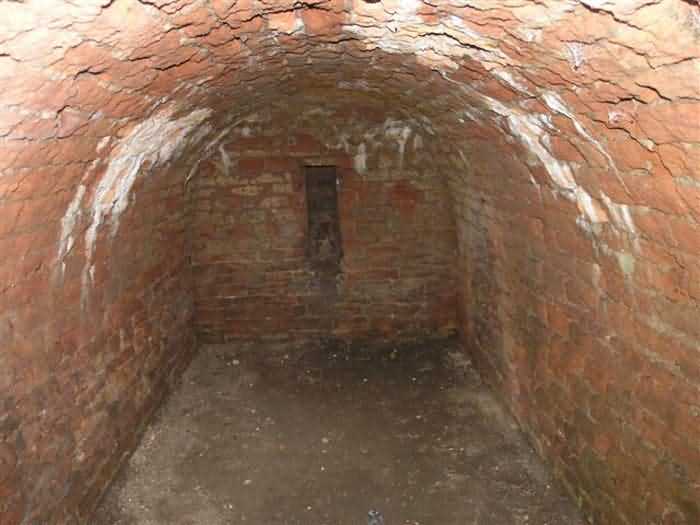
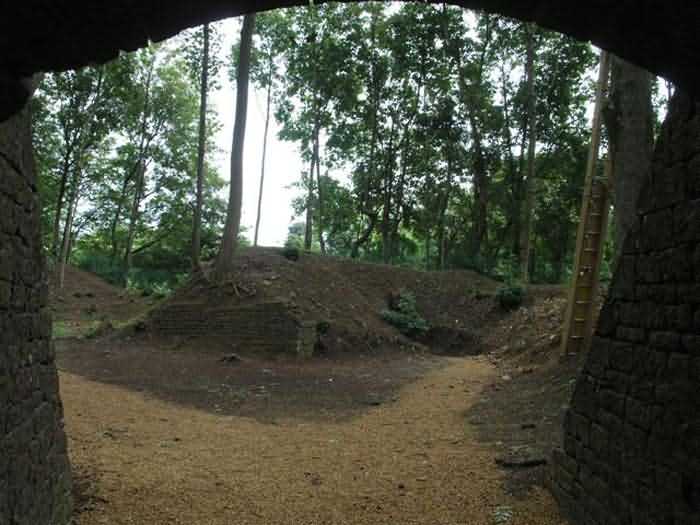
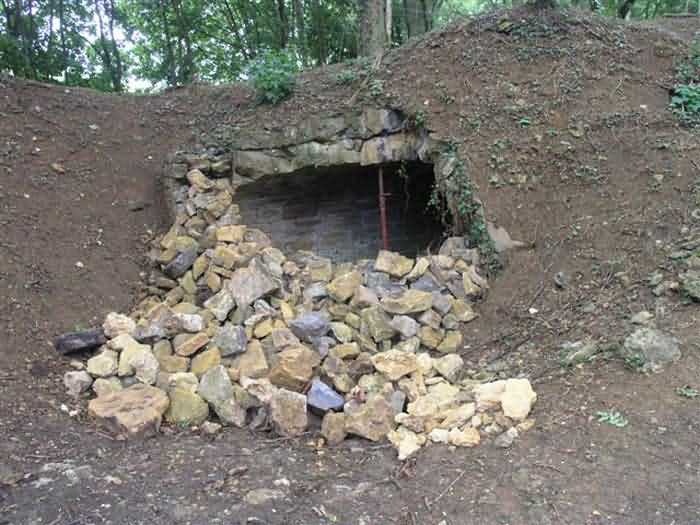
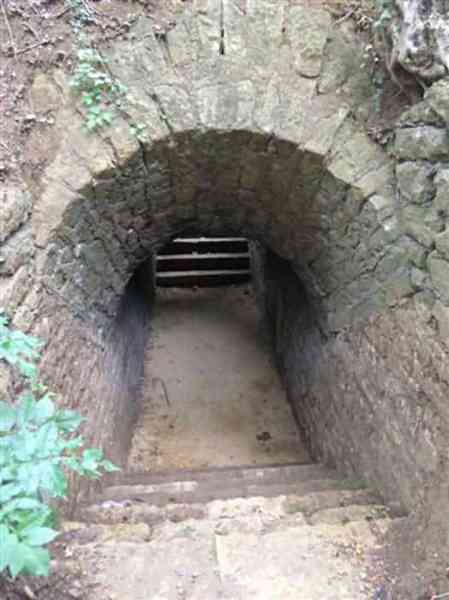
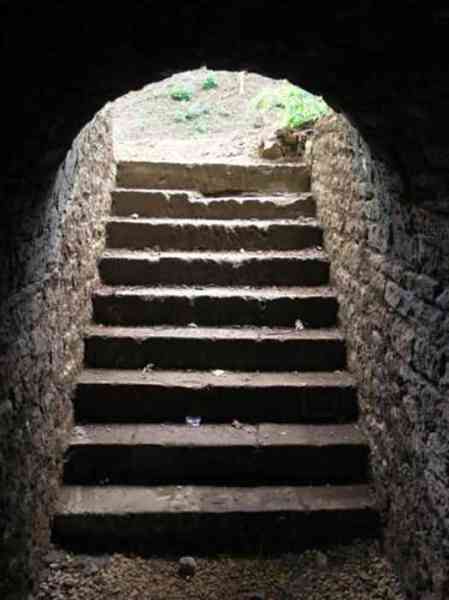
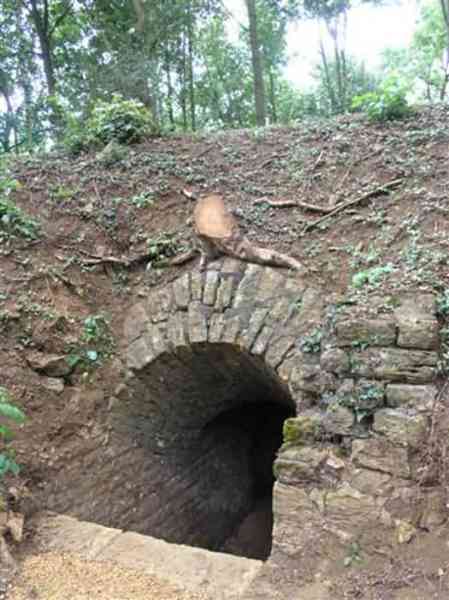
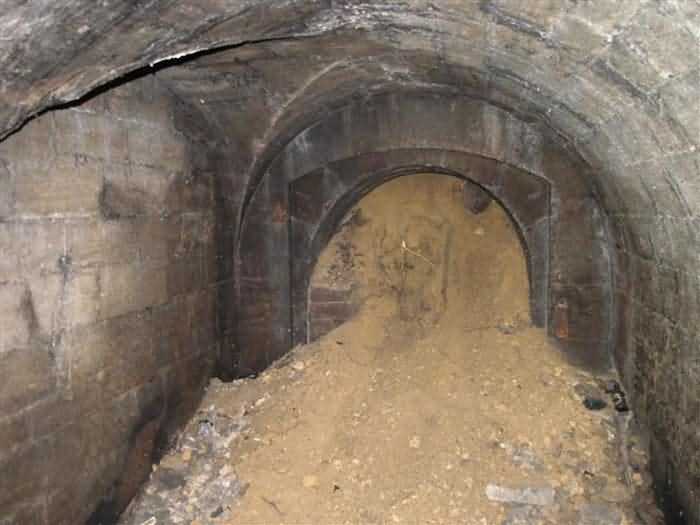
Le coeur du bastion de Notre-Dame (ou bastion II) et son fameux magasin cruciforme ▼