

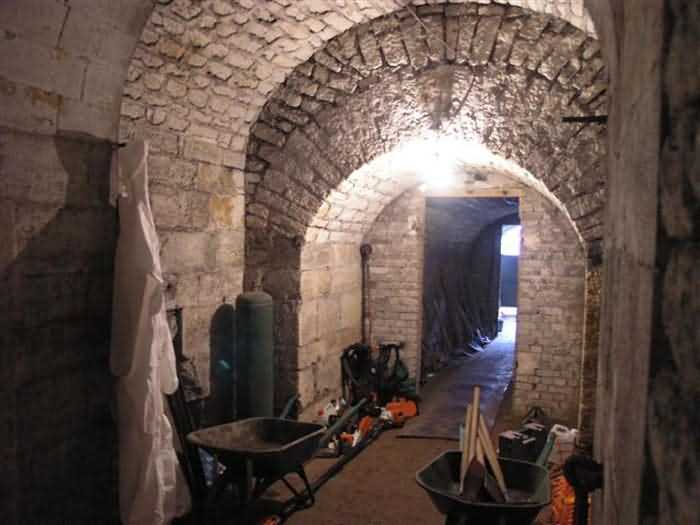


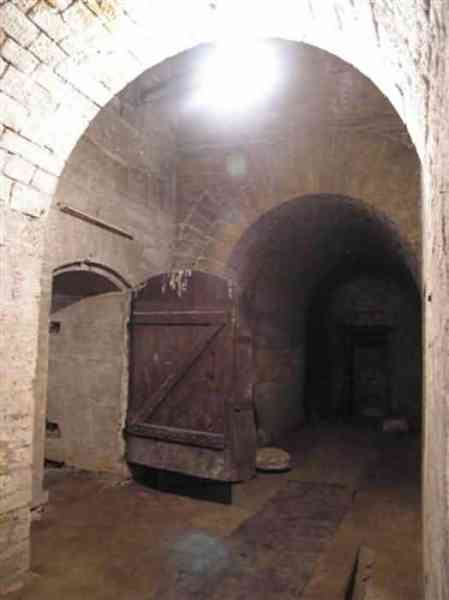

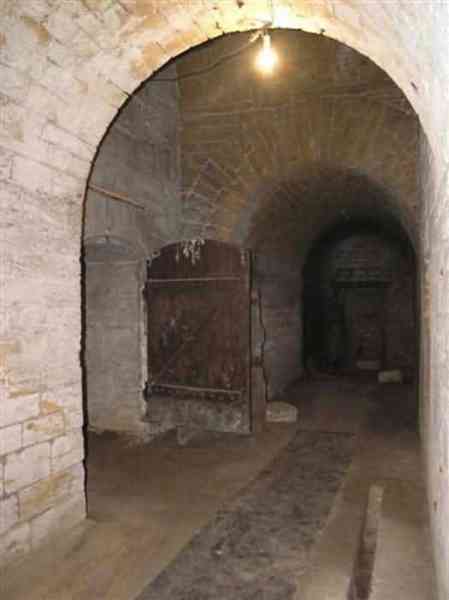

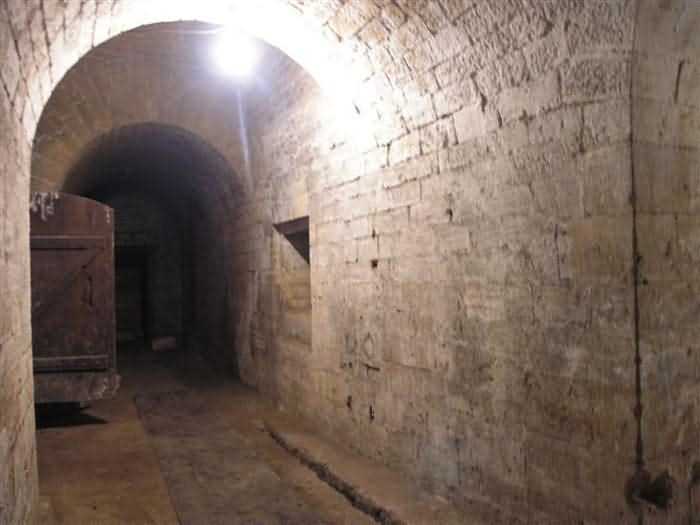
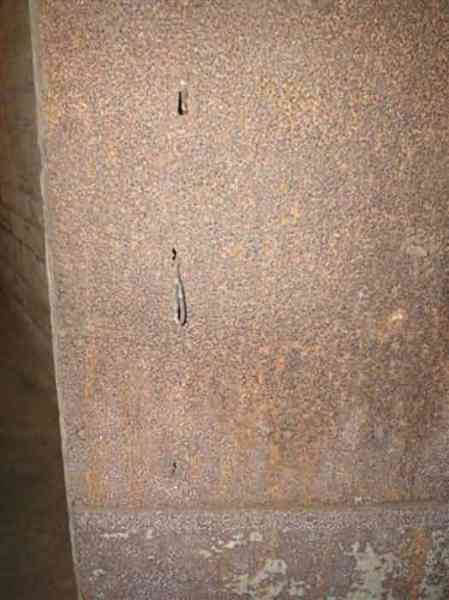

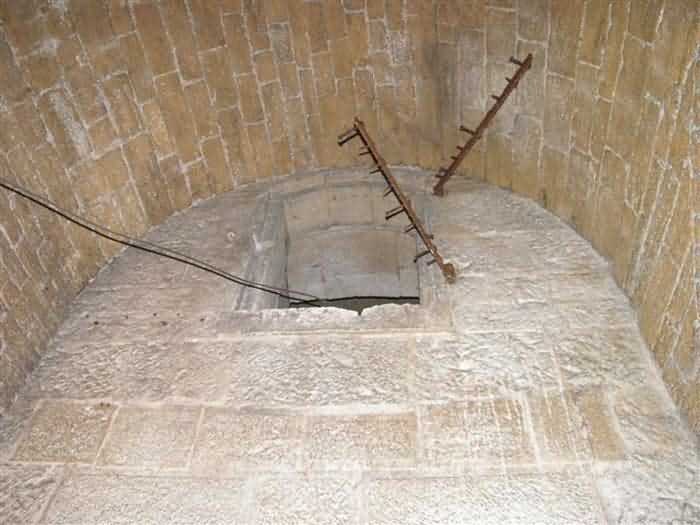
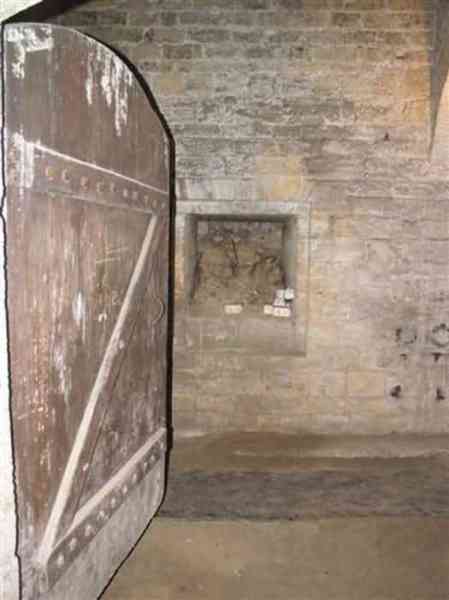
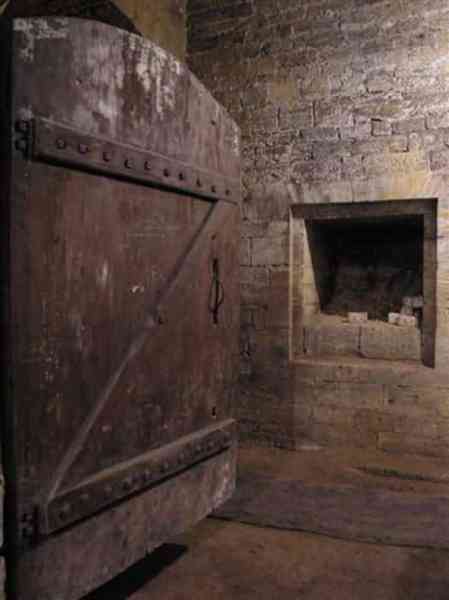
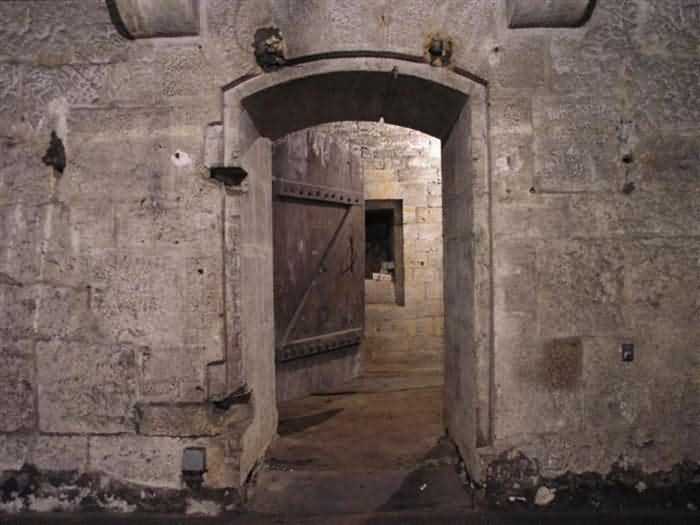
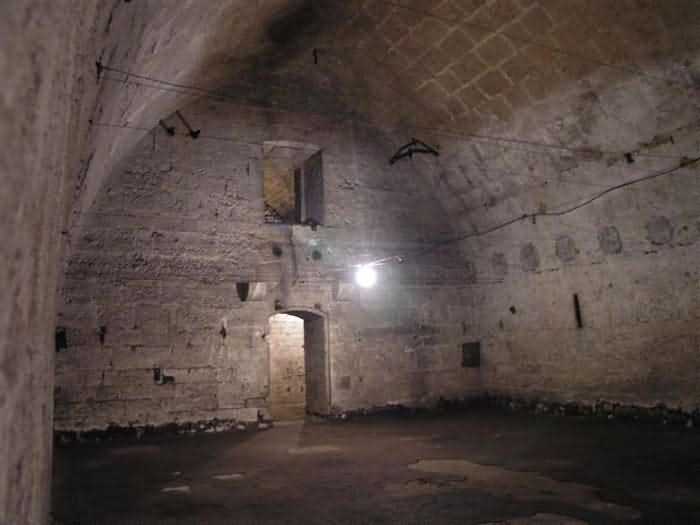
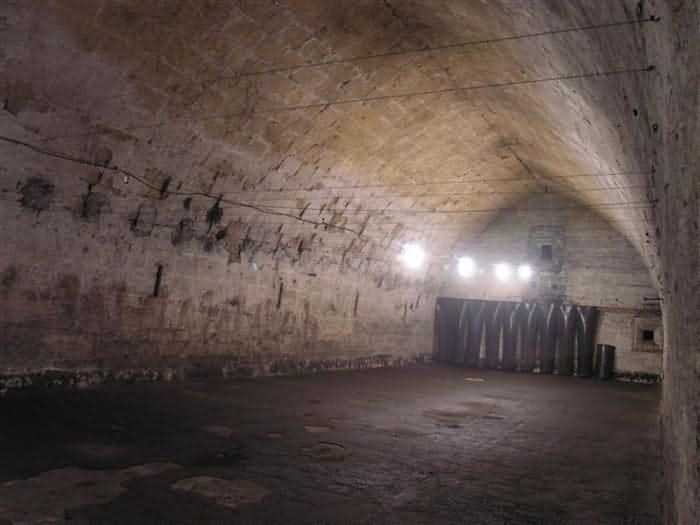


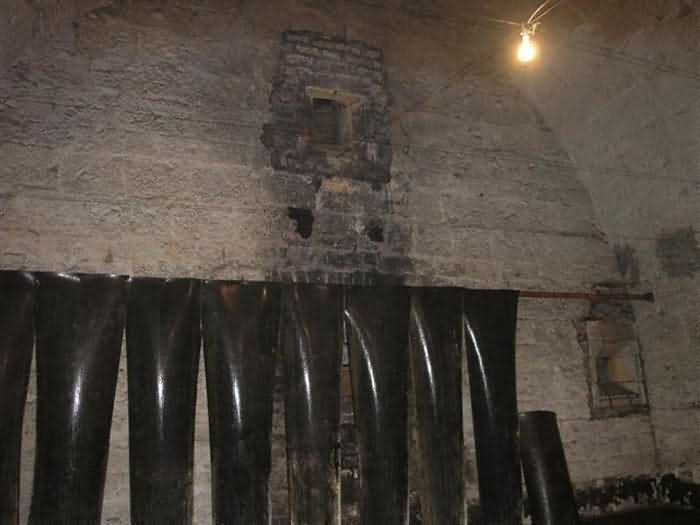

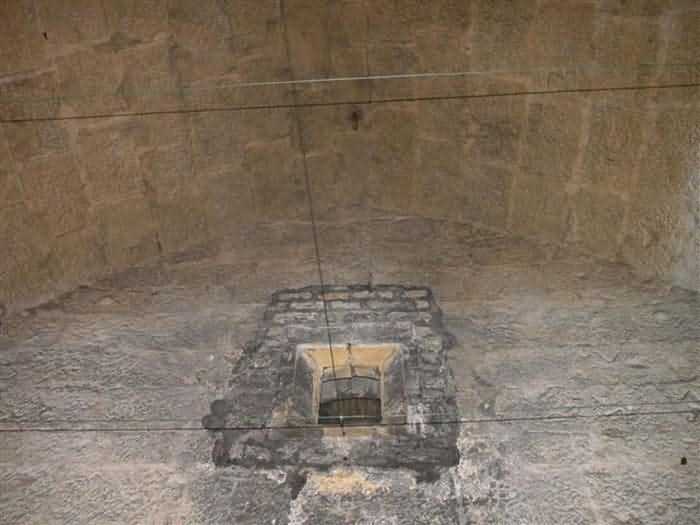

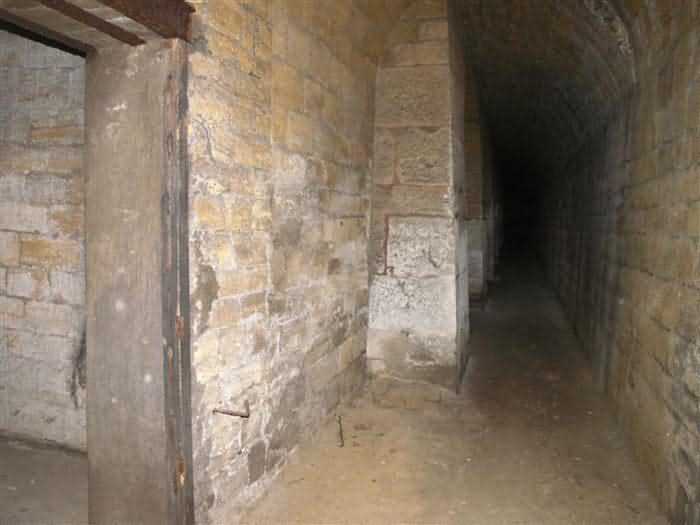
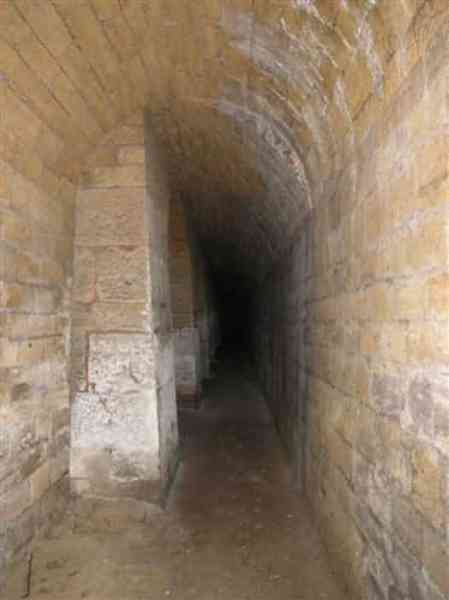

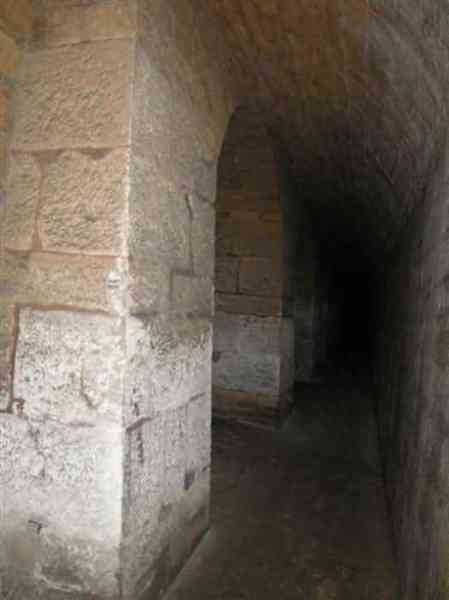

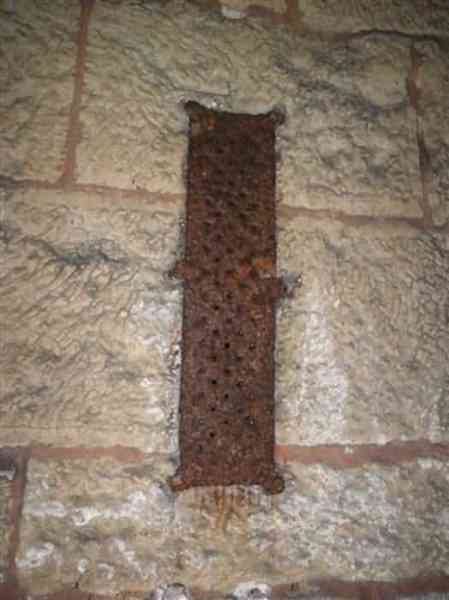
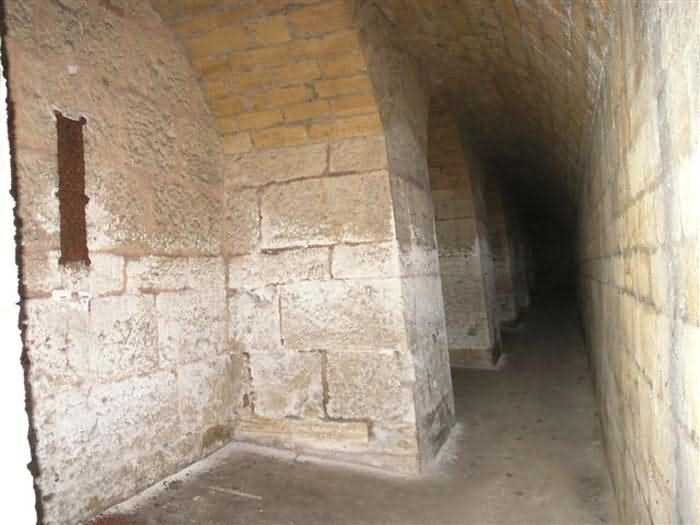
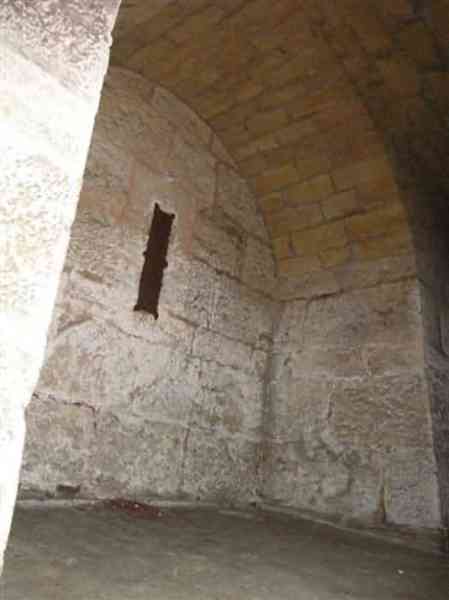
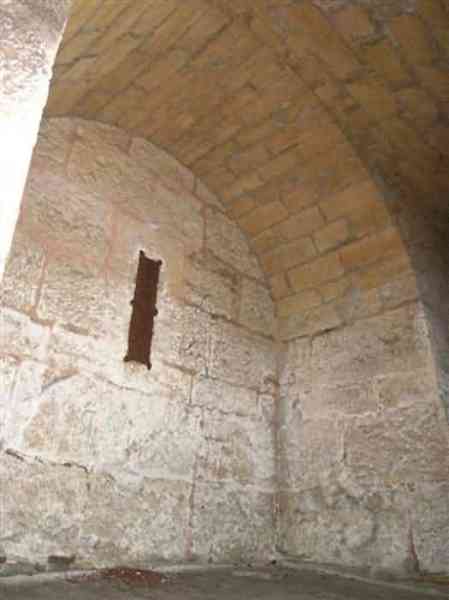
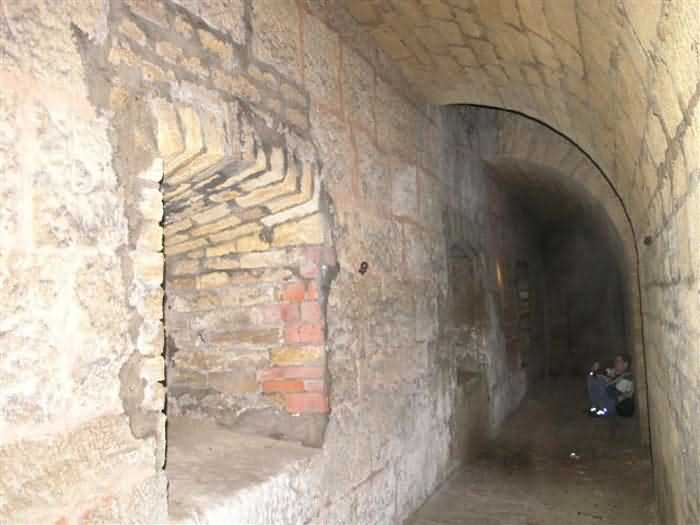

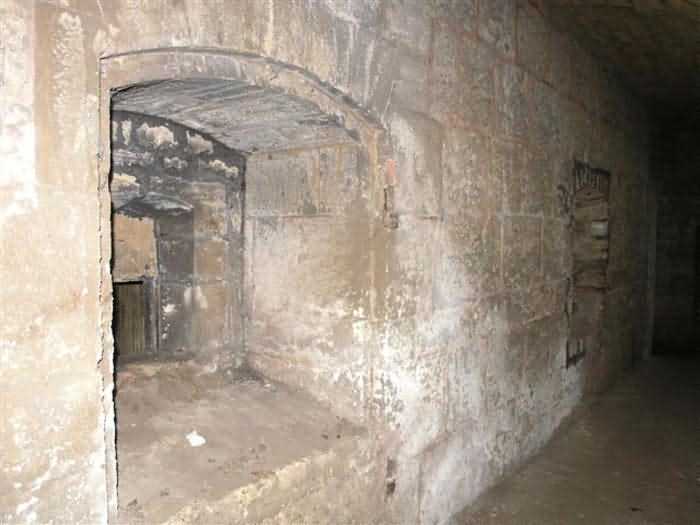
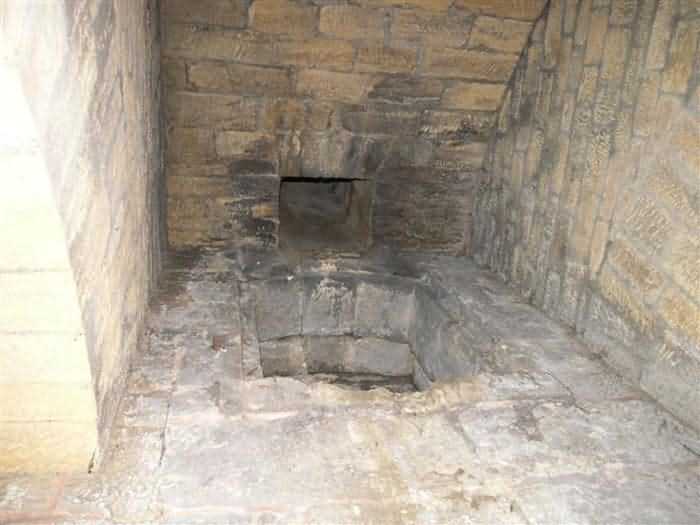
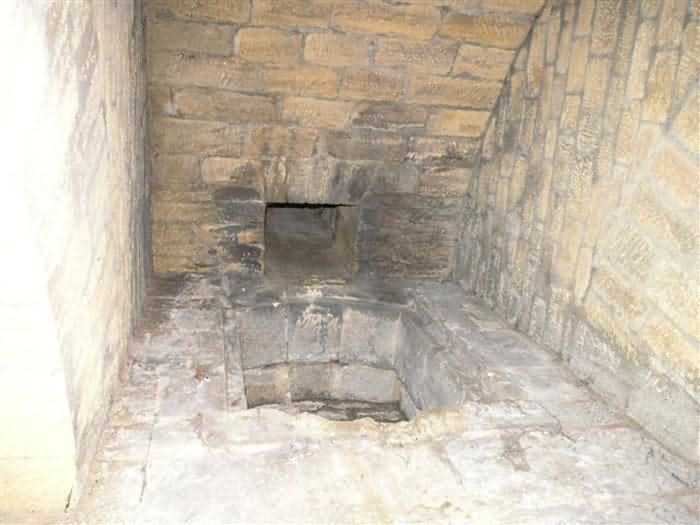

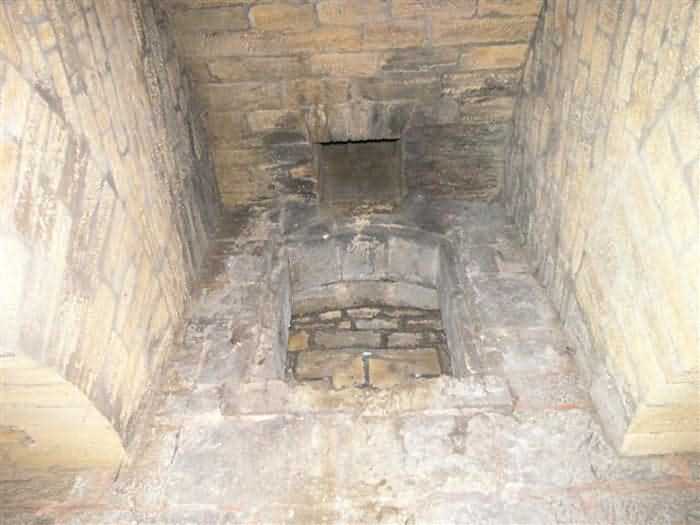

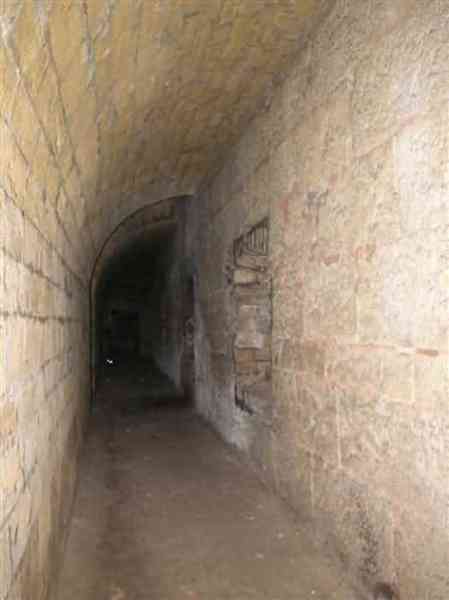

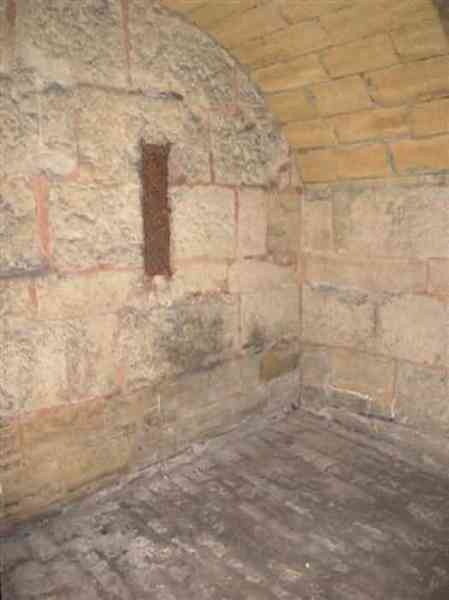
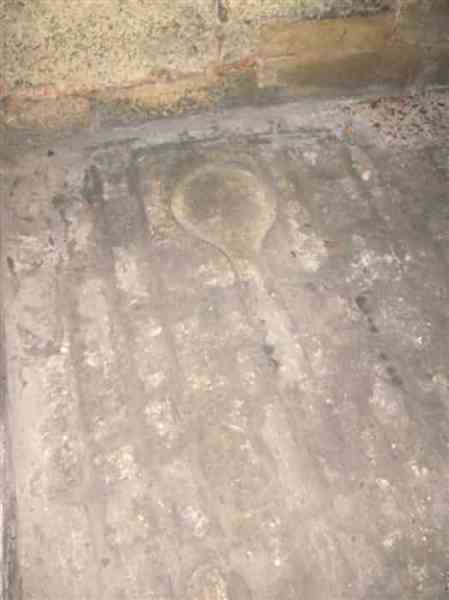


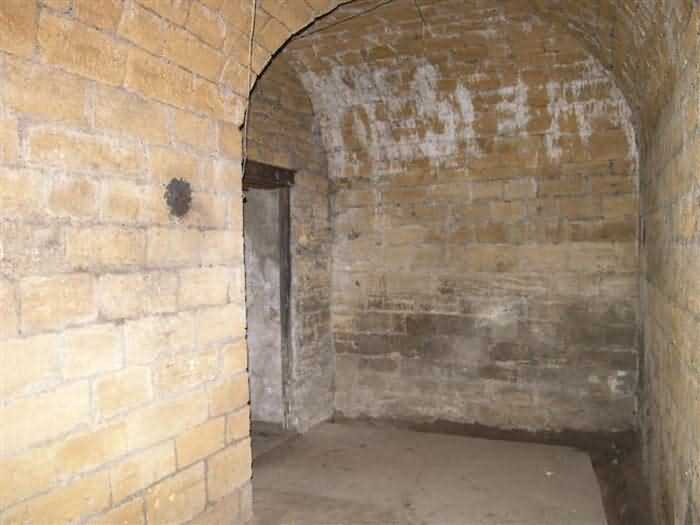
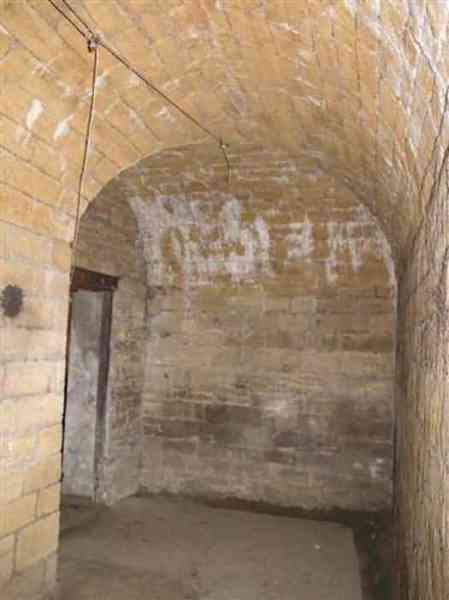
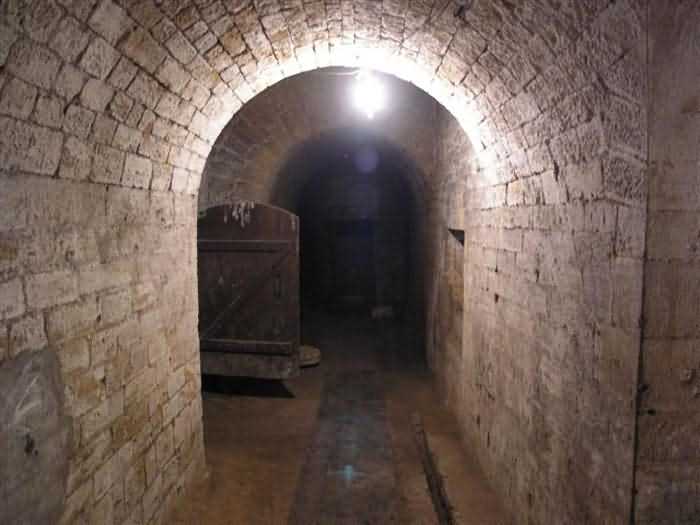
Nord du dépt 54 (Meurthe-et-Moselle), place de Longwy. Le bastion Saint-Martin, implanté sur le front ouest de l’enceinte vaubanienne, contrôlait l’accès aux hauteurs voisines et complétait le dispositif défensif par son feu croisé avec les bastions adjacents. Construit selon les principes géométriques de Vauban, il offrait une plate-forme de tir permettant de couvrir efficacement les fossés et d’interdire toute approche directe. Après 1871, l’ouvrage perdit son rôle de première ligne au profit des forts détachés du système Séré de Rivières, mais conserva une fonction tactique en tant que maillon d’appui et de surveillance. Aujourd’hui encore, il illustre la solidité de l’héritage bastionné et son intégration dans les logiques défensives de la fin du XIXe siècle.
Norden des Départements 54 (Meurthe-et-Moselle), Festung Longwy. Das Bastion Saint-Martin, an der Westfront der Vauban’schen Befestigung gelegen, überwachte den Zugang zu den benachbarten Höhen und ergänzte das Verteidigungssystem durch Kreuzfeuer mit den angrenzenden Bastionen. Nach den geometrischen Prinzipien Vaubans errichtet, bot es eine Feuerplattform zur wirksamen Bestreichung der Gräben und zur Verhinderung direkter Angriffe. Nach 1871 verlor das Werk seine Rolle in der vordersten Linie zugunsten der detachierten Werke des Séré-de-Rivières-Systems, behielt jedoch eine taktische Funktion als Stütz- und Beobachtungspunkt. Bis heute veranschaulicht es die Beständigkeit des bastionierten Erbes und dessen Einbindung in die Verteidigungslogik des späten 19. Jahrhunderts.
Noorden van departement 54 (Meurthe-et-Moselle), vesting Longwy. Het bastion Saint-Martin, gelegen aan de westzijde van de Vauban-vesting, controleerde de toegang tot de nabijgelegen hoogten en vulde het verdedigingssysteem aan met kruisvuur vanuit de aangrenzende bastions. Opgebouwd volgens de geometrische principes van Vauban bood het een vuurplatform waarmee de grachten effectief konden worden bestreken en elke directe nadering werd verhinderd. Na 1871 verloor het werk zijn rol in de voorste linie aan de buitenforten van het Séré de Rivières-systeem, maar behield het een tactische waarde als steun- en observatiepunt. Het illustreert nog steeds de duurzaamheid van het bastionaire erfgoed en de inpassing ervan in de verdedigingslogica van de late 19e eeuw.
North of department 54 (Meurthe-et-Moselle), fortress of Longwy. The Bastion Saint-Martin, positioned on the western front of Vauban’s enceinte, controlled access to the surrounding heights and reinforced the defenses through crossfire with the adjacent bastions. Built according to Vauban’s geometric principles, it provided a firing platform to cover the ditches effectively and deny any direct approach. After 1871, the structure lost its role as a frontline defense to the detached forts of the Séré de Rivières system, yet it retained tactical importance as a support and observation point. Today it still illustrates the resilience of the bastioned legacy and its integration into the defensive logic of the late 19th century.
Sever departementu 54 (Meurthe-et-Moselle), pevnost Longwy. Bastion Saint-Martin, umístěný na západní frontě Vaubanovy pevnosti, kontroloval přístup k okolním výšinám a doplňoval obranný systém křížovou palbou se sousedními bastiony. Postaven podle geometrických zásad Vaubana poskytoval palebnou platformu pro účinné krytí příkopů a znemožnění přímého útoku. Po roce 1871 ztratil objekt svou roli v první linii ve prospěch oddělených fortů systému Séré de Rivières, avšak zachoval si taktický význam jako opěrný a pozorovací bod. Dodnes dokládá odolnost bastionového dědictví a jeho začlenění do obranné logiky konce 19. století.
Bastion III
