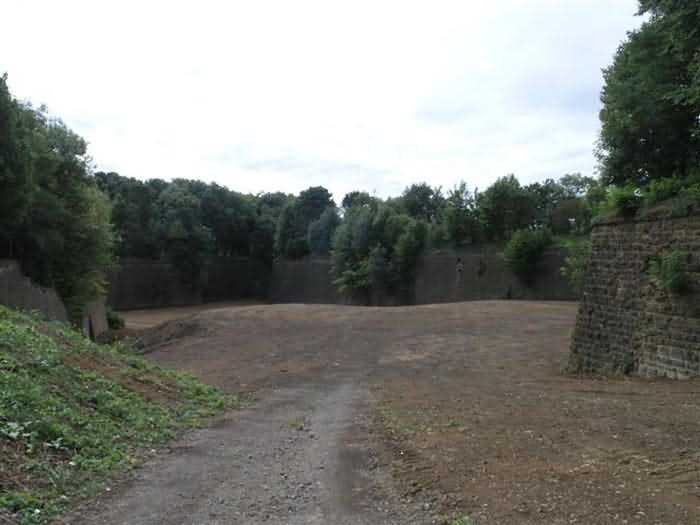
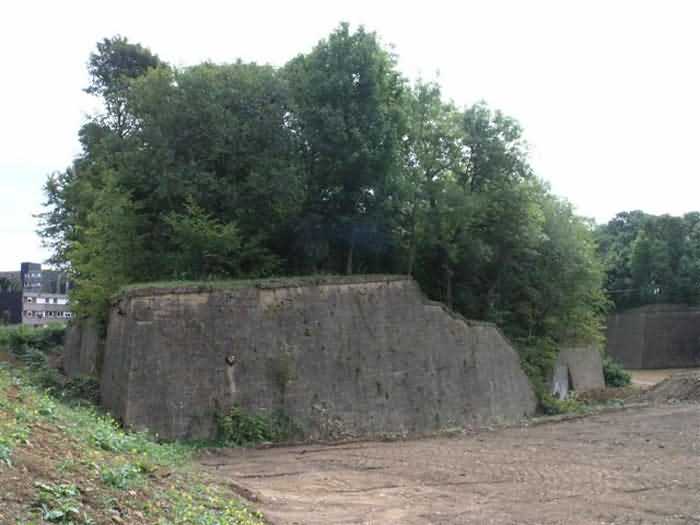
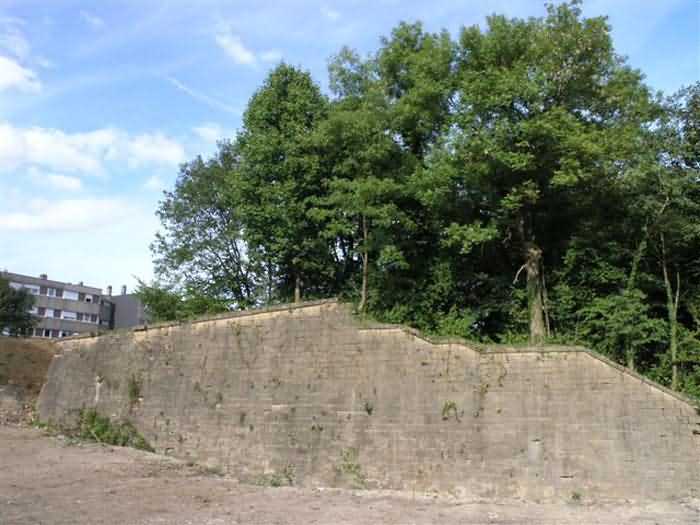
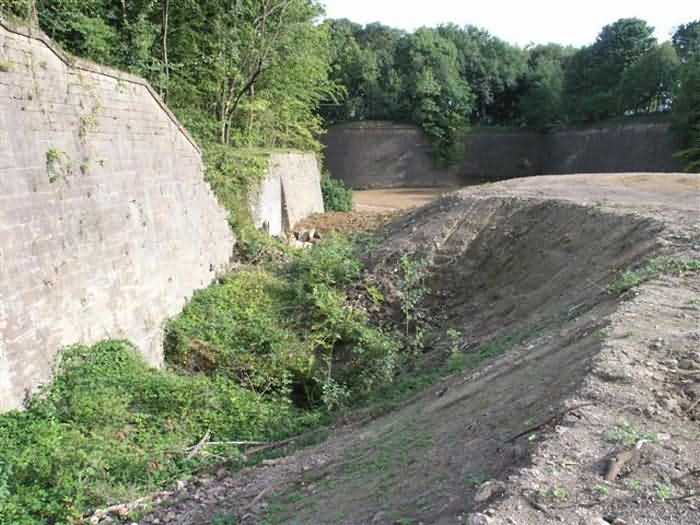
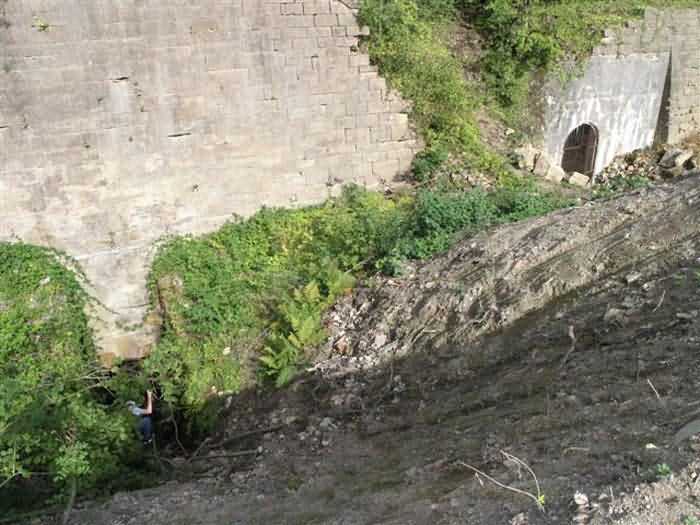
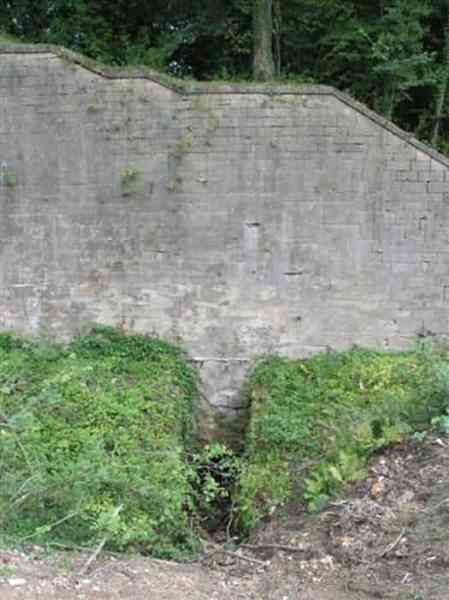
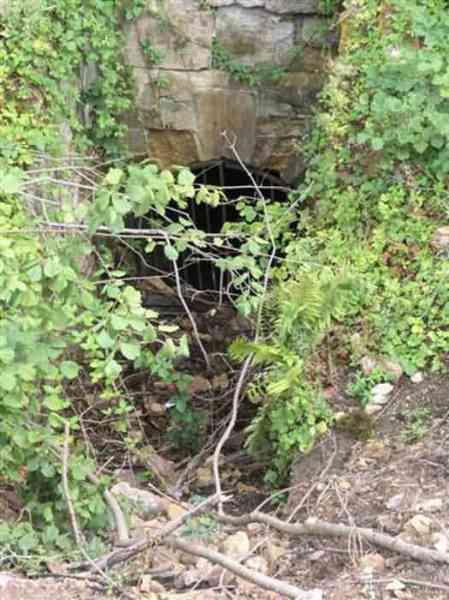
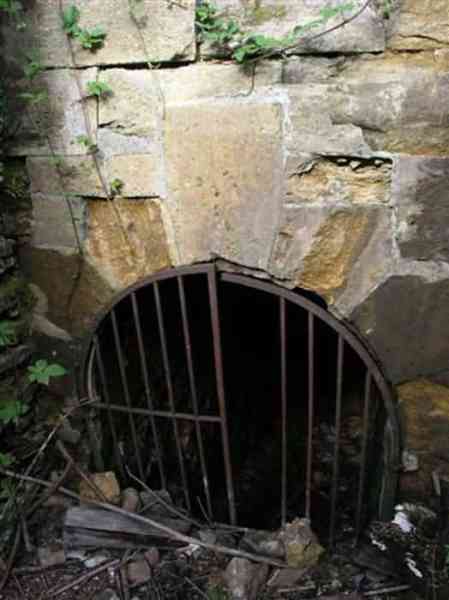
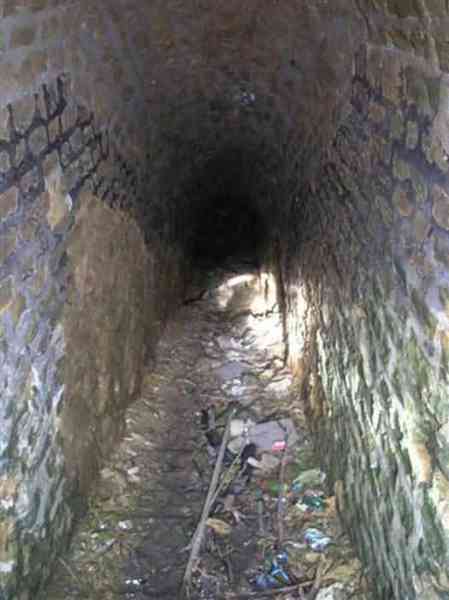
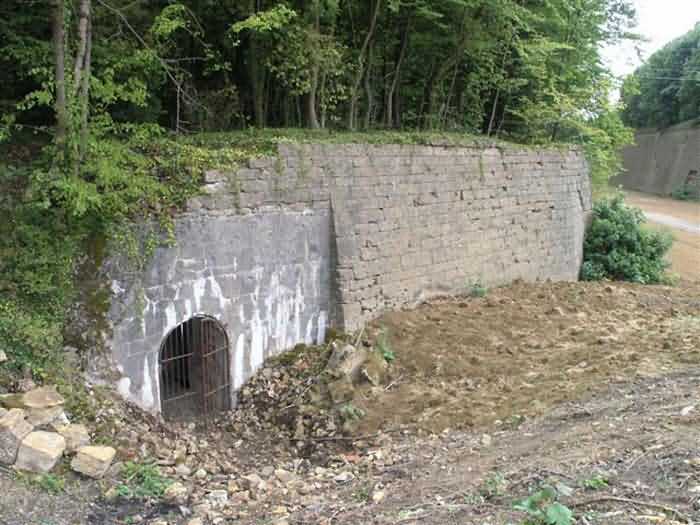
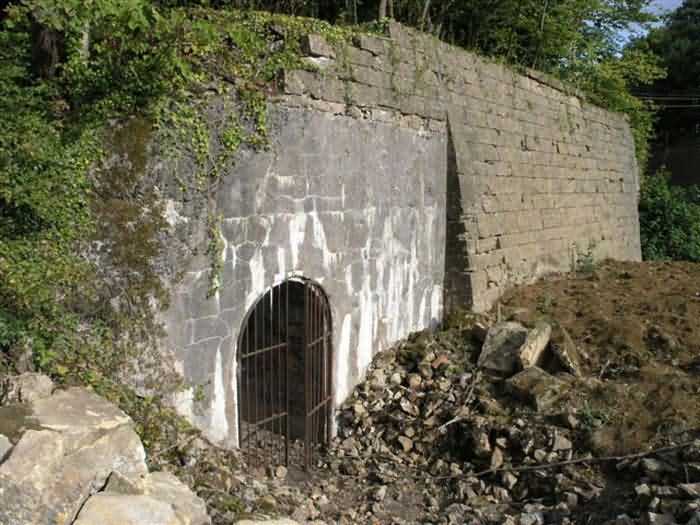
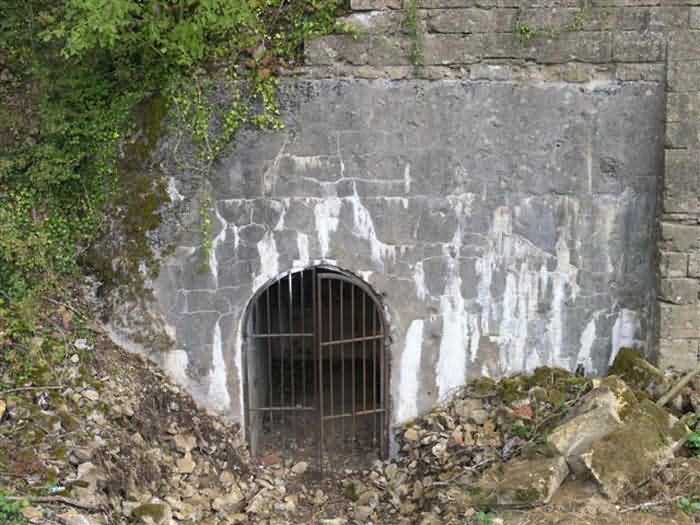
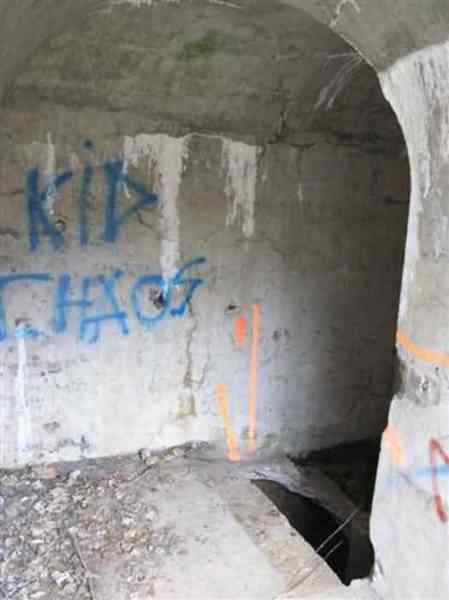
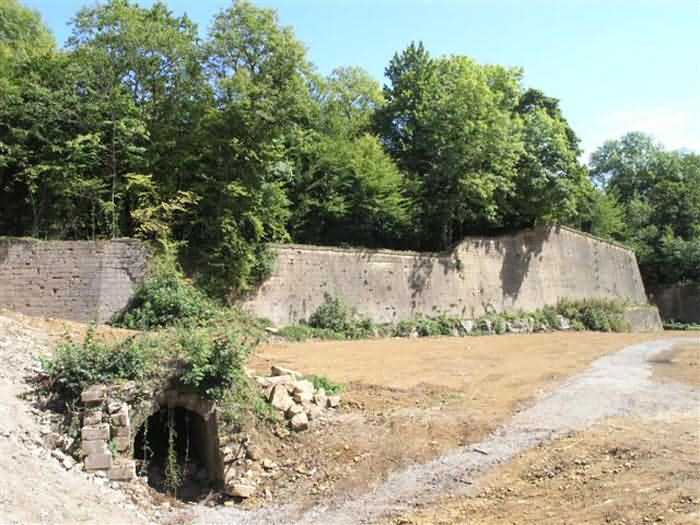
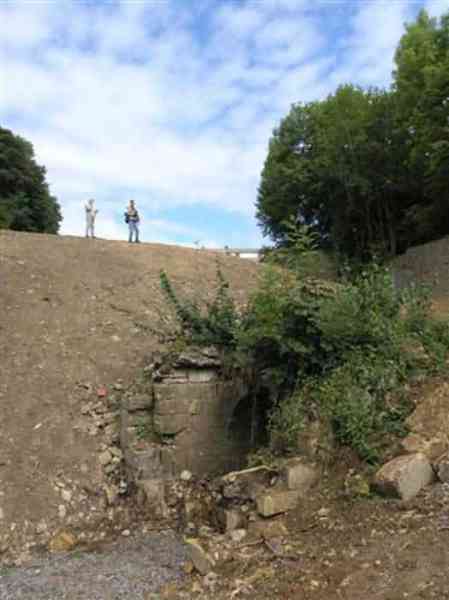
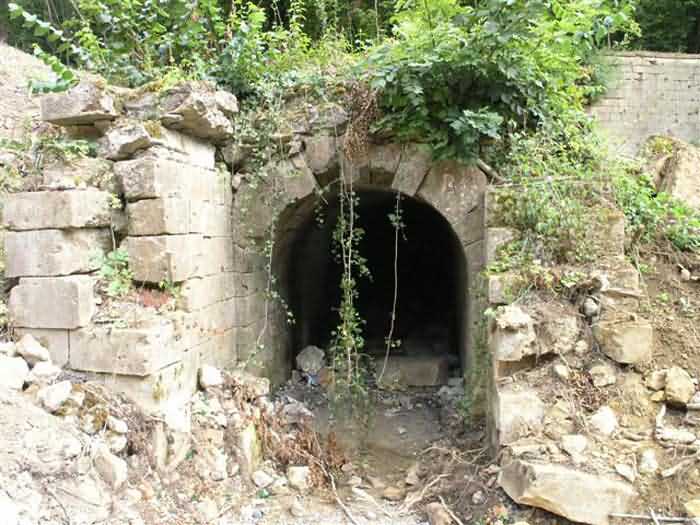
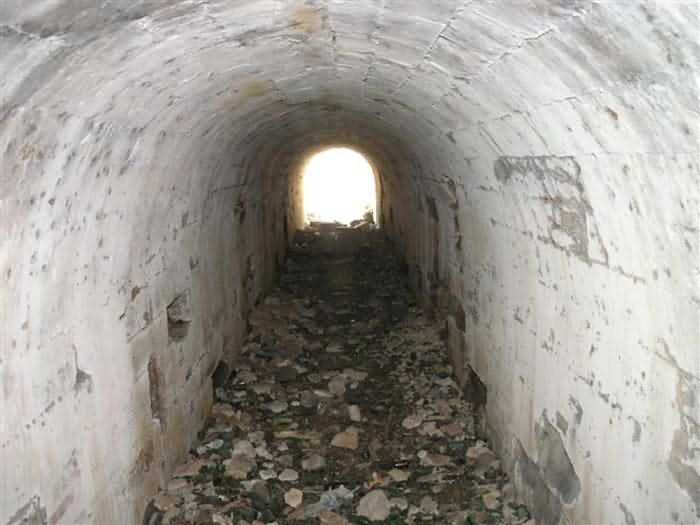
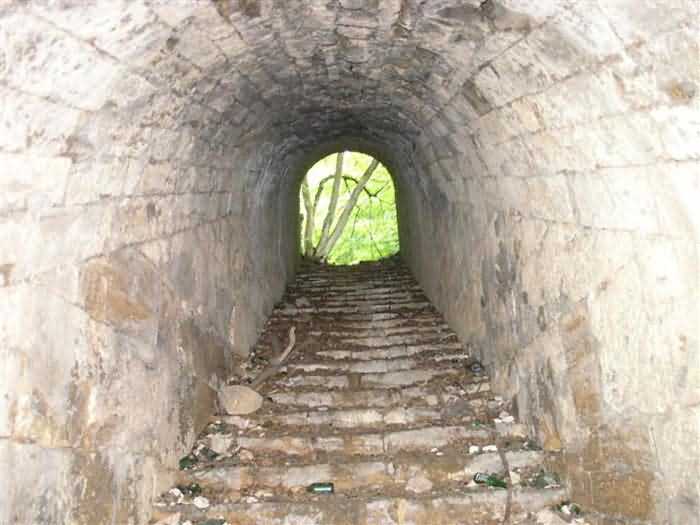
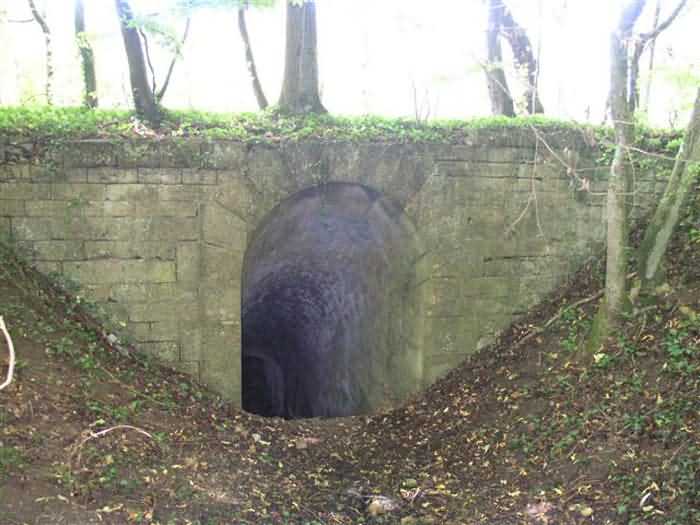
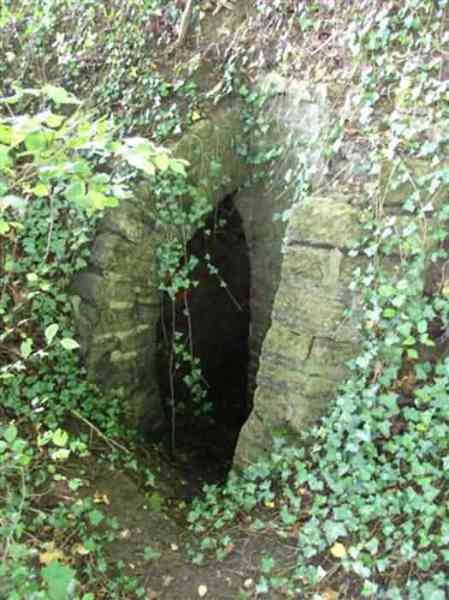
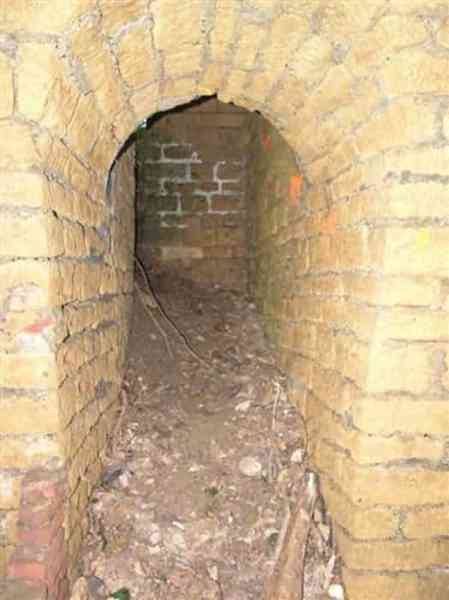
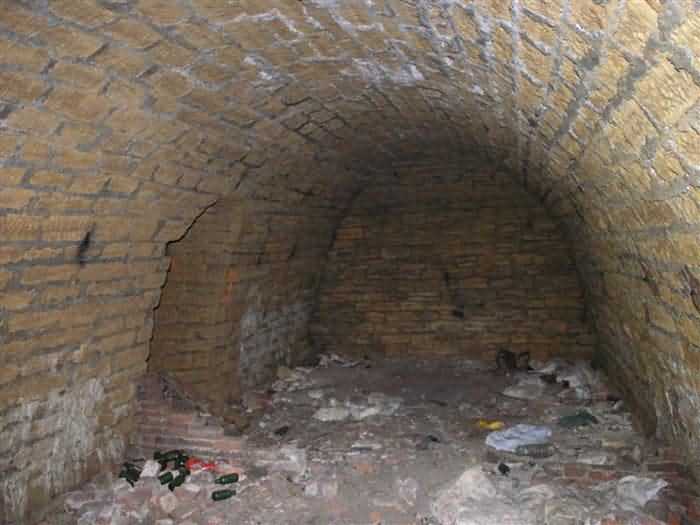
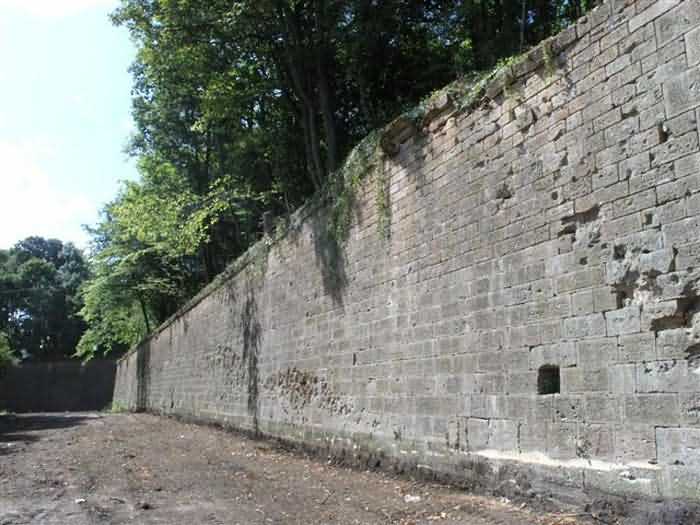
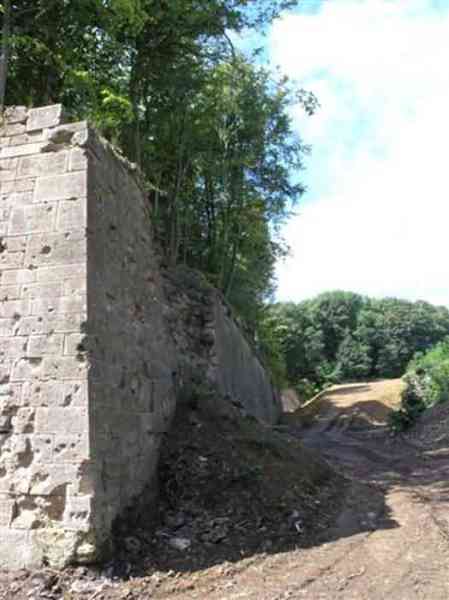
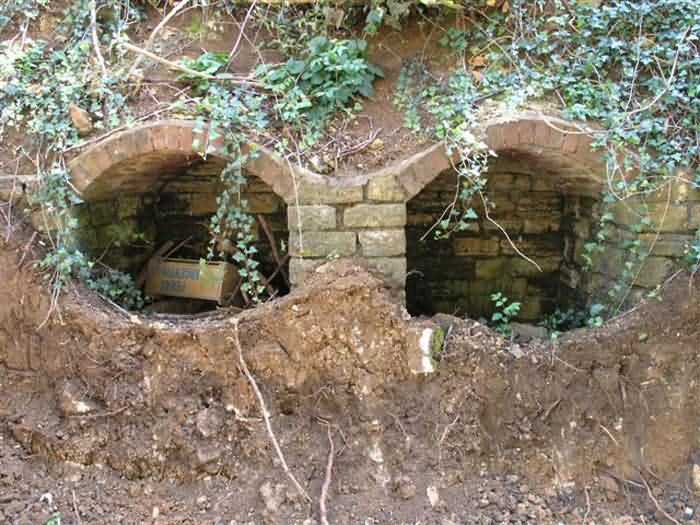
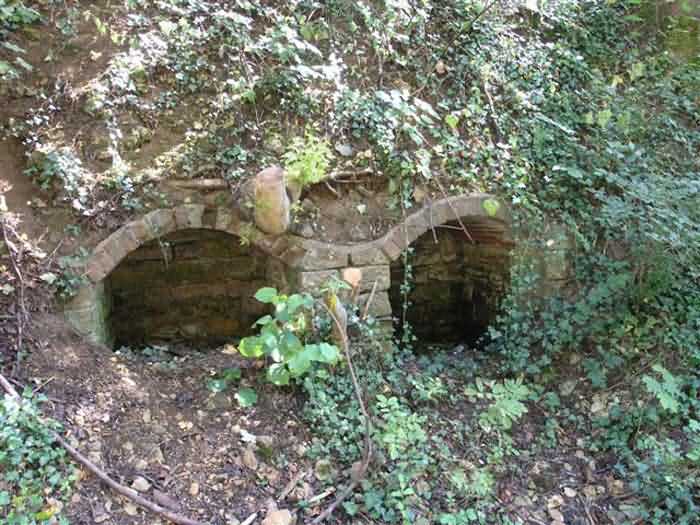
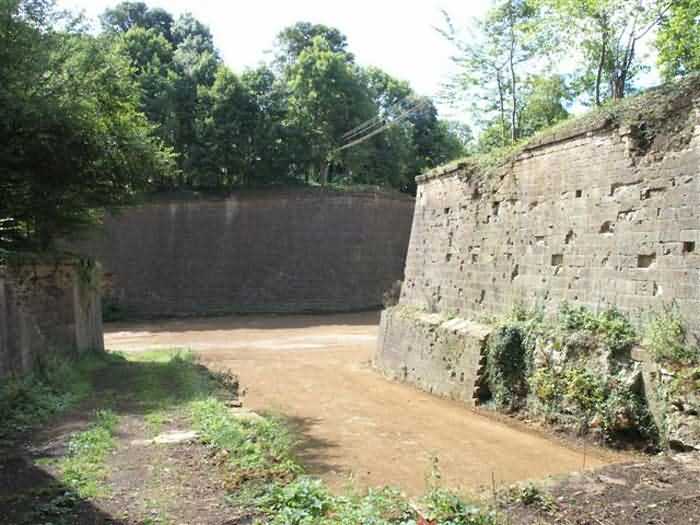
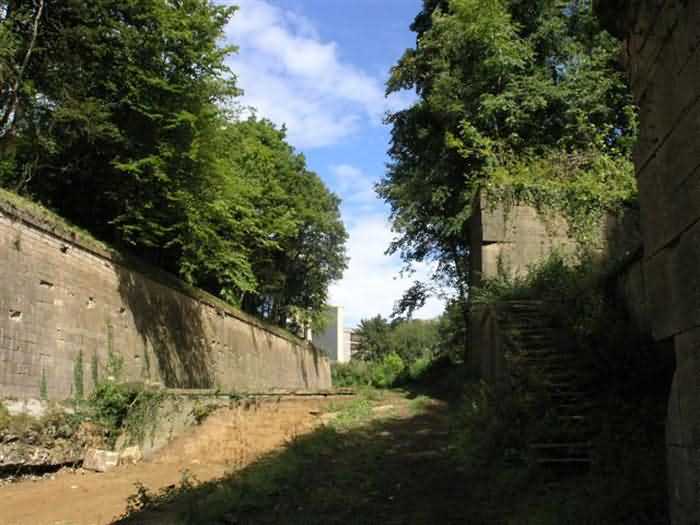
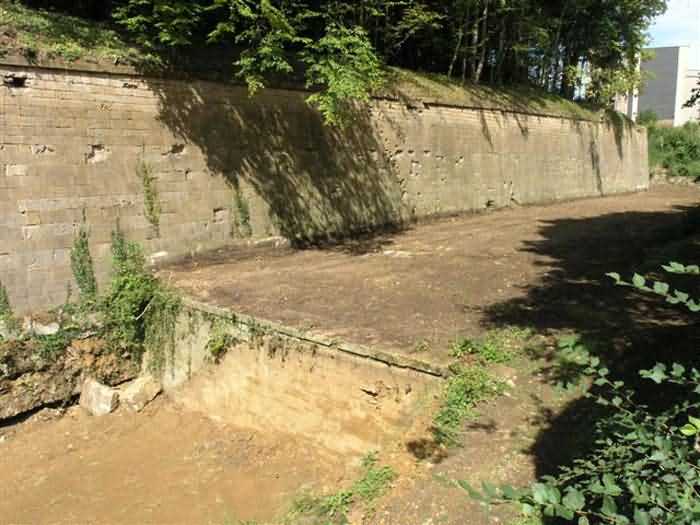
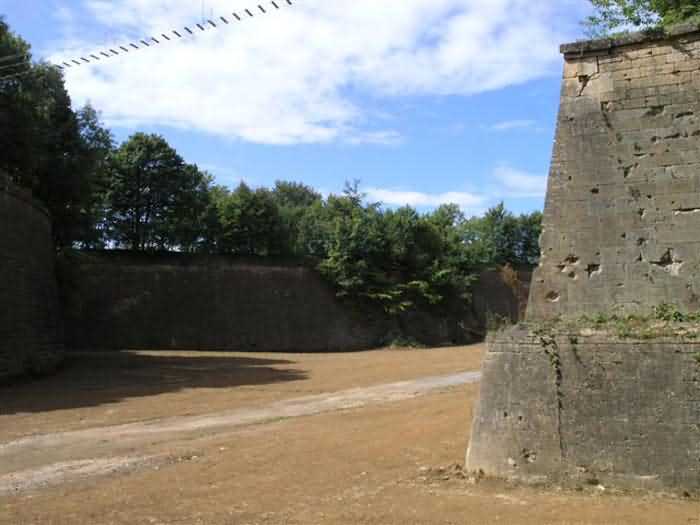
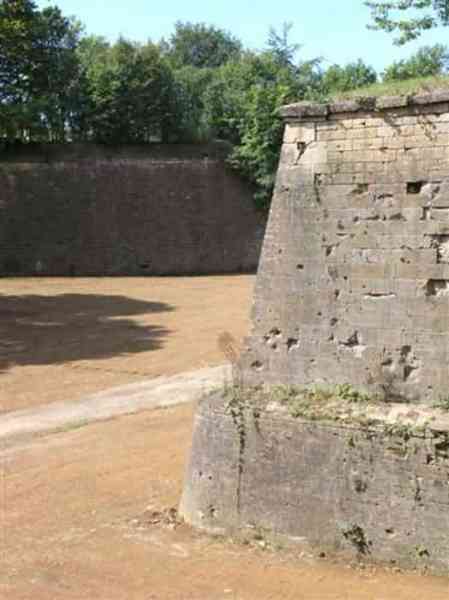
Nord du dépt 54 (Meurthe-et-Moselle), place de Longwy. La gorge de l’ancien ouvrage à cornes, aujourd’hui disparu, rappelait une forme de fortification propre au XVIIe siècle. Construit pour renforcer le front sud de la place et protéger l’accès au plateau, l’ouvrage à cornes avait pour mission de créer une zone avancée de résistance, avec deux demi-bastions reliés par une courtine et ouverts à l’arrière. Sa gorge, tournée vers la ville, permettait d’assurer la communication avec l’enceinte principale. Déclassé au XIXe siècle, puis arasé avant la mise en œuvre du système Séré de Rivières, il ne subsiste que dans les plans et la toponymie militaire. La gorge illustre néanmoins la transition entre les conceptions bastionnées classiques et les fortifications modernisées d’après 1874.
Norden des Départements 54 (Meurthe-et-Moselle), Festung Longwy. Die Kehlseite des ehemaligen Hornwerks, das heute verschwunden ist, erinnerte an eine für das 17. Jahrhundert typische Befestigungsform. Errichtet zur Verstärkung der Südfront der Festung und zum Schutz des Zugangs zum Plateau, sollte das Hornwerk mit zwei Halbbastionen und einer verbindenden Kurtine einen vorgeschobenen Verteidigungsbereich schaffen. Seine Kehle, zur Stadt hin orientiert, gewährleistete die Verbindung mit der Hauptumwallung. Im 19. Jahrhundert aufgegeben und vor der Einführung des Séré-de-Rivières-Systems abgetragen, ist es nur noch in Plänen und militärischer Toponymie erhalten. Die Kehle verdeutlicht dennoch den Übergang von klassischen Bastionärbefestigungen zu den modernisierten Werken nach 1874.
Noorden van departement 54 (Meurthe-et-Moselle), vesting Longwy. De keel van het voormalige hoornwerk, dat vandaag verdwenen is, herinnerde aan een versterkingstypologie uit de 17e eeuw. Het werd gebouwd om het zuidfront van de vesting te versterken en de toegang tot het plateau te beveiligen. Het hoornwerk bestond uit twee halfbastions, verbonden door een courtine, met een open achterkant. De keel, naar de stad gericht, maakte communicatie met de hoofdwal mogelijk. In de 19e eeuw werd het werk opgeheven en gesloopt, nog vóór de toepassing van het Séré de Rivières-systeem. Enkel plannen en militaire toponymie getuigen er nog van. Toch illustreert de keel de overgang van klassieke bastiongordels naar de gemoderniseerde werken na 1874.
North of department 54 (Meurthe-et-Moselle), fortress of Longwy. The gorge of the former hornwork, now vanished, recalled a fortification form typical of the 17th century. Built to reinforce the southern front of the fortress and protect access to the plateau, the hornwork consisted of two demi-bastions joined by a curtain and open at the rear. Its gorge, facing the town, ensured communication with the main enceinte. Decommissioned in the 19th century and leveled before the implementation of the Séré de Rivières system, it survives only in plans and military toponymy. The gorge nevertheless illustrates the transition between classical bastioned layouts and the modernized fortifications developed after 1874.
Sever departementu 54 (Meurthe-et-Moselle), pevnost Longwy. Hrdlo zaniklého rohového díla, dnes již neexistujícího, připomínalo typ opevnění typický pro 17. století. Bylo vybudováno k posílení jižní fronty pevnosti a k ochraně přístupu na náhorní plošinu. Rohové dílo tvořily dva polobastiony spojené kurtinou, otevřené v týlu. Jeho hrdlo, orientované k městu, zajišťovalo spojení s hlavní hradbou. V 19. století bylo dílo zrušeno a před zavedením systému Séré de Rivières zcela srovnáno se zemí. Dochovalo se jen v plánech a vojenské toponymii. Přesto hrdlo dokládá přechod od klasických bastionových koncepcí k modernizovaným opevněním po roce 1874.
La demi-lune de la gorge du défunt ouvrage à cornes (ou fort de Bitche) à hauteur de la courtine II-III ▼
