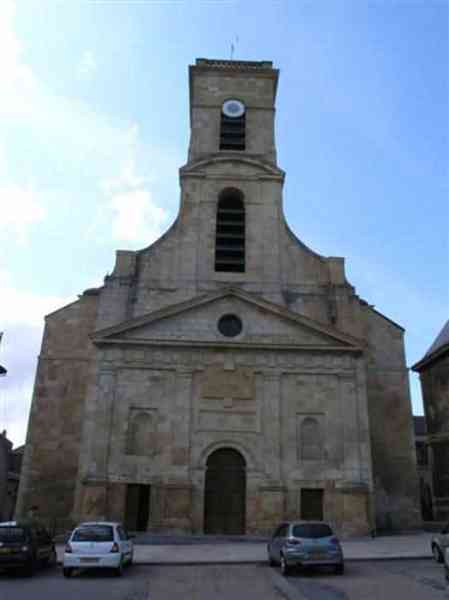
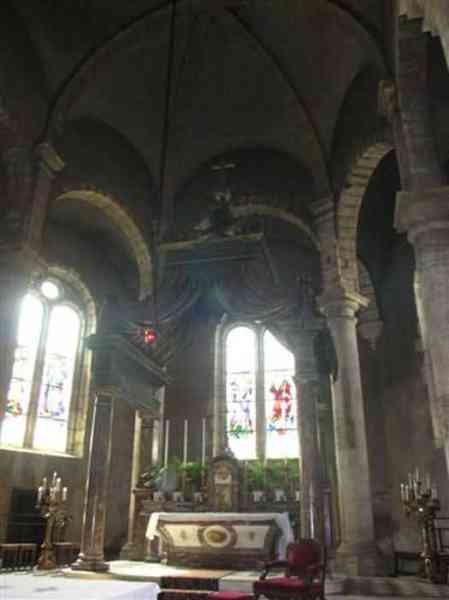

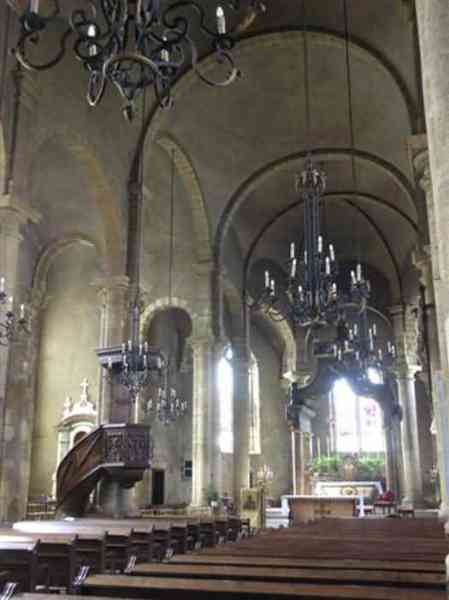
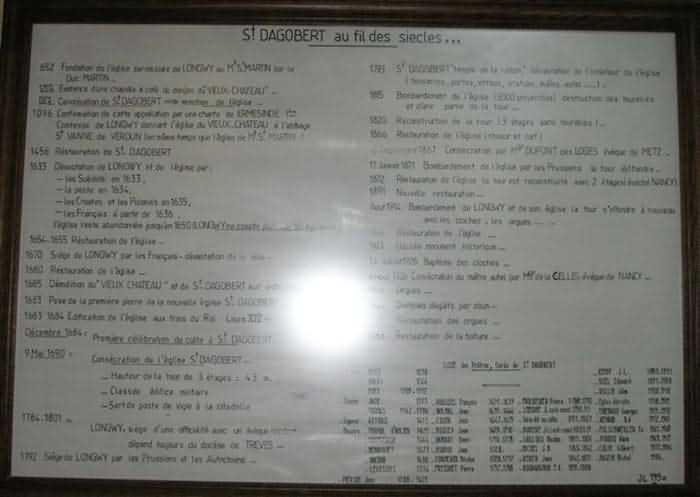
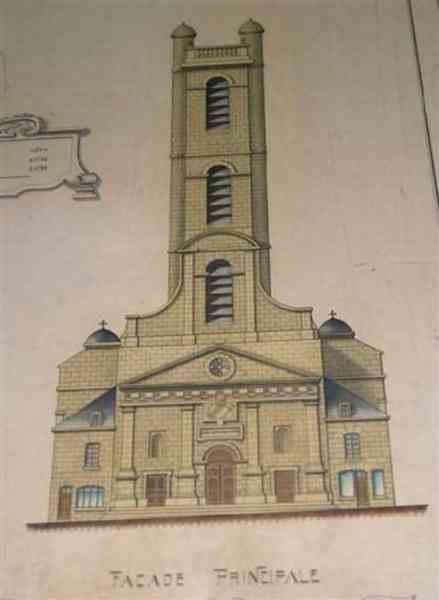

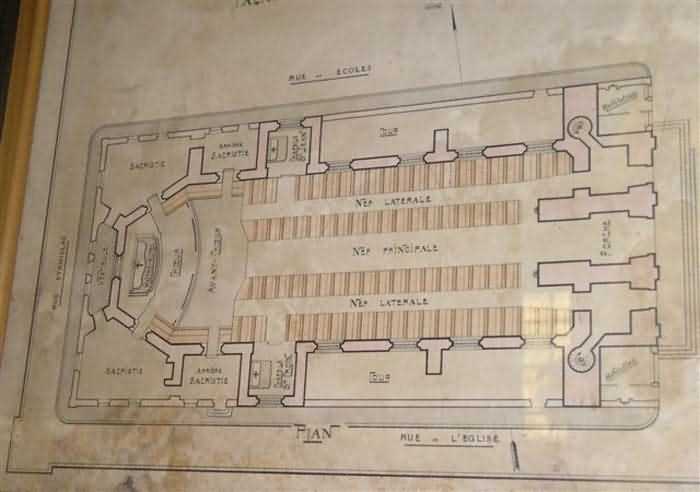
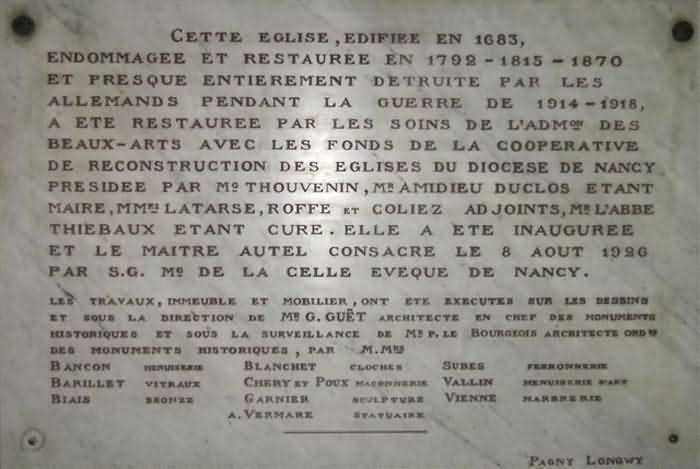

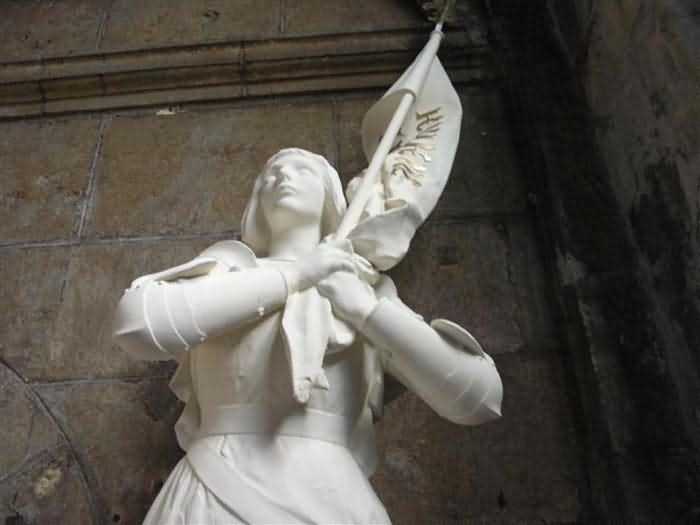


Nord du dépt 54 (Meurthe-et-Moselle), place de Longwy. L’église Saint-Dagobert, intégrée au tissu urbain et défensif de la place, jouait un rôle à la fois religieux et stratégique. Sa position dans la haute ville permettait de surveiller les abords et de servir de point de repère pour l’orientation des troupes. Construite dans le prolongement des bastions vaubaniens, elle participait indirectement à la protection du centre urbain grâce à sa solidité et à sa visibilité. Bien qu’elle ne fît pas partie du système actif de défense après 1871 et la mise en place des forts détachés du système Séré de Rivières, son rôle de signalisation et d’appui moral pour la garnison reste notable, et elle constitue aujourd’hui un témoignage de l’intégration entre architecture civile et bastionnée.
Norden des Départements 54 (Meurthe-et-Moselle), Festung Longwy. Die Kirche Saint-Dagobert, in das städtische und verteidigungstechnische Gefüge der Festung eingebunden, hatte sowohl religiöse als auch strategische Bedeutung. Ihre Lage in der Oberstadt erlaubte die Überwachung der Umgebung und diente als Orientierungspunkt für Truppen. Errichtet im Anschluss an die Vaubanschen Bastionen trug sie indirekt zum Schutz des Stadtzentrums bei, dank ihrer Solidität und Sichtbarkeit. Obwohl sie nach 1871 und der Errichtung der detachierten Werke des Séré-de-Rivières-Systems nicht mehr zur aktiven Verteidigung gehörte, behielt sie eine Rolle als Signal- und Moralstütze für die Garnison und ist heute ein Zeugnis der Verbindung von ziviler und bastionierter Architektur.
Noorden van departement 54 (Meurthe-et-Moselle), vesting Longwy. De kerk Saint-Dagobert, ingebouwd in het stedelijke en verdedigingspatroon van de vesting, had zowel religieuze als strategische functies. Door haar ligging in de bovenstad kon zij de omgeving controleren en diende zij als oriëntatiepunt voor de troepen. Gebouwd in aansluiting op de Vauban-bastions, droeg zij indirect bij aan de bescherming van het stadscentrum dankzij haar stevigheid en zichtbaarheid. Hoewel ze na 1871 en de aanleg van de buitenforten van het Séré de Rivières-systeem geen onderdeel meer vormde van de actieve verdediging, bleef zij een signaal- en moreel steunpunt voor de garnizoenstroepen en vormt zij vandaag een getuigenis van de integratie van civiele en bastionvestingsarchitectuur.
North of department 54 (Meurthe-et-Moselle), fortress of Longwy. The Saint-Dagobert Church, integrated into the urban and defensive fabric of the fortress, served both religious and strategic purposes. Its location in the upper town allowed oversight of the surroundings and functioned as a reference point for troop orientation. Built adjacent to Vauban’s bastions, it indirectly contributed to the protection of the urban center due to its solidity and visibility. Although it ceased to be part of the active defense after 1871 and the construction of detached forts of the Séré de Rivières system, it retained a role as a signaling and morale point for the garrison and today stands as a testimony to the integration of civil and bastioned architecture.
Sever departementu 54 (Meurthe-et-Moselle), pevnost Longwy. Kostel Saint-Dagobert, začleněný do městské a obranné struktury pevnosti, plnil jak náboženské, tak strategické funkce. Jeho poloha v horním městě umožňovala dohled nad okolím a sloužila jako orientační bod pro jednotky. Postaven v návaznosti na Vaubanovy bastiony přispíval nepřímo k ochraně městského centra díky své pevnosti a viditelnosti. Ačkoli po roce 1871 a výstavbě oddělených fortů systému Séré de Rivières již nebyl součástí aktivní obrany, zachoval si funkci signálního a morálního bodu pro posádku a dnes představuje svědectví o propojení civilní a bastionové architektury.
L'église Saint-Dagobert ▼
