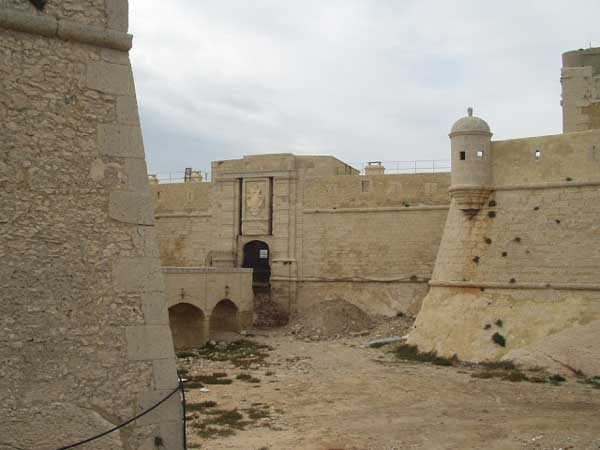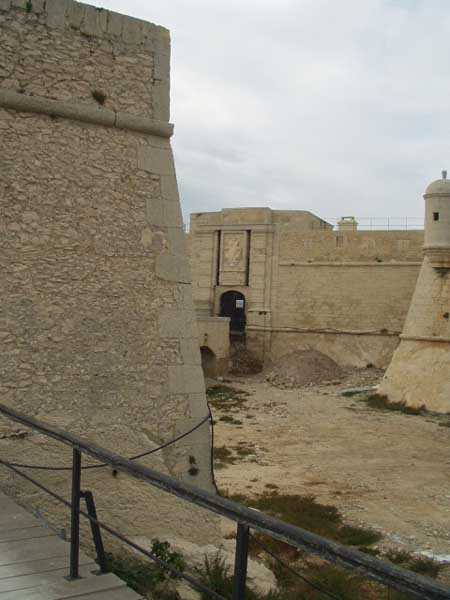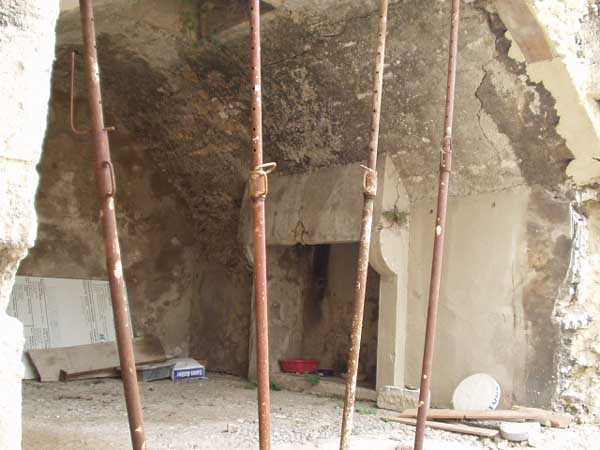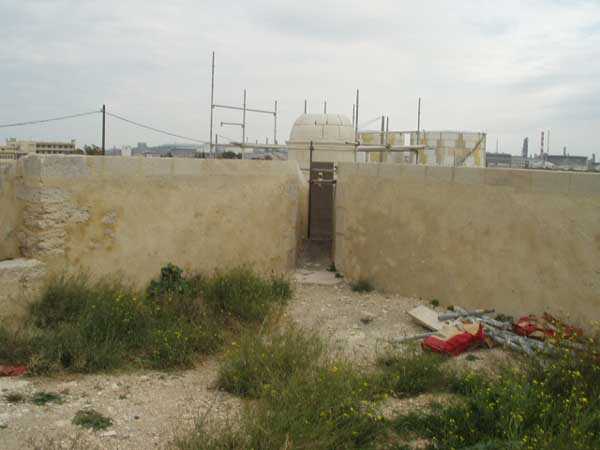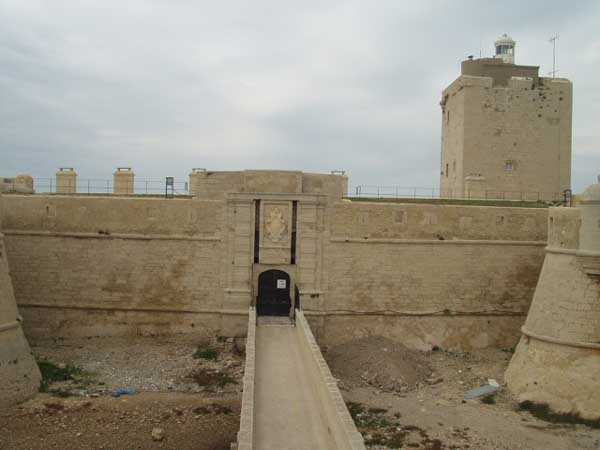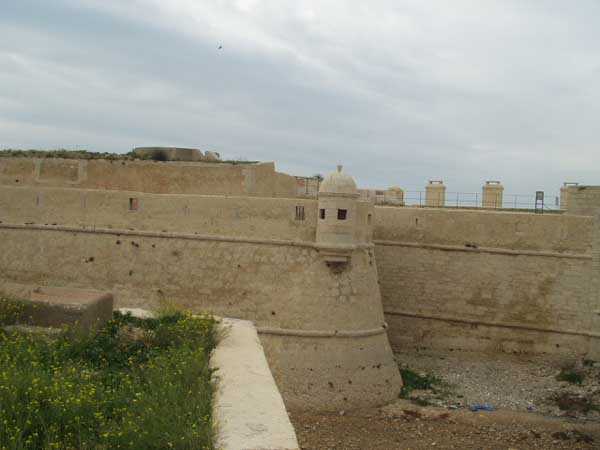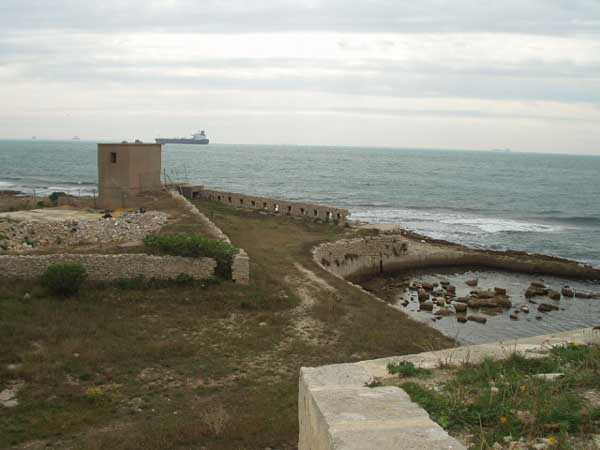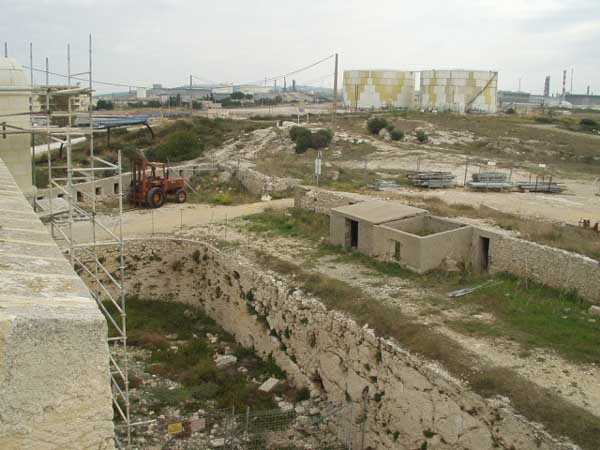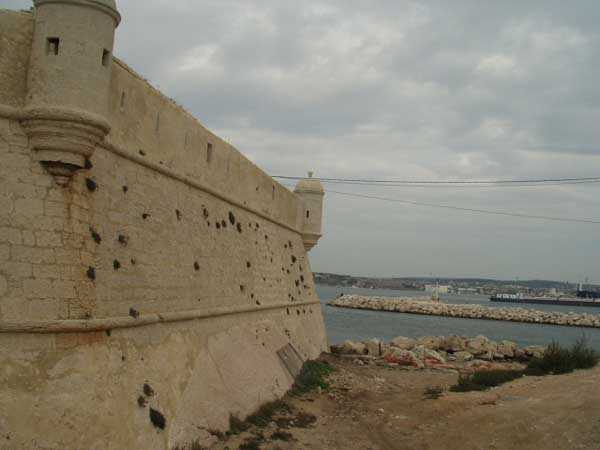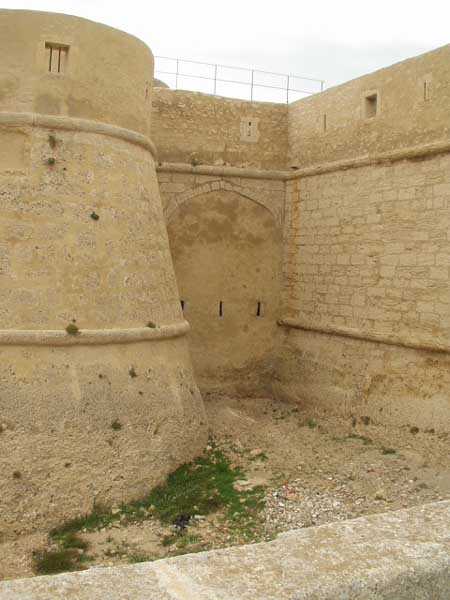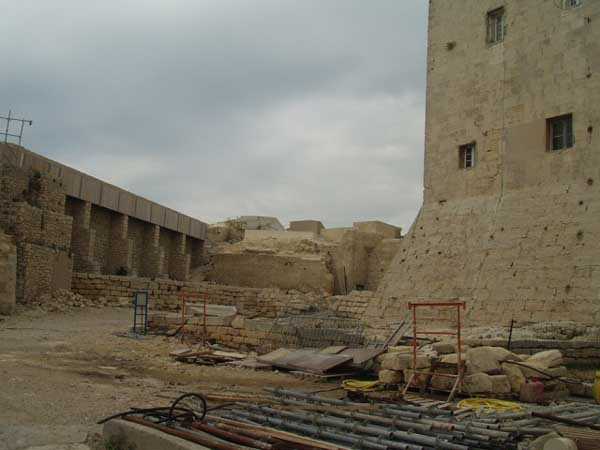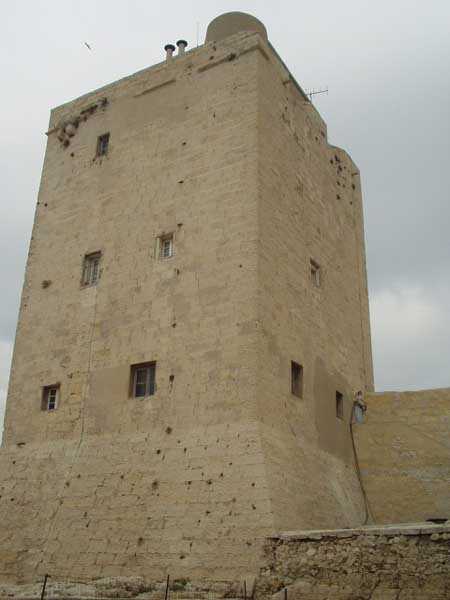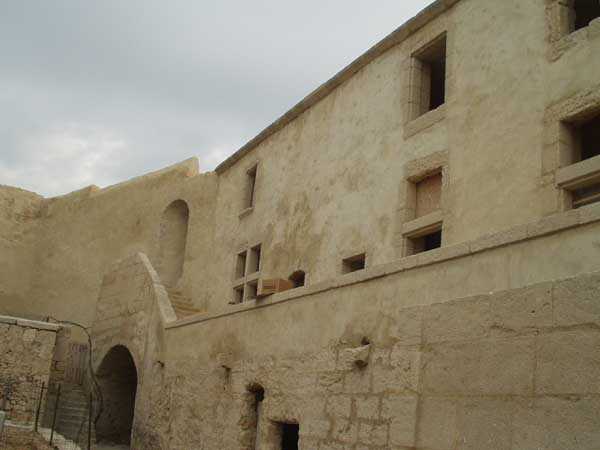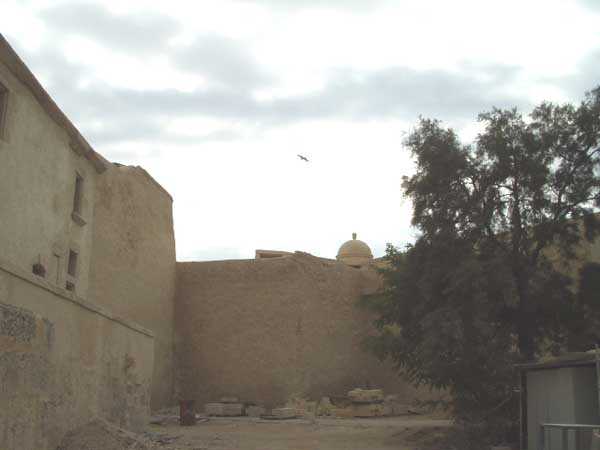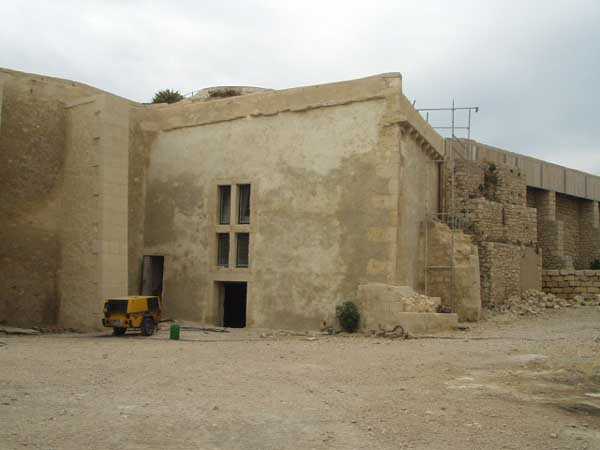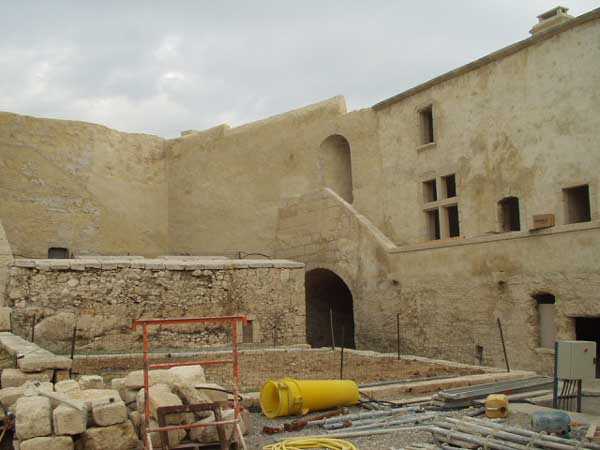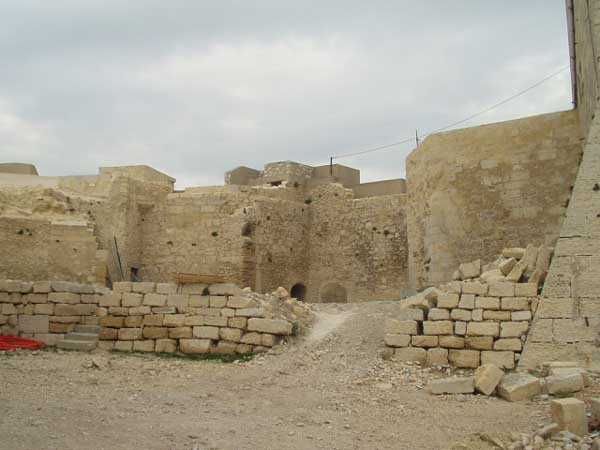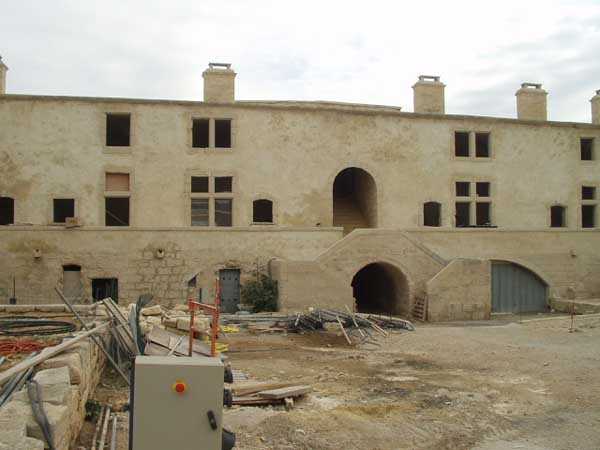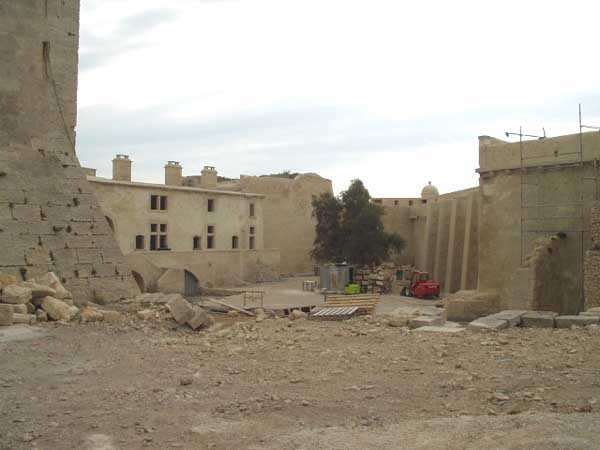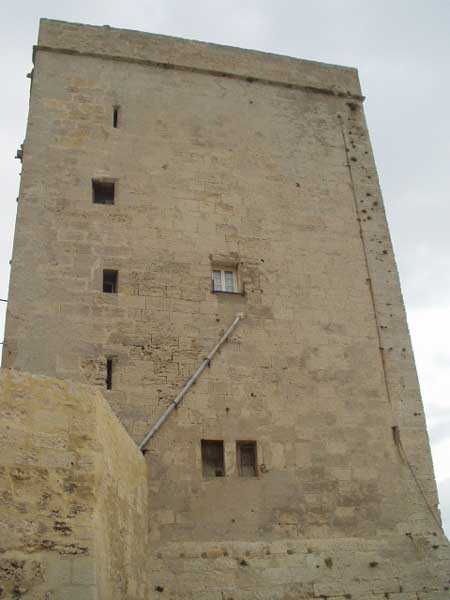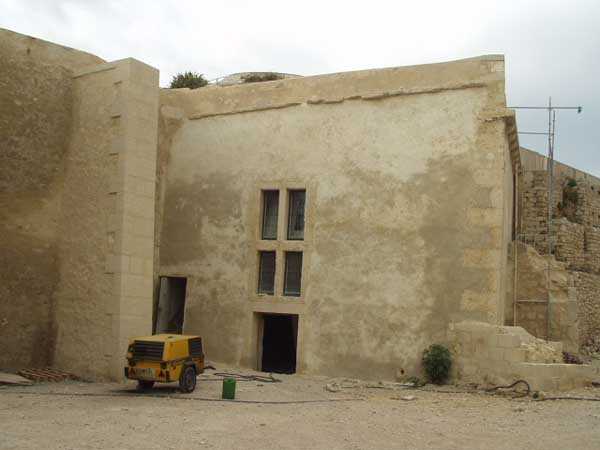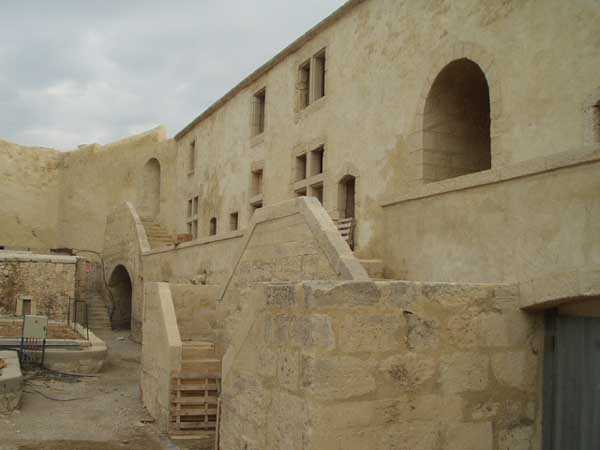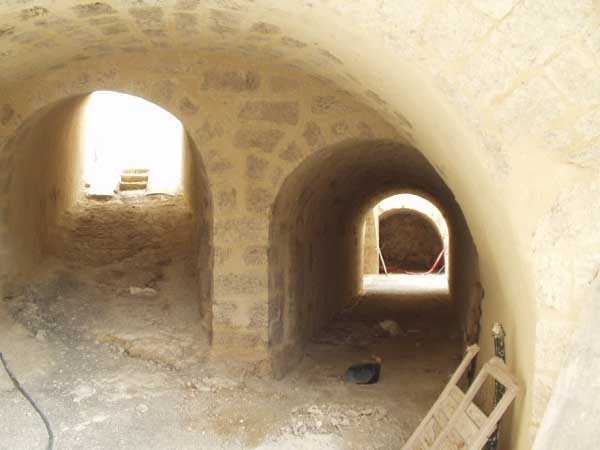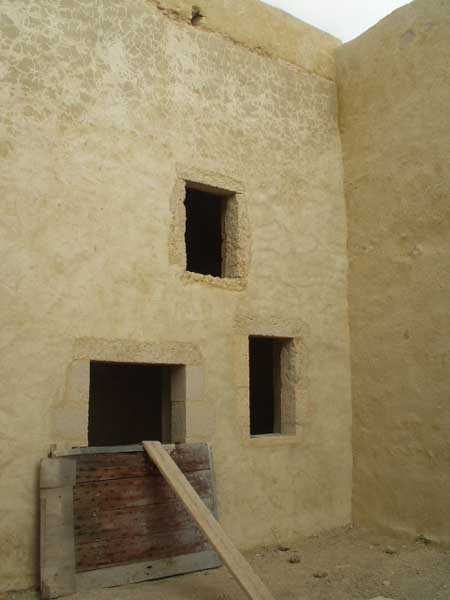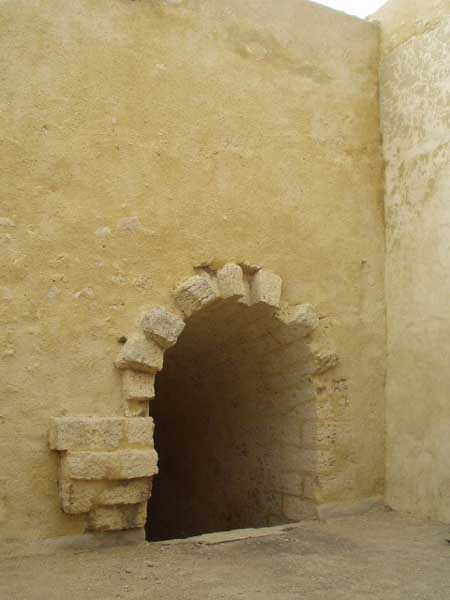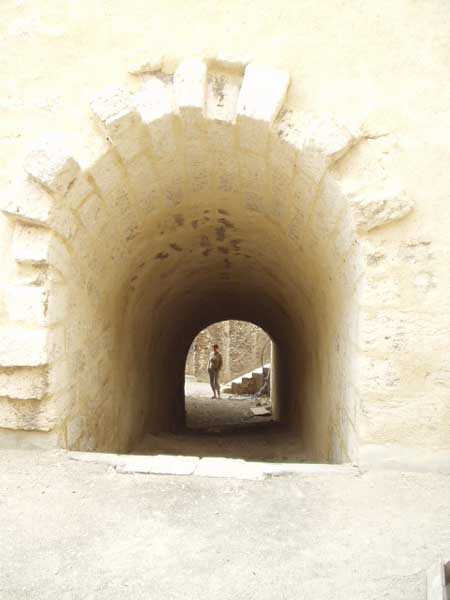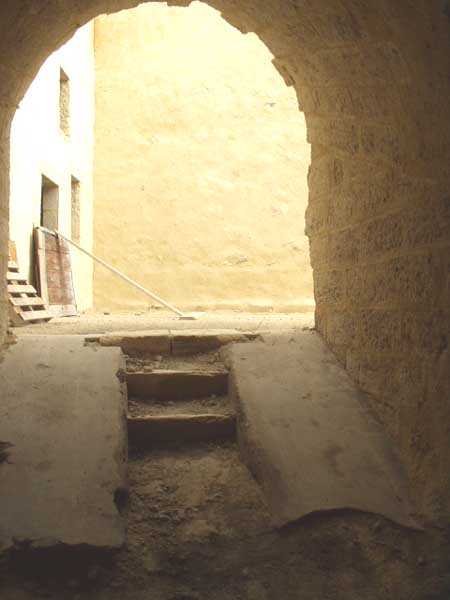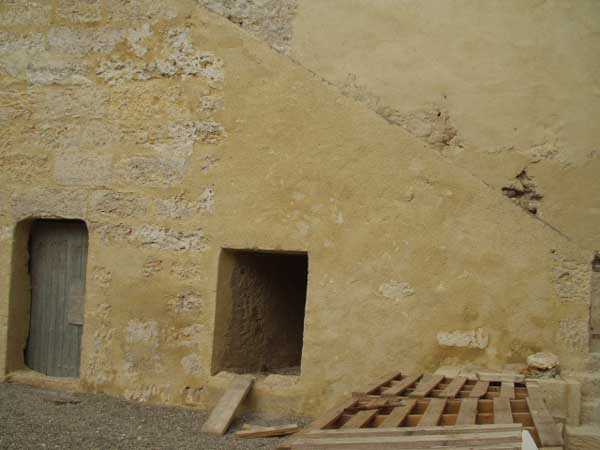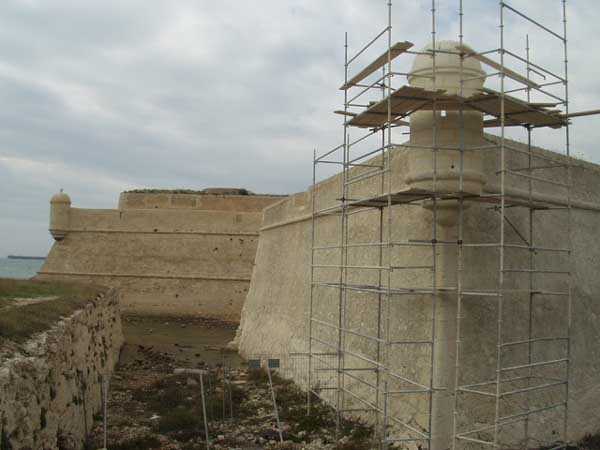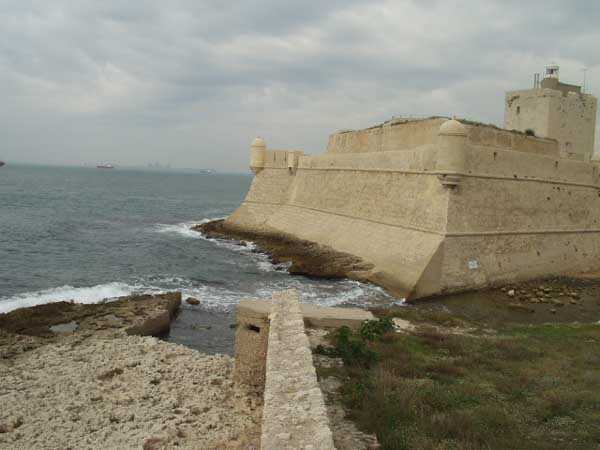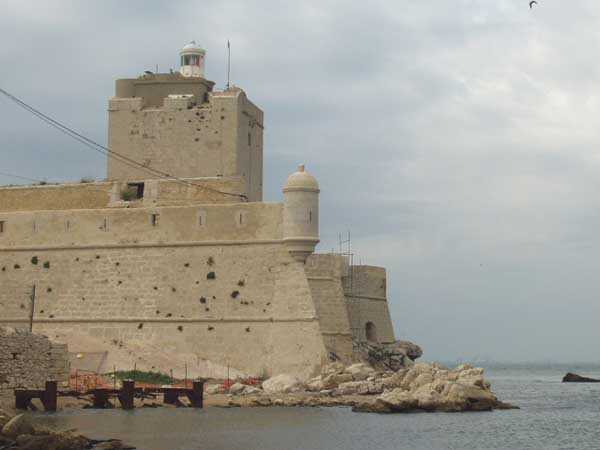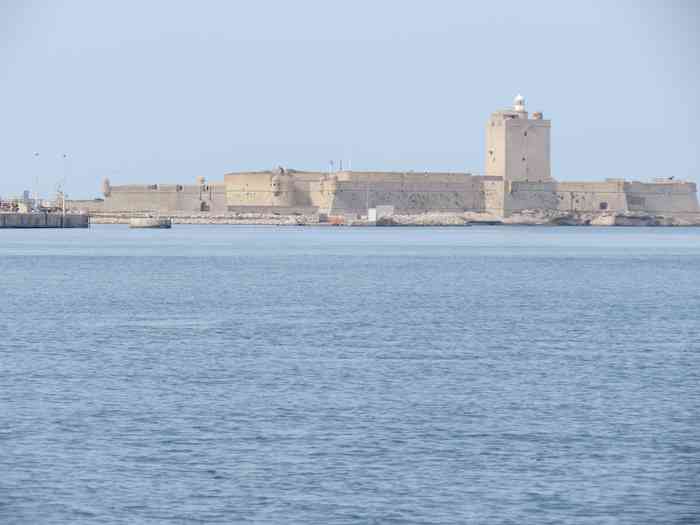
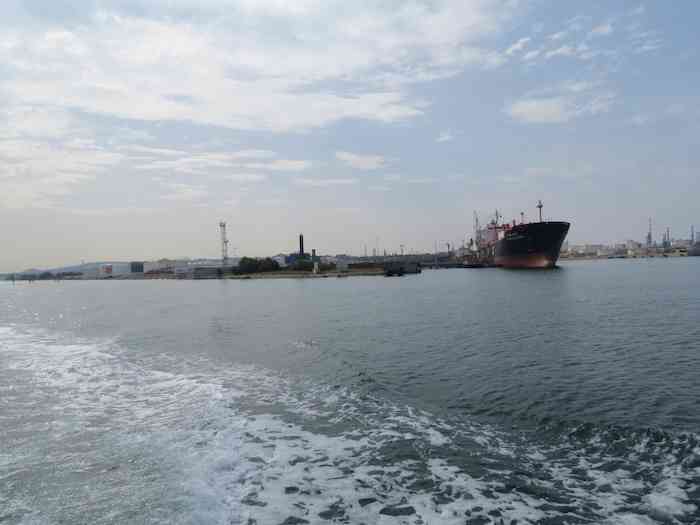
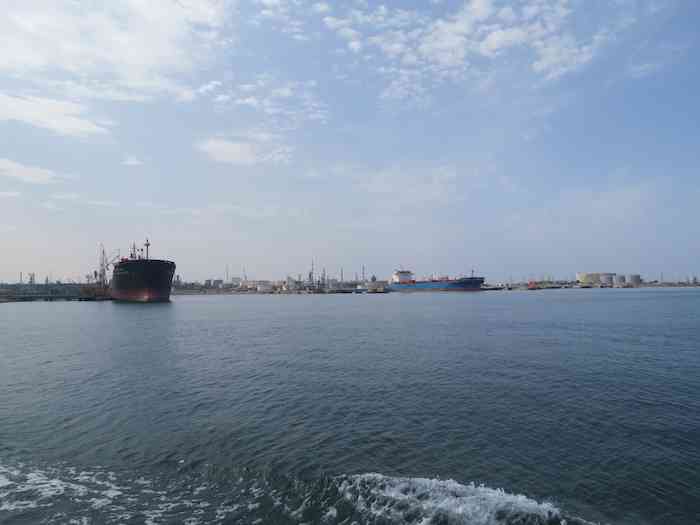
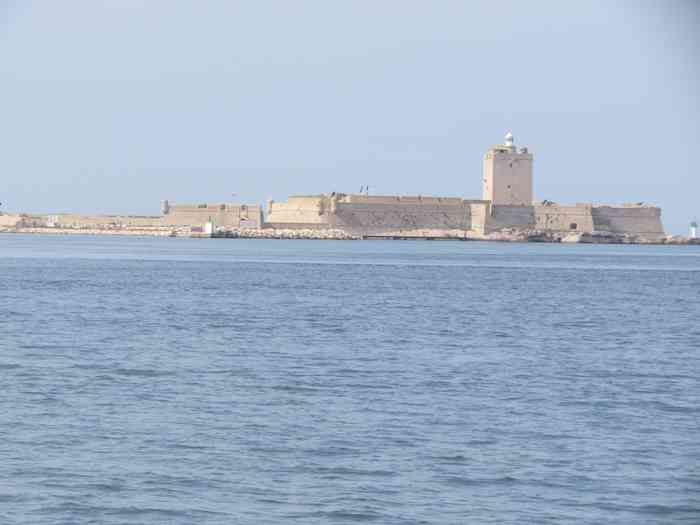
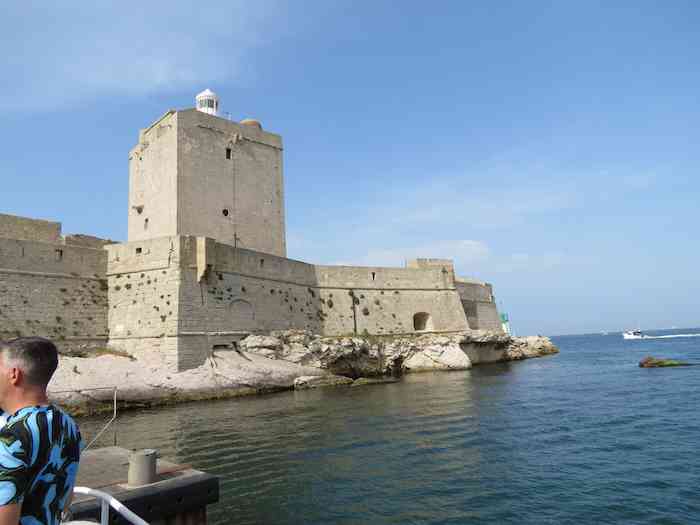
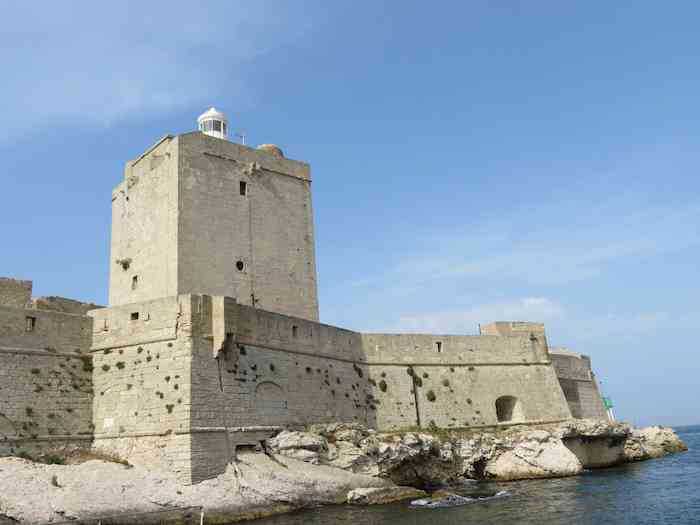
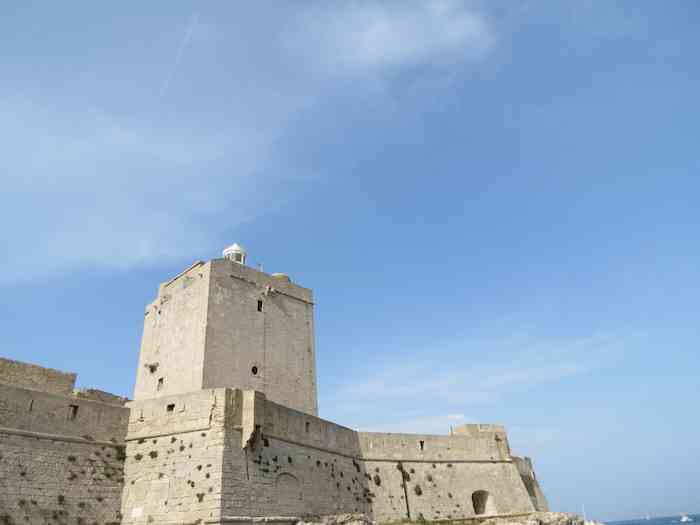
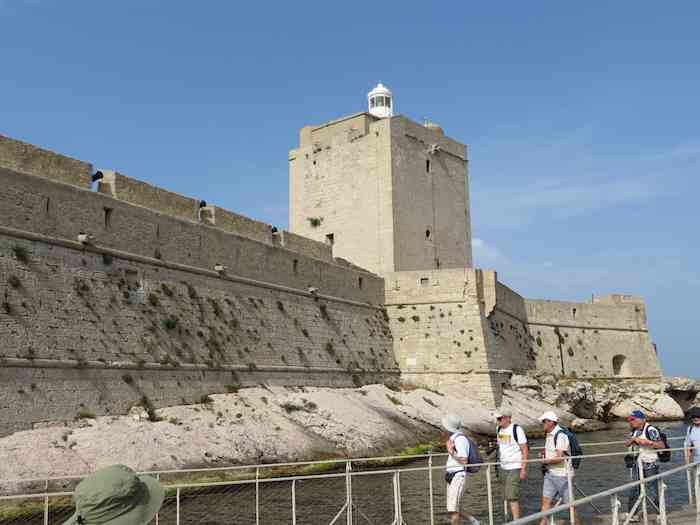
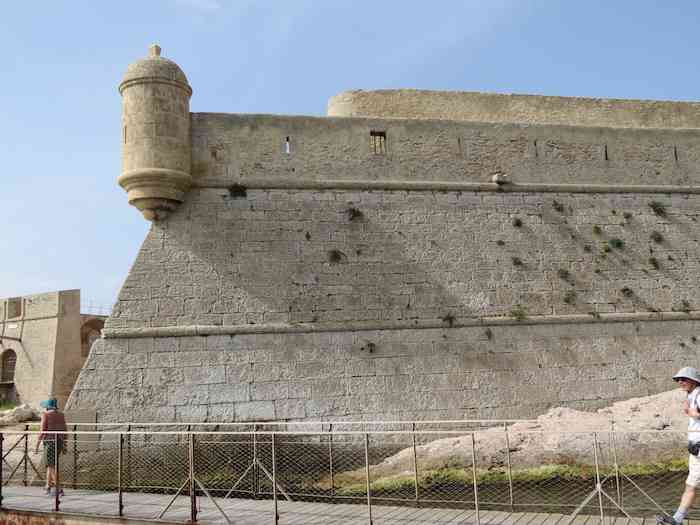
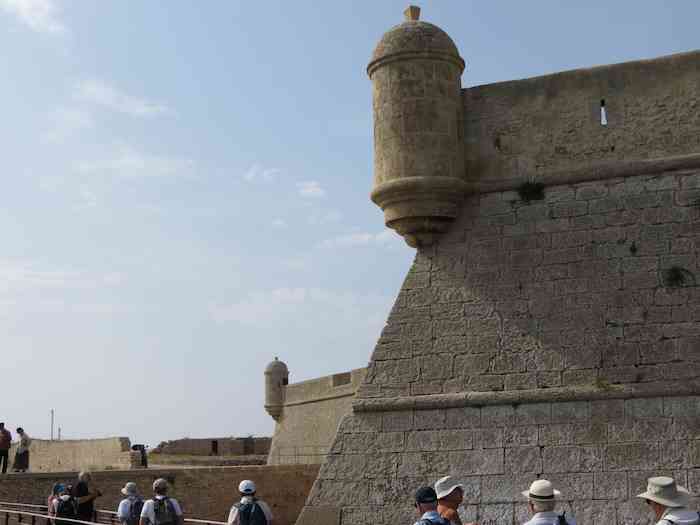
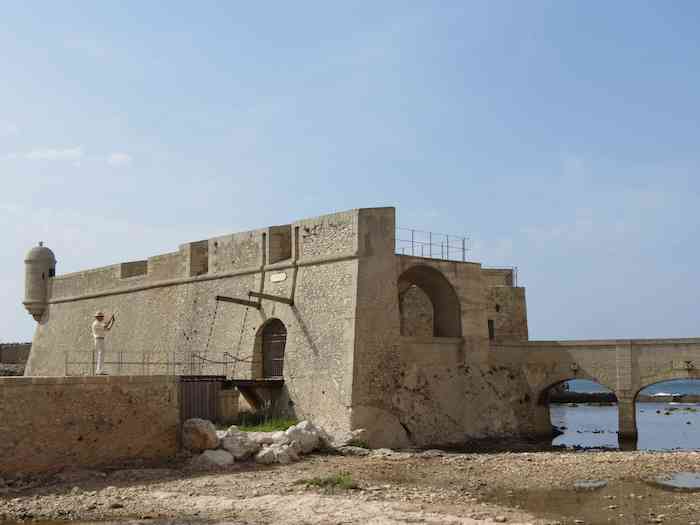
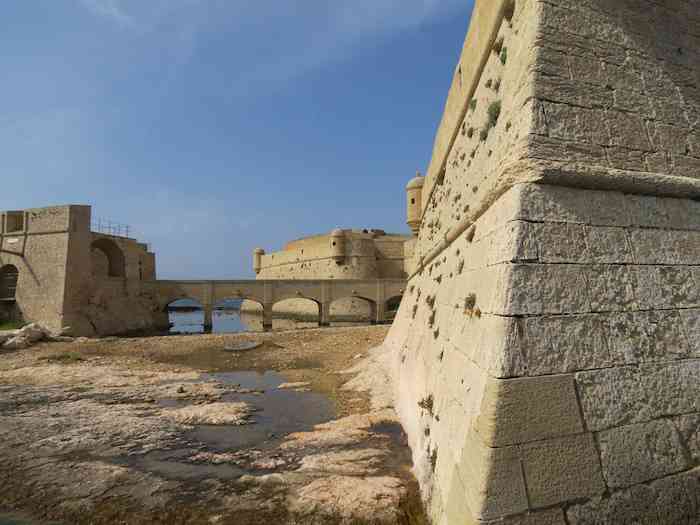
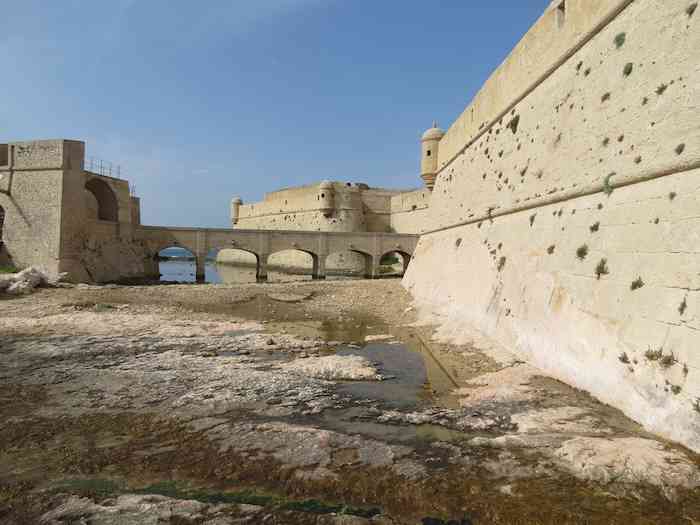
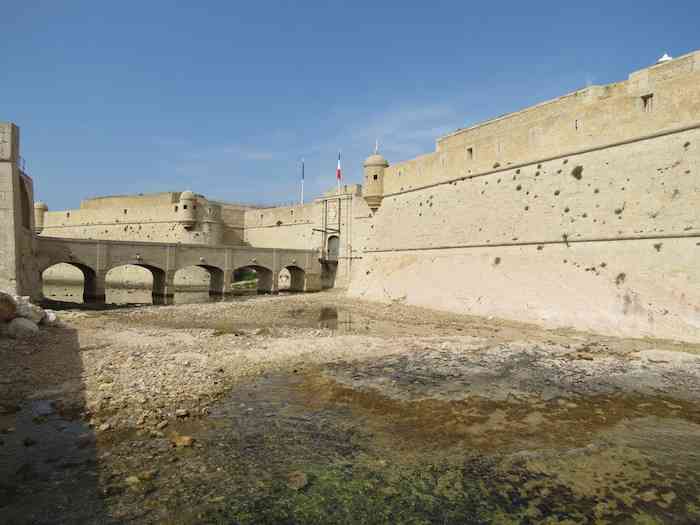
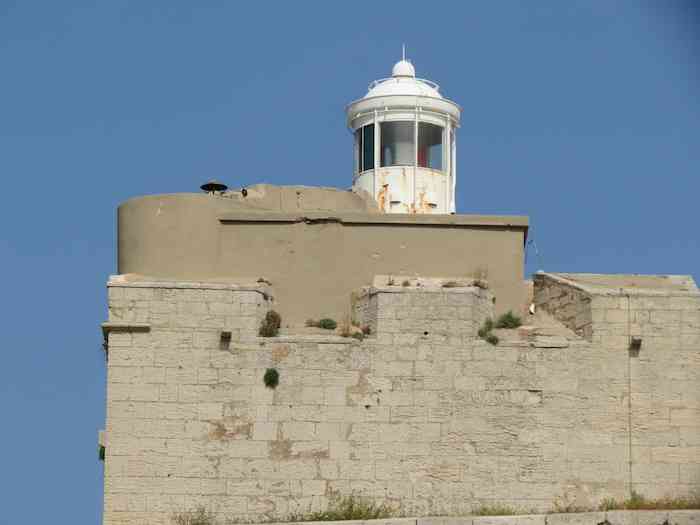
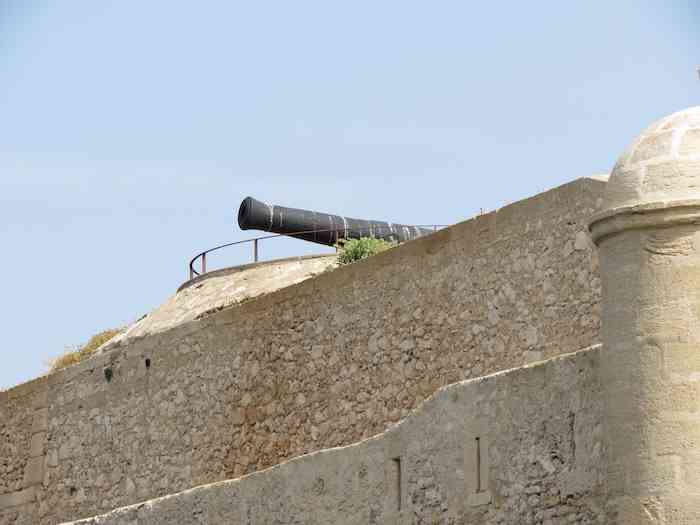
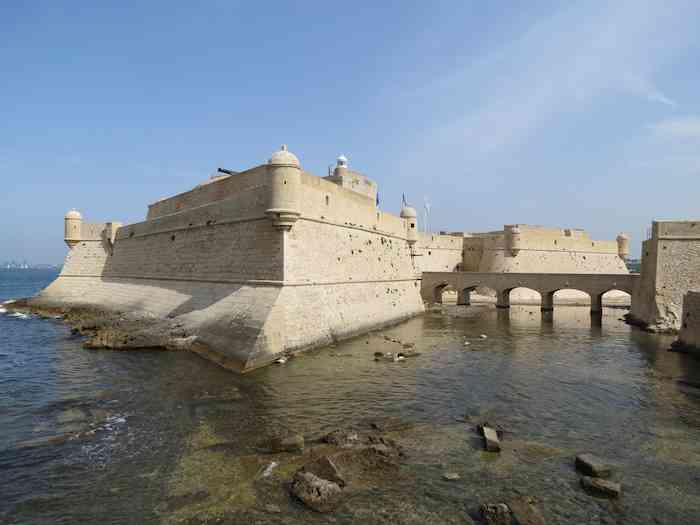
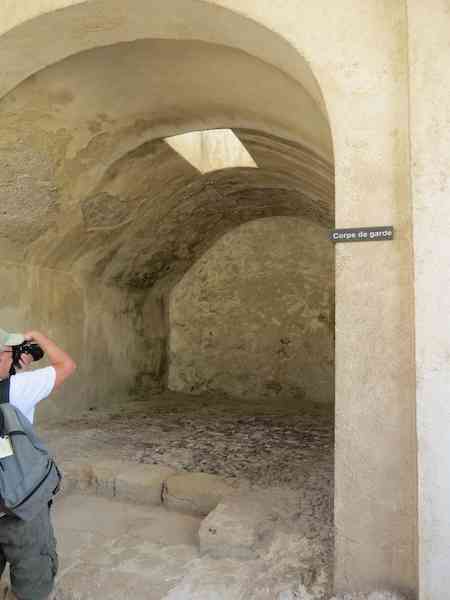
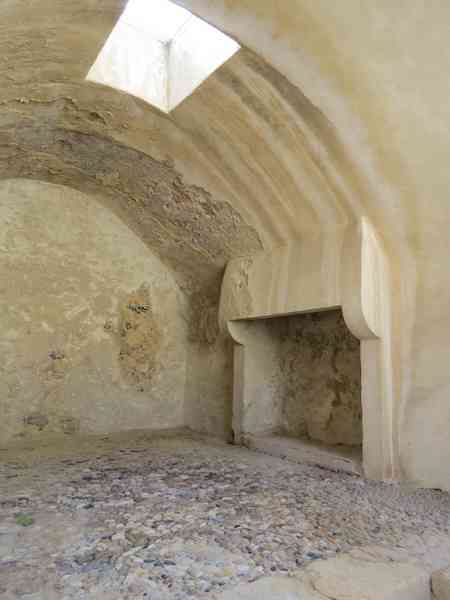
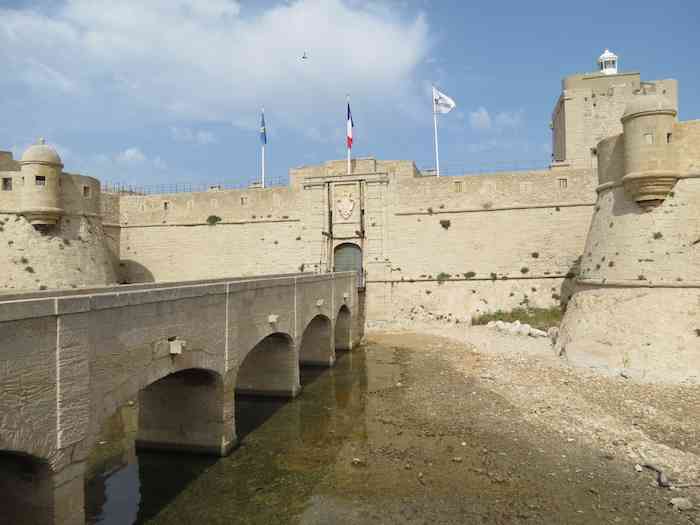
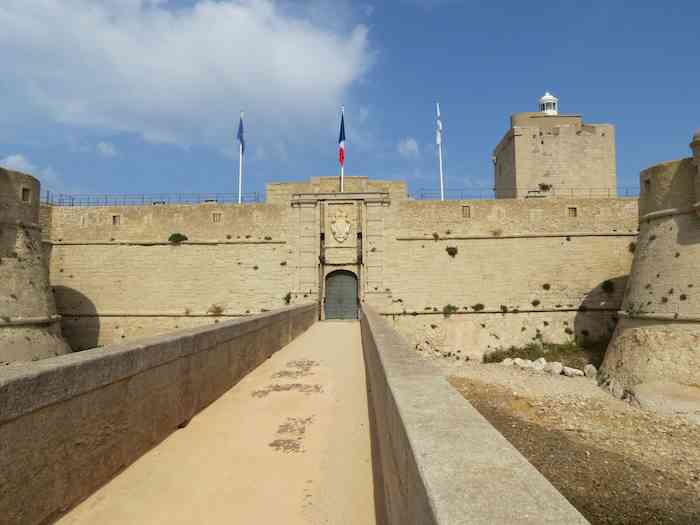
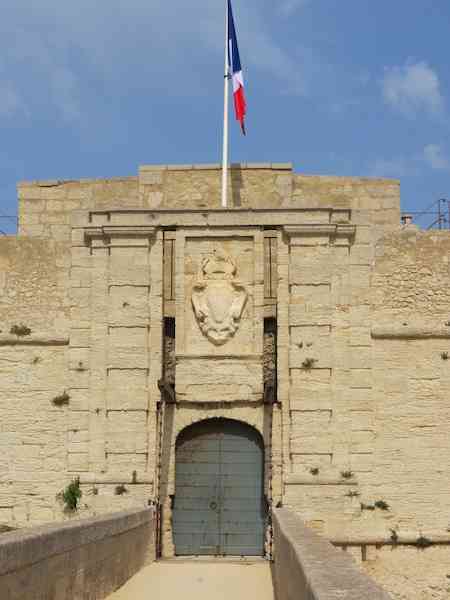
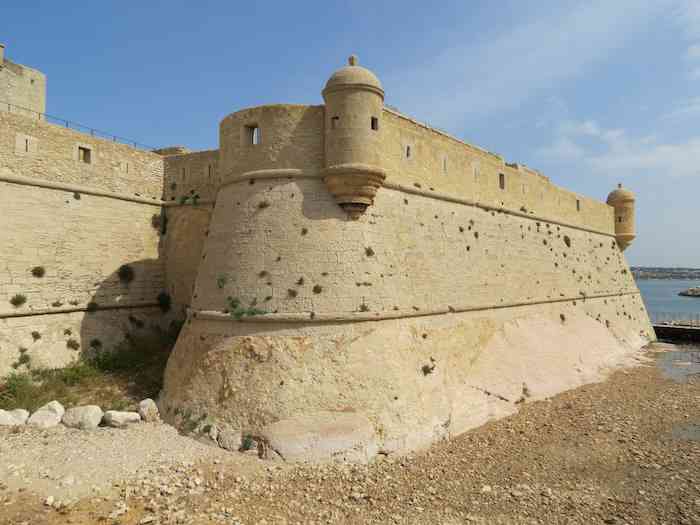
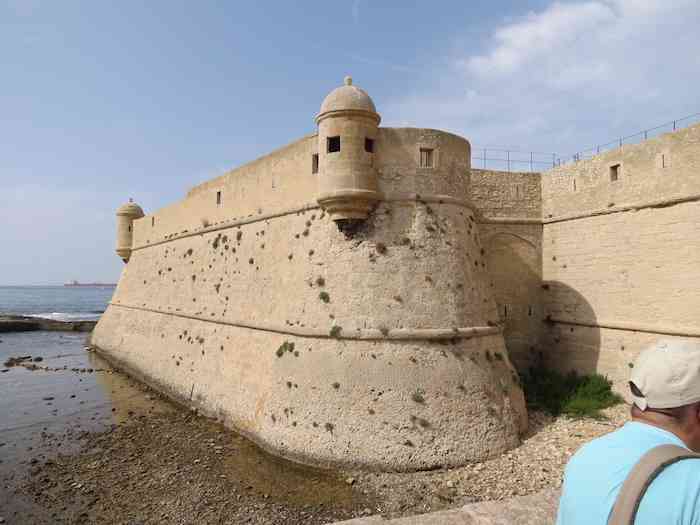
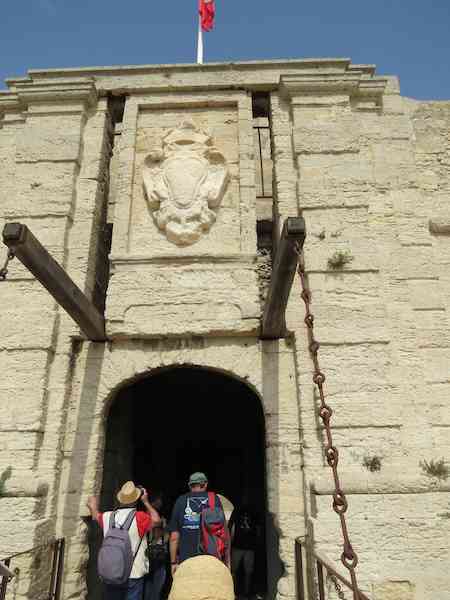
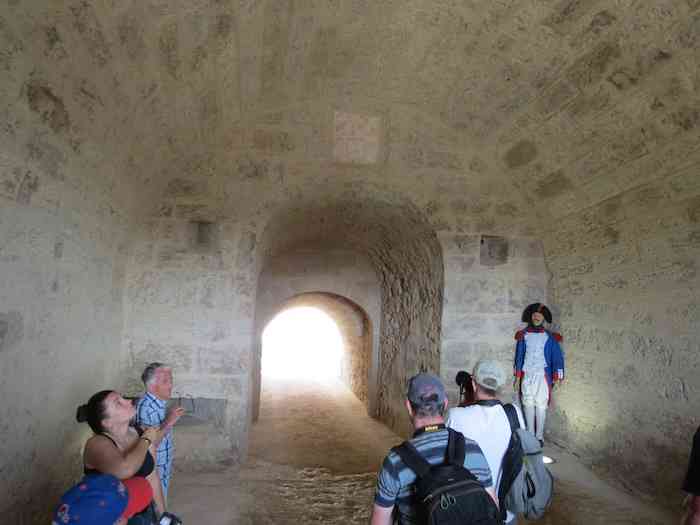
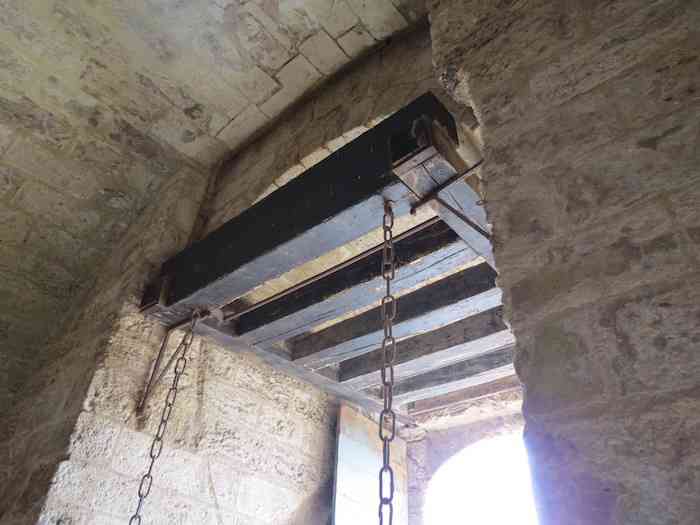
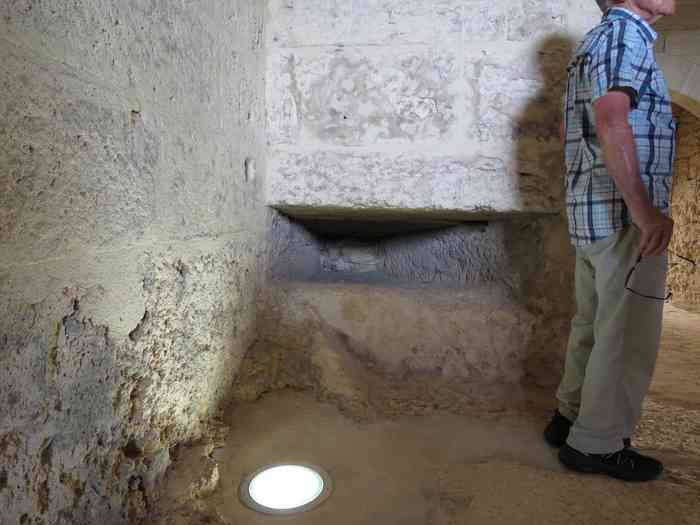
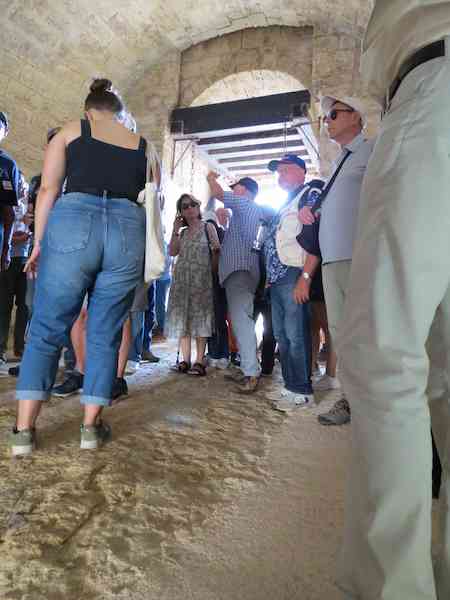
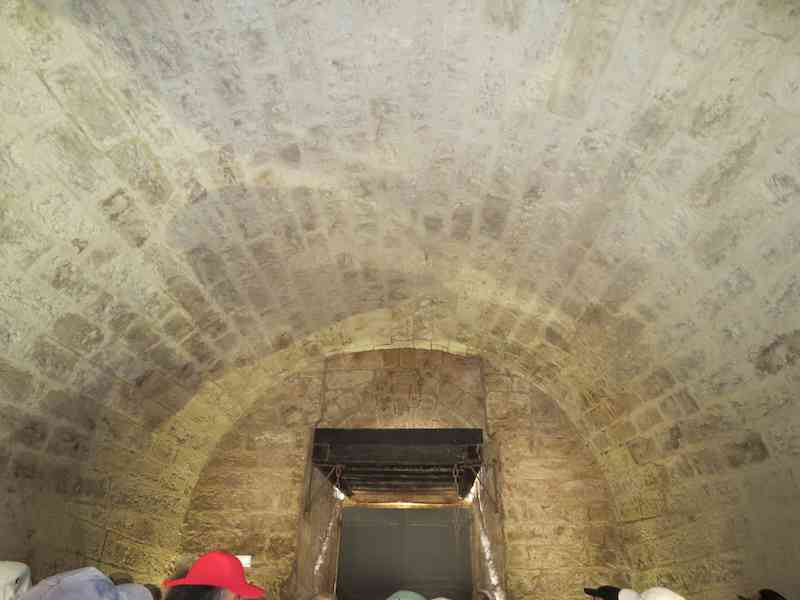
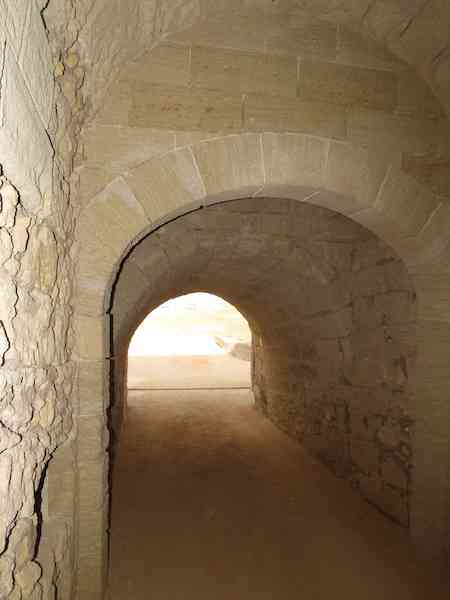
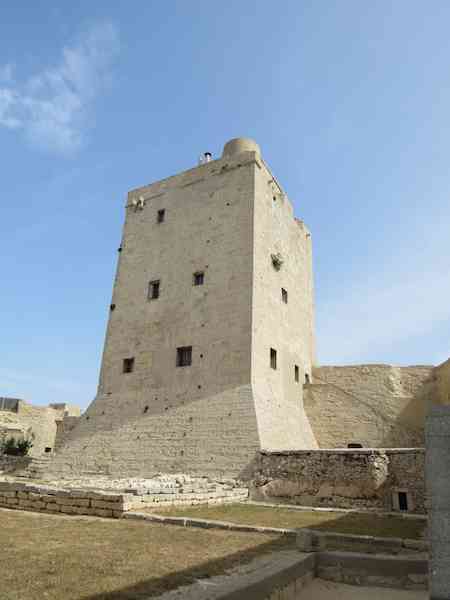
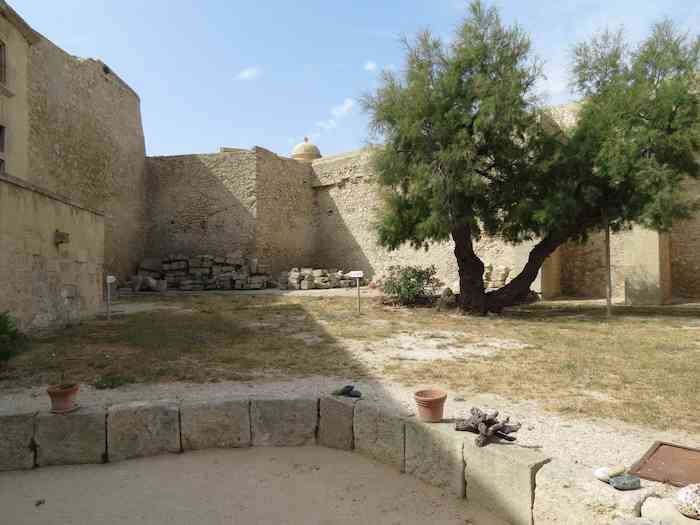
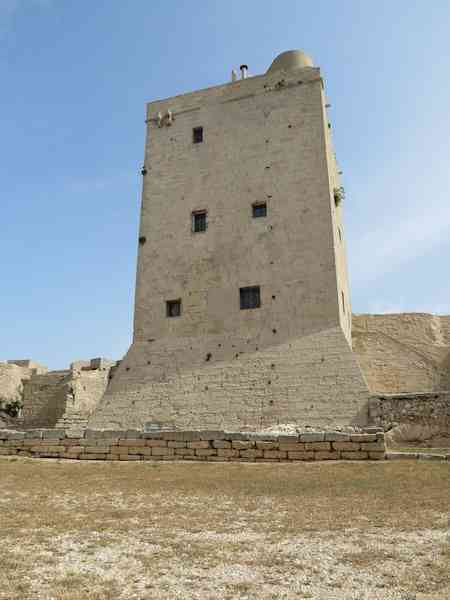
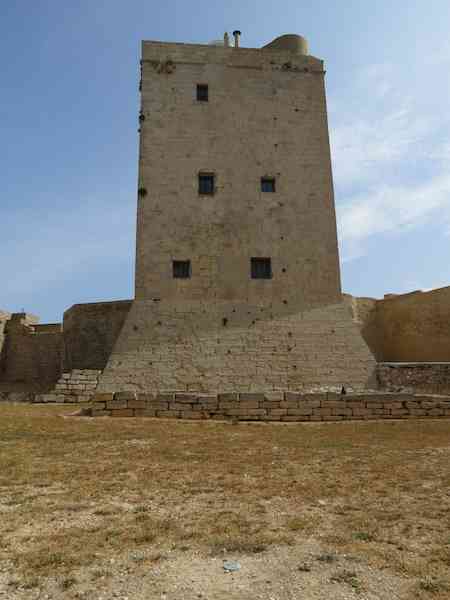
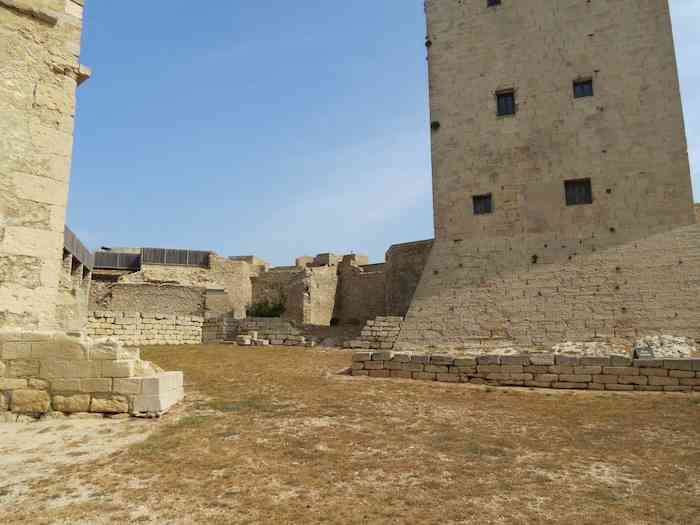
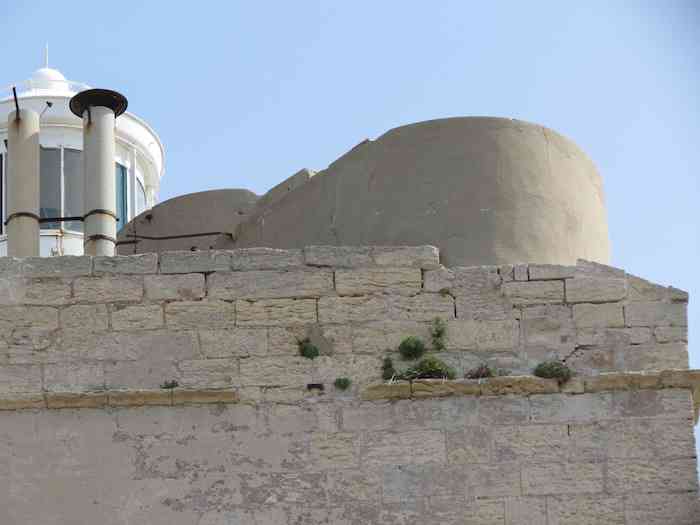
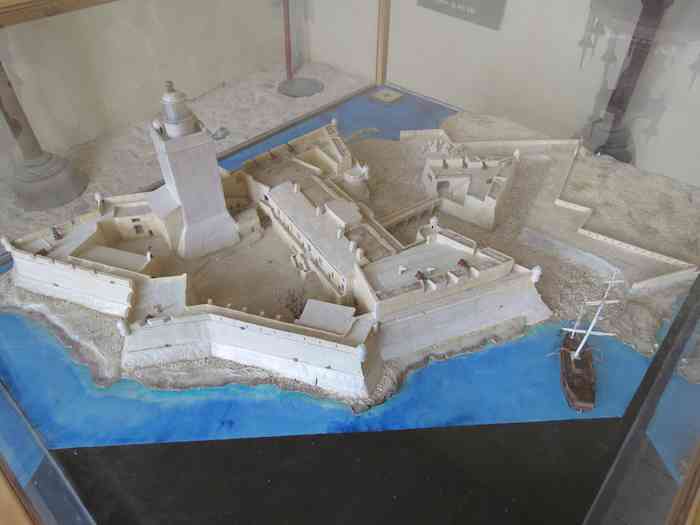
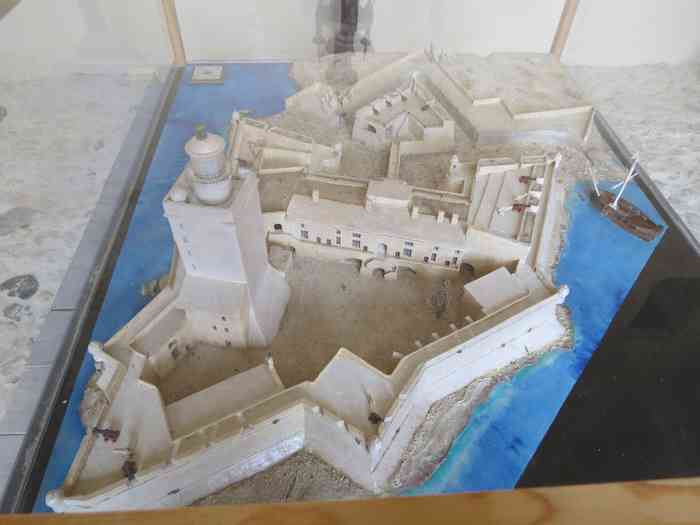
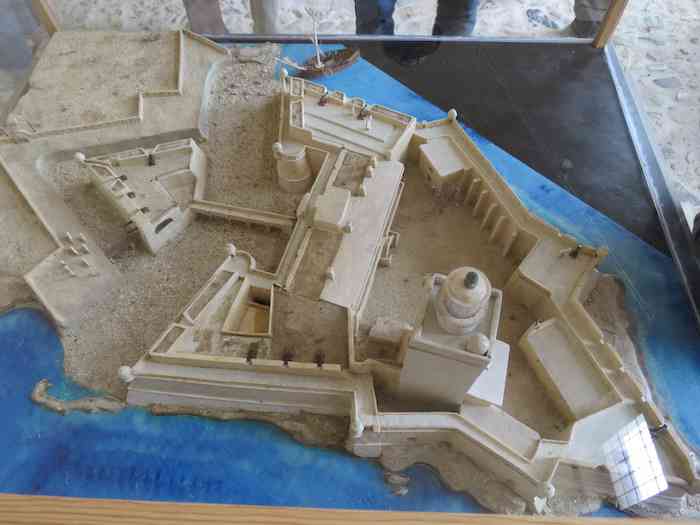
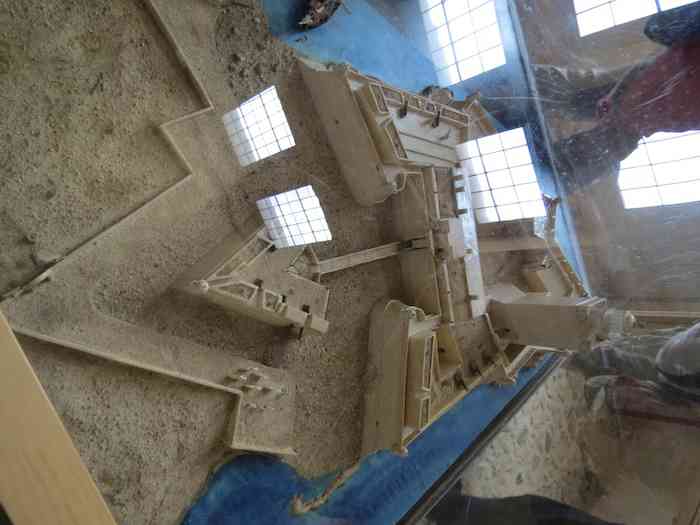
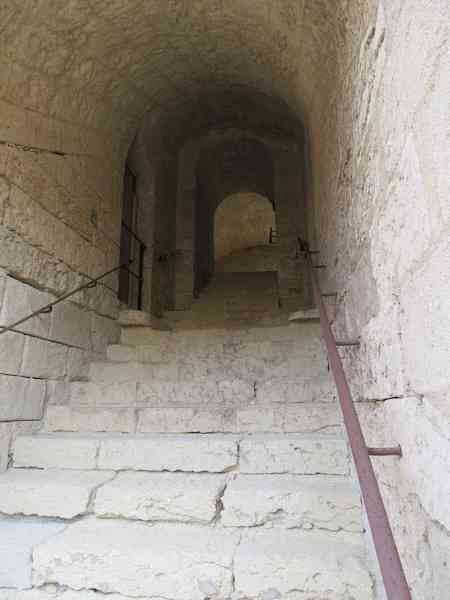
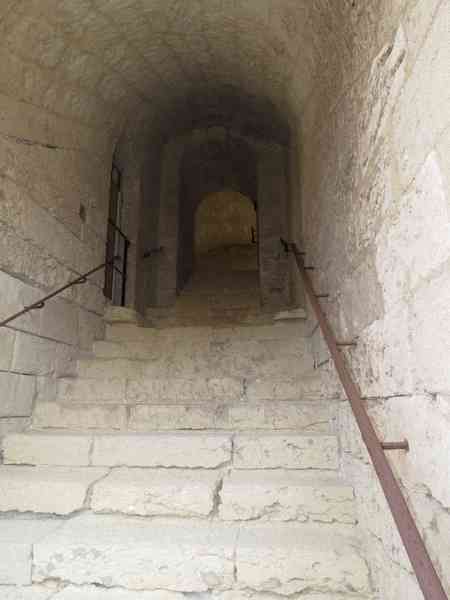
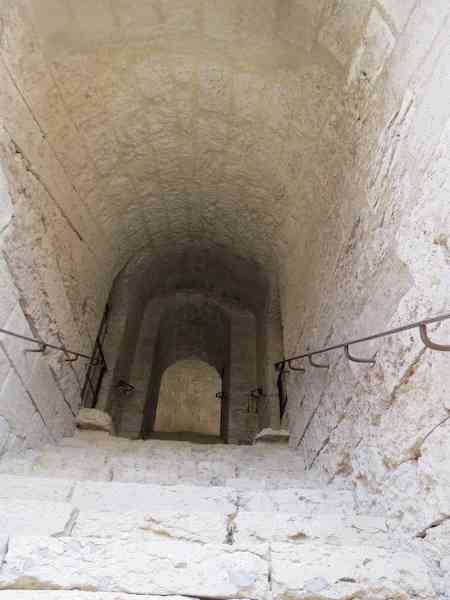
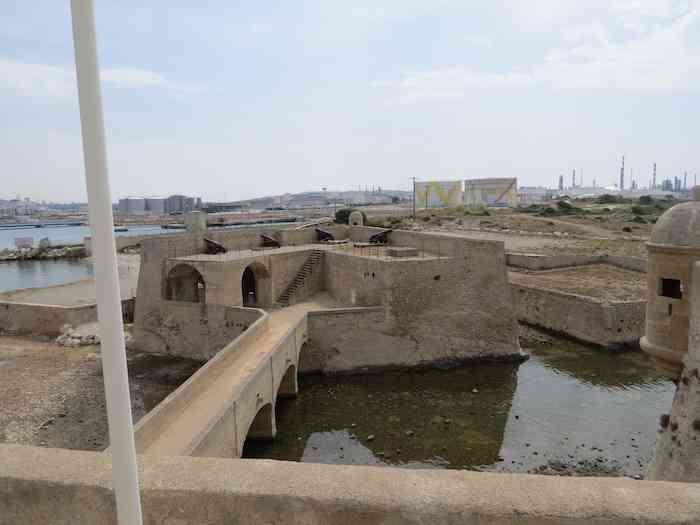
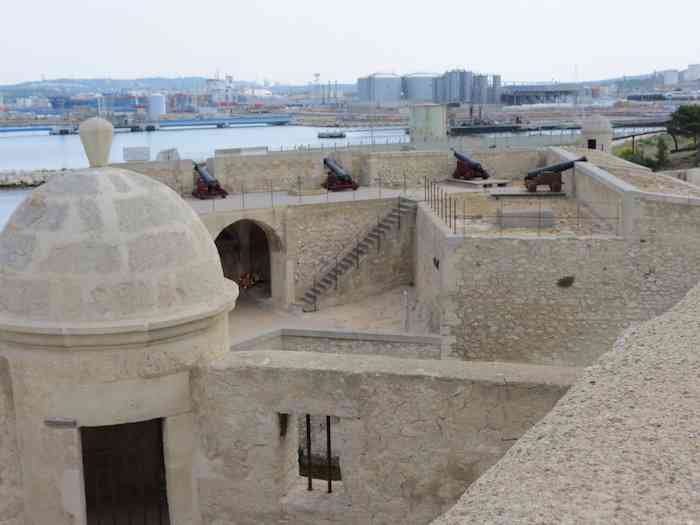
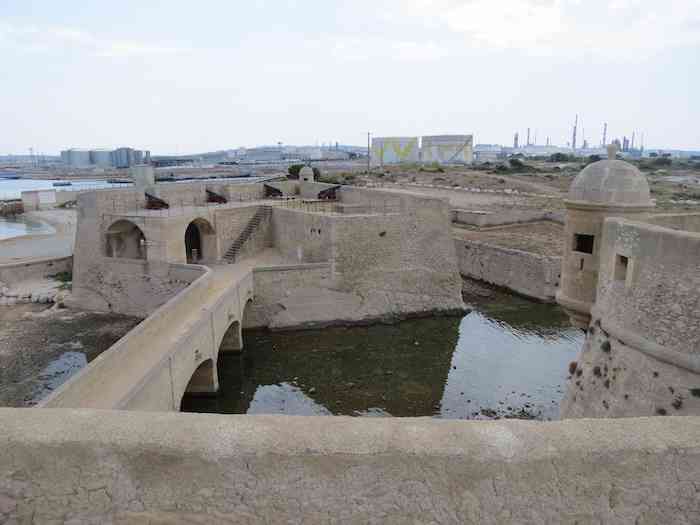
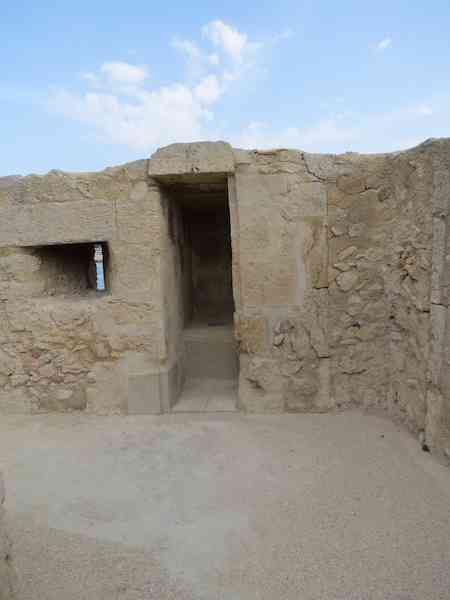
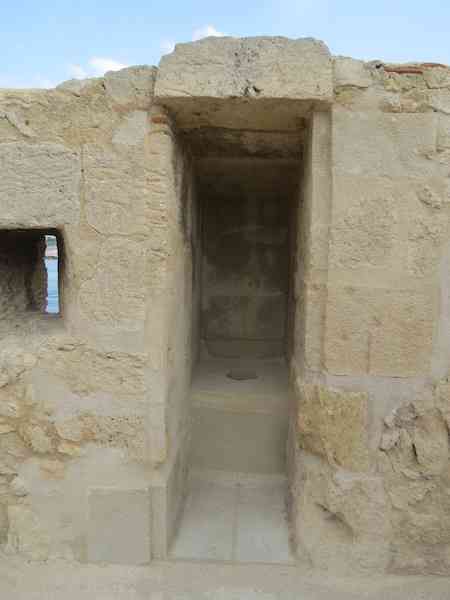
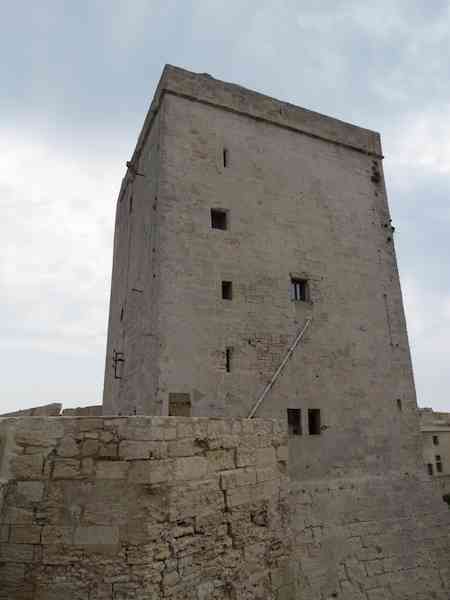
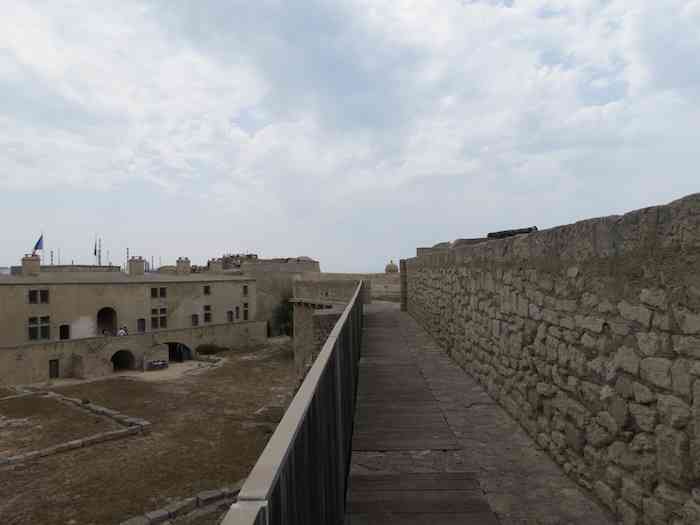
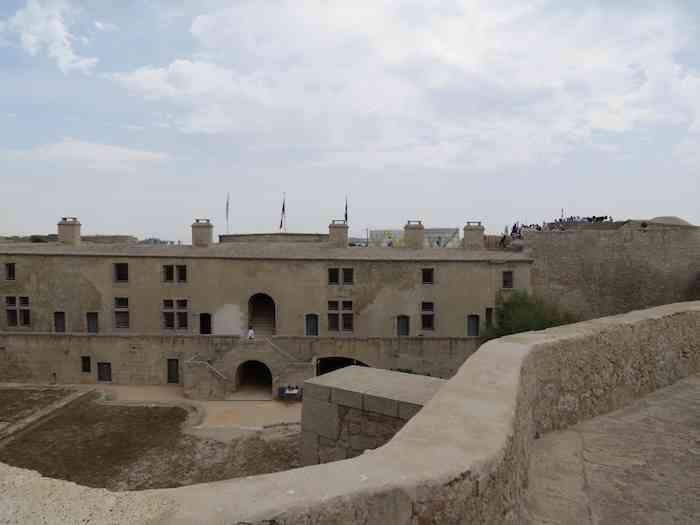
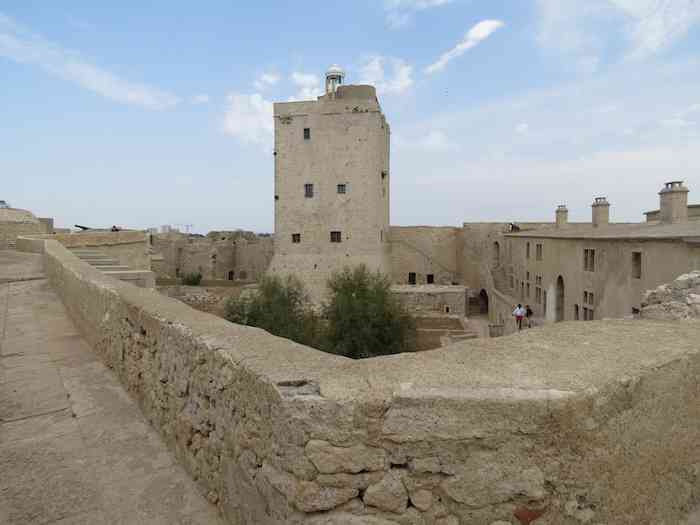
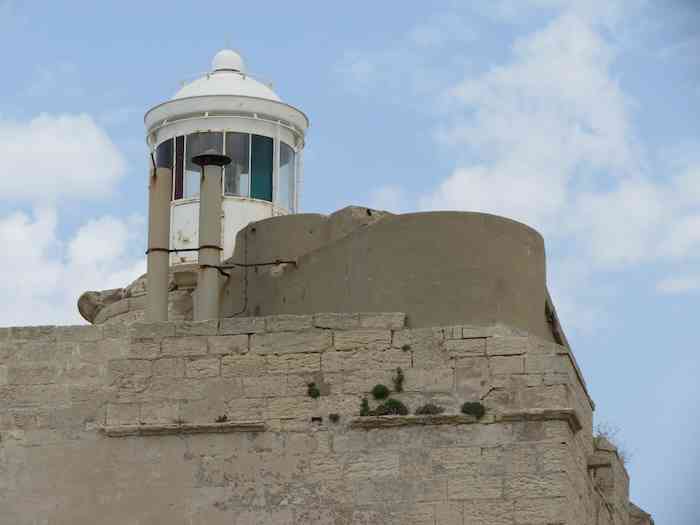
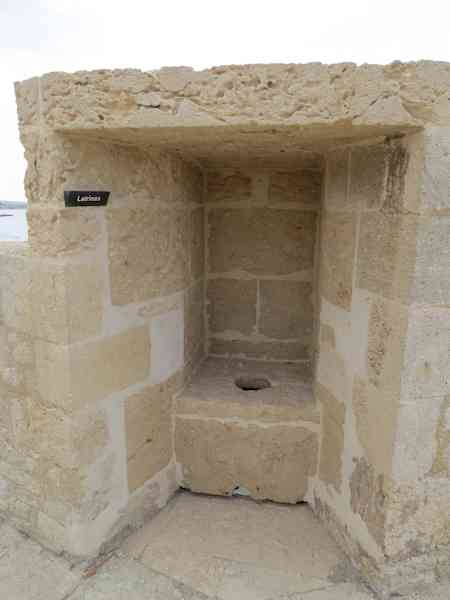
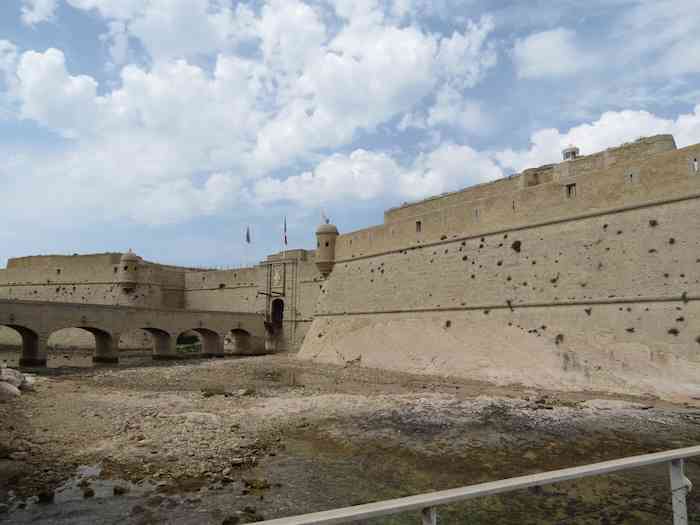
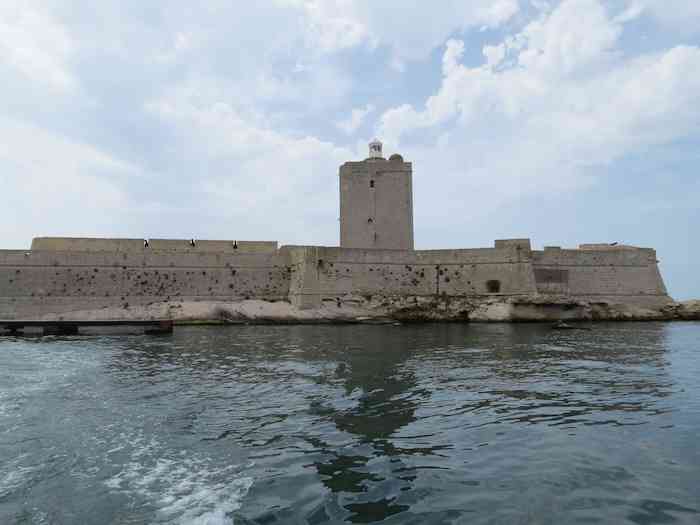
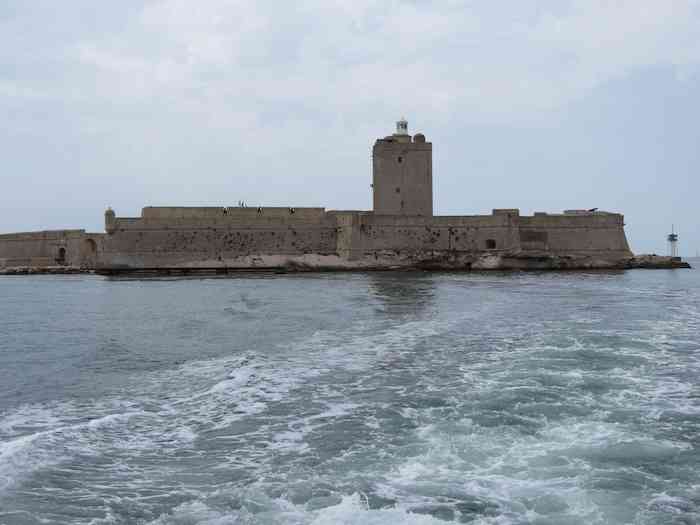
Dépt 13 (Bouches du Rhône). Situé à l'entrée du canal de Caronte, reliant le golfe de Fos en Méditerranée à l'étang de Berre, le fort de Port de Bouc, ou, plus communément, le fort de Bouc, est un fort bastionné que Vauban aménagea autour d'une tour remontant au XIIIème siècle. Cette vieille tour carrée, de 32 m de hauteur, est maintenant surmontée d'un phare. Le fort, de forme ± triangulaire, comporte donc trois fronts + un quatrième peu développé (I-II). La gorge possède une courtine protégée par une demi-lune, du centre du front II-III saille un bastion, tandis que le profil du front III-IV est conditionné par la présence proche de la tour. Le fort est réputé avoir été amélioré au cours du XIXème siècle et les Allemands y couleront quelque béton durant la seconde guerre mondiale. Le conseil supérieur de la Guerre décida de son déclassement en date du 3 décembre 1888. Inscrit à l'inventaire du patrimoine historique depuis 1930, il subit d'importants travaux de restauration depuis 1999. Le fort en lui-même est très beau et intéressant, mais son environnement est peu attractif car très industrialisé. Ouvert au public.
Dept 13 (Bouches du Rhône). An der Einfahrt des Kanals von Caronte gelegen, der den Golf von Fos im Mittelmeer mit dem Étang de Berre verbindet, ist das Fort von Port de Bouc, oder häufiger das Fort von Bouc, ein bastioniertes Fort, das Vauban um einen Turm aus dem 13. Jahrhundert herum anlegte. Dieser alte quadratische Turm, 32 m hoch, ist jetzt von einem Leuchtturm überragt. Das Fort, von ± dreieckiger Form, weist daher drei Fronten + eine wenig entwickelte vierte (I-II) auf. Die Kehle besitzt eine Kurtine, geschützt durch eine Halbmond, aus der Mitte der Front II-III springt ein Bastion vor, während das Profil der Front III-IV durch die nahe Gegenwart des Turms bedingt ist. Das Fort ist bekannt, im Laufe des 19. Jahrhunderts verbessert worden zu sein und die Deutschen werden dort etwas Beton während des Zweiten Weltkriegs gießen. Der Oberste Kriegsrat beschloss seine Außerdienststellung am 3. Dezember 1888. Seit 1930 im Inventar des historischen Erbes eingetragen, unterzieht es sich seit 1999 wichtigen Restaurierungsarbeiten. Das Fort selbst ist sehr schön und interessant, aber seine Umgebung ist wenig attraktiv, weil sehr industrialisiert. Öffentlich zugänglich.
Dept 13 (Bouches du Rhône). Gelegen aan de ingang van het kanaal van Caronte, dat de golf van Fos in de Middellandse Zee verbindt met de vijver van Berre, het fort van Port de Bouc, of, gebruikelijker, het fort van Bouc, is een gebastioneerd fort dat Vauban inrichtte rond een toren daterend uit de 13de eeuw. Deze oude vierkante toren, 32 m hoog, is nu overwelfd door een vuurtoren. Het fort, van ± driehoekige vorm, omvat dus drie fronten + een vierde weinig ontwikkeld (I-II). De keel bezit een courtine beschermd door een halve maan, uit het centrum van het front II-III springt een bastion voor, terwijl het profiel van het front III-IV bepaald wordt door de nabije aanwezigheid van de toren. Het fort staat bekend verbeterd te zijn in de loop van de 19de eeuw en de Duitsers zullen er wat beton storten tijdens de Tweede Wereldoorlog. De Hoge Oorlogsraad besliste zijn buiten dienst stellen op 3 december 1888. Ingeschreven in de inventaris van het historisch erfgoed sinds 1930, ondergaat het belangrijke restauratiewerken sinds 1999. Het fort zelf is zeer mooi en interessant, maar zijn omgeving is weinig aantrekkelijk omdat zeer geïndustrialiseerd. Open voor het publiek.
Dept 13 (Bouches du Rhône). Located at the entrance of the Caronte canal, linking the Gulf of Fos in the Mediterranean to the Berre pond, the fort of Port de Bouc, or, more commonly, the fort of Bouc, is a bastioned fort that Vauban arranged around a tower dating back to the 13th century. This old square tower, 32 m high, is now surmounted by a lighthouse. The fort, of ± triangular shape, therefore comprises three fronts + a fourth little developed (I-II). The gorge possesses a curtain wall protected by a ravelin, from the center of the front II-III projects a bastion, while the profile of the front III-IV is conditioned by the nearby presence of the tower. The fort is reputed to have been improved during the 19th century and the Germans will pour some concrete there during the Second World War. The Superior War Council decided its decommissioning on December 3, 1888. Listed in the inventory of historical heritage since 1930, it has been undergoing important restoration works since 1999. The fort itself is very beautiful and interesting, but its environment is little attractive because very industrialized. Open to the public.
Dept 13 (Bouches du Rhône). Ležící u vstupu do kanálu Caronte, spojujícího záliv Fos ve Středozemním moři s rybníkem Berre, tvrz Port de Bouc, nebo častěji tvrz Bouc, je bastionová pevnost, kterou Vauban upravil kolem věže sahající do 13. století. Tato stará čtverhranná věž, 32 m vysoká, je nyní zakončena majákem. Tvrz, ± trojúhelníkového tvaru, má tedy tři fronty + čtvrtou málo vyvinutou (I-II). Hrdlo má hradbu chráněnou půlměsícovým opevněním, ze středu fronty II-III vystupuje bastion, zatímco profil fronty III-IV je podmíněn blízkou přítomností věže. Tvrz je proslulá tím, že byla vylepšena v průběhu 19. století a Němci tam během druhé světové války lili nějaký beton. Nejvyšší válečná rada rozhodla o jejím vyřazení ze dne 3. prosince 1888. Zapsána do seznamu historického dědictví od roku 1930, podstupuje od roku 1999 důležité restaurátorské práce. Samotná tvrz je velmi krásná a zajímavá, ale její prostředí je málo atraktivní, protože velmi industrializované. Otevřeno veřejnosti.
Cité dans : Zitiert in : Geciteerd in: Cited in: Citováno v: Bouc (fort de port de)