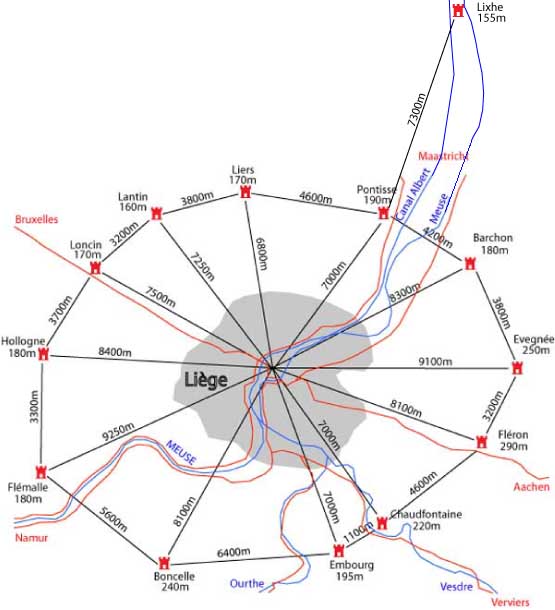
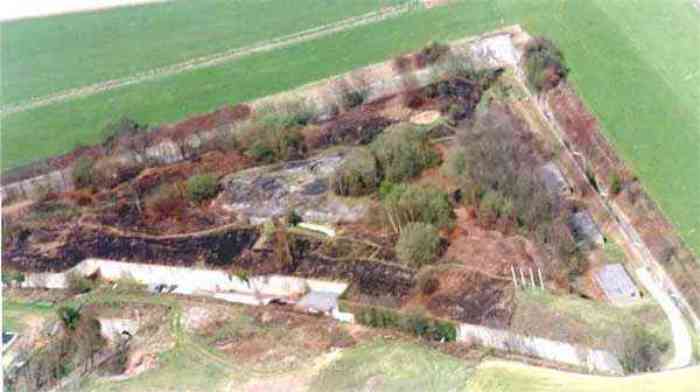
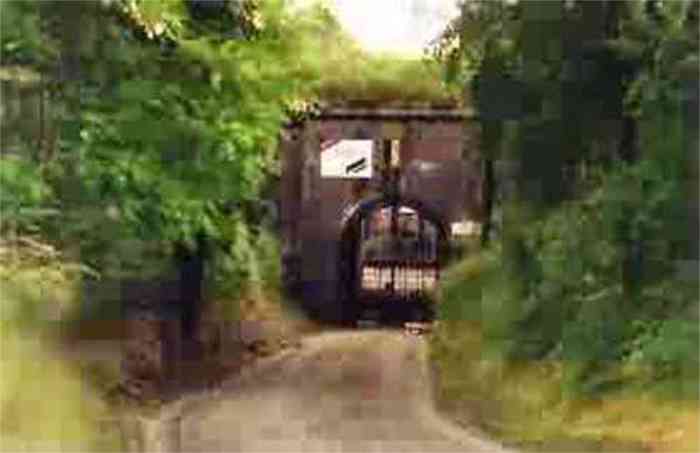
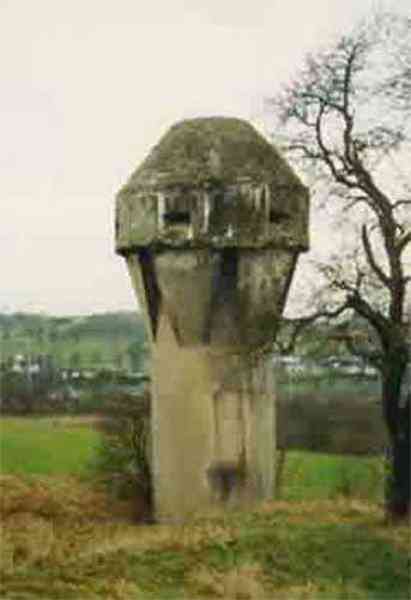
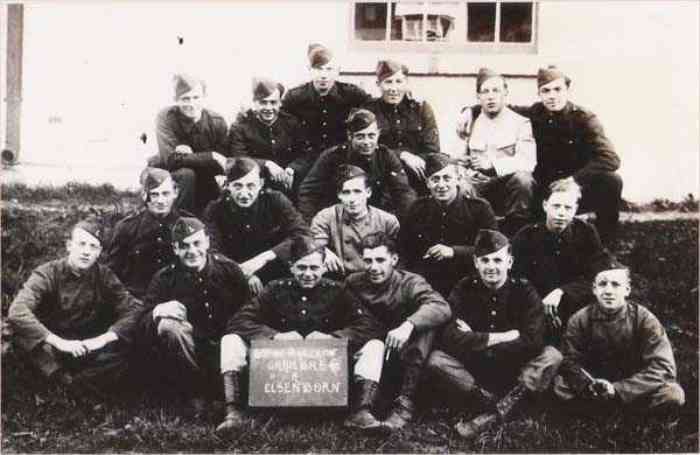
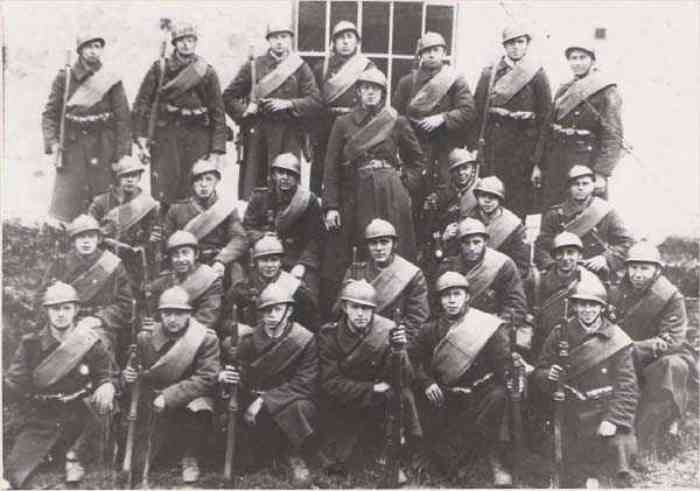
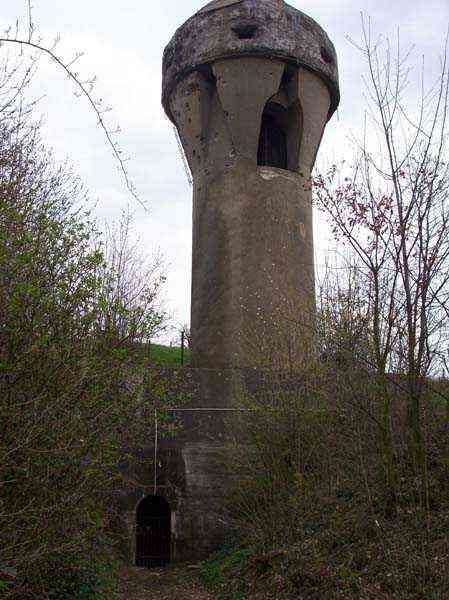
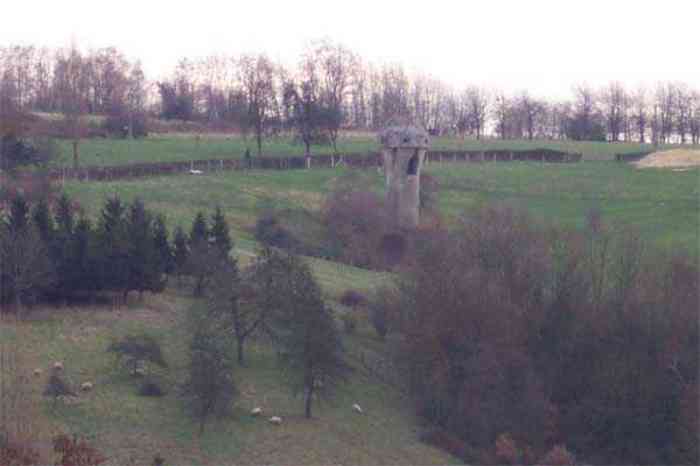
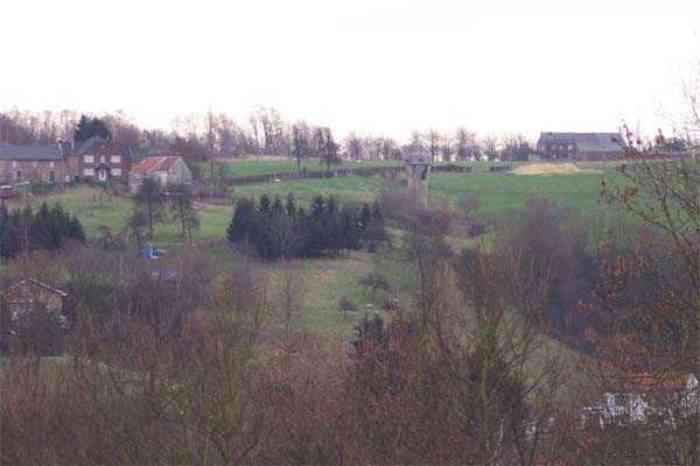
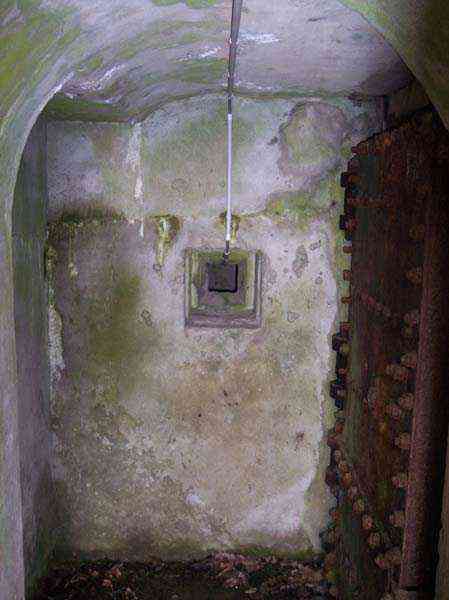
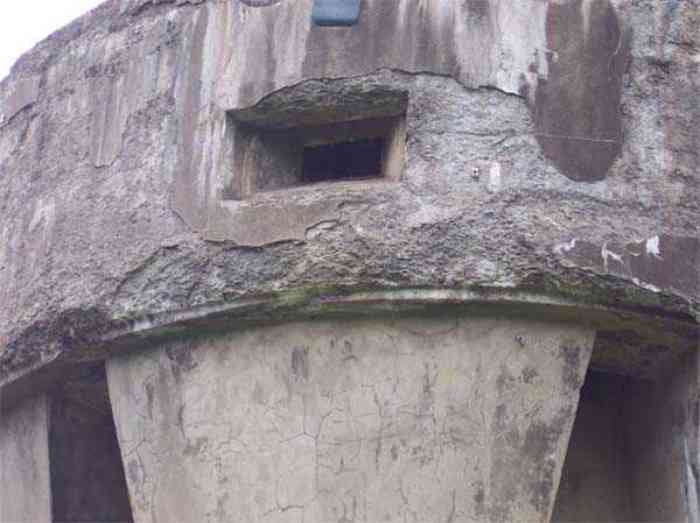
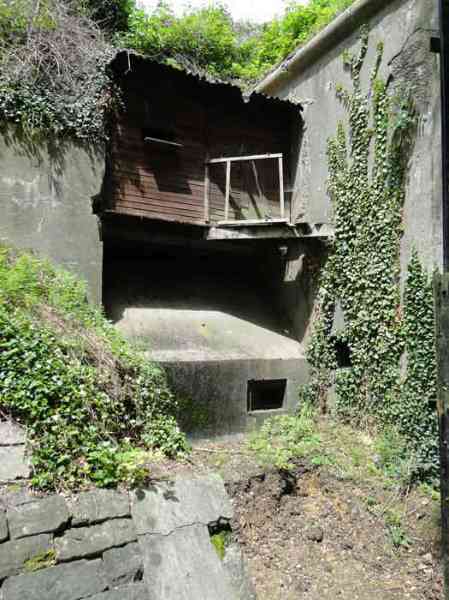
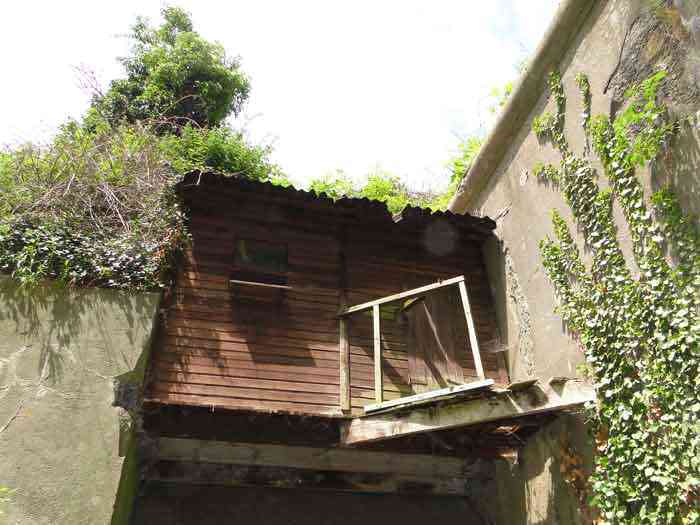
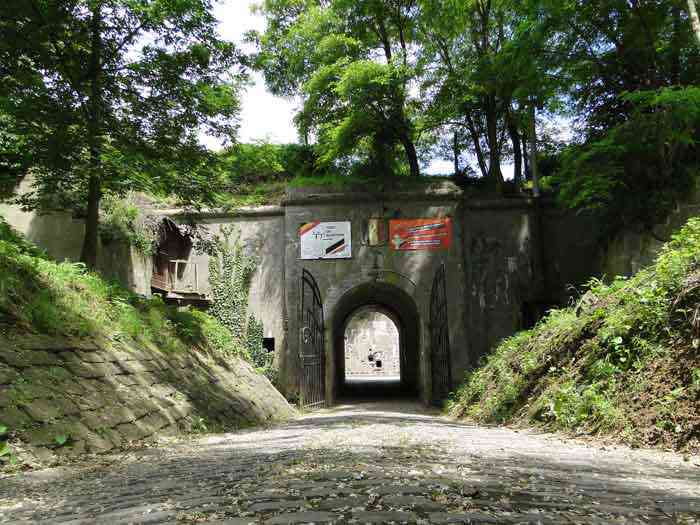
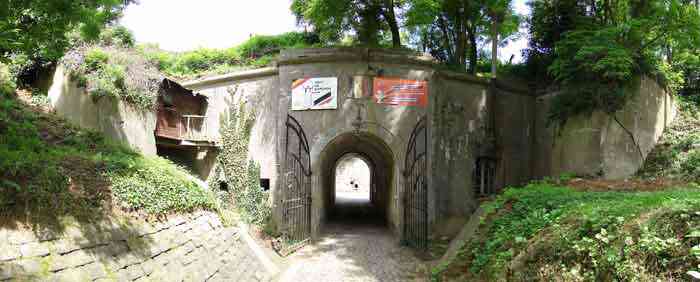
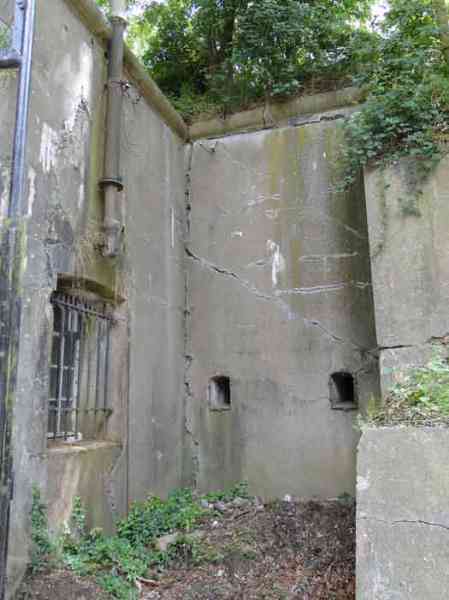
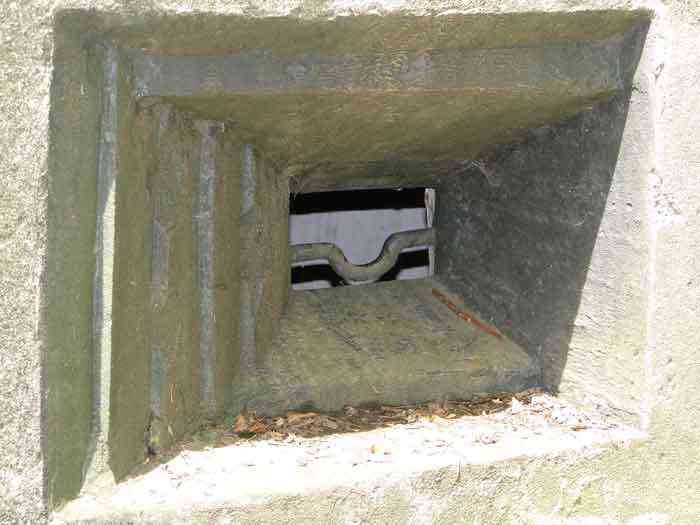
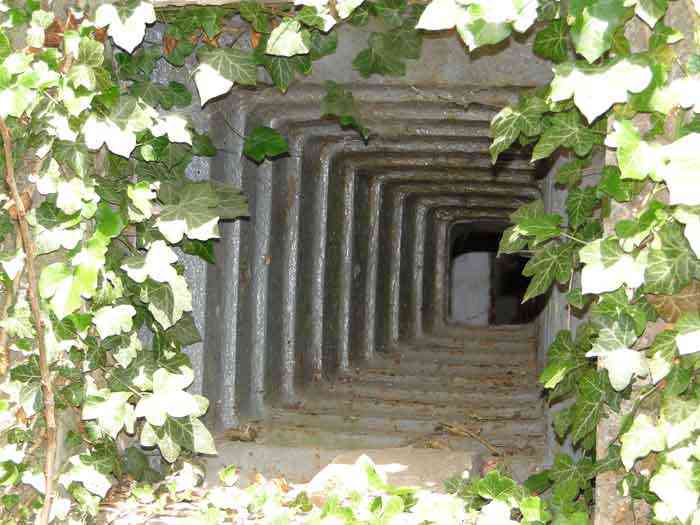
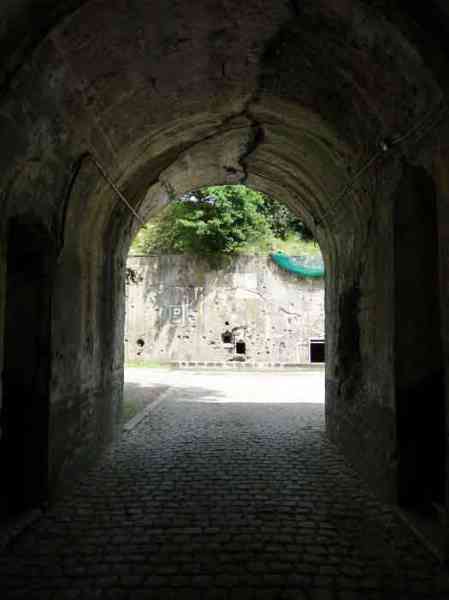
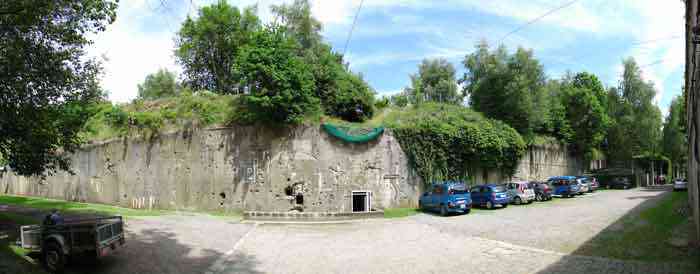
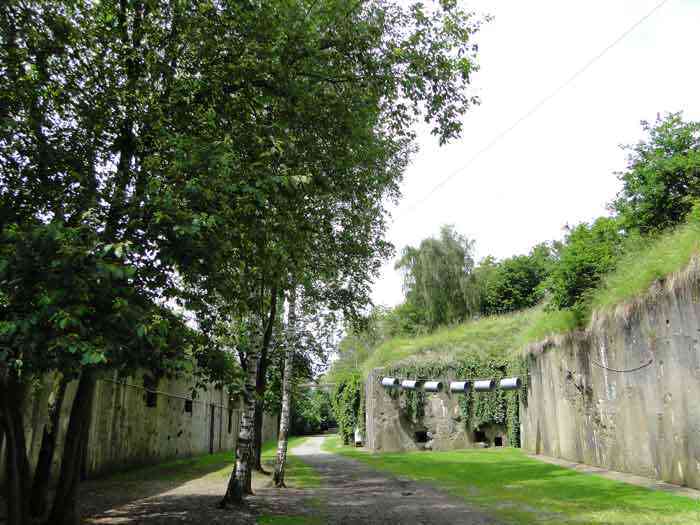
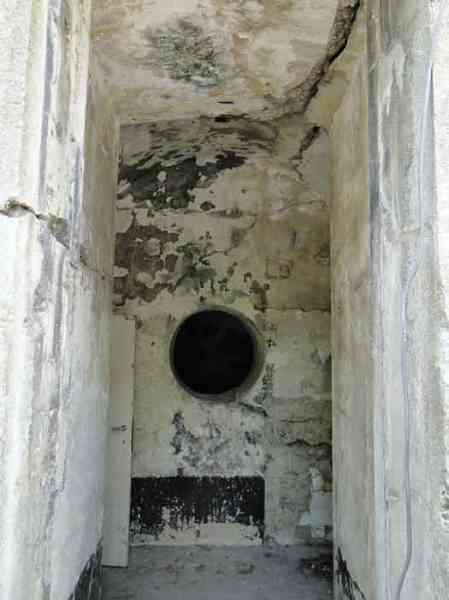
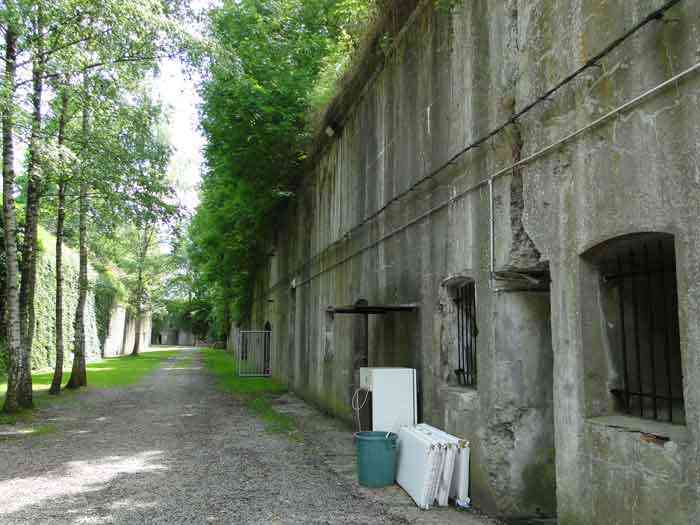
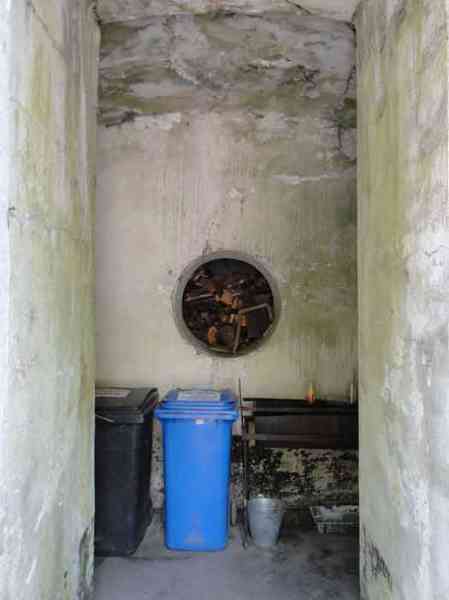
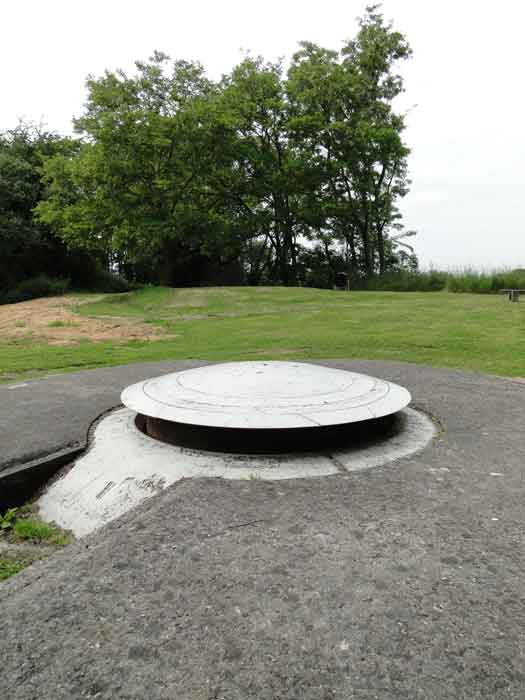
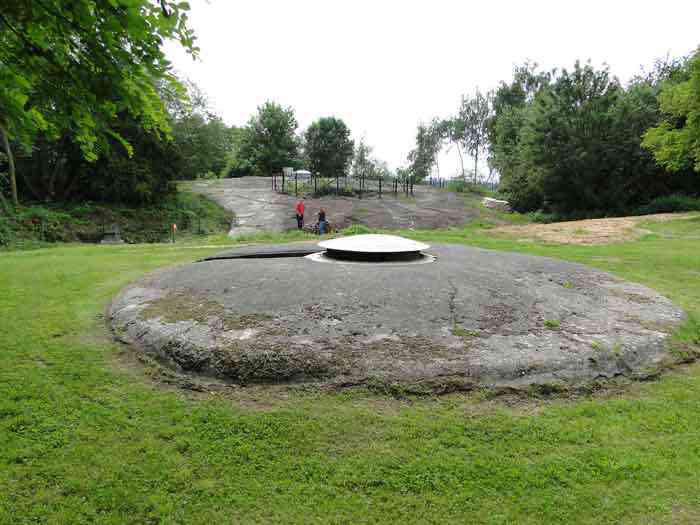
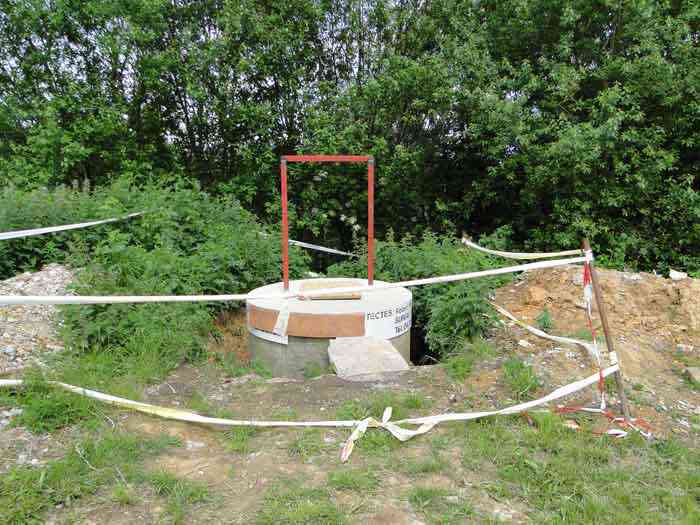
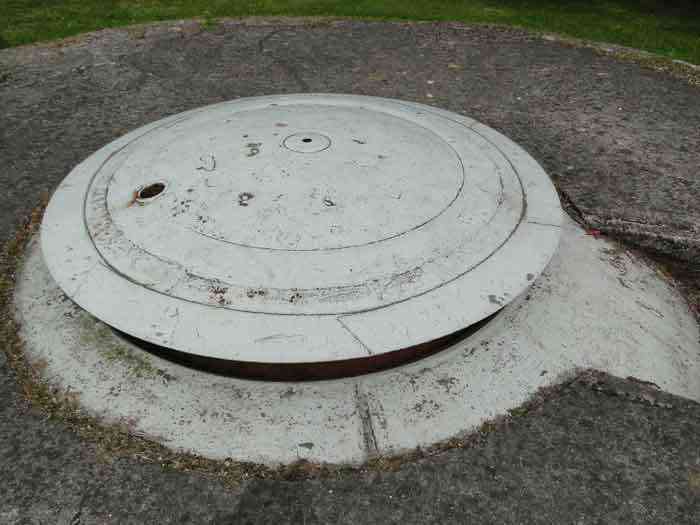
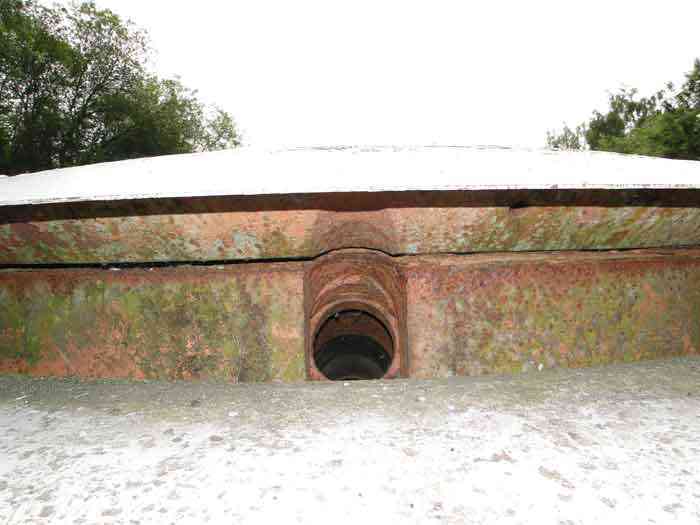
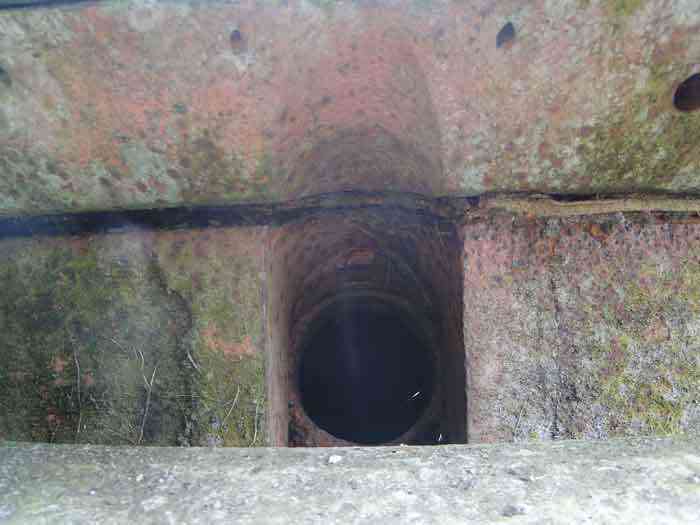
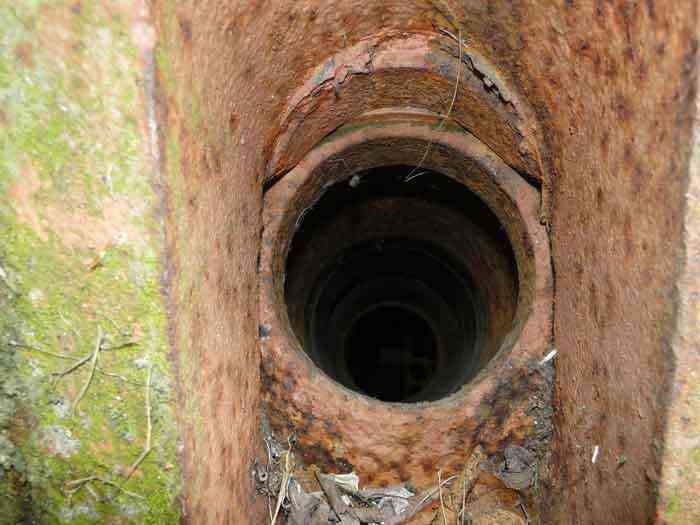
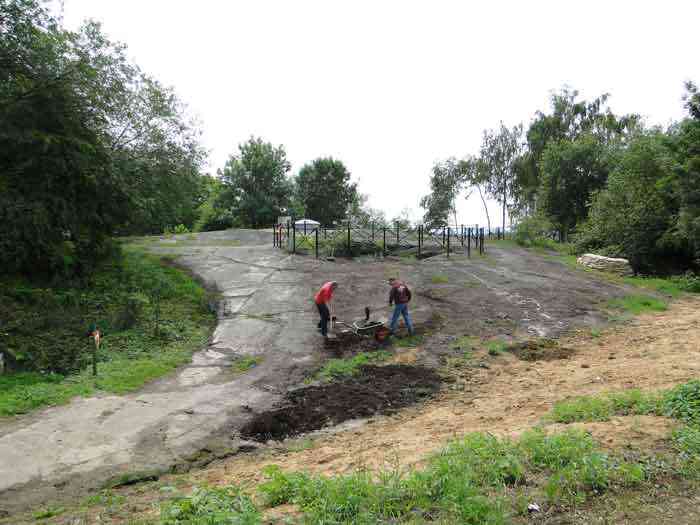
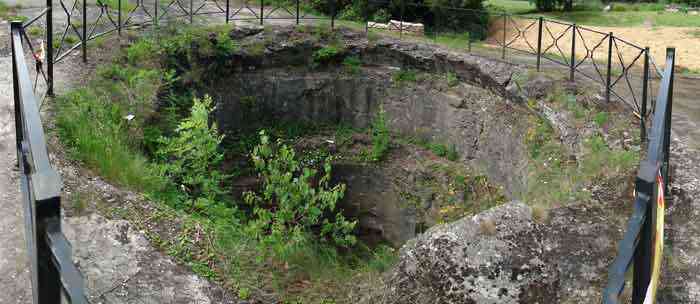
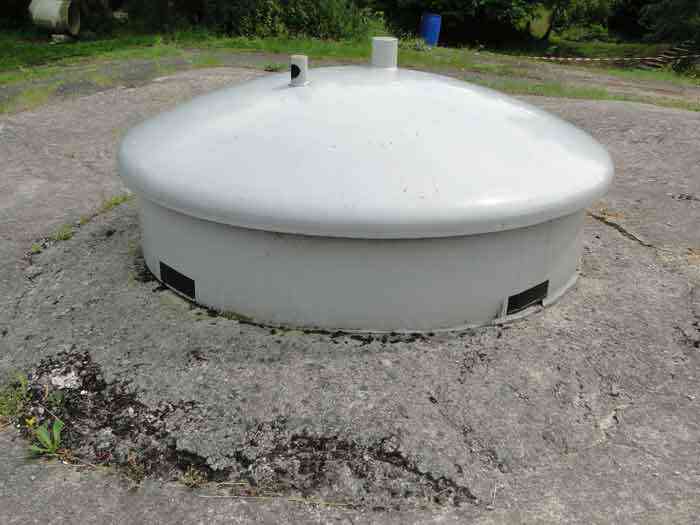
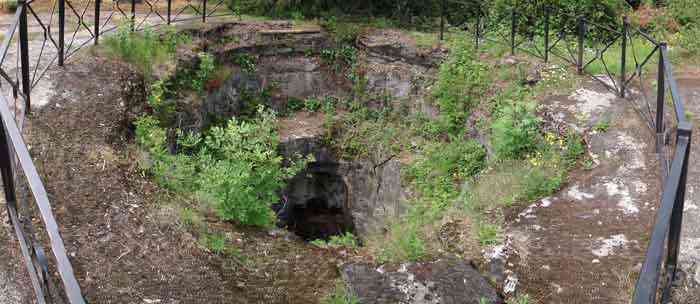
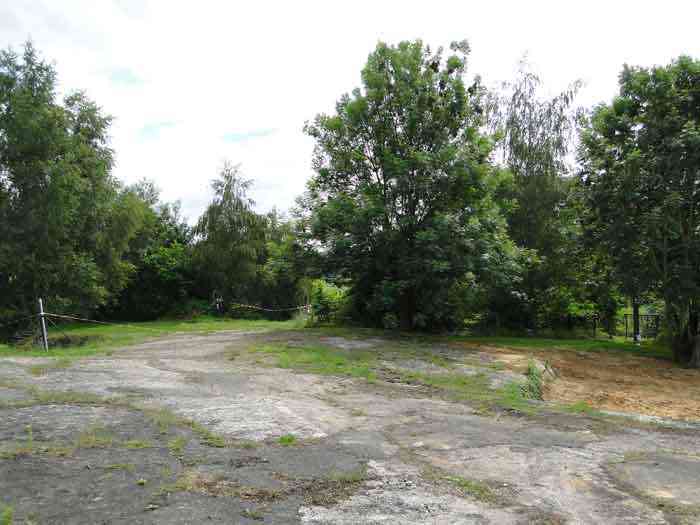
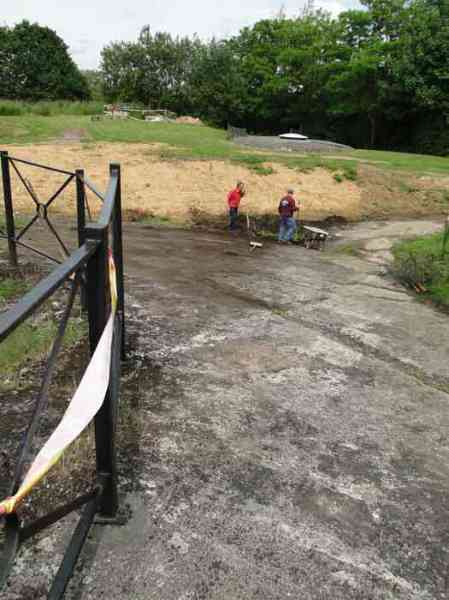
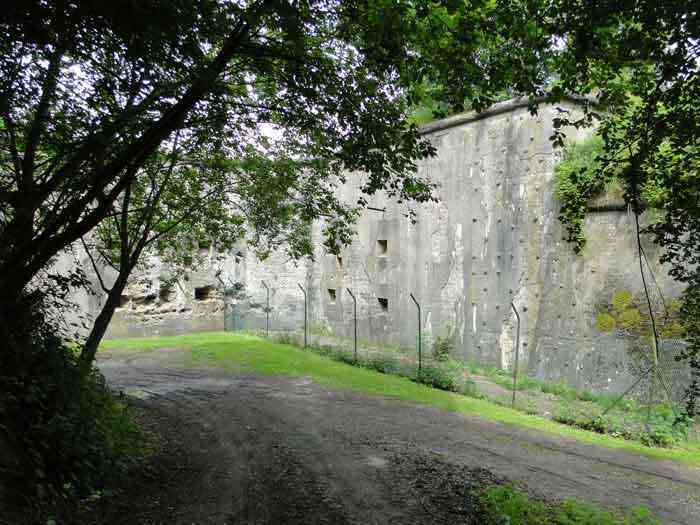
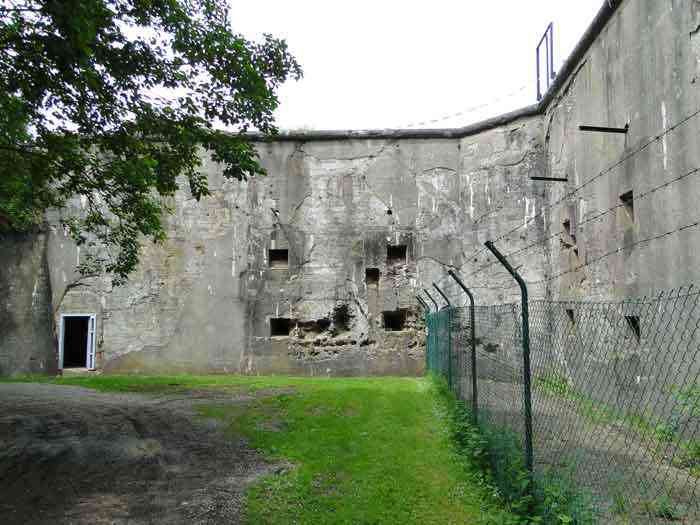
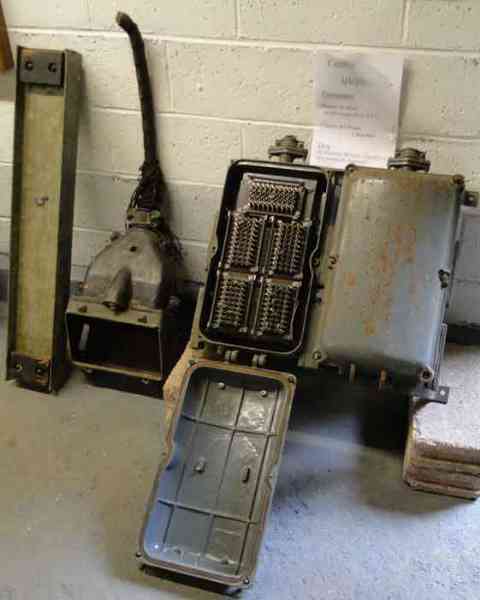
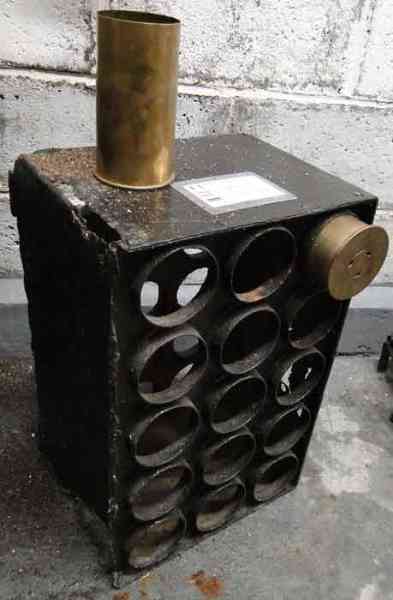
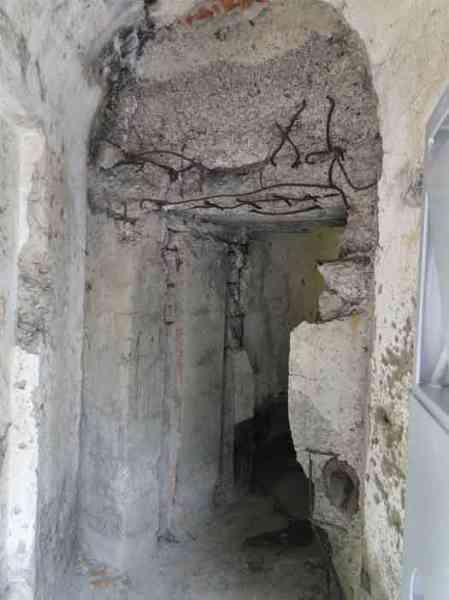
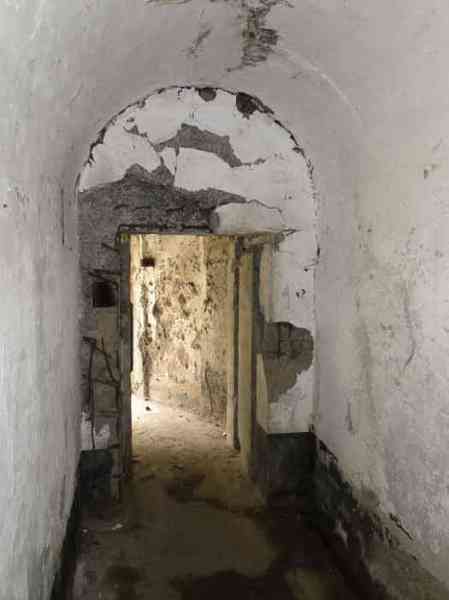
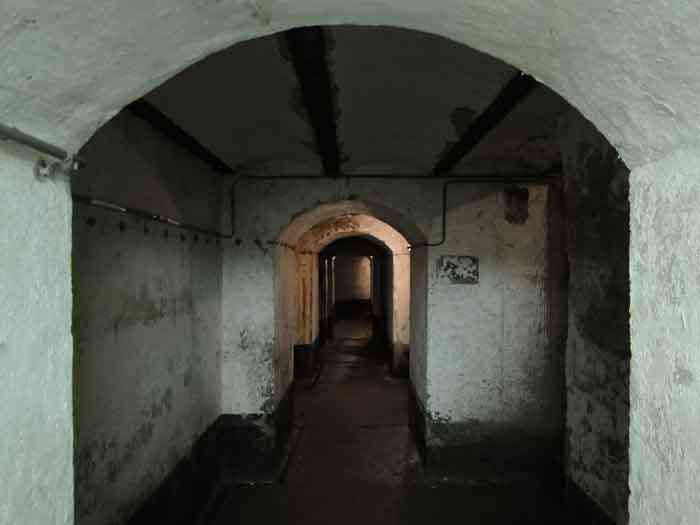
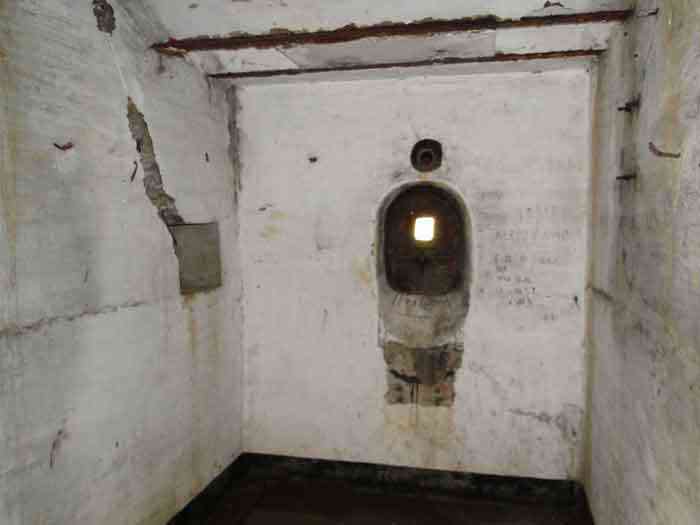
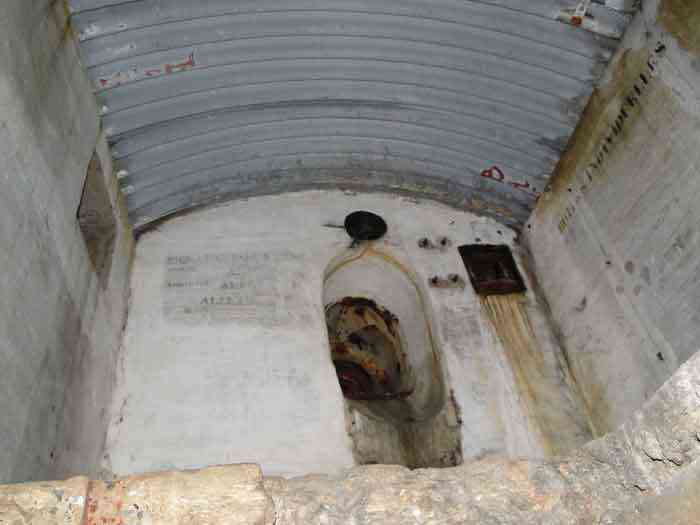
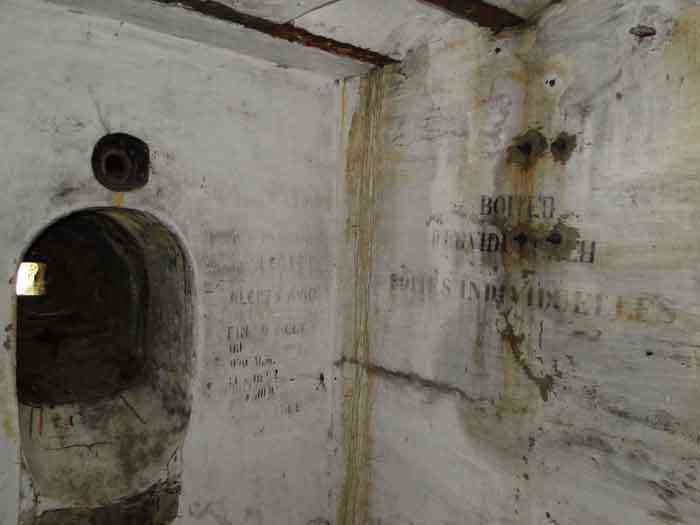
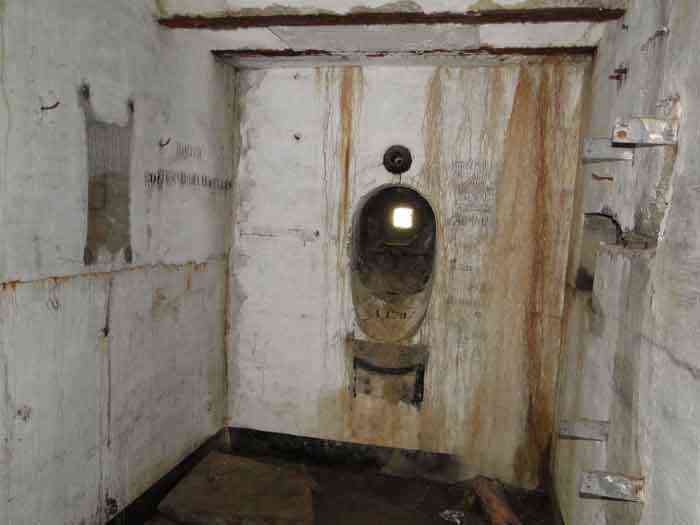
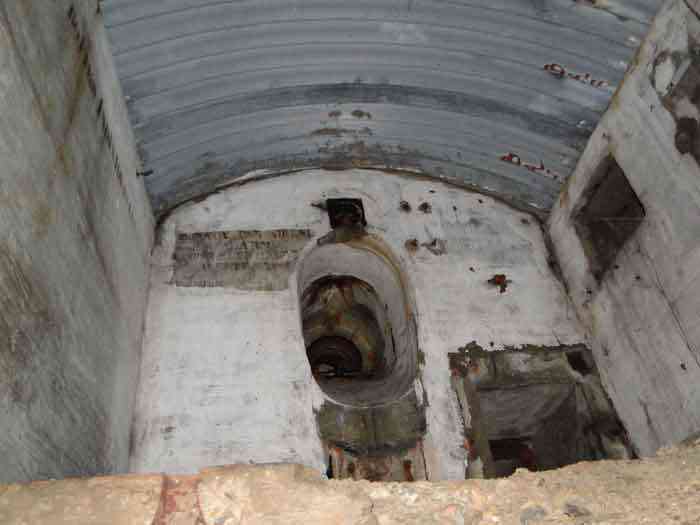
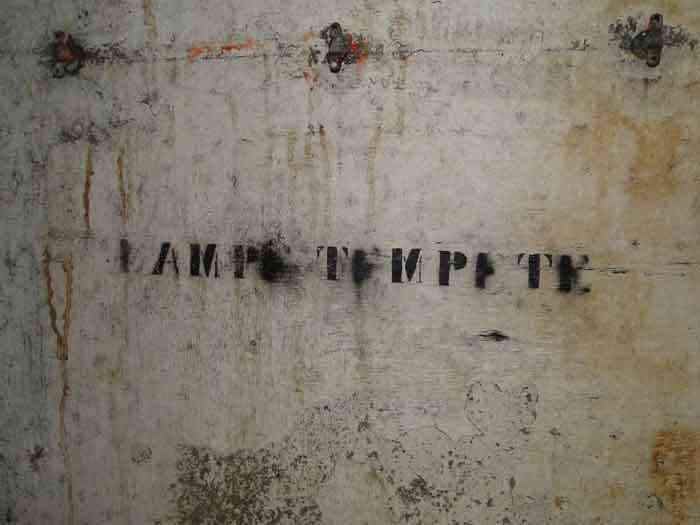
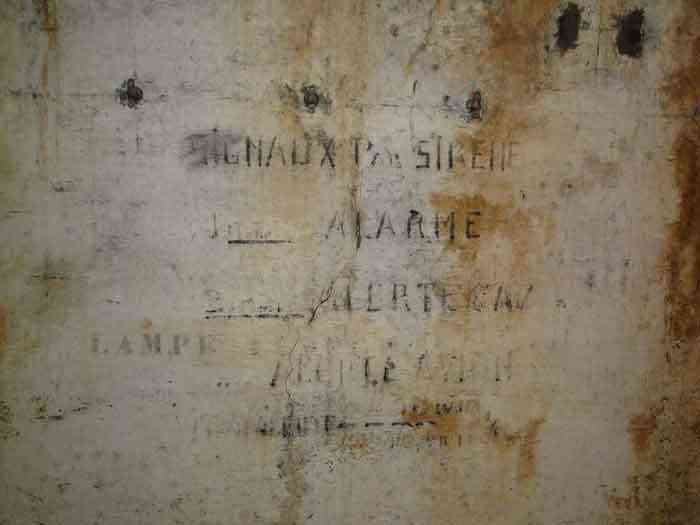
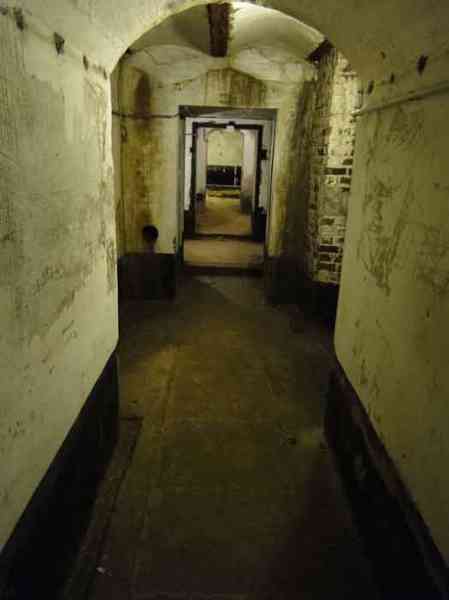

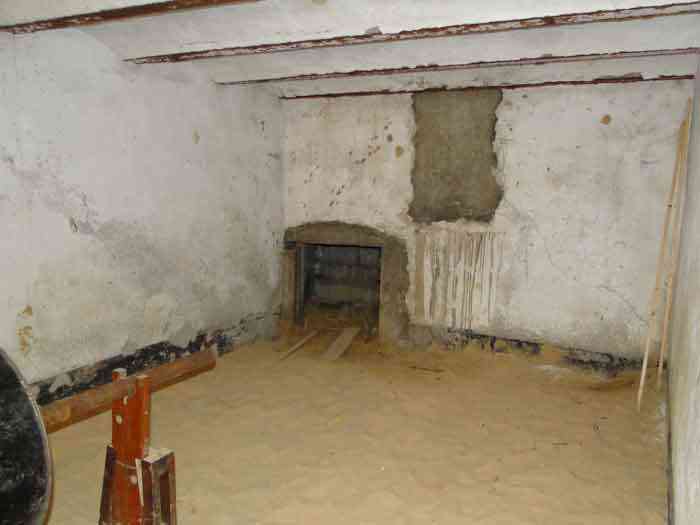
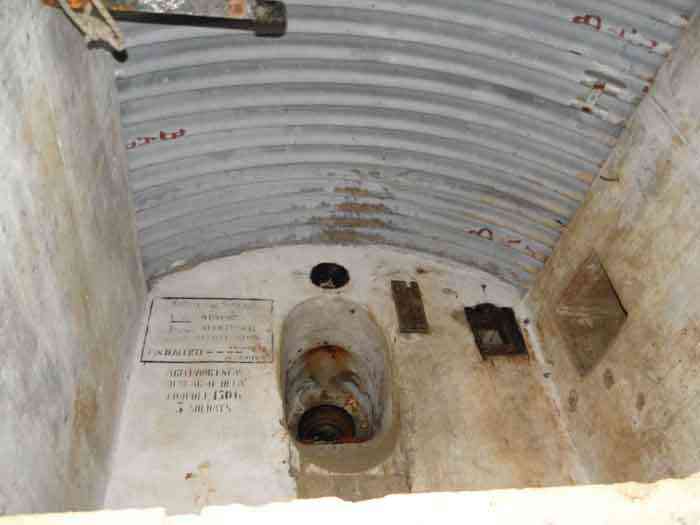
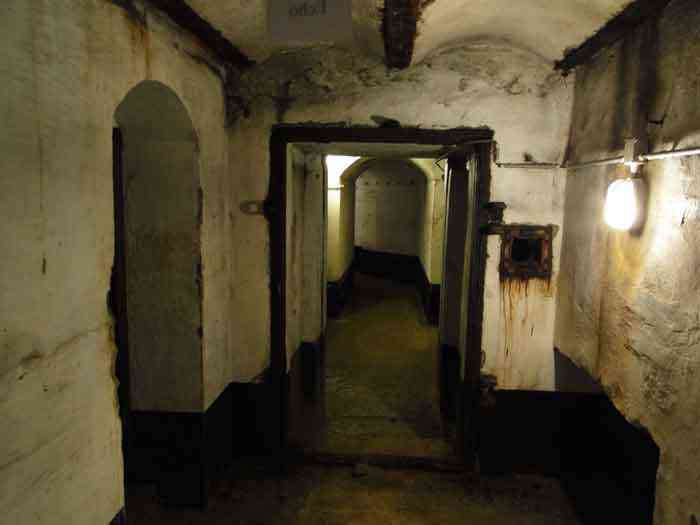
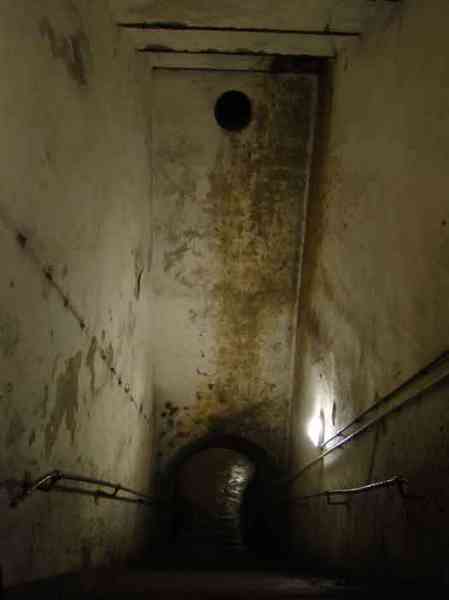
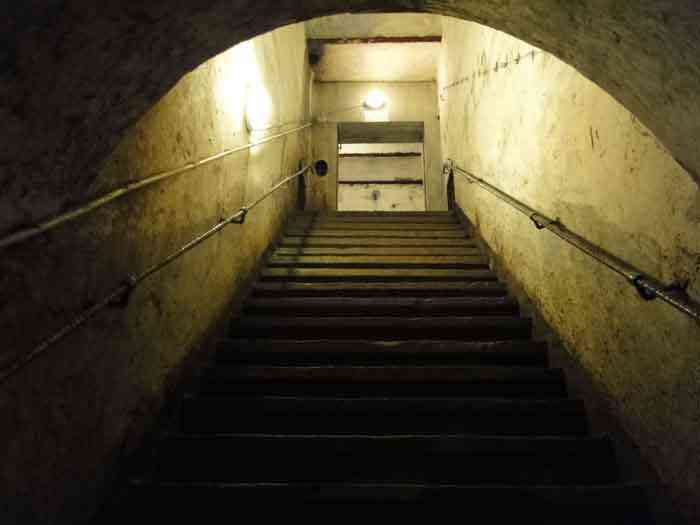
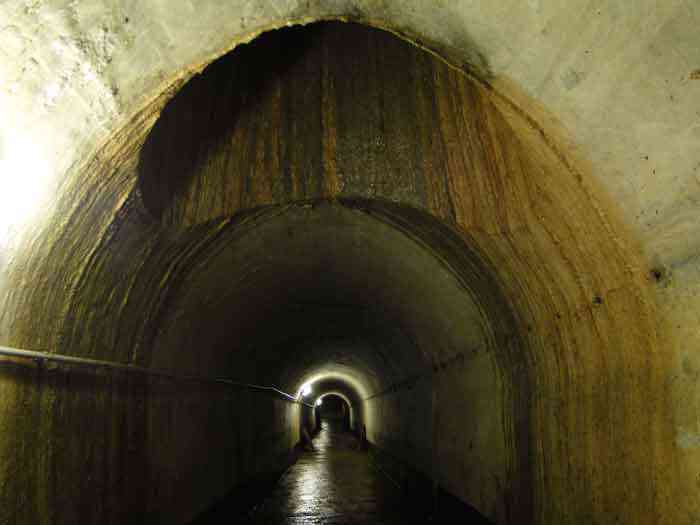
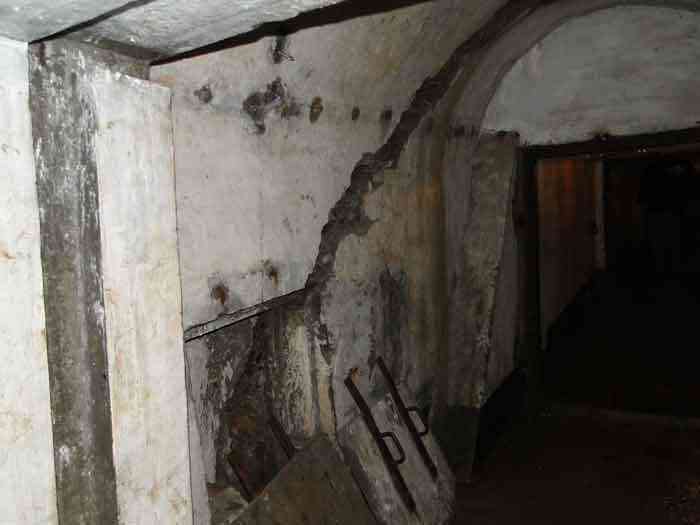
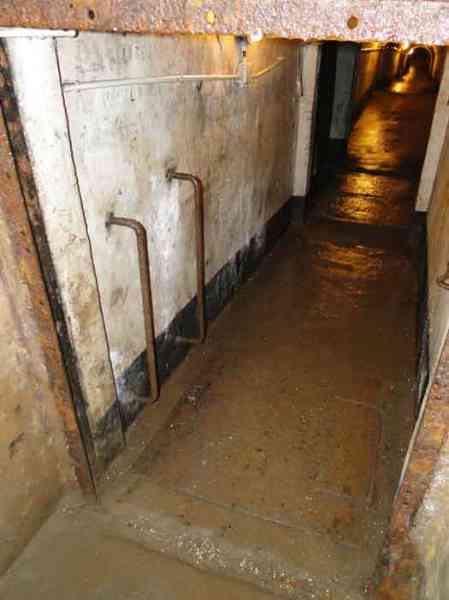
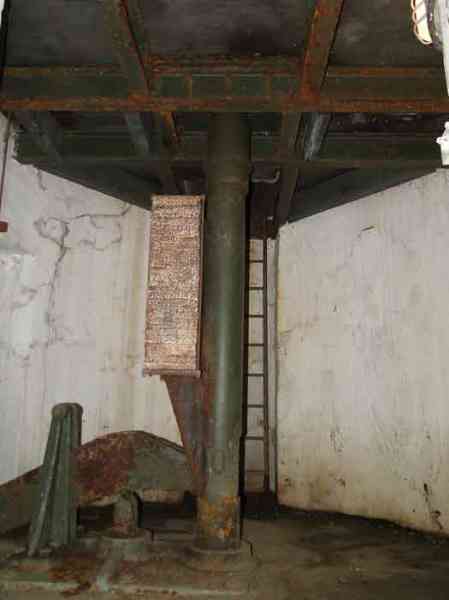
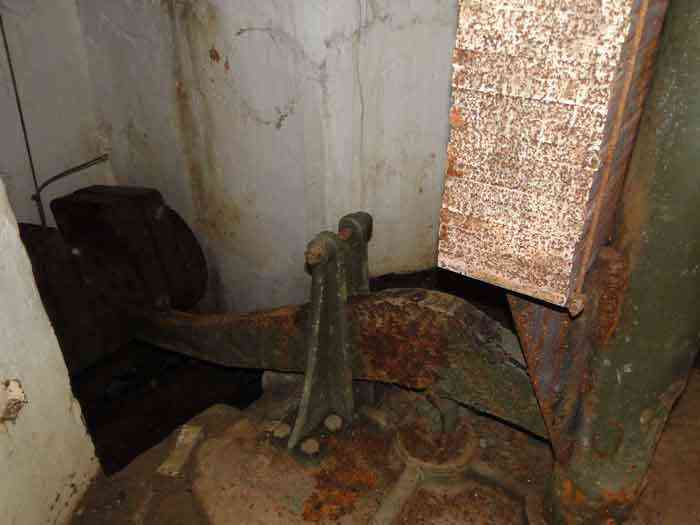
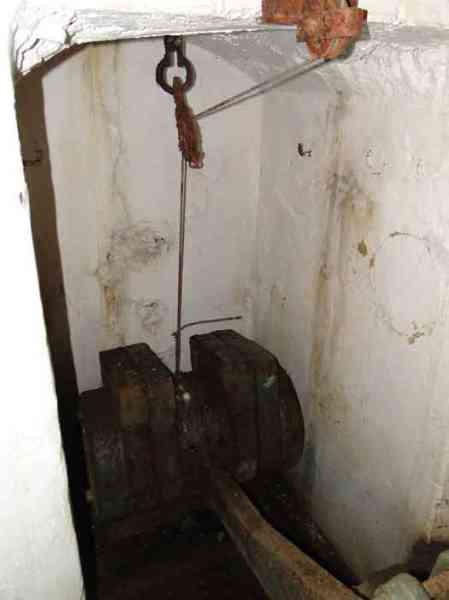
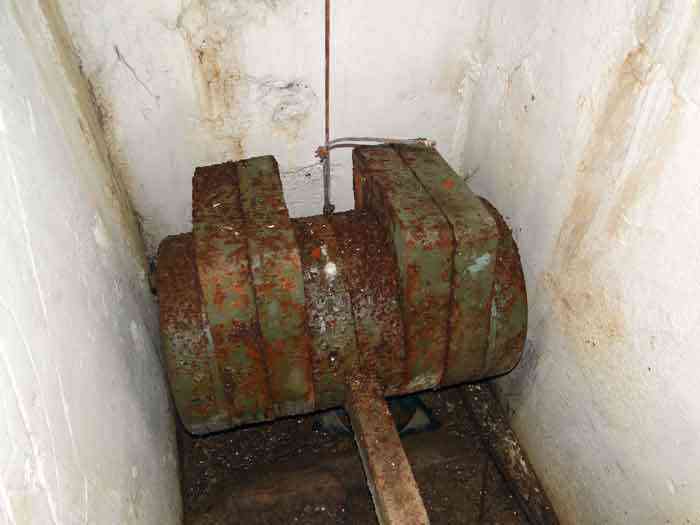
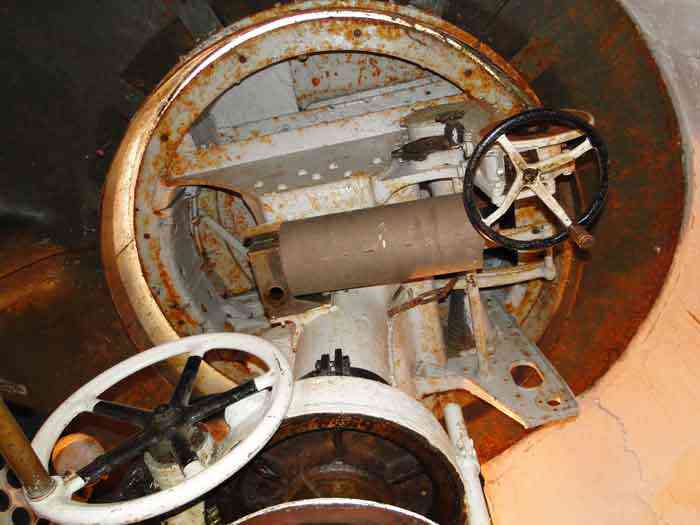
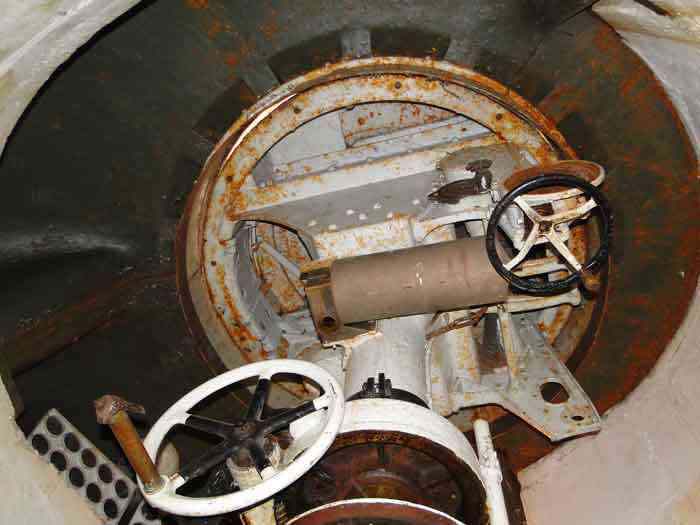
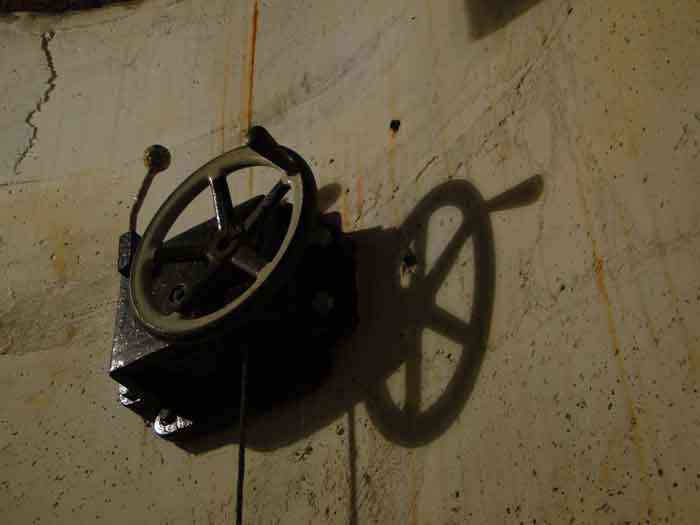

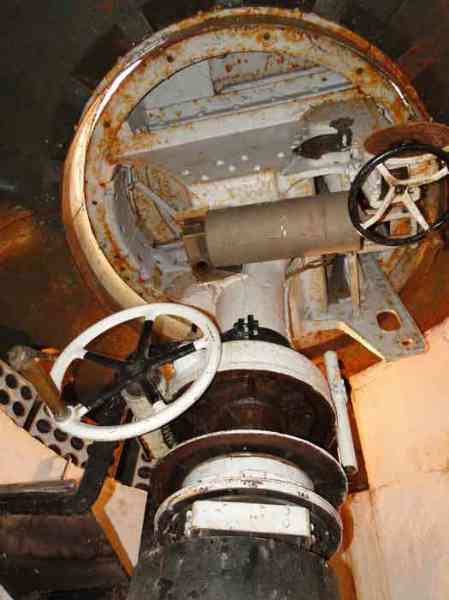
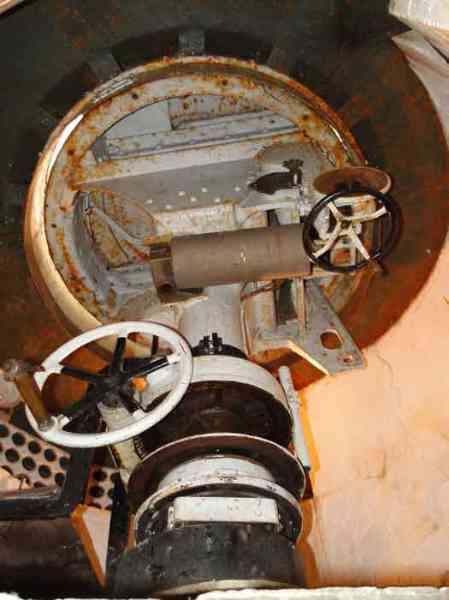
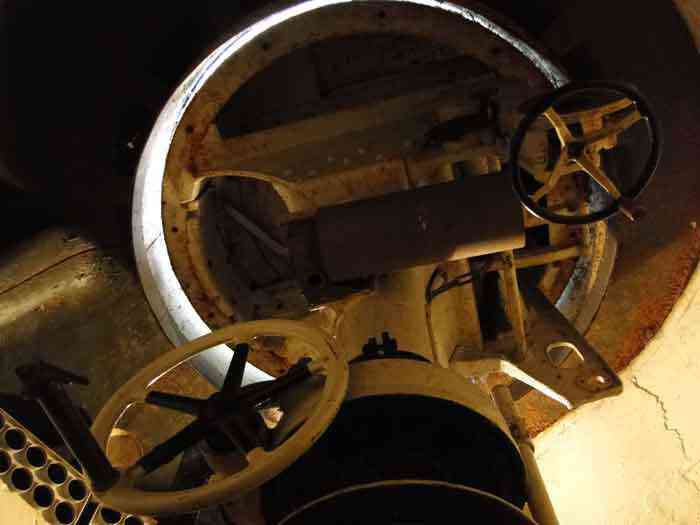
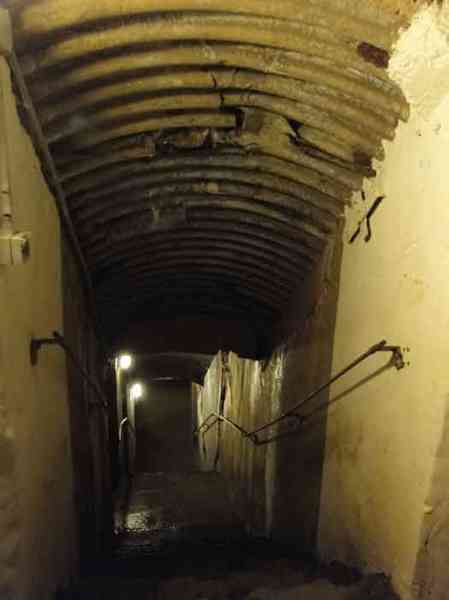
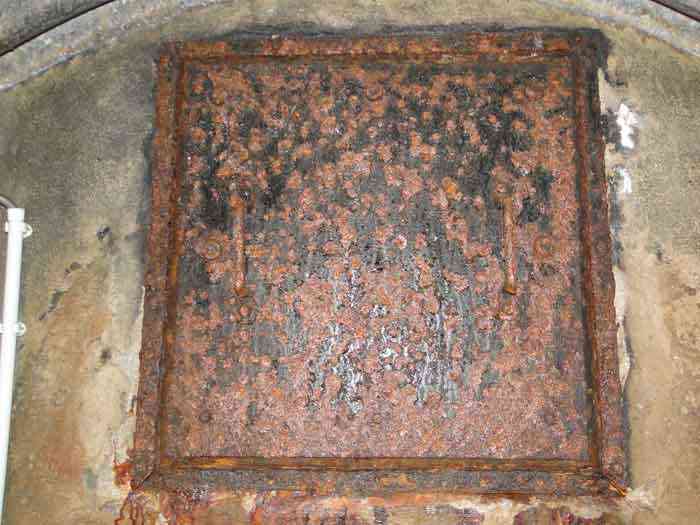
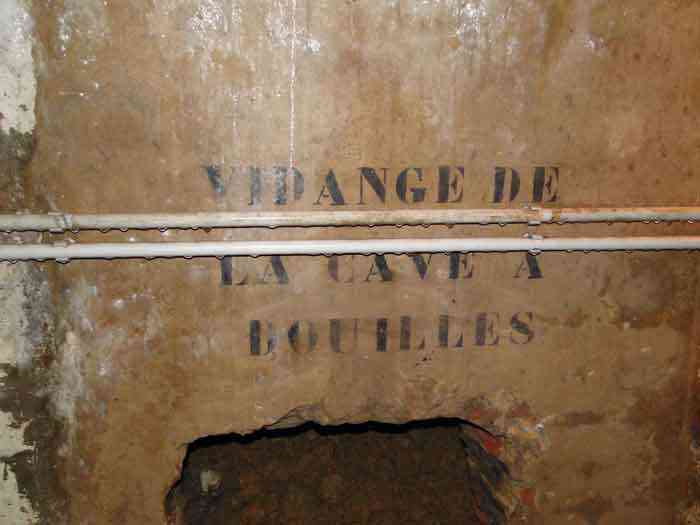
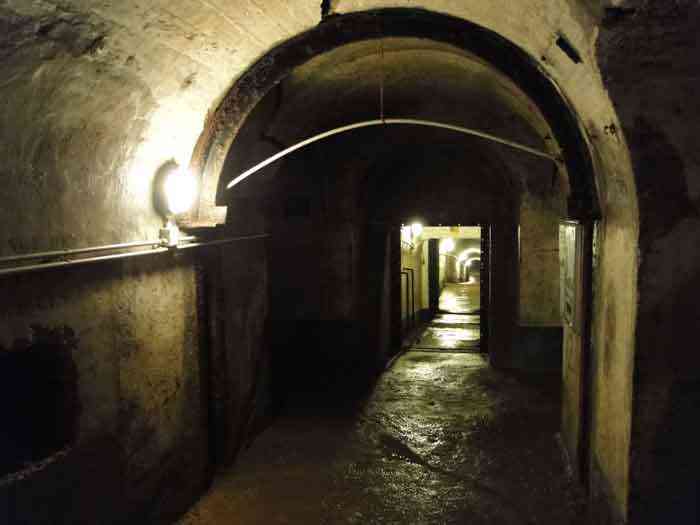
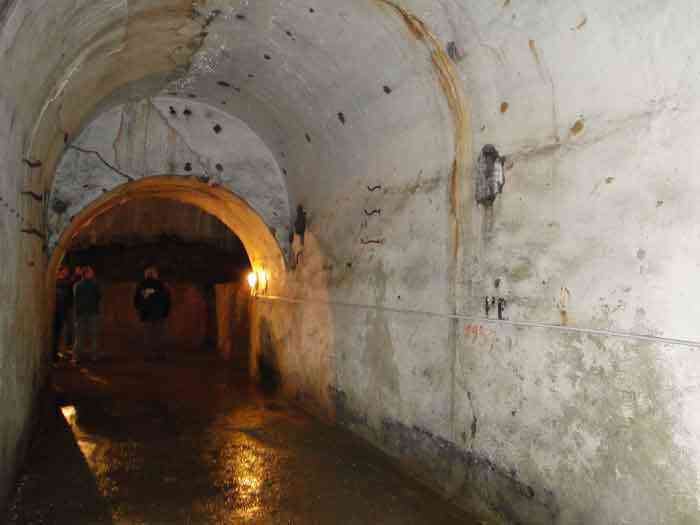
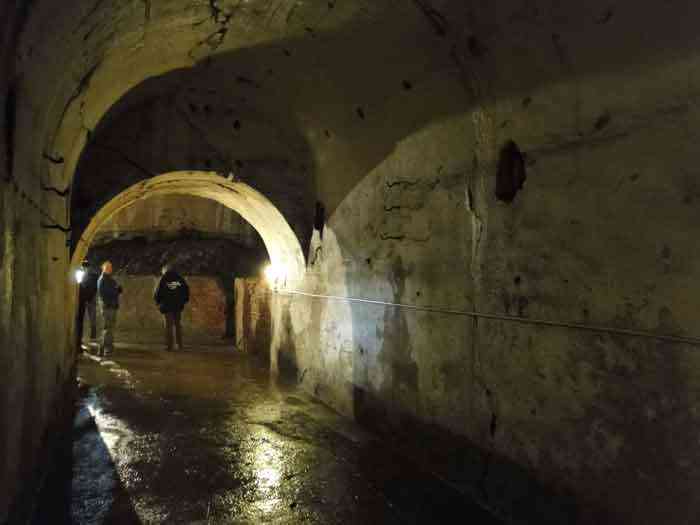
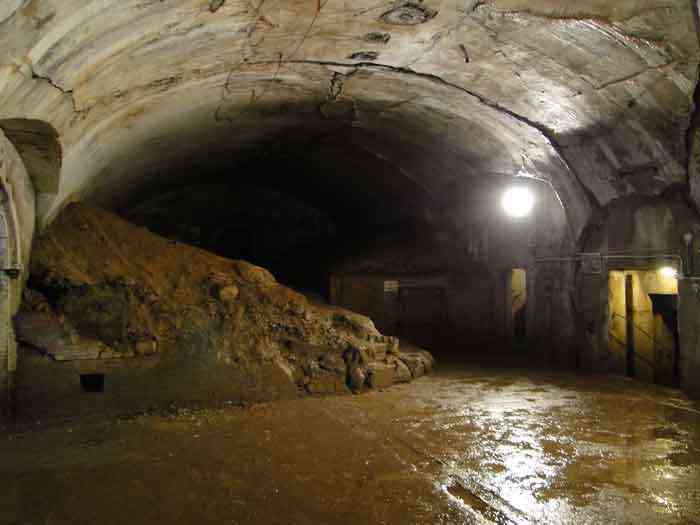
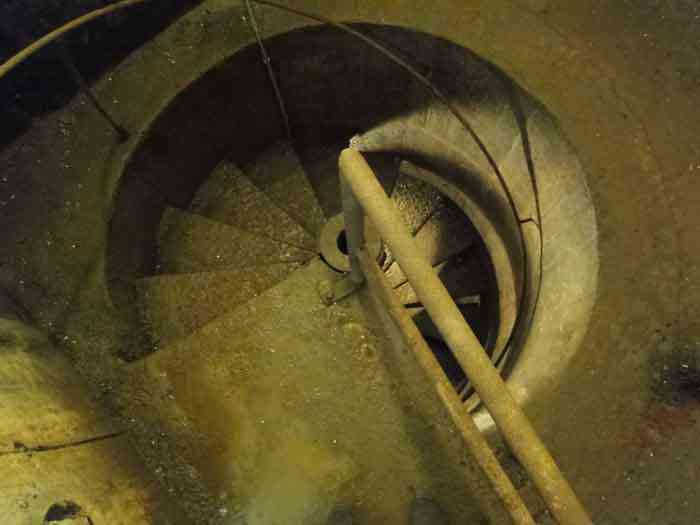
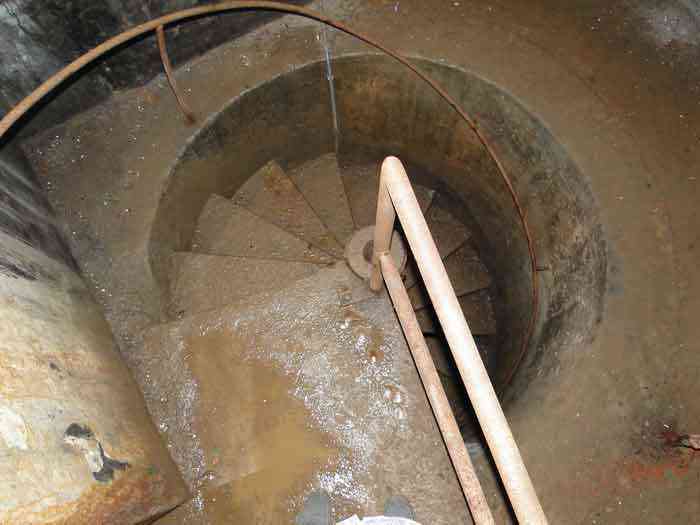
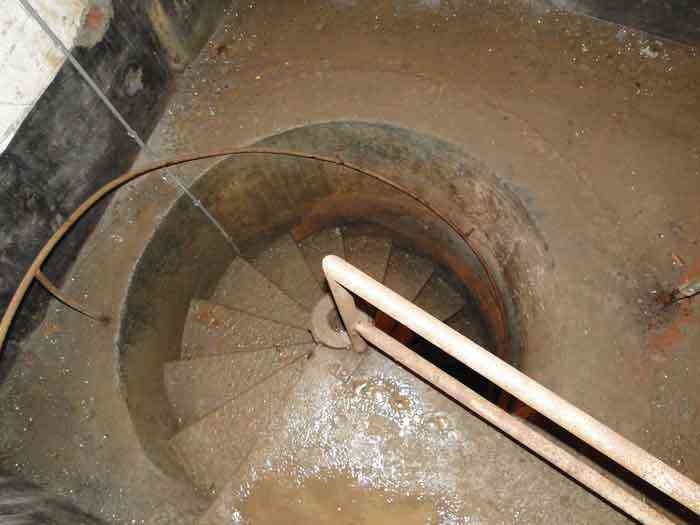
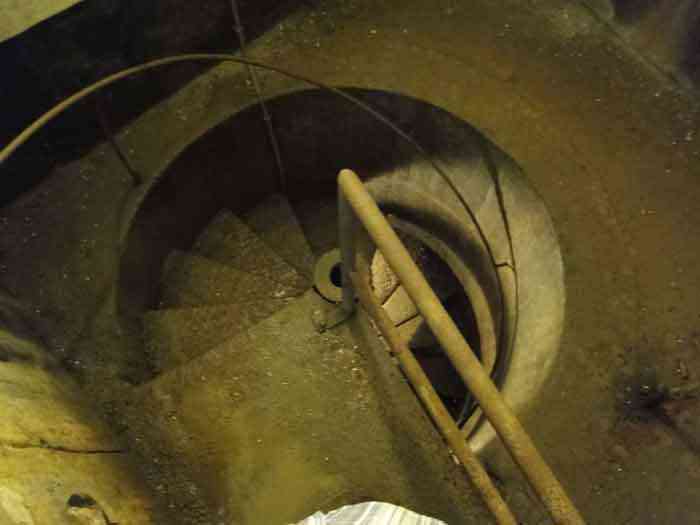
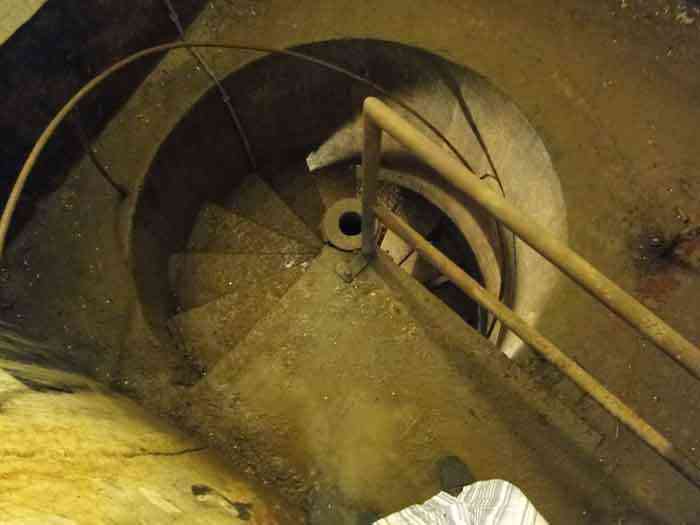
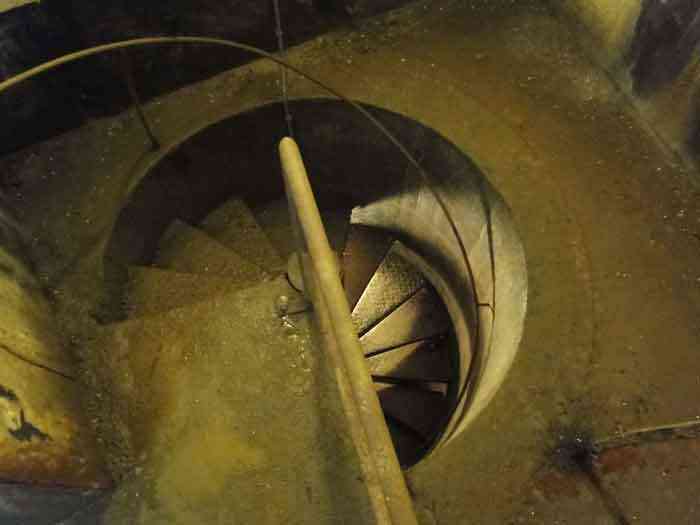
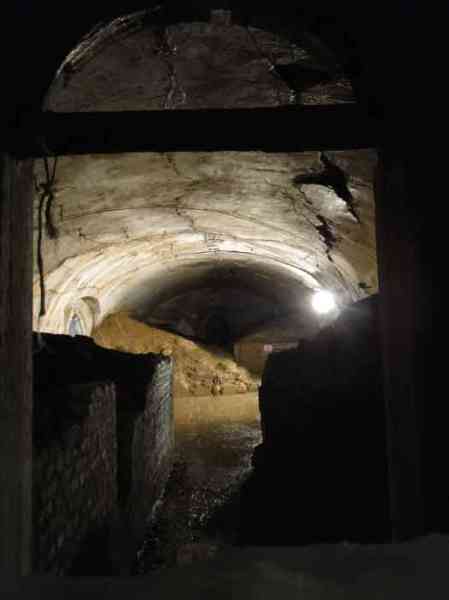
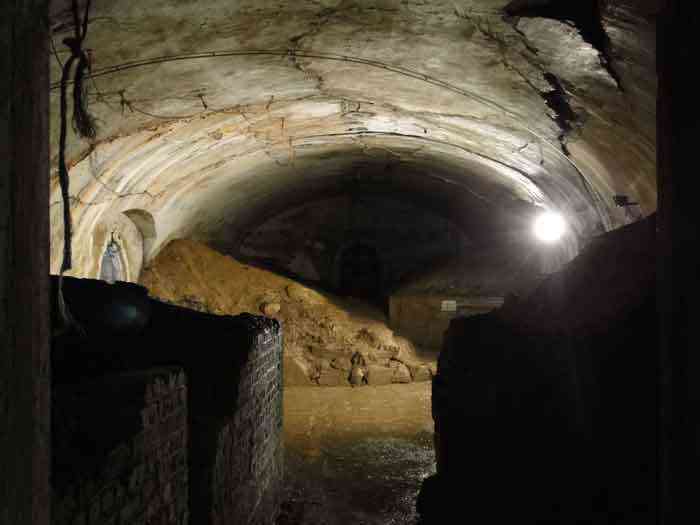
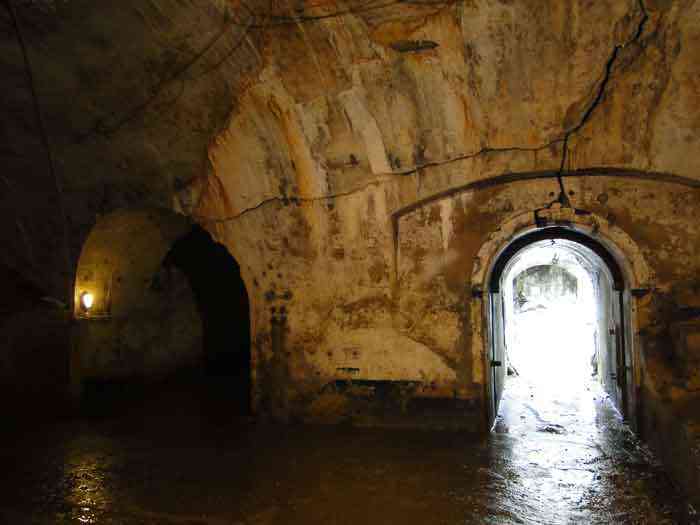
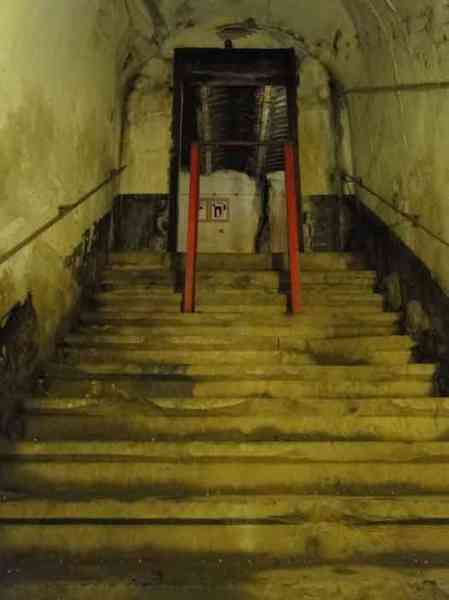
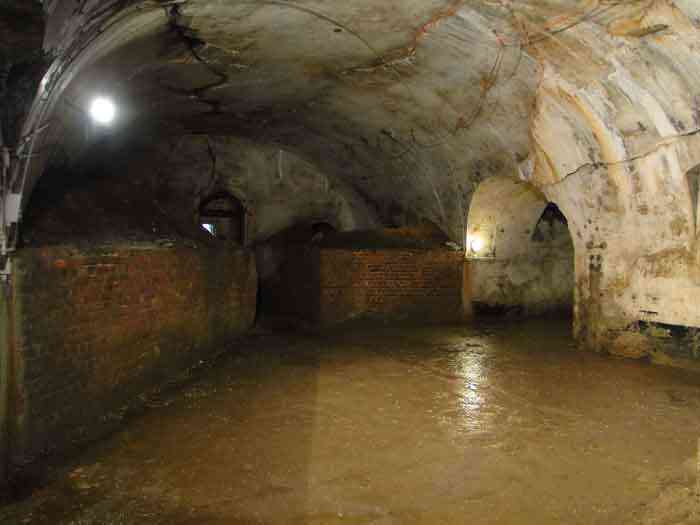
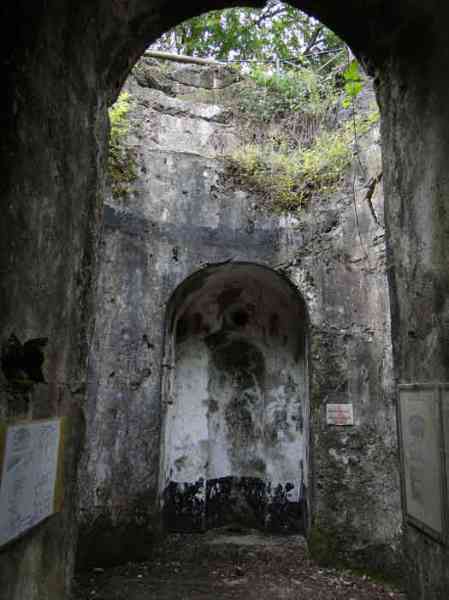
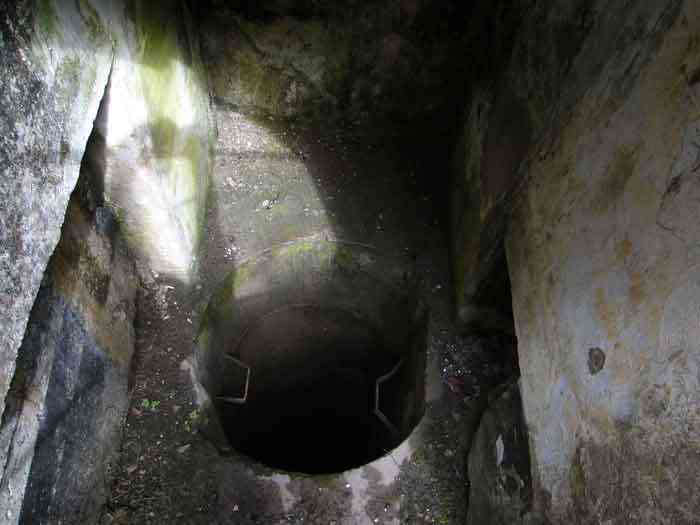
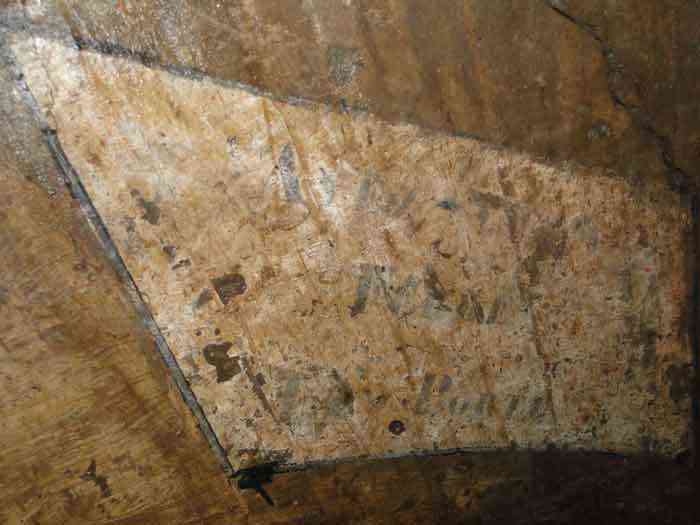
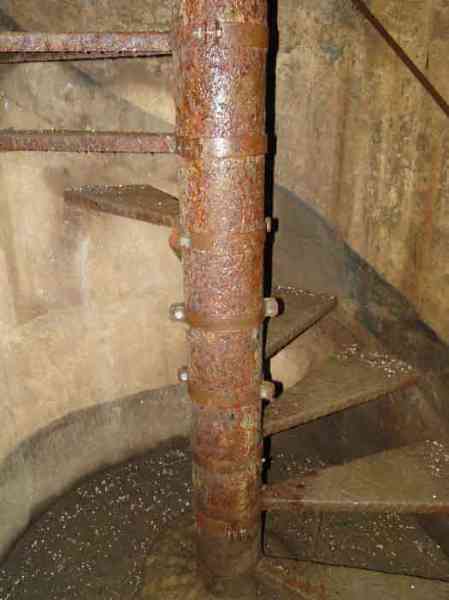
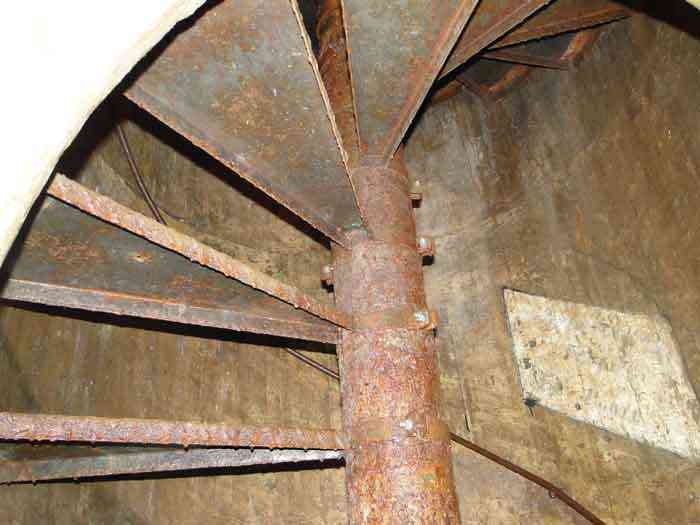
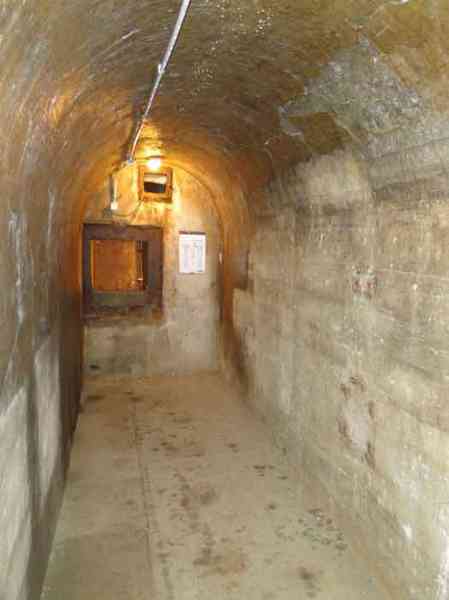
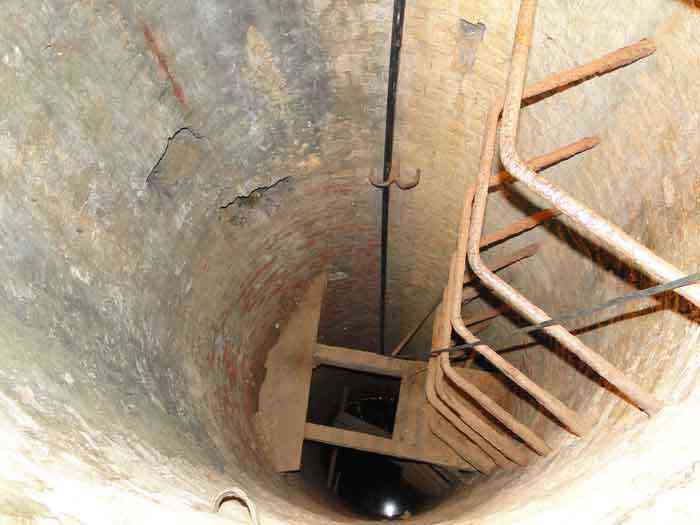
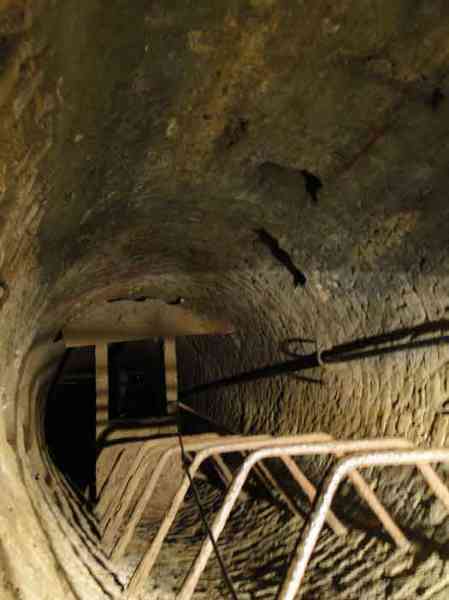
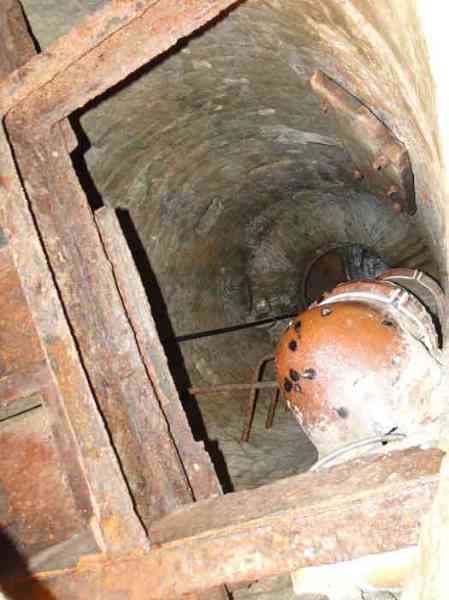
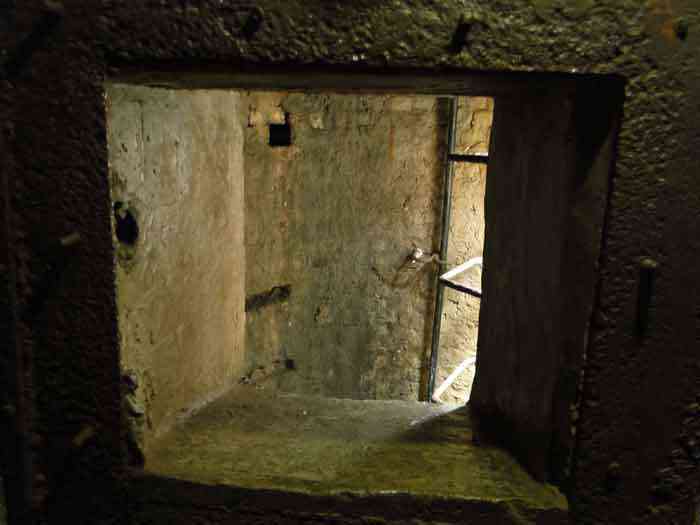
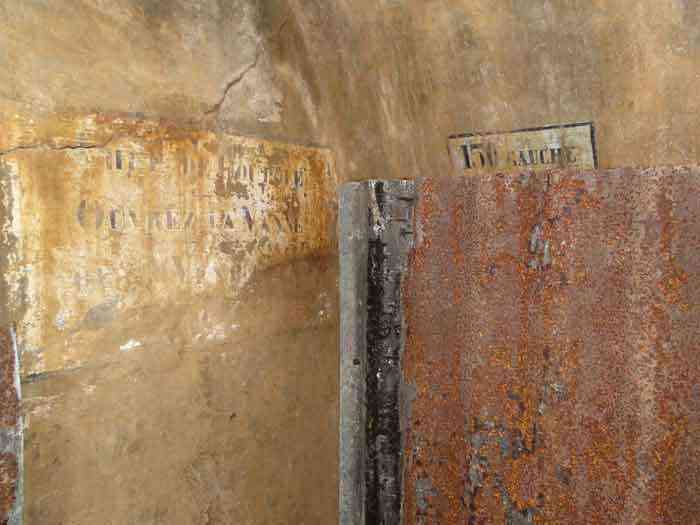


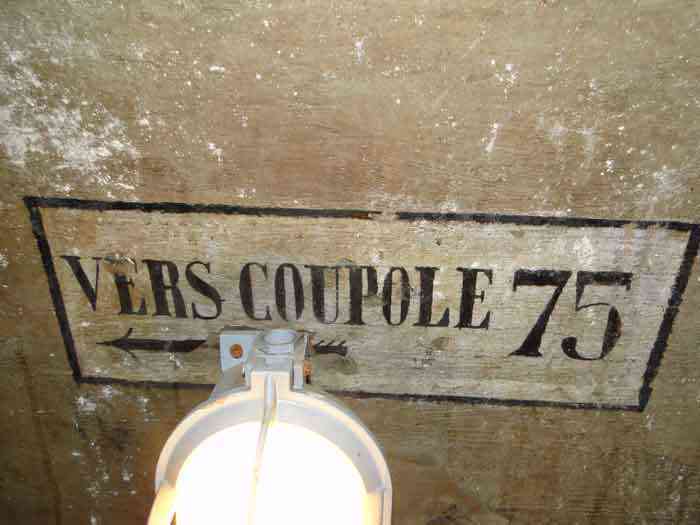
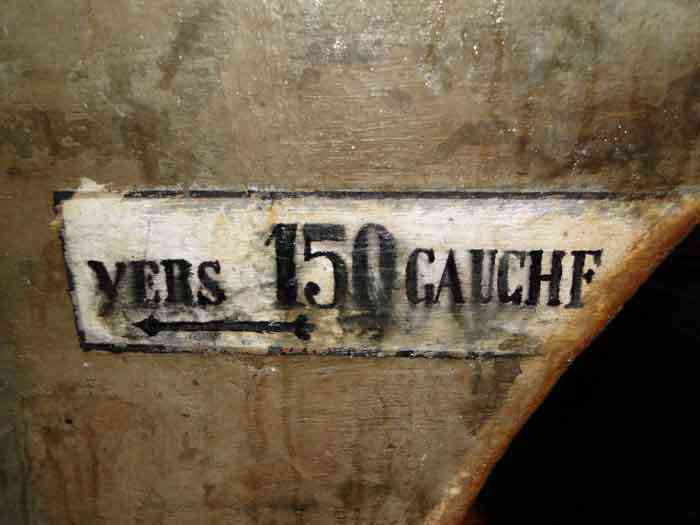
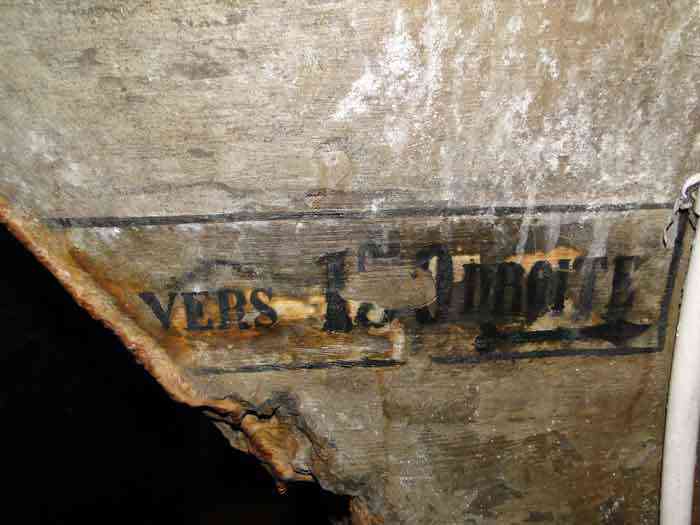
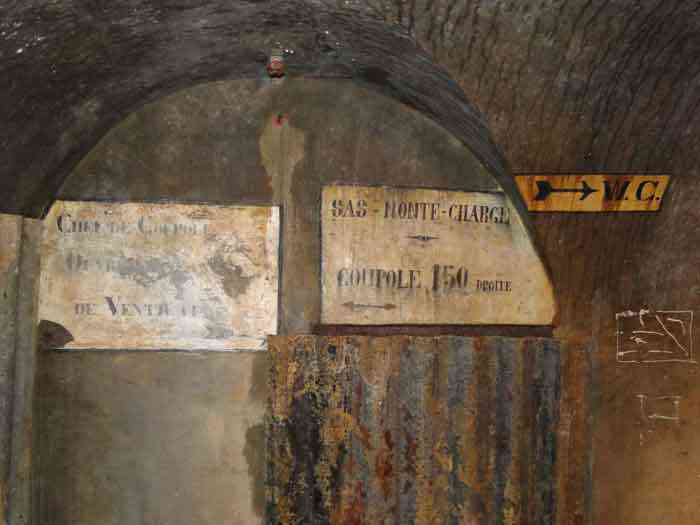
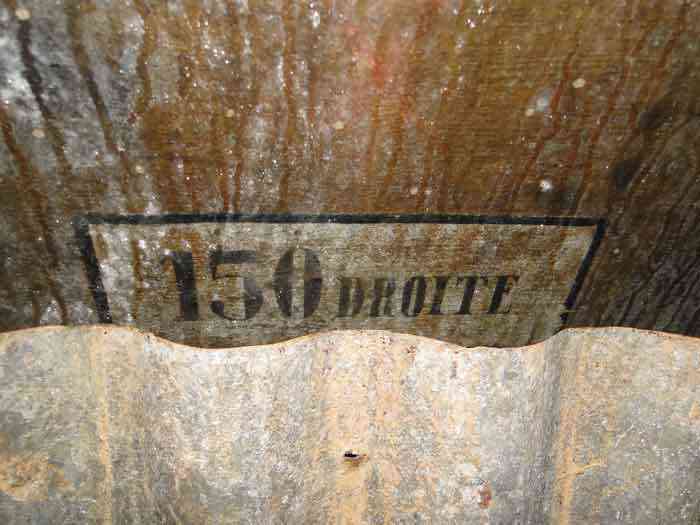
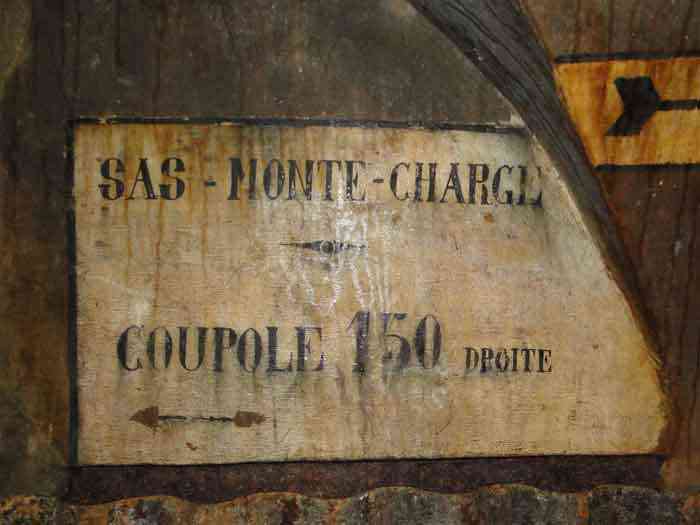

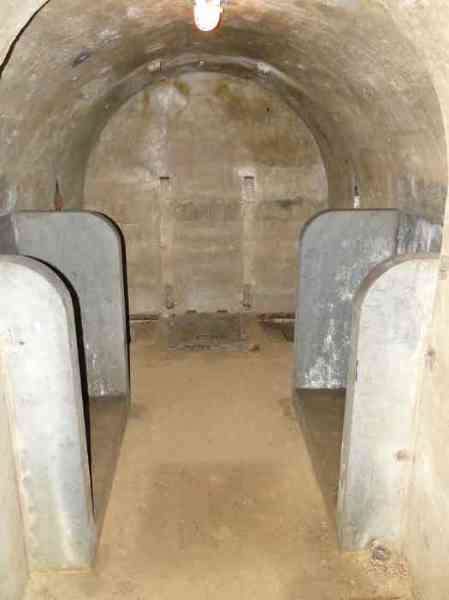
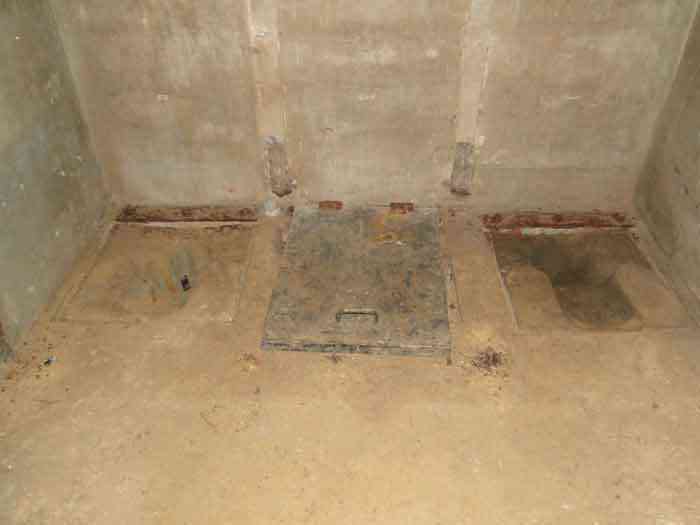

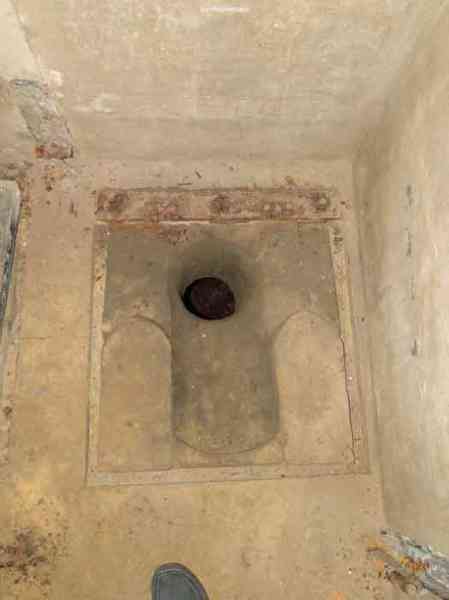
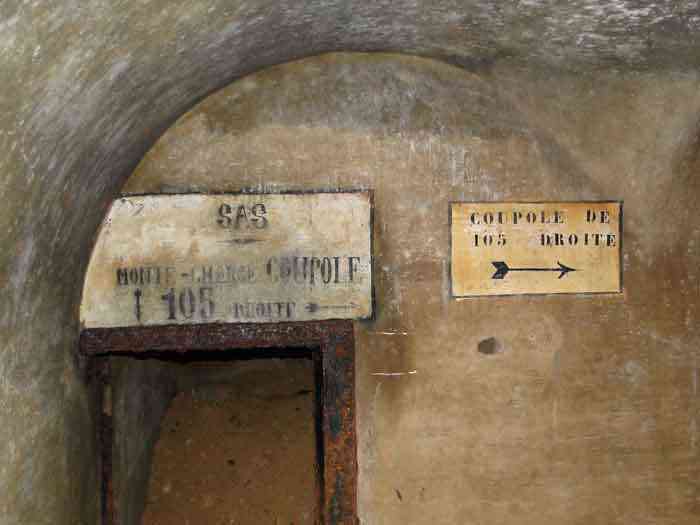

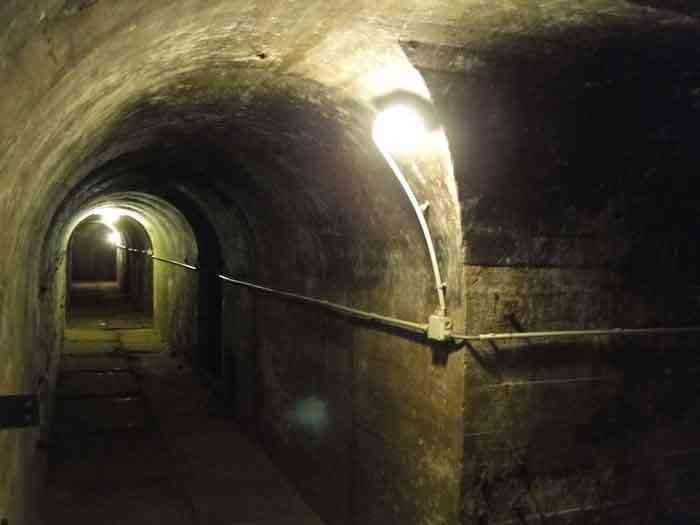
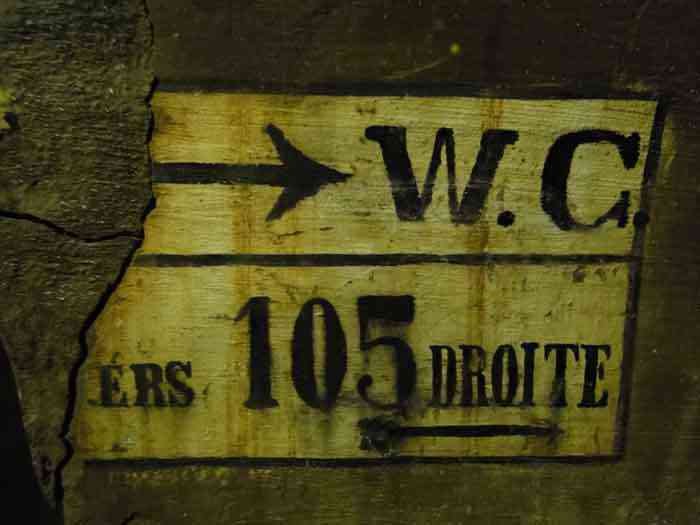
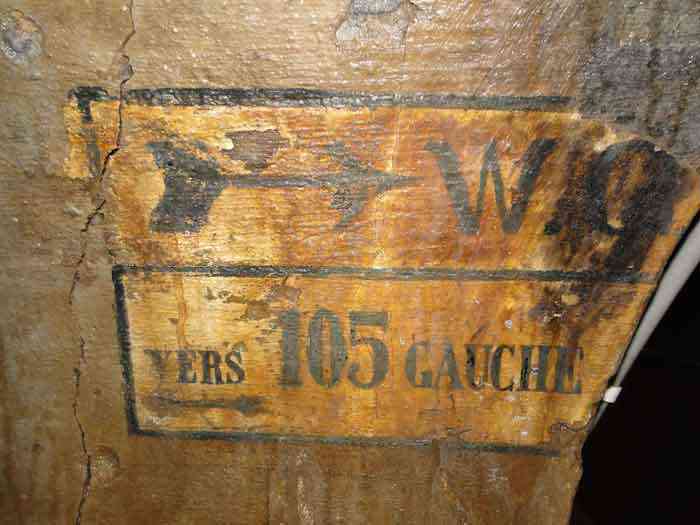
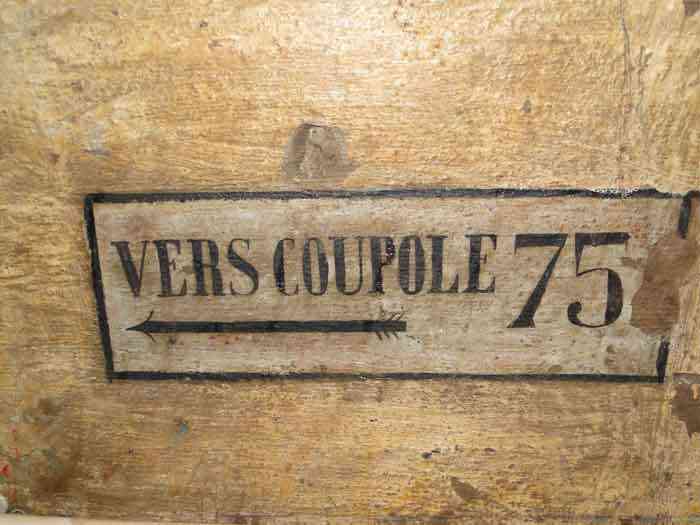
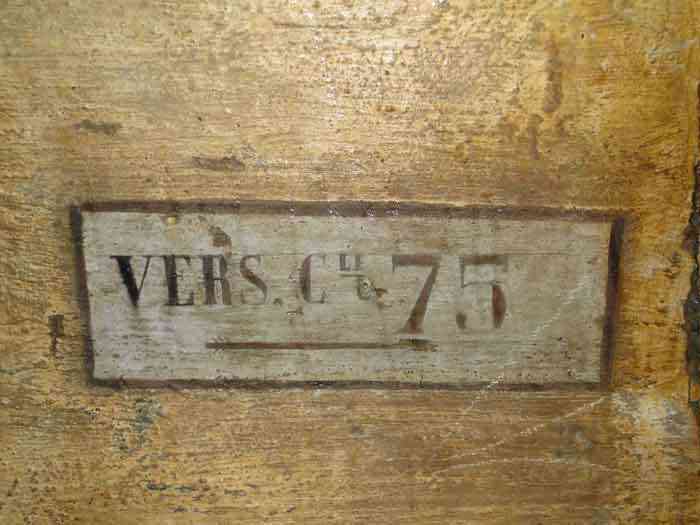

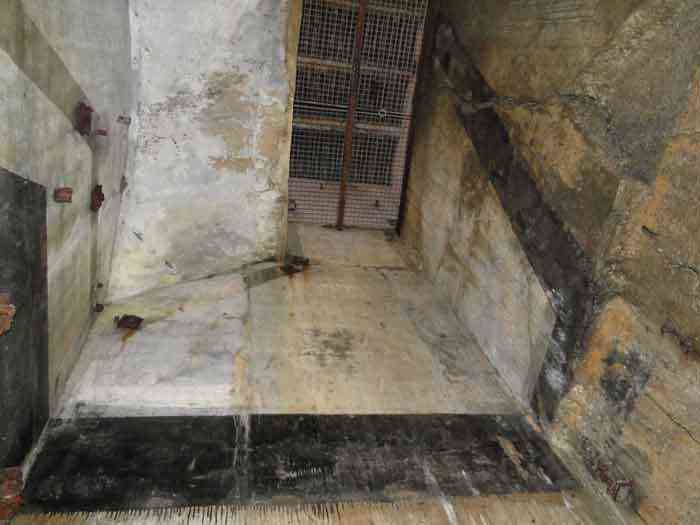
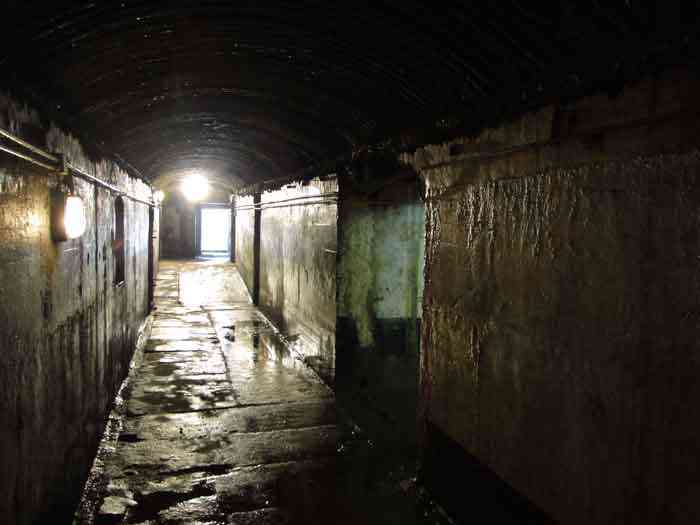
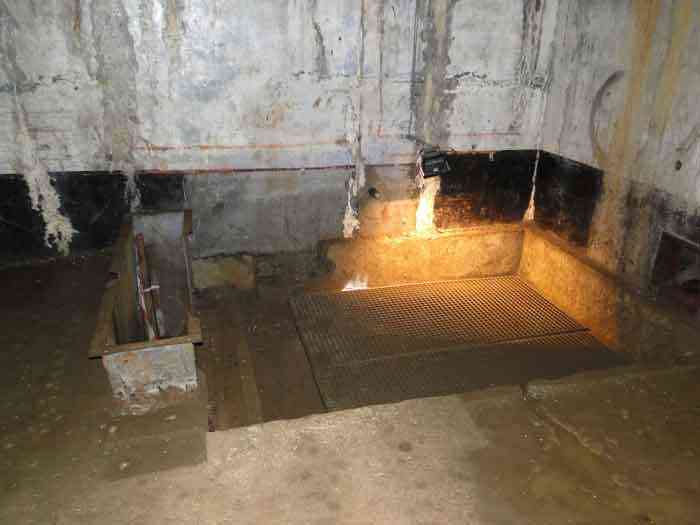
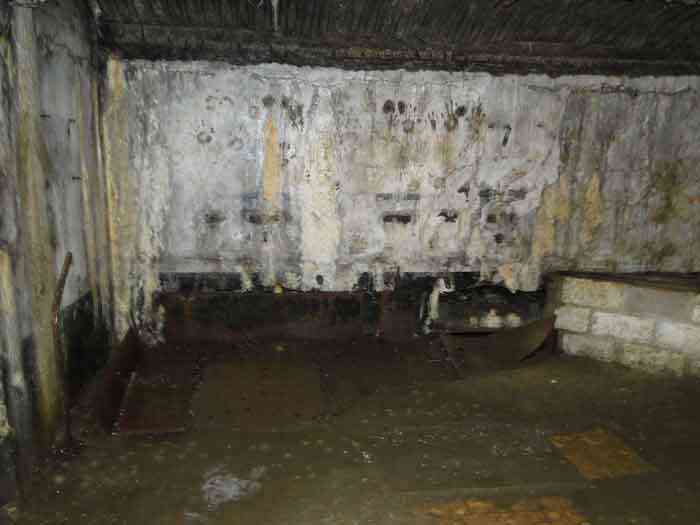
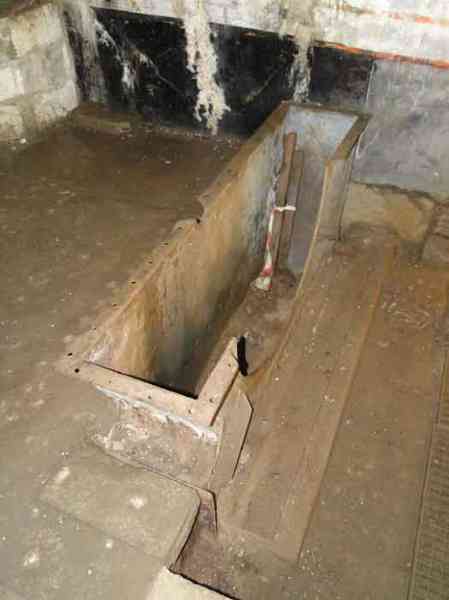

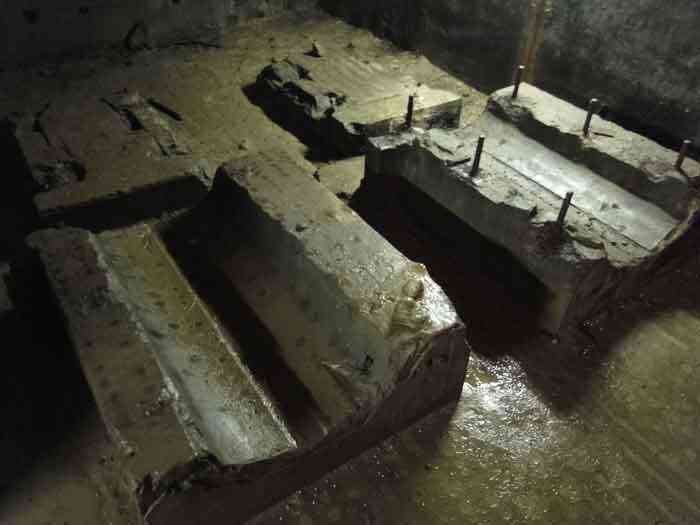
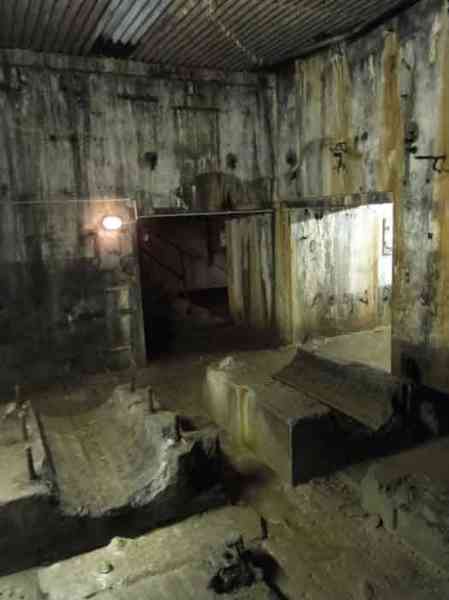
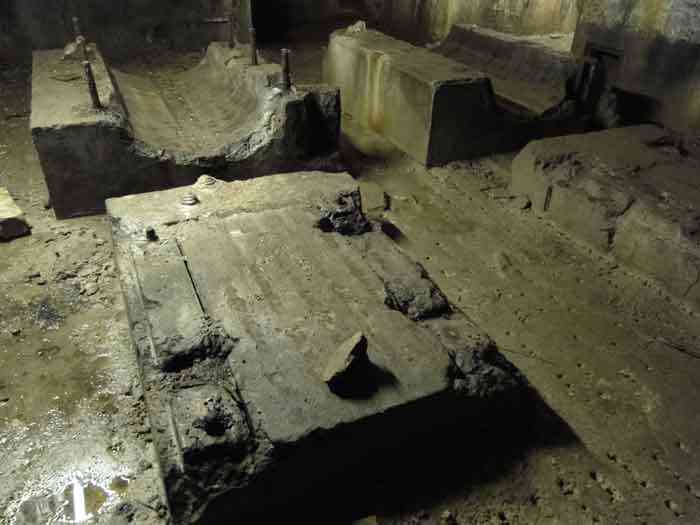
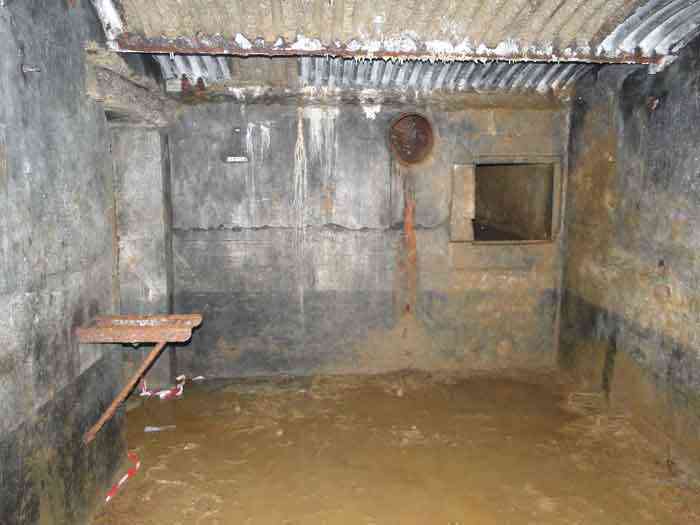
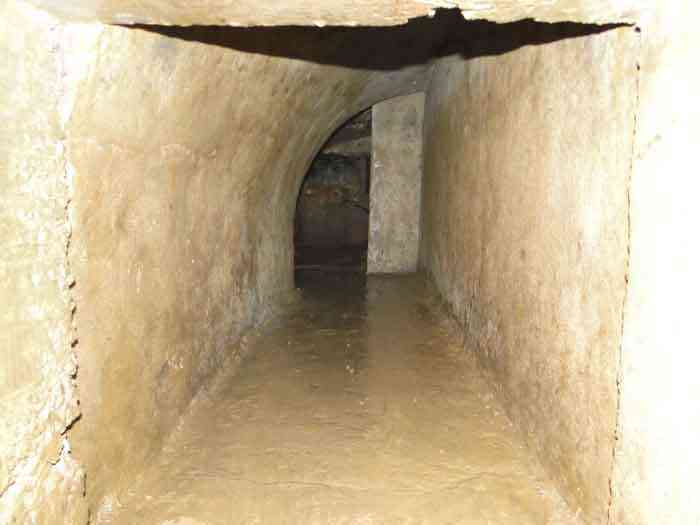
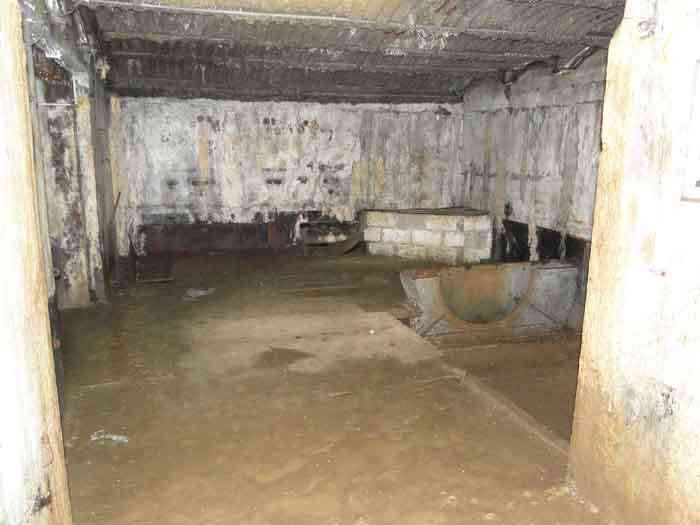

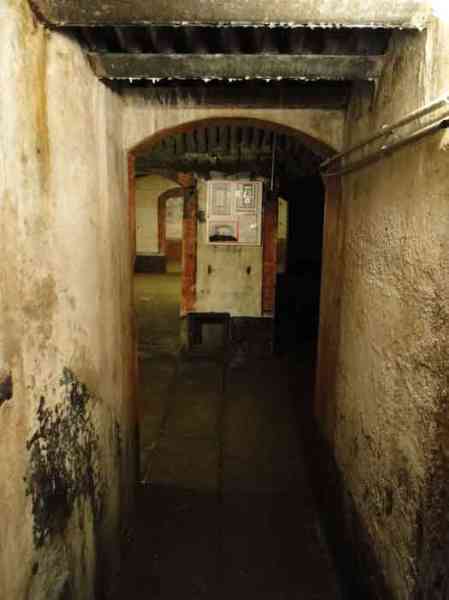
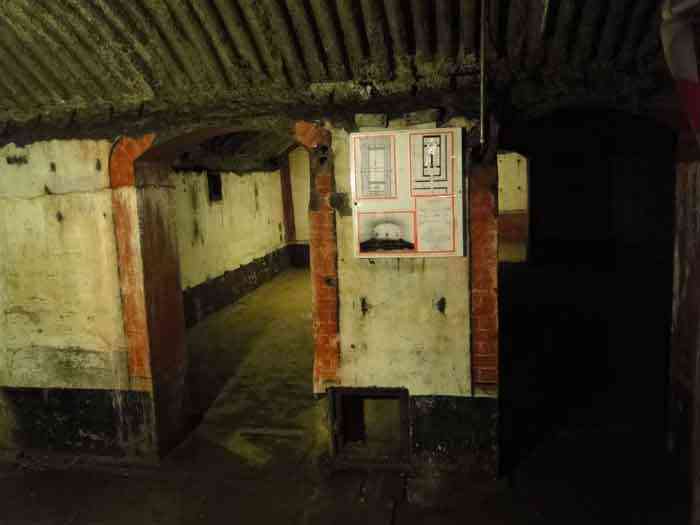


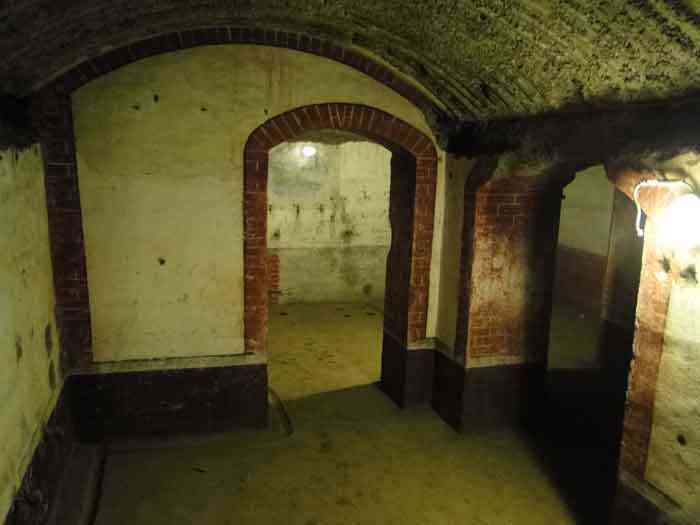
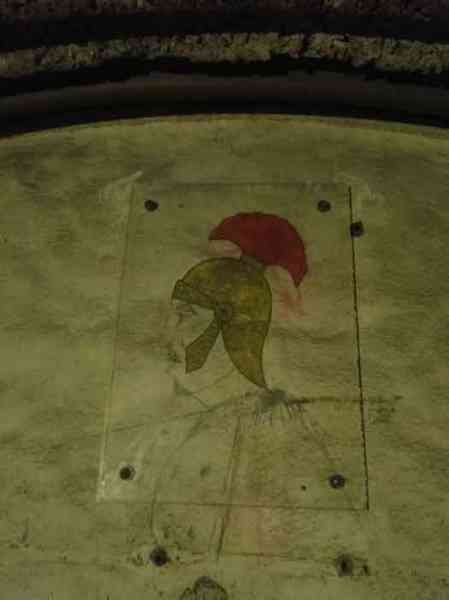
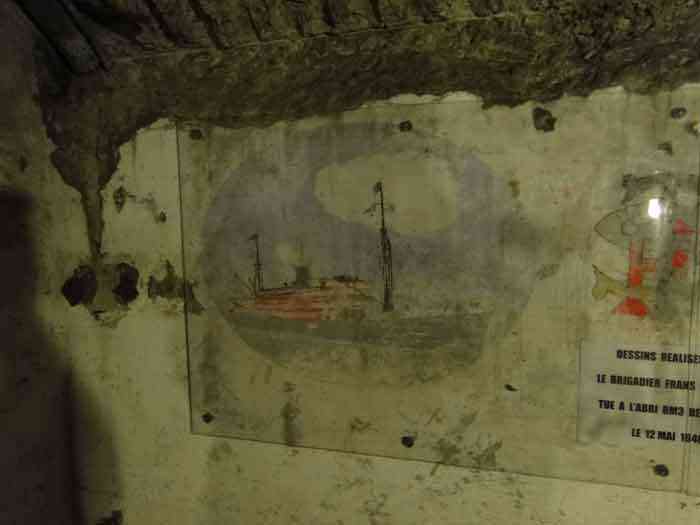
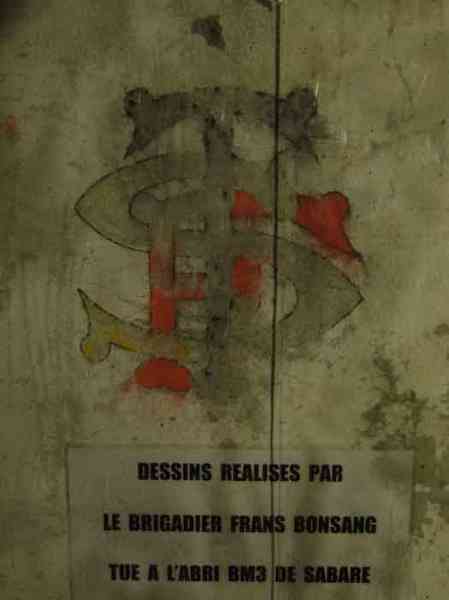
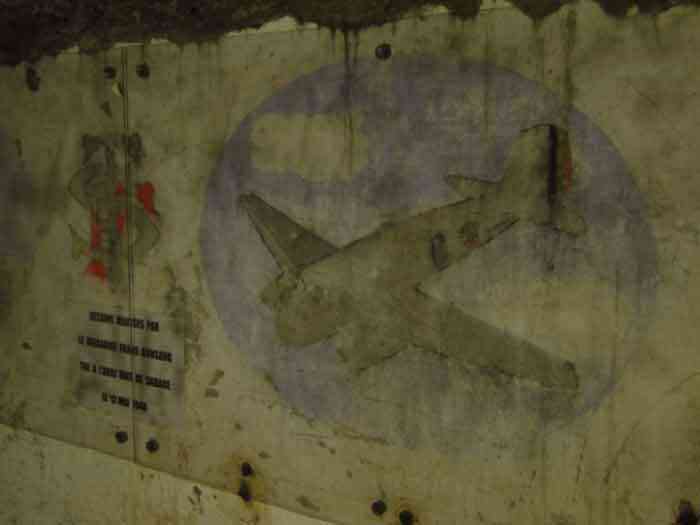
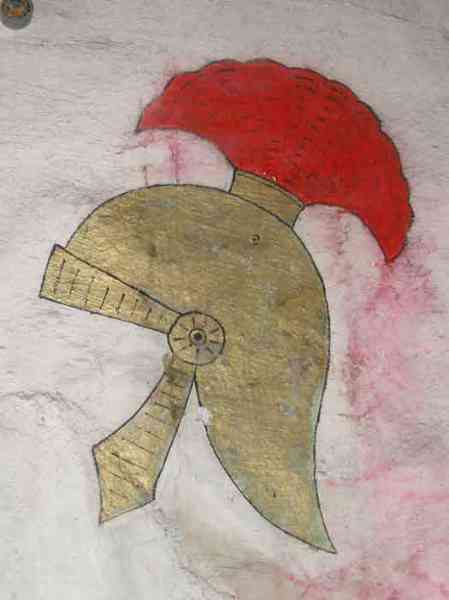
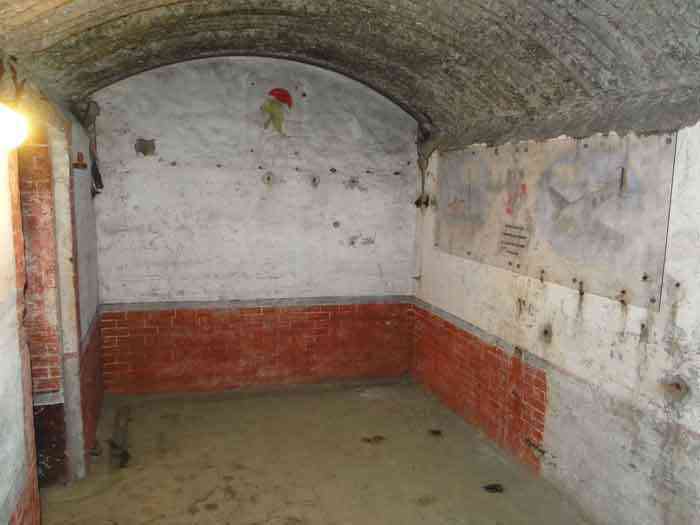
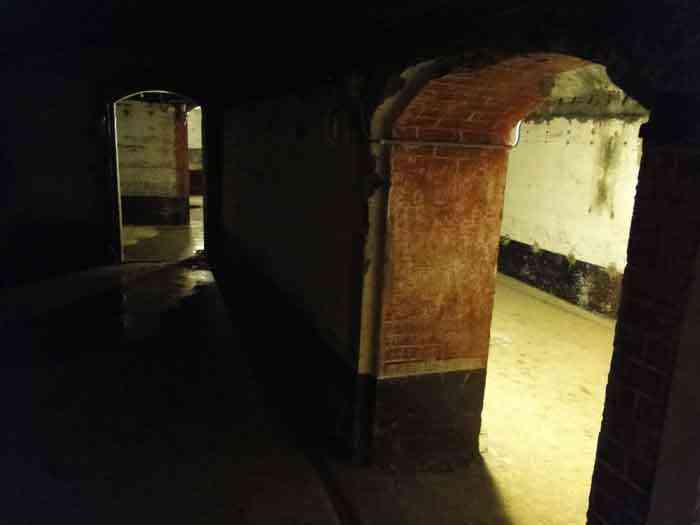
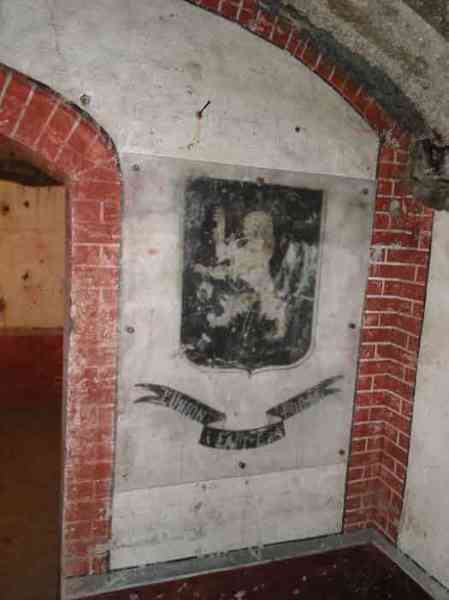
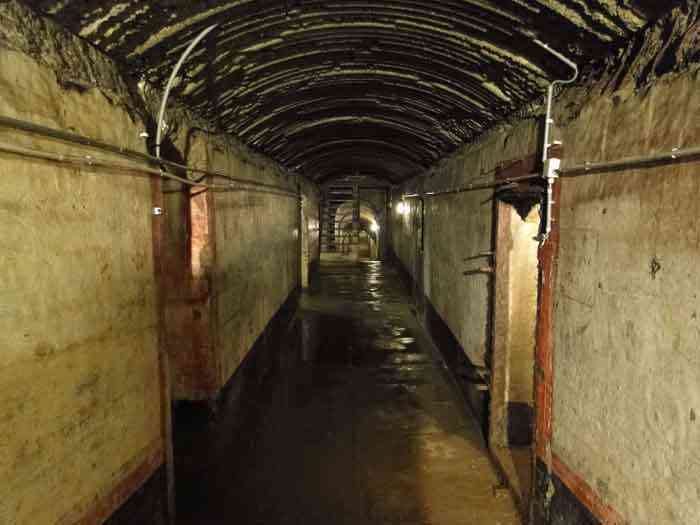
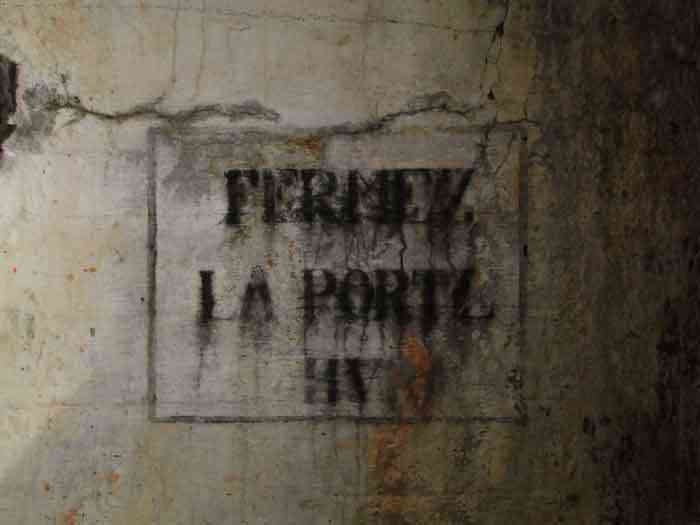
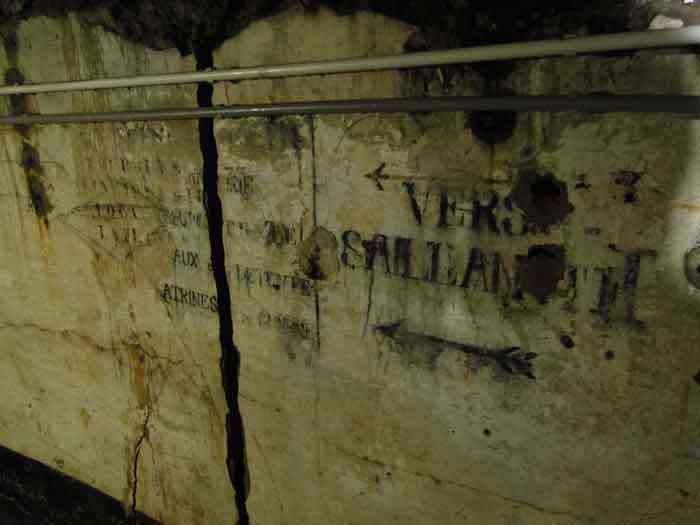
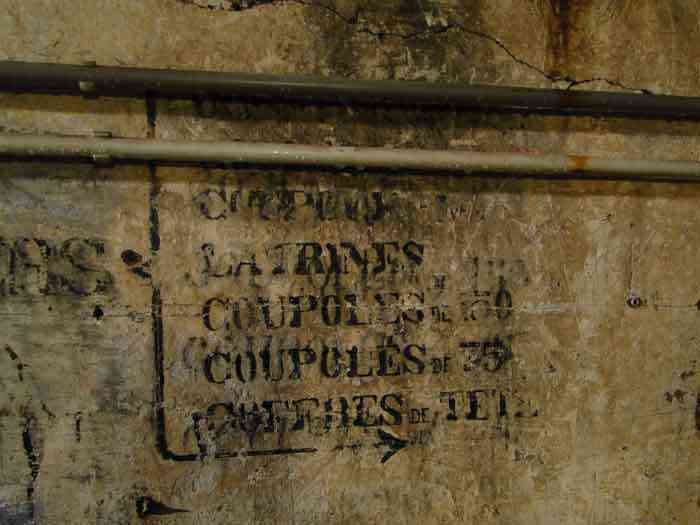
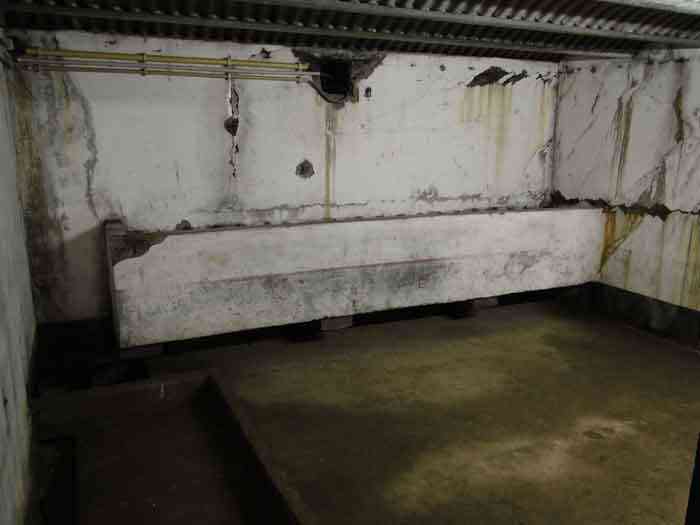
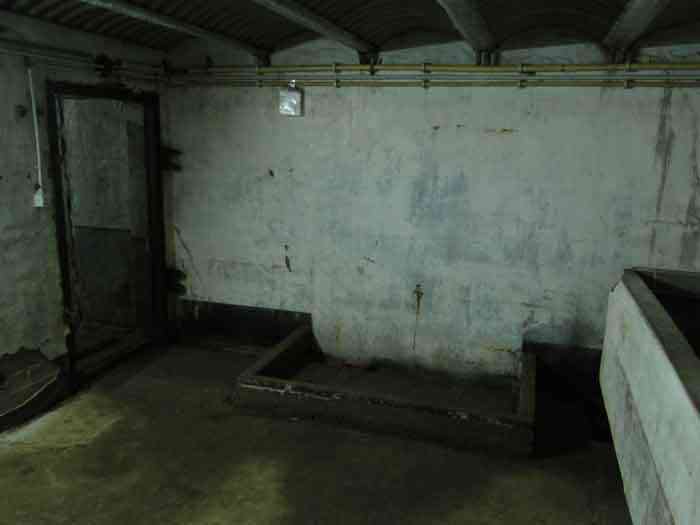
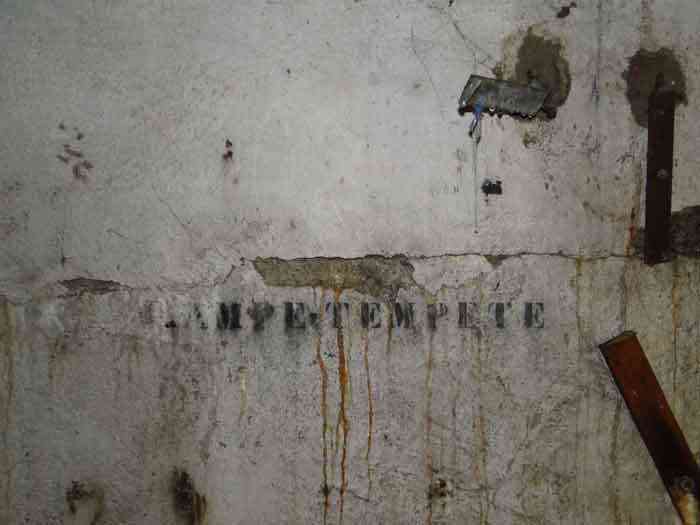
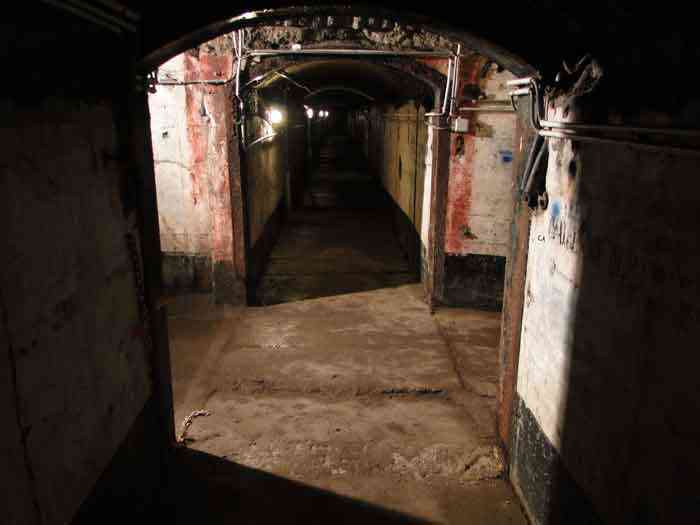
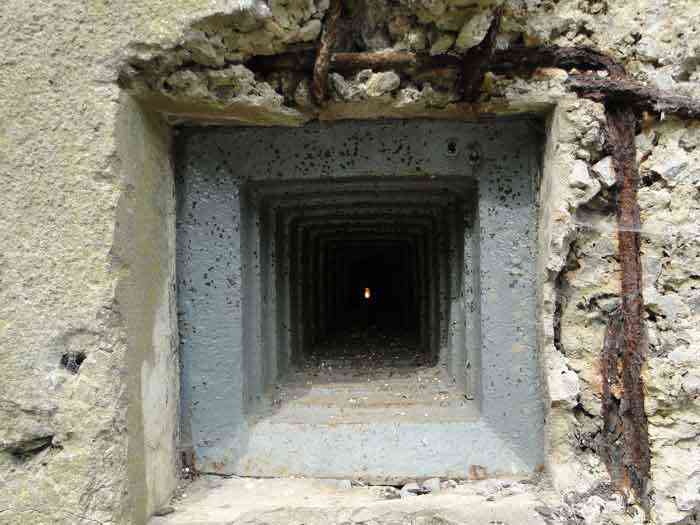
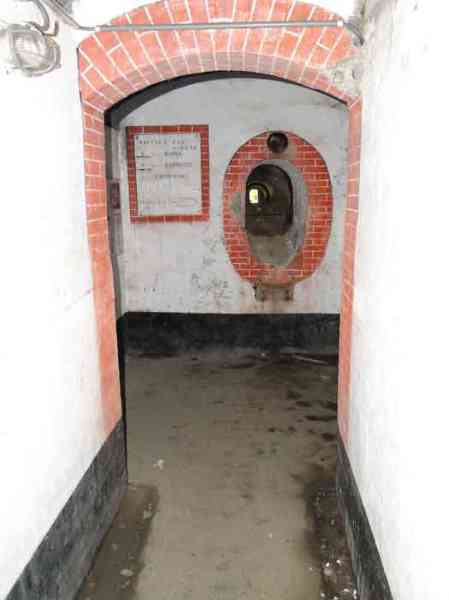

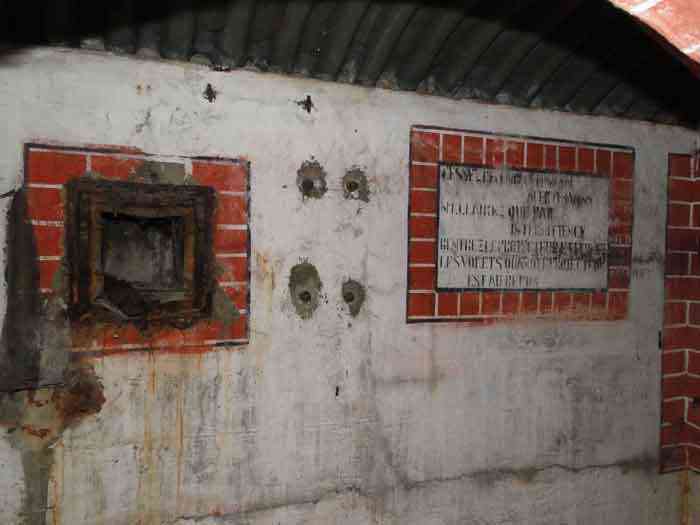
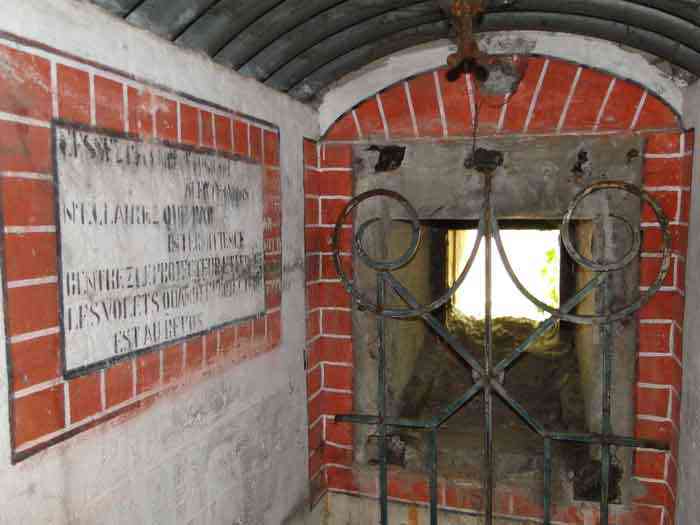
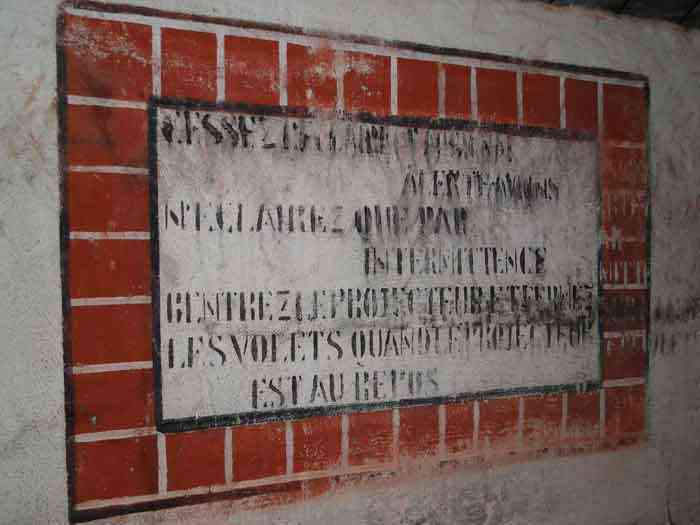
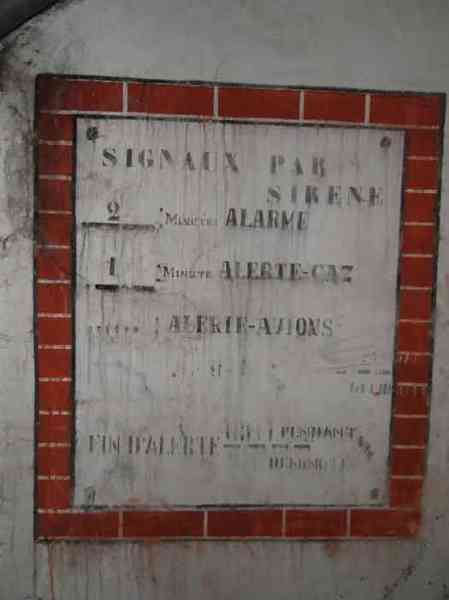
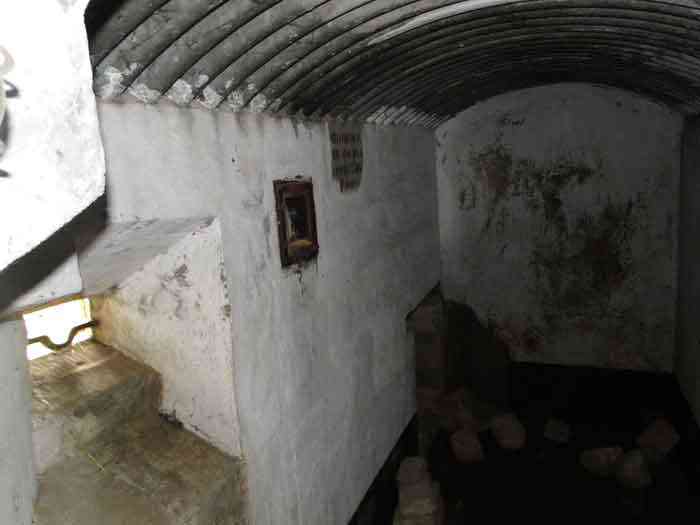
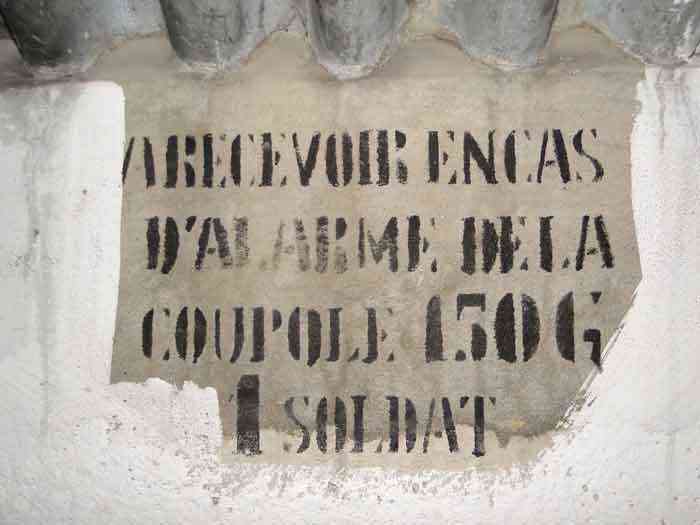
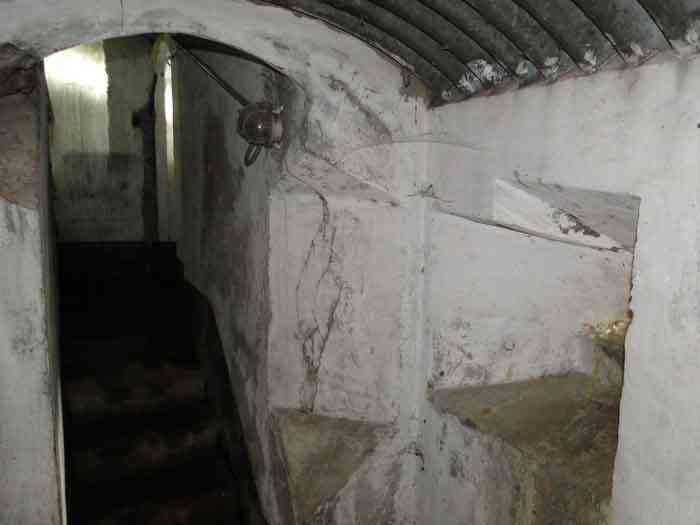
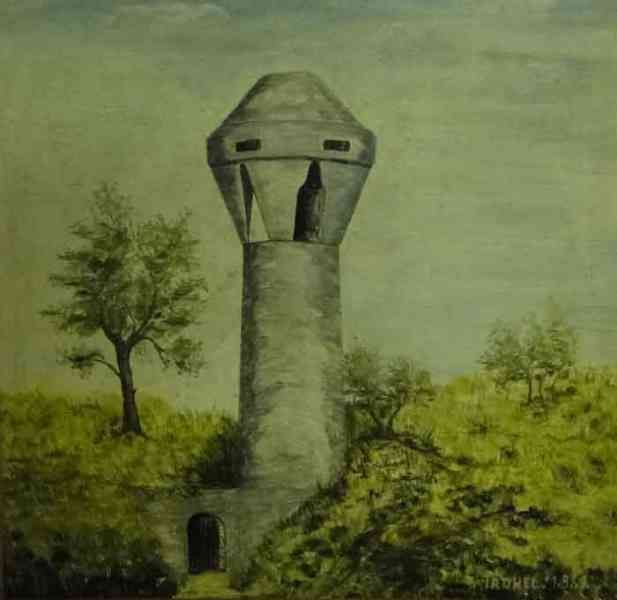
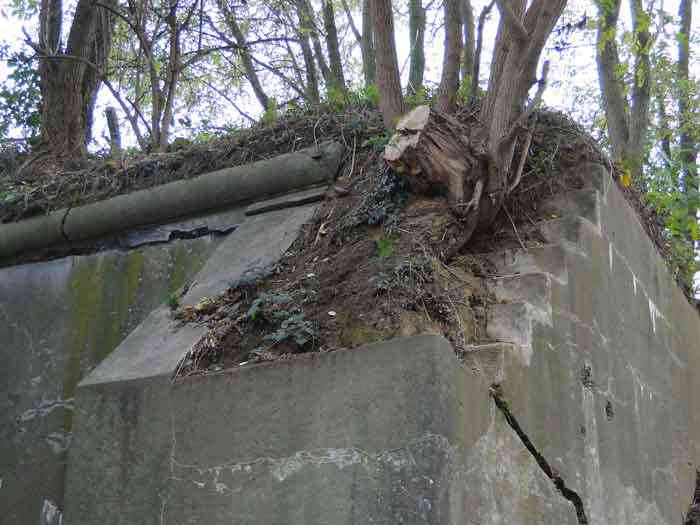
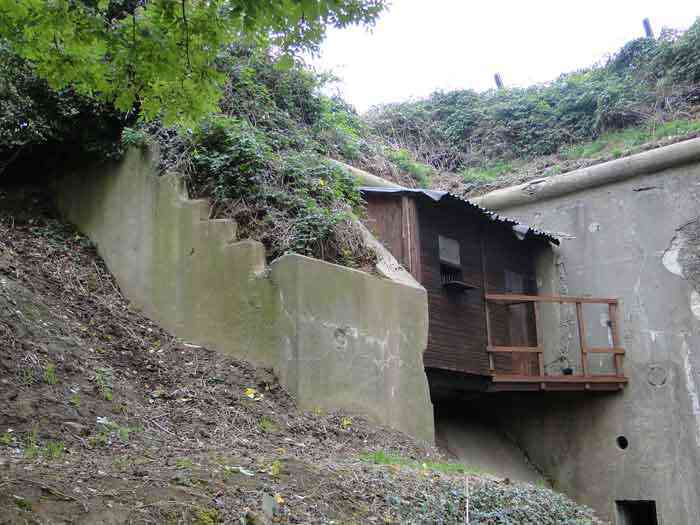
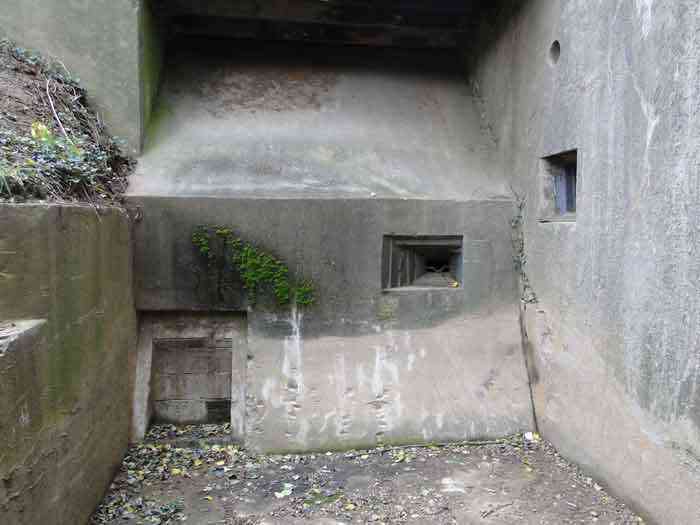
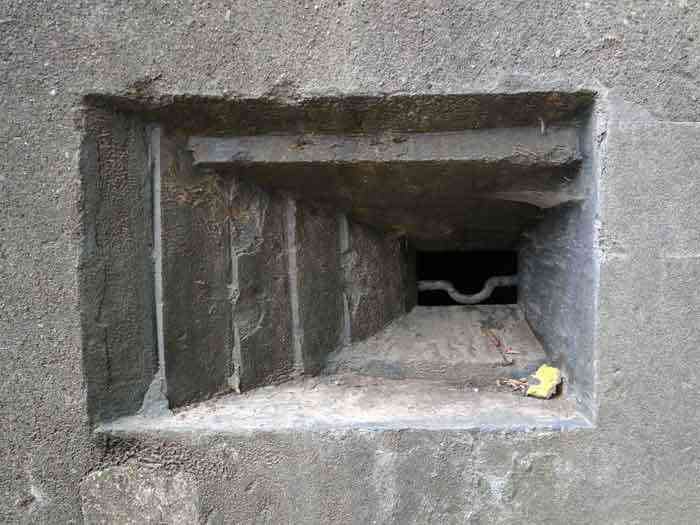
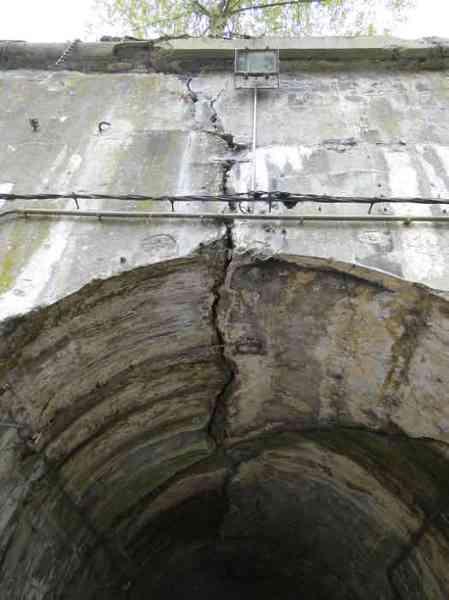

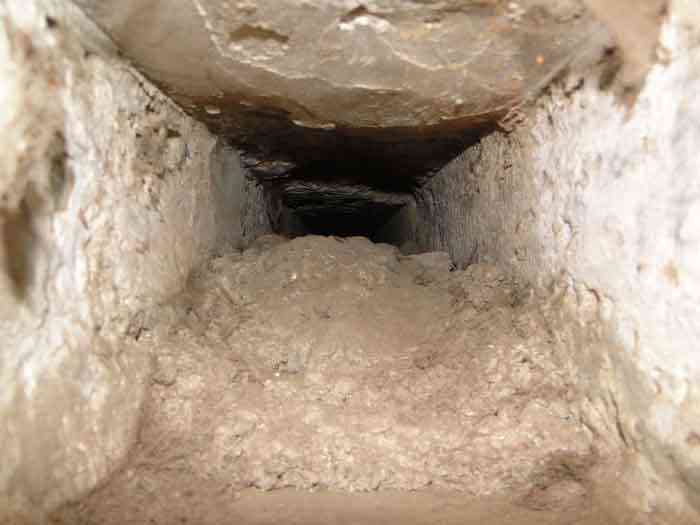

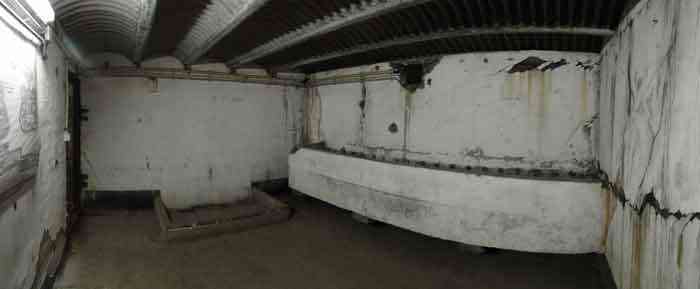
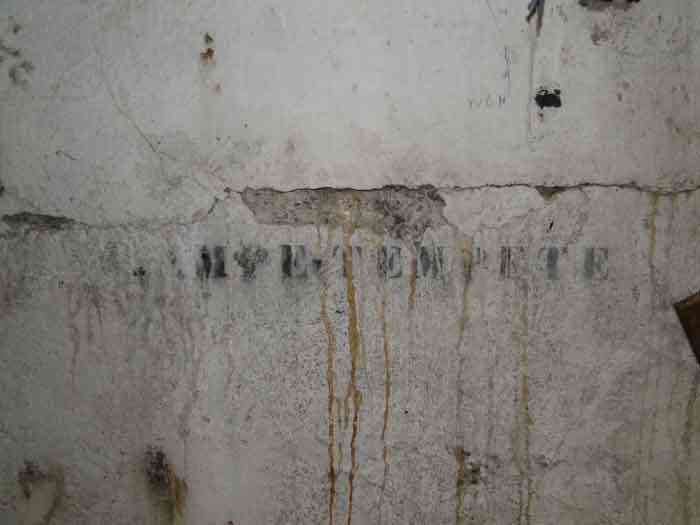
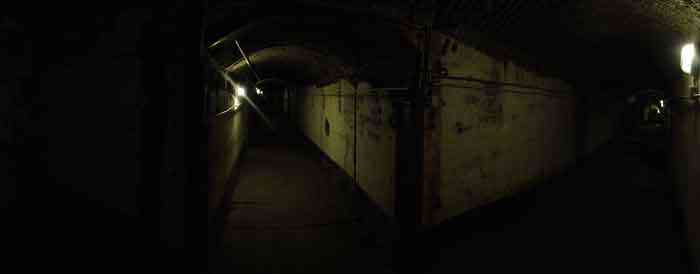
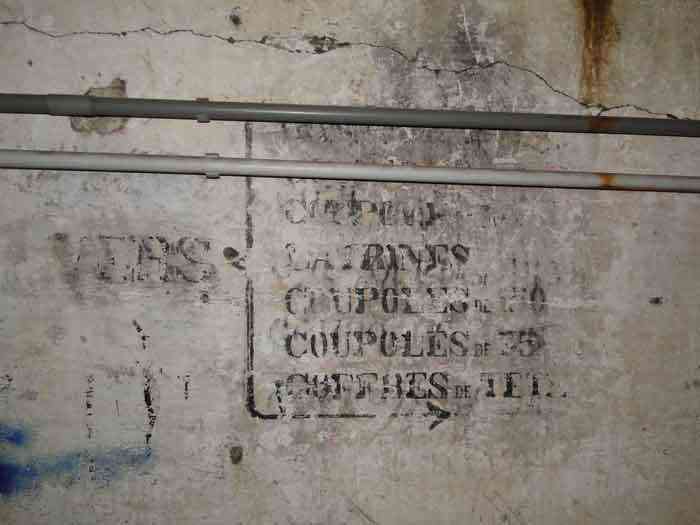

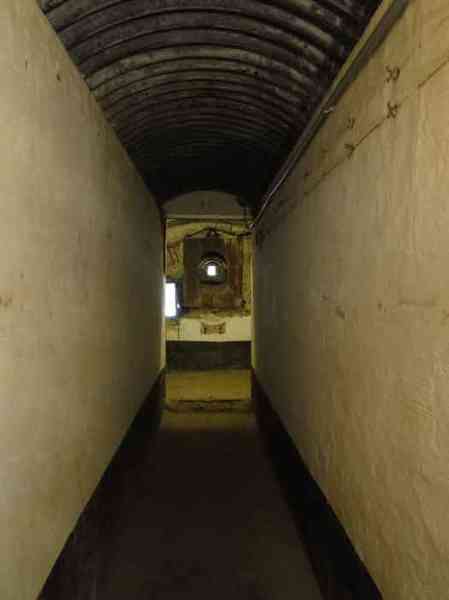
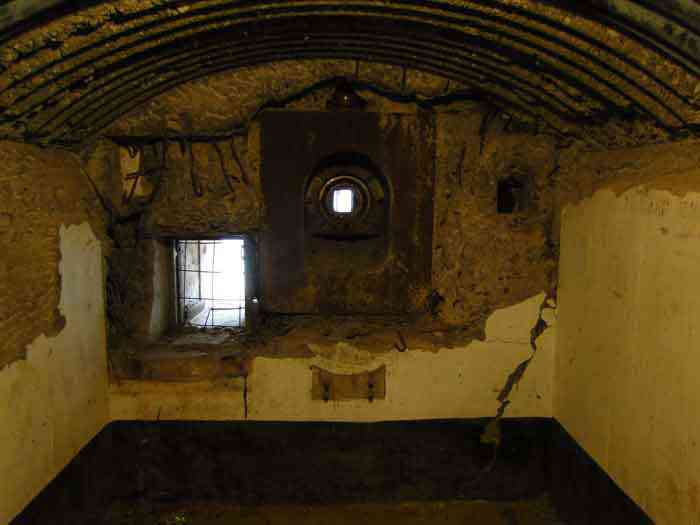
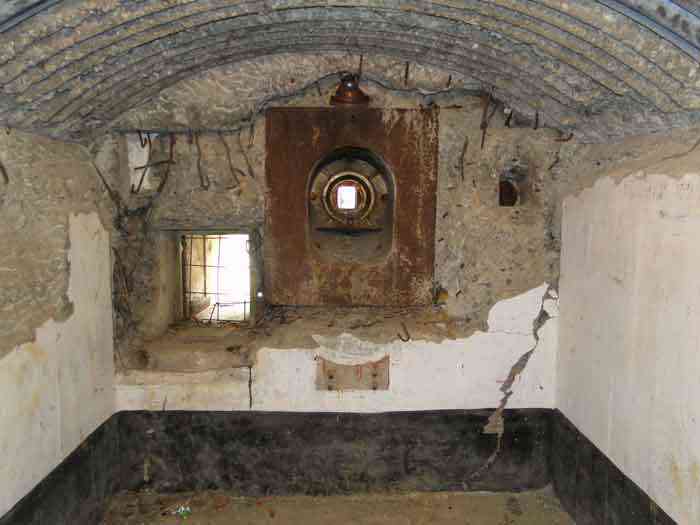

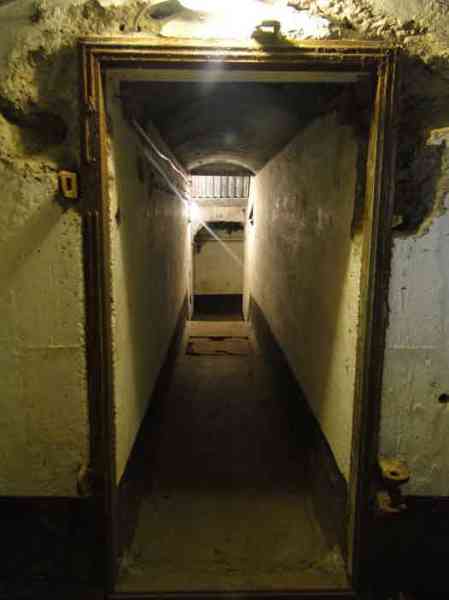

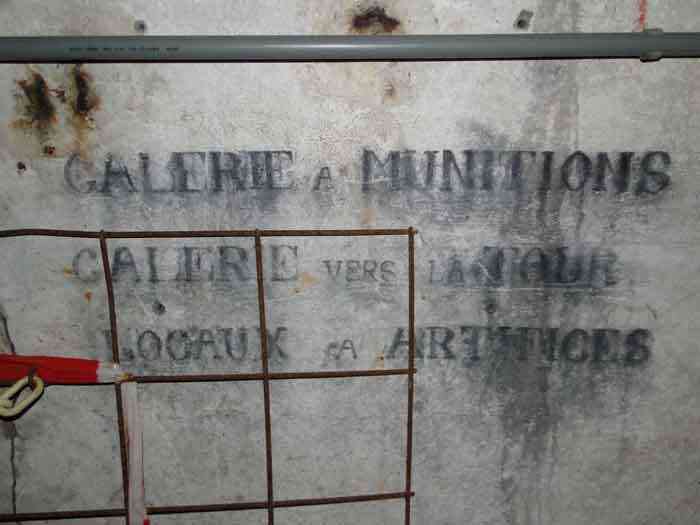
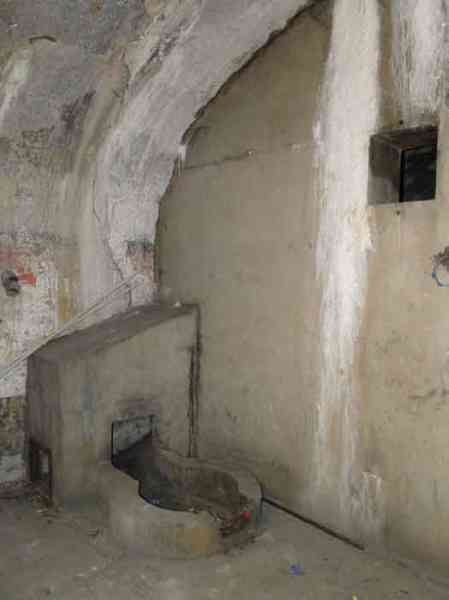
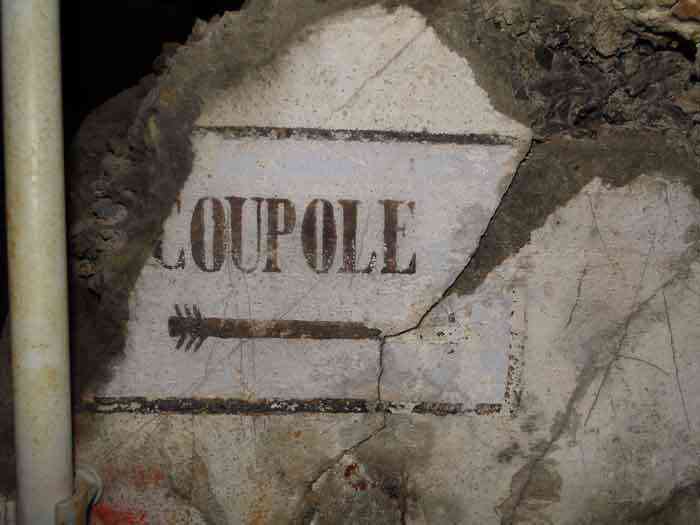
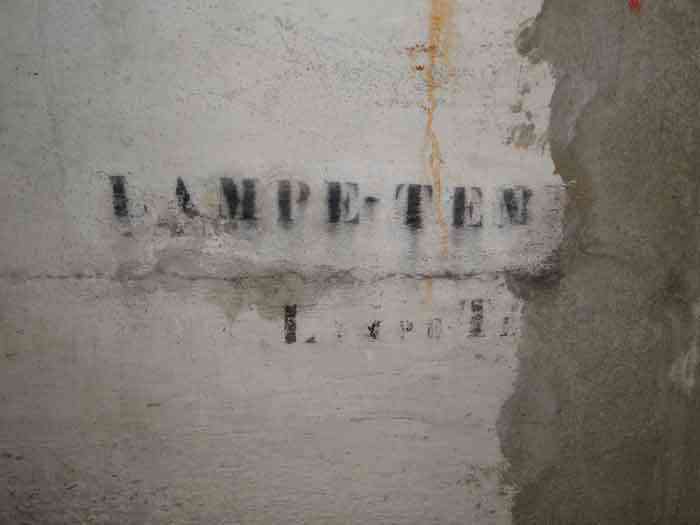

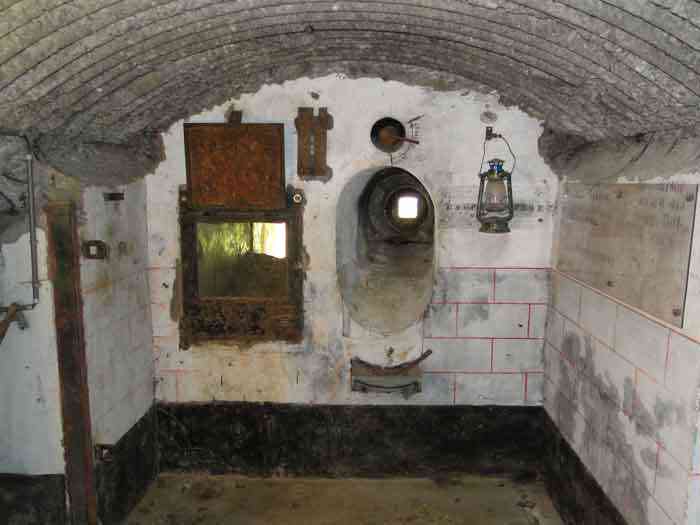
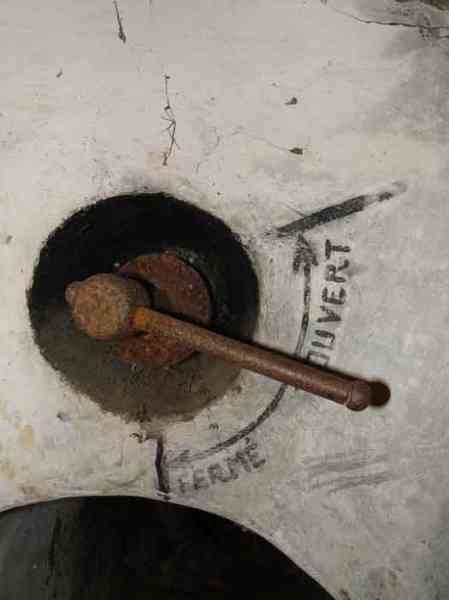
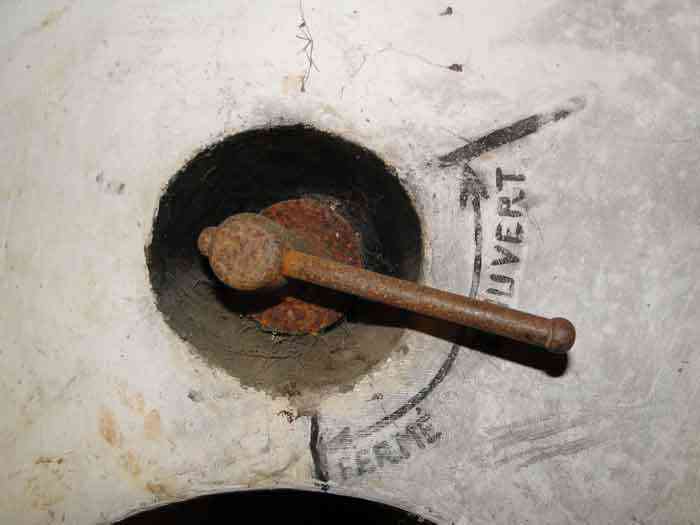
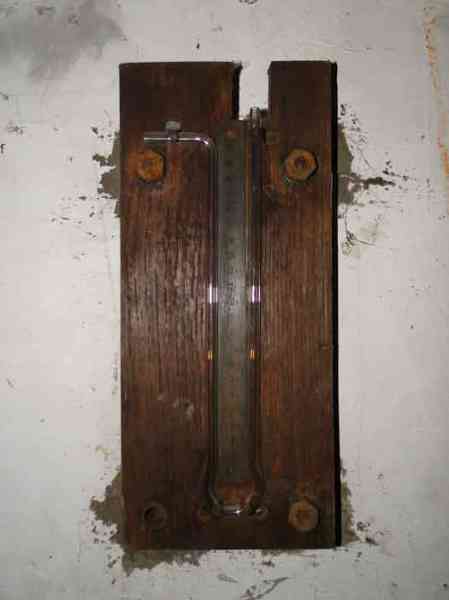
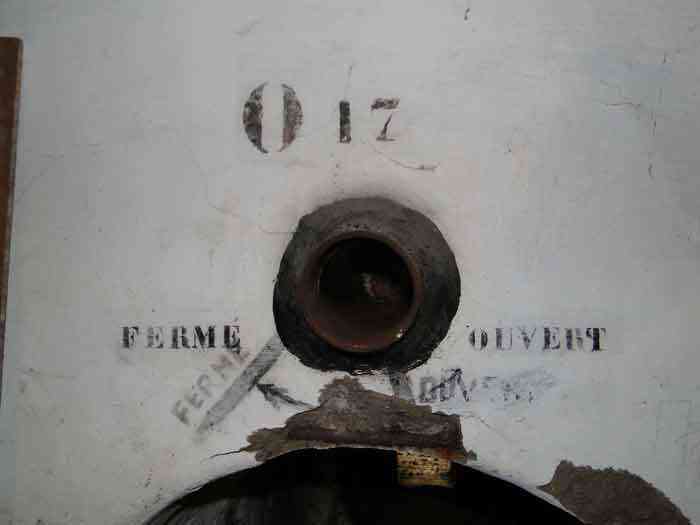
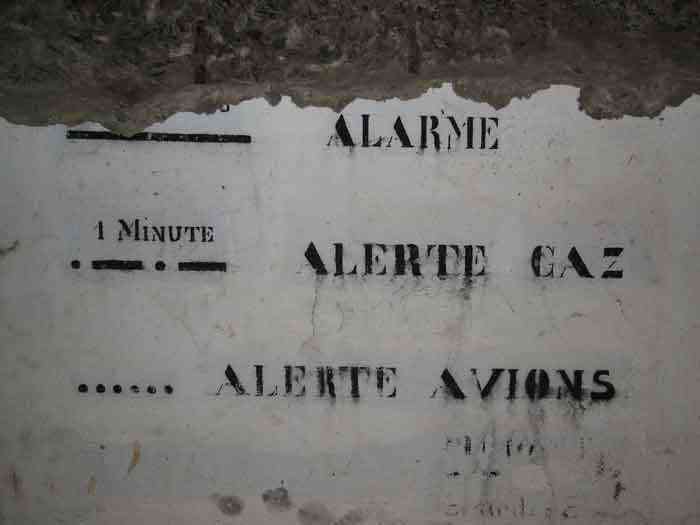
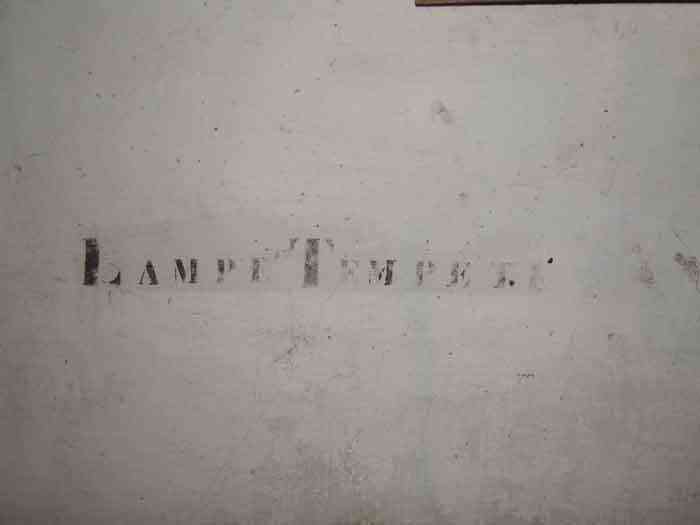

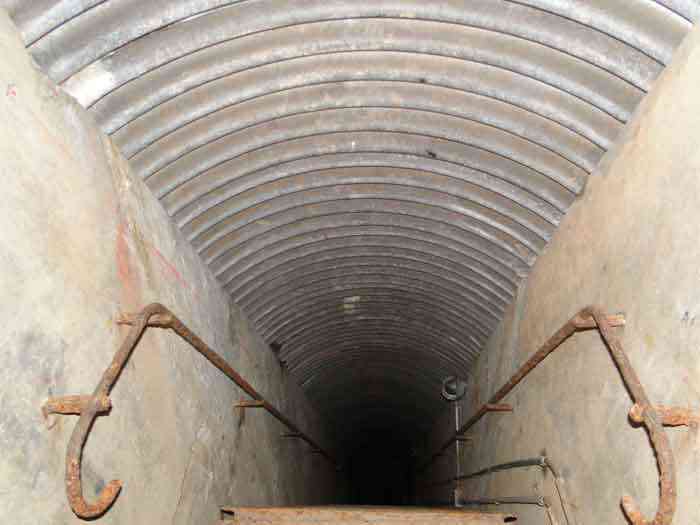
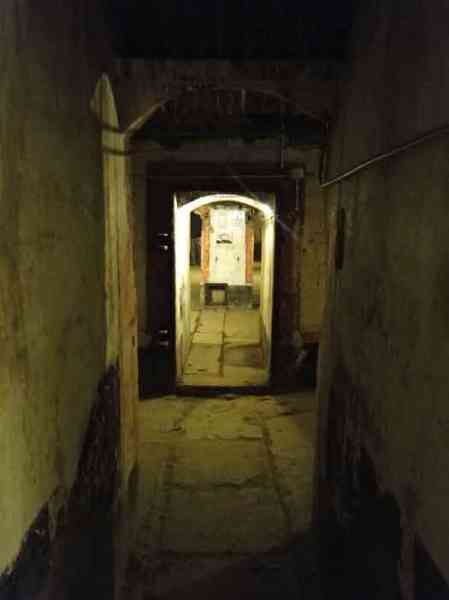
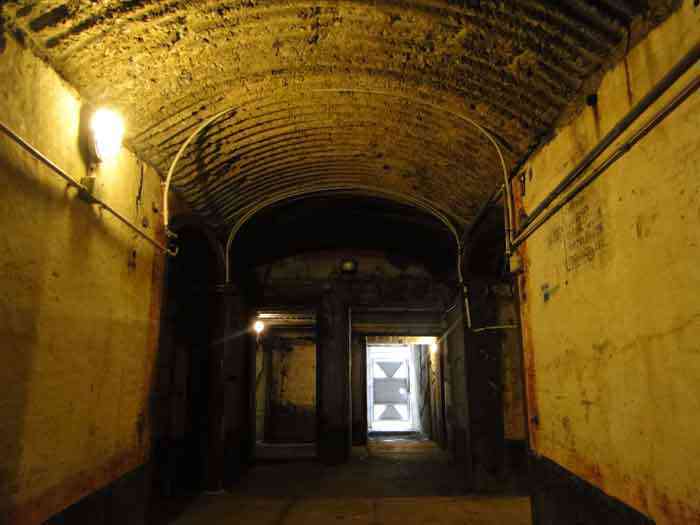
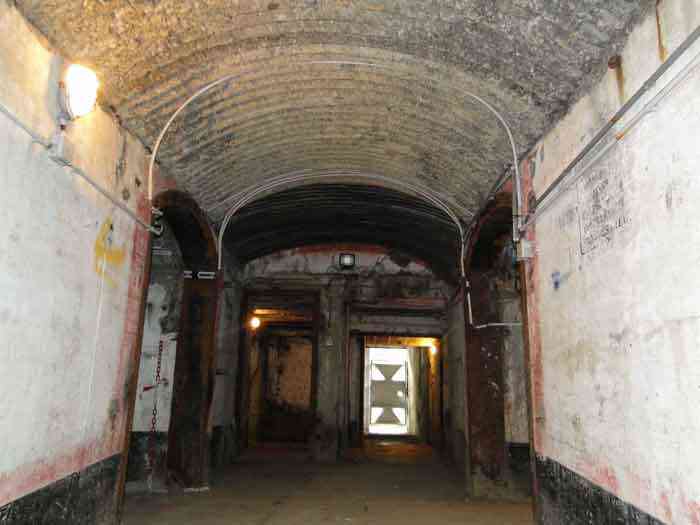
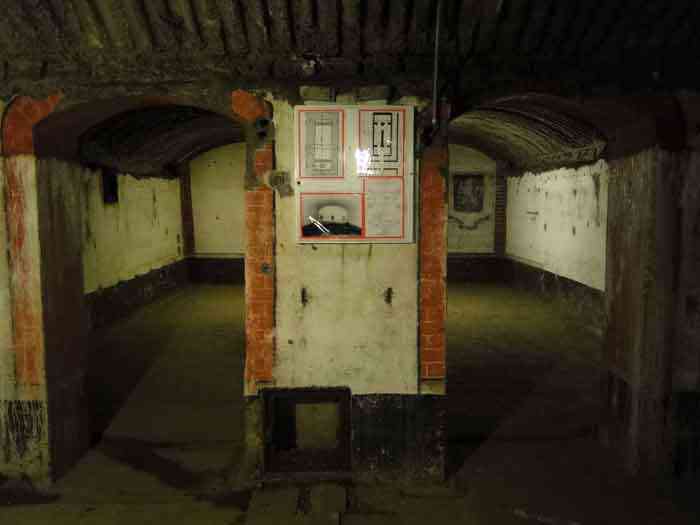
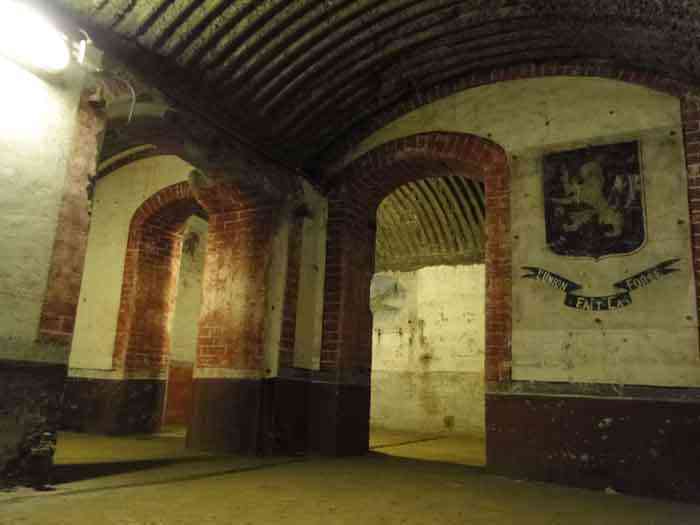


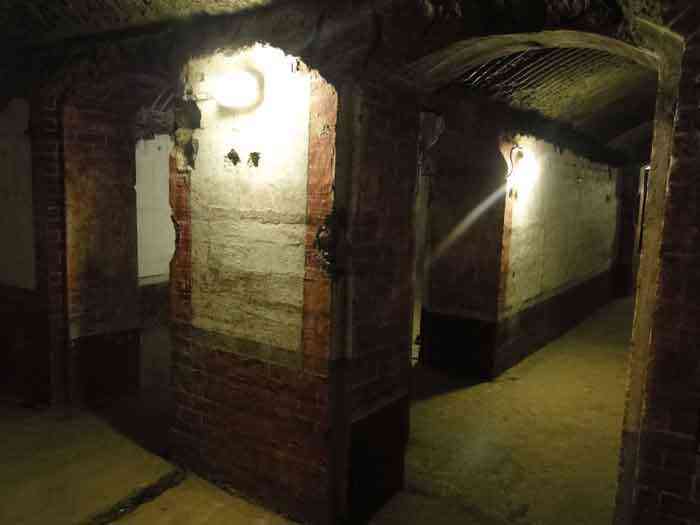
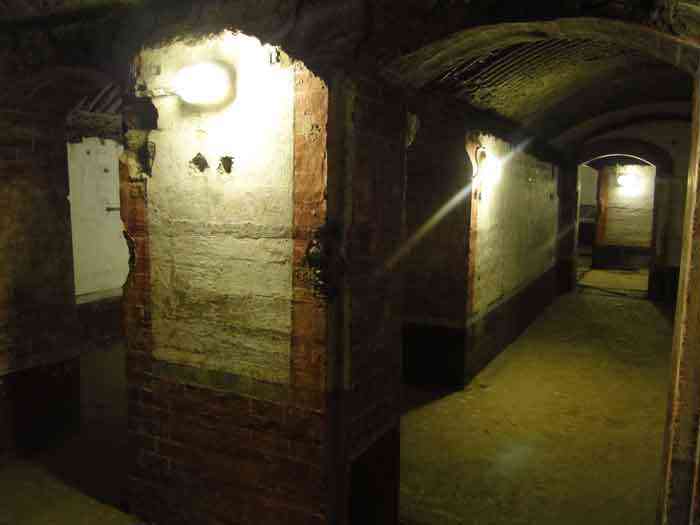
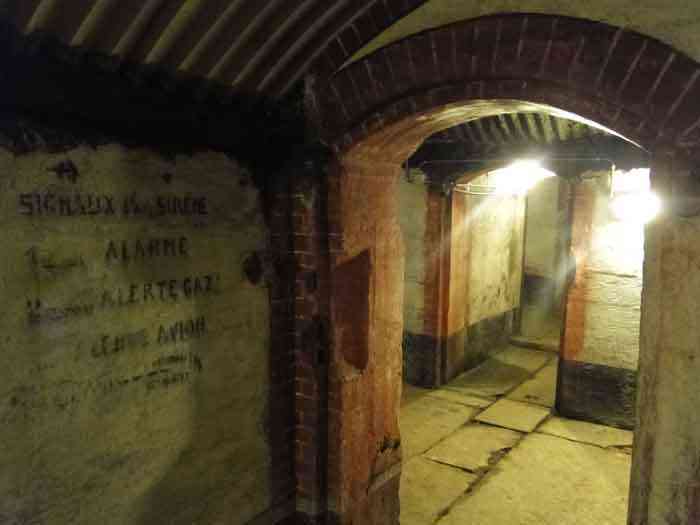
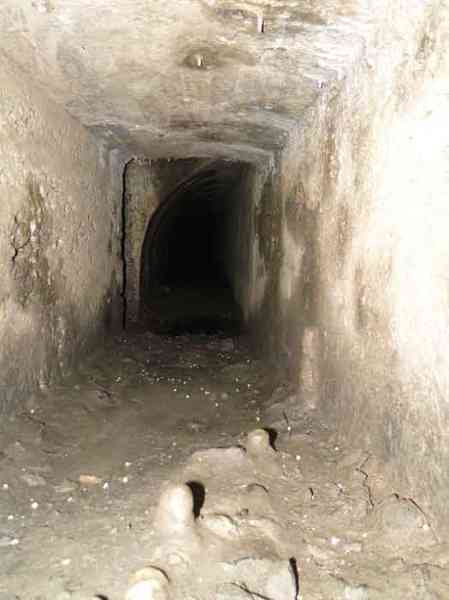

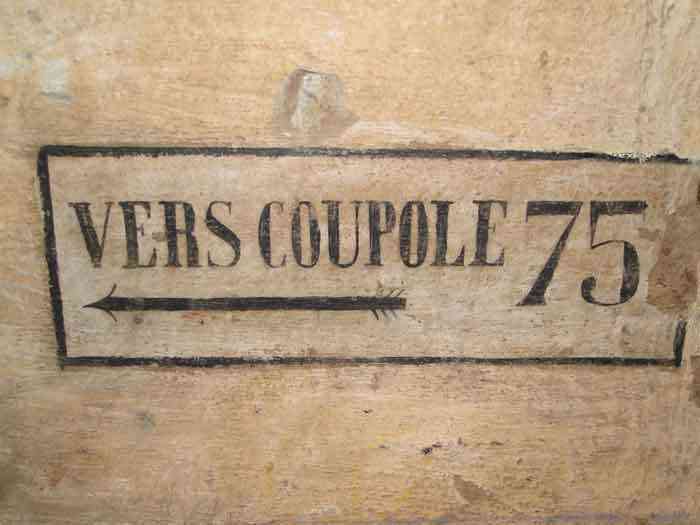
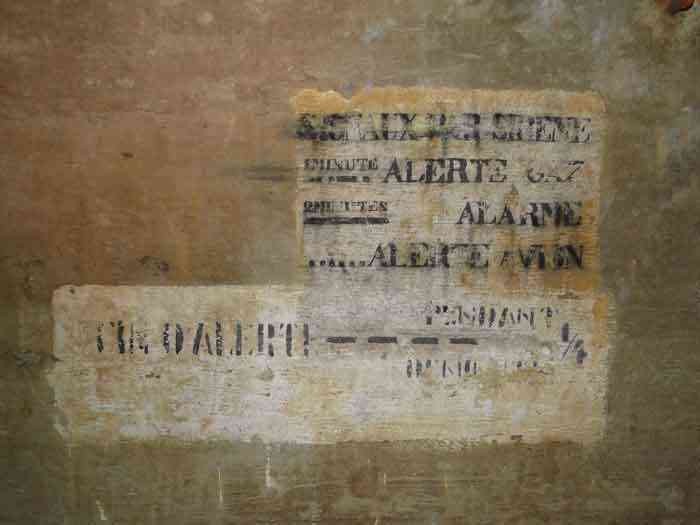
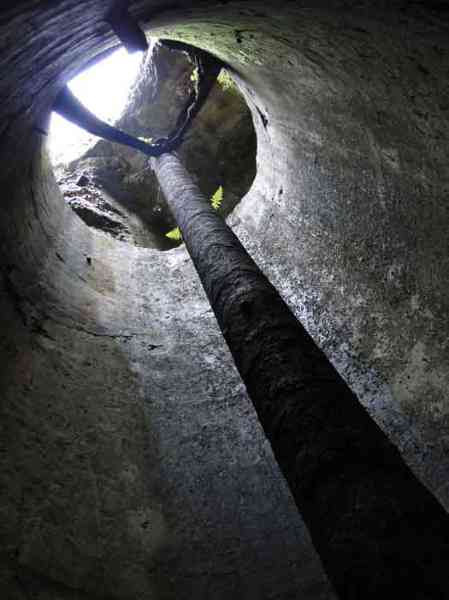

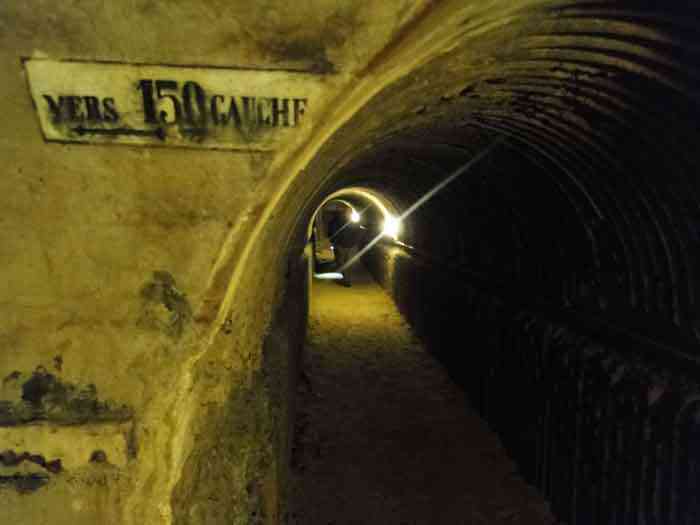


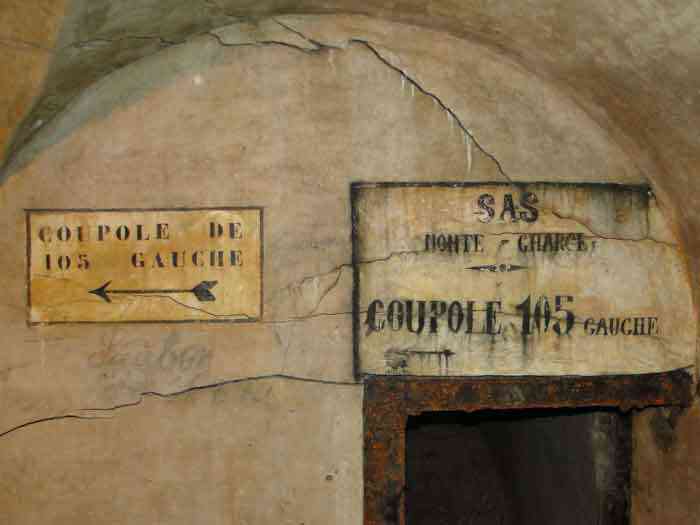
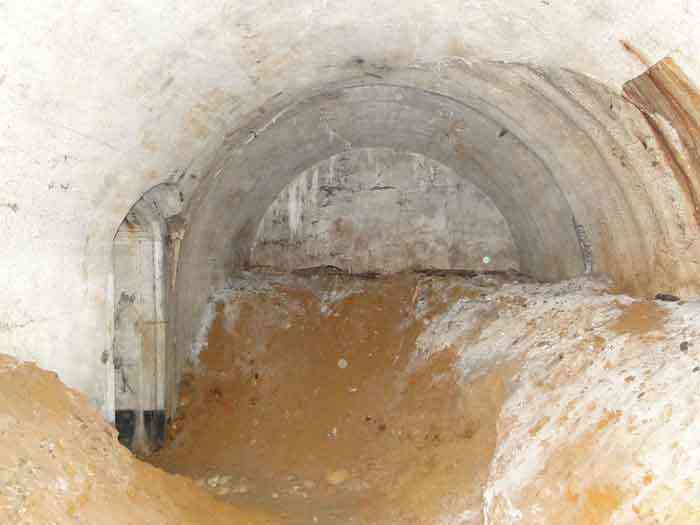
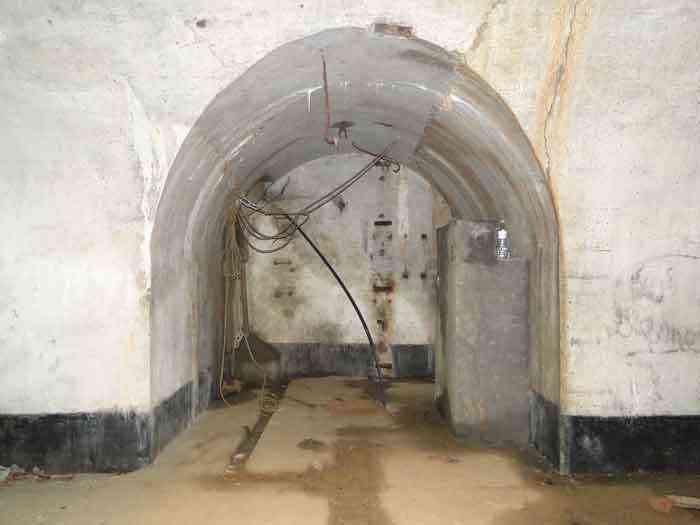

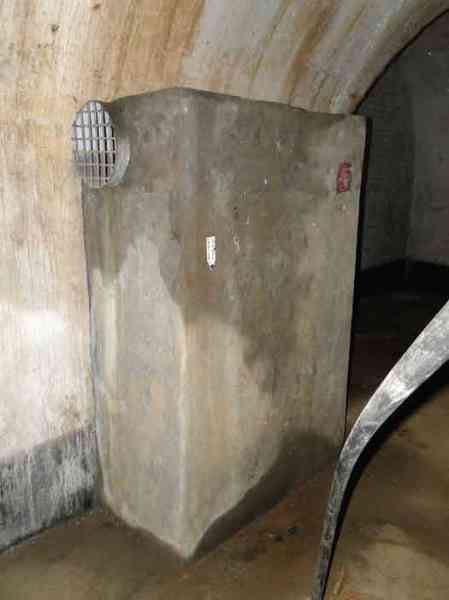
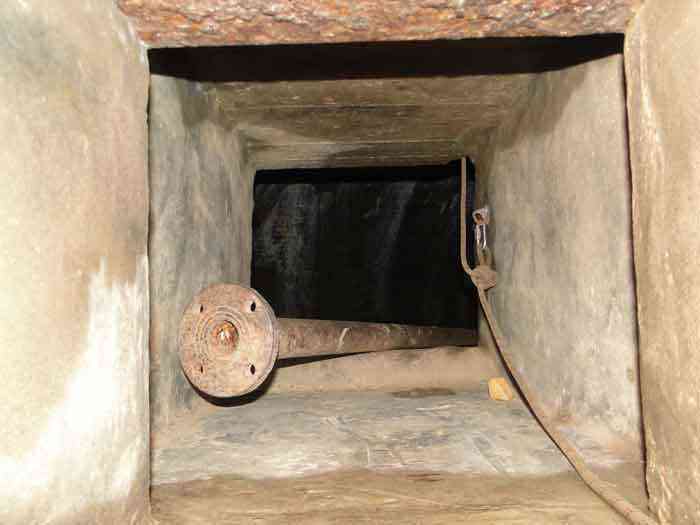
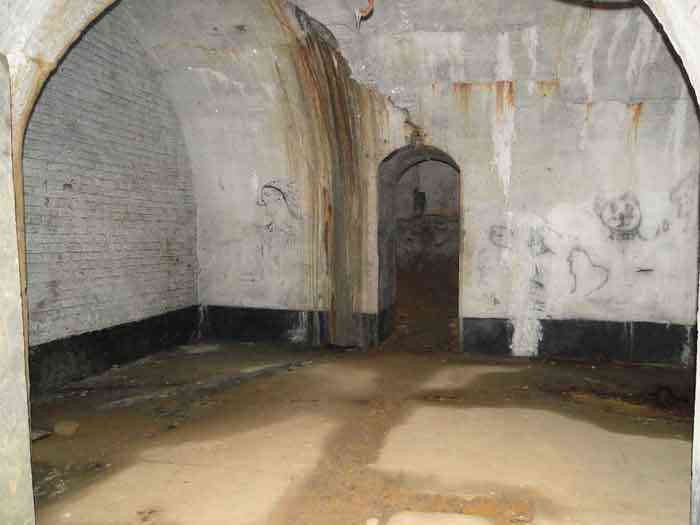
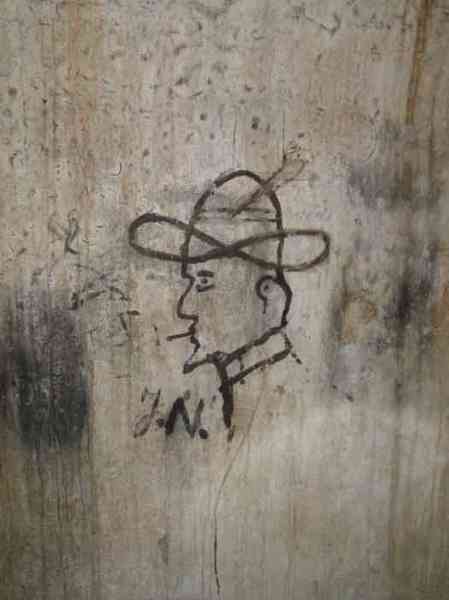
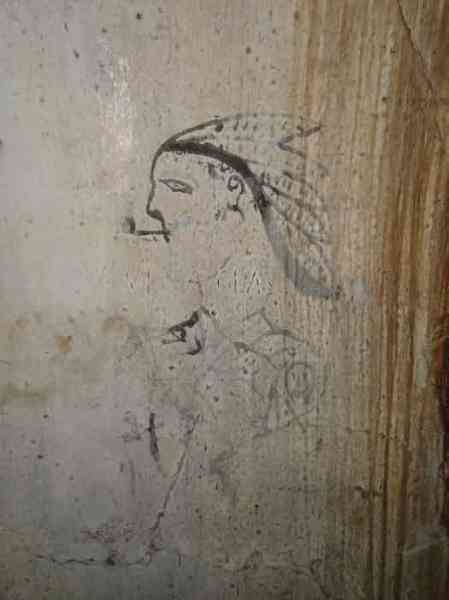
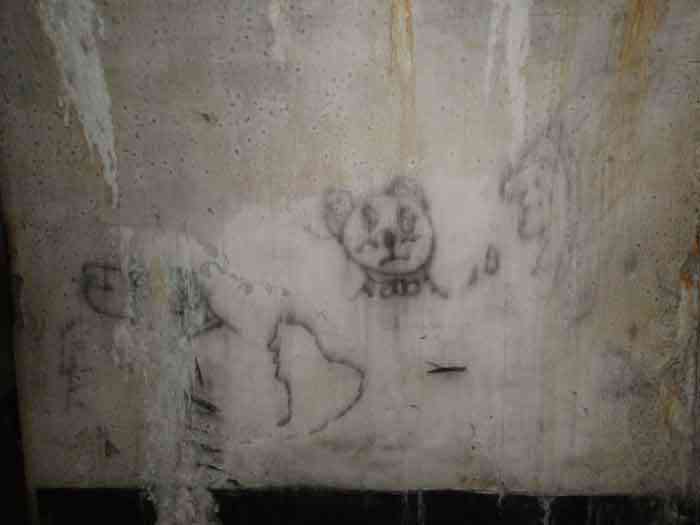
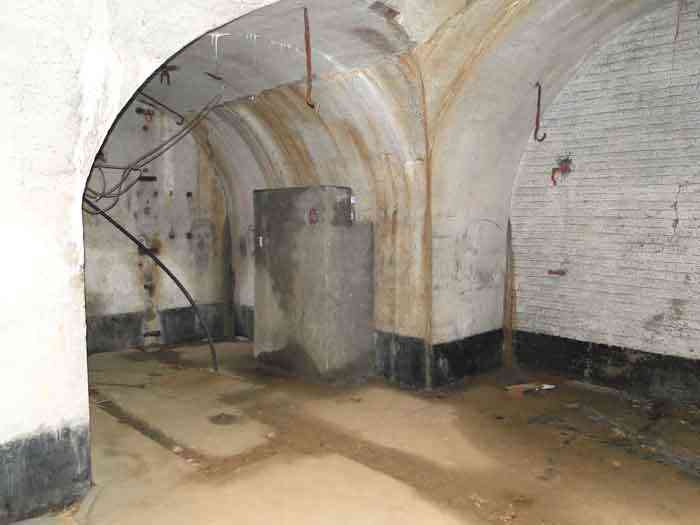
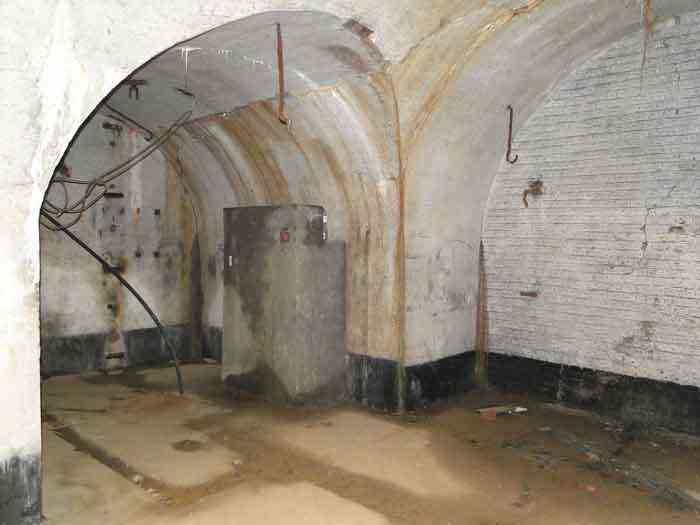
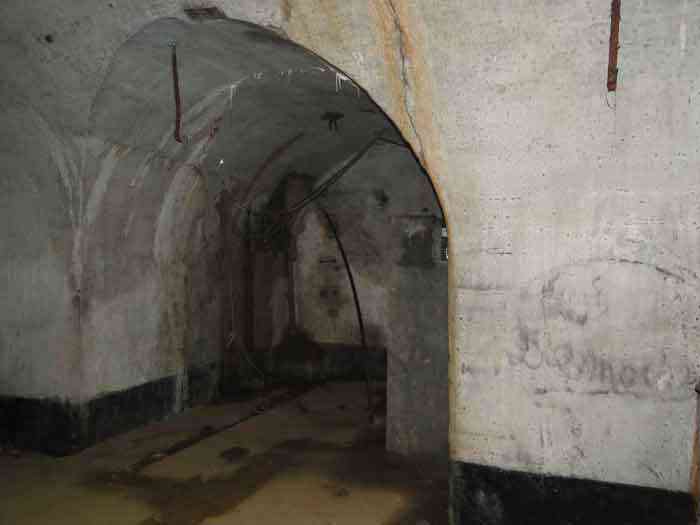
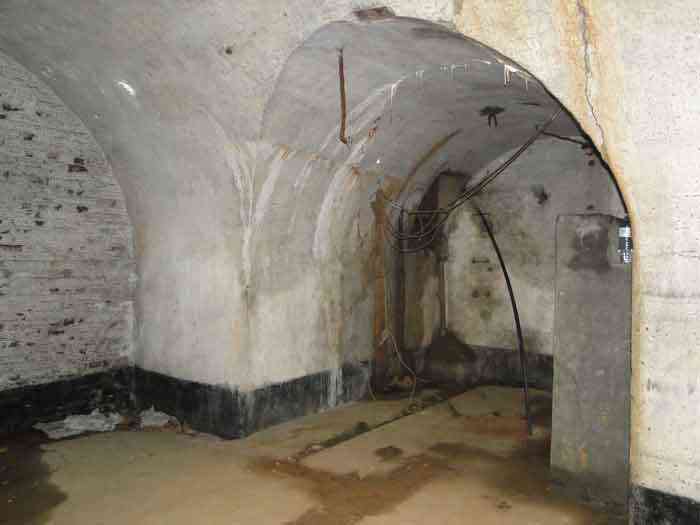
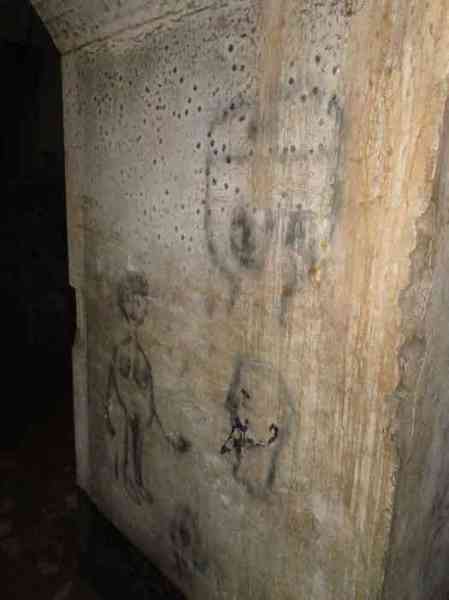
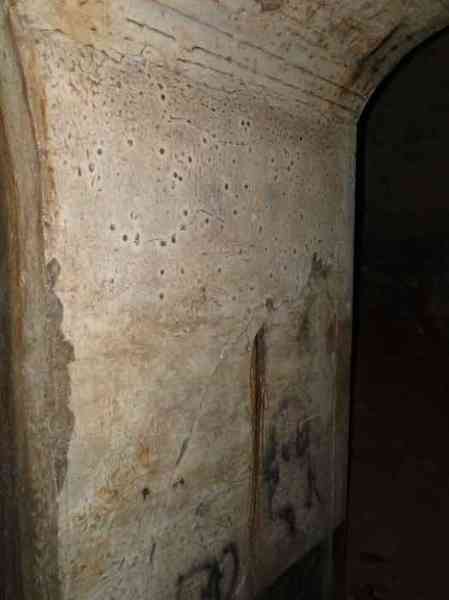
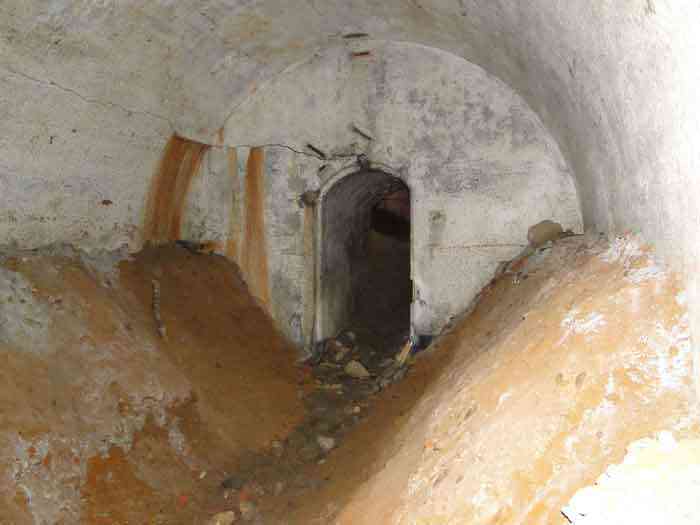
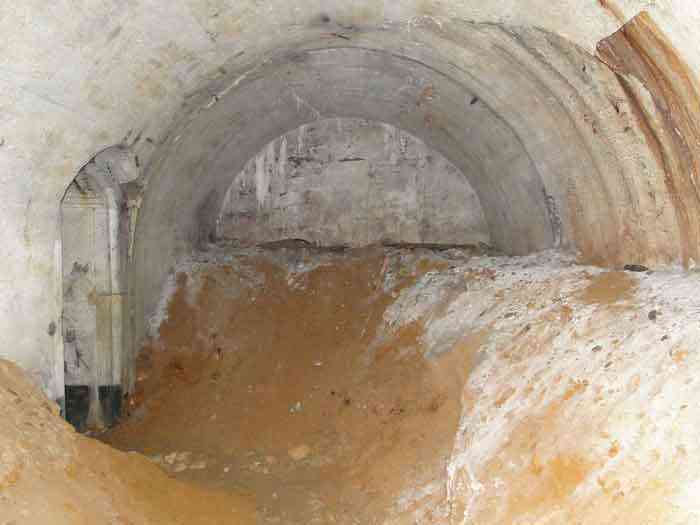
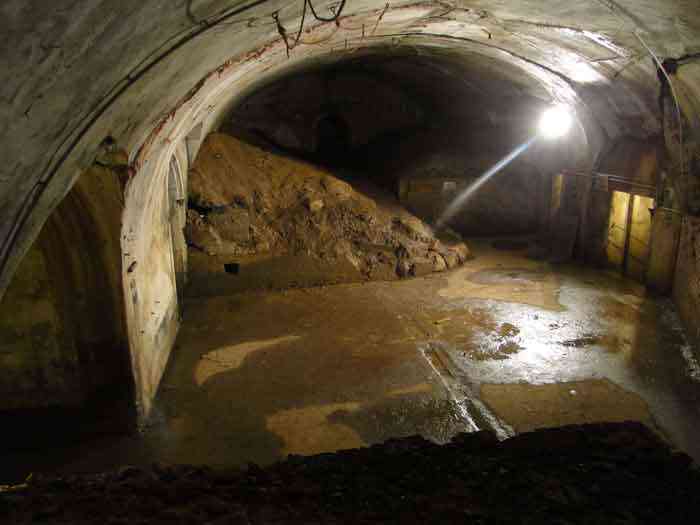
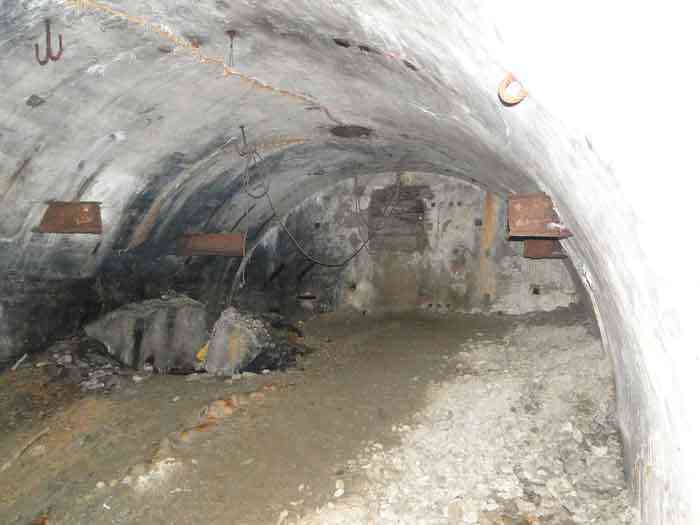


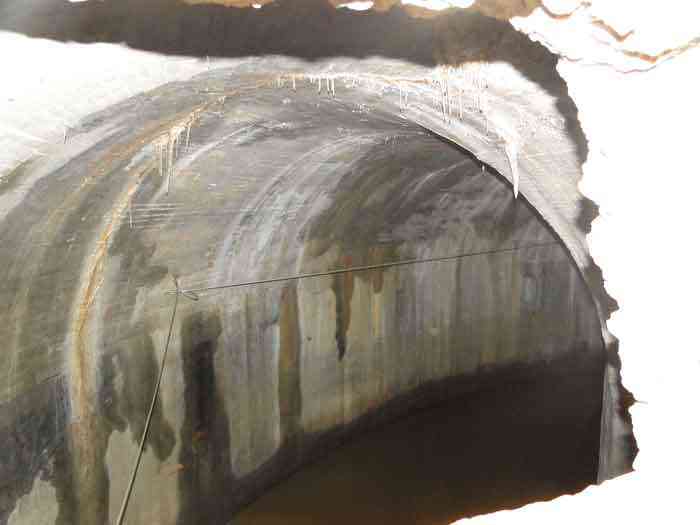
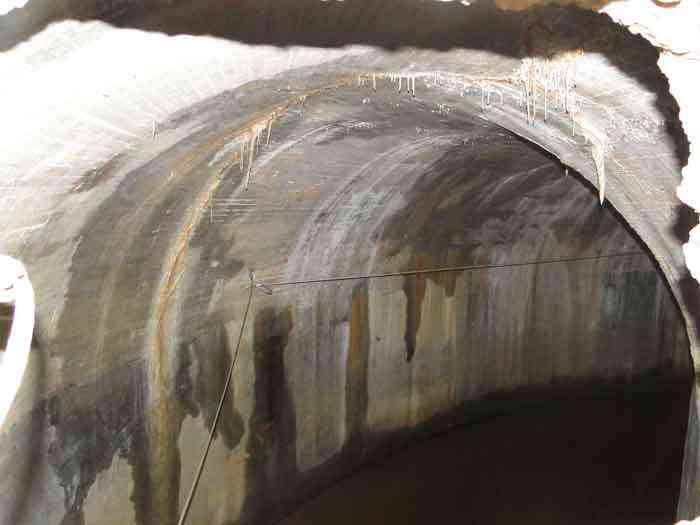
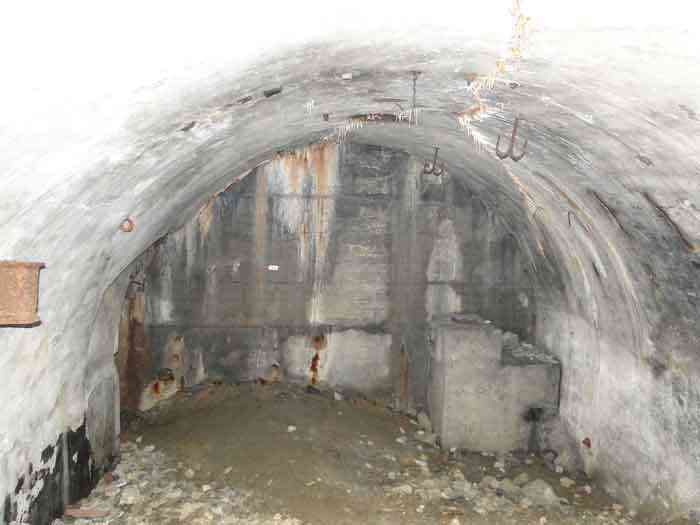
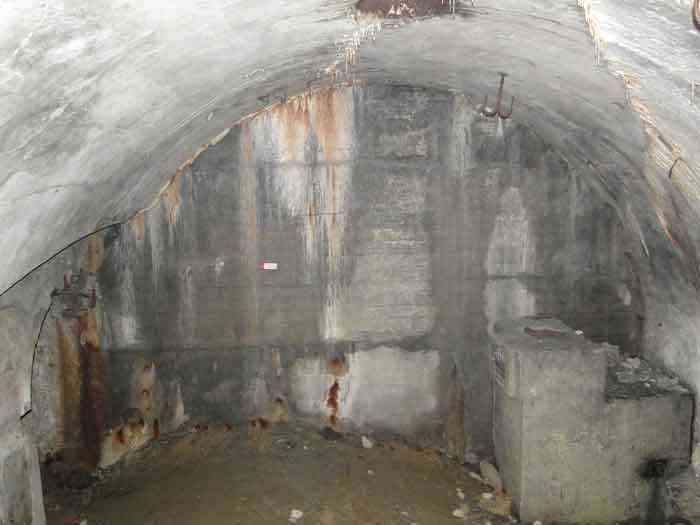

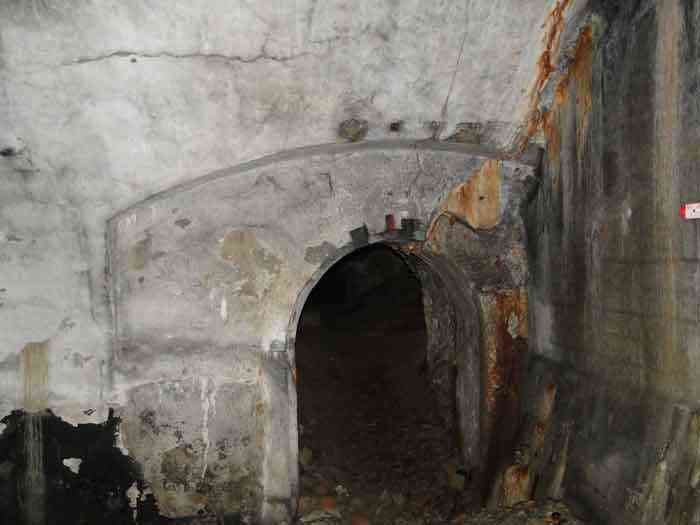
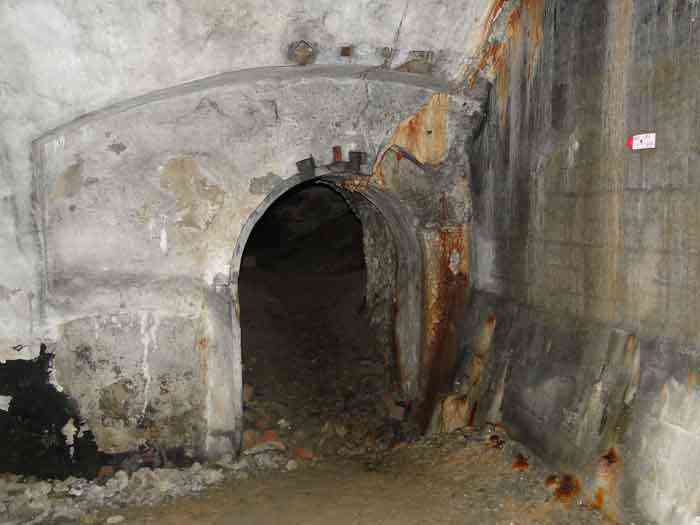

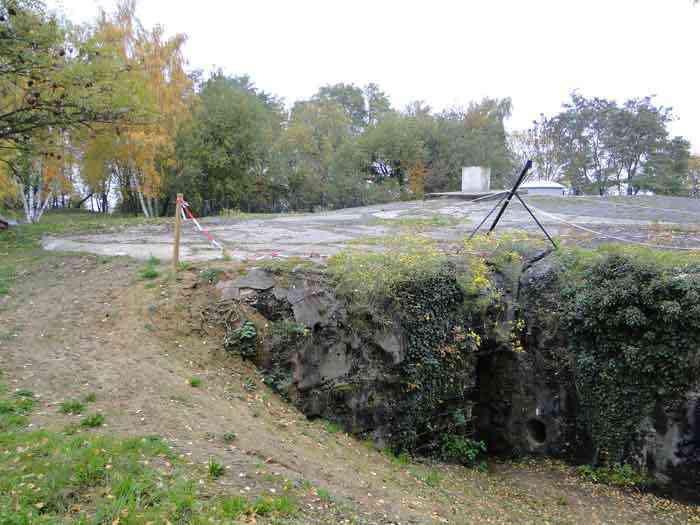
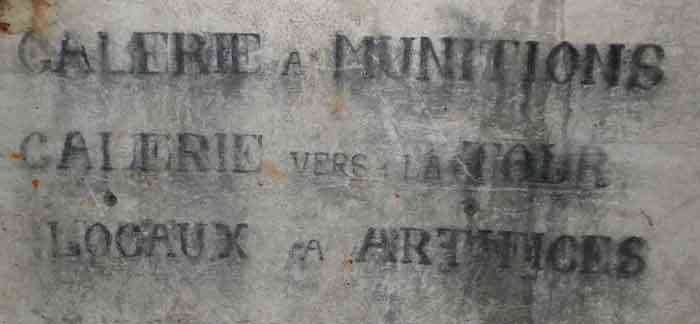
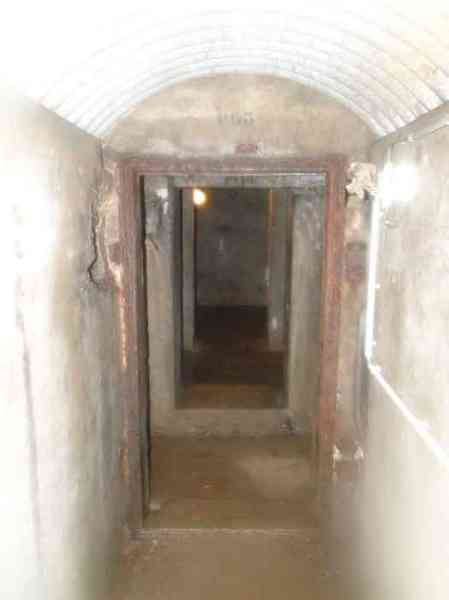
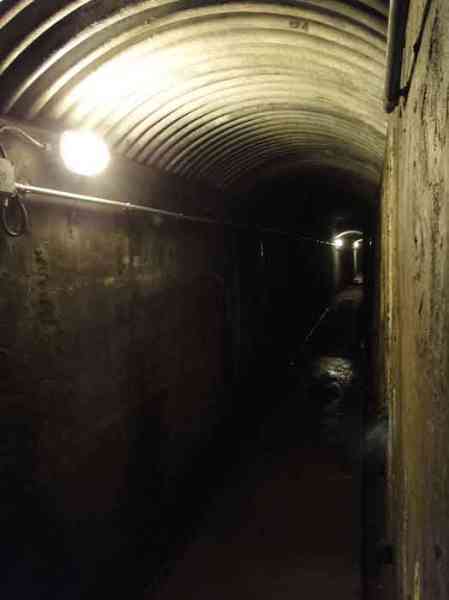
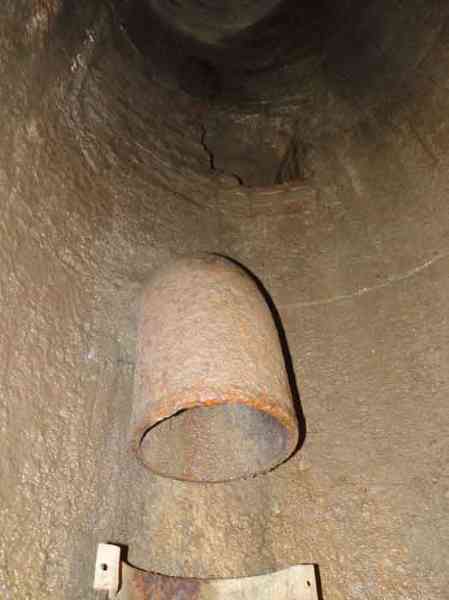
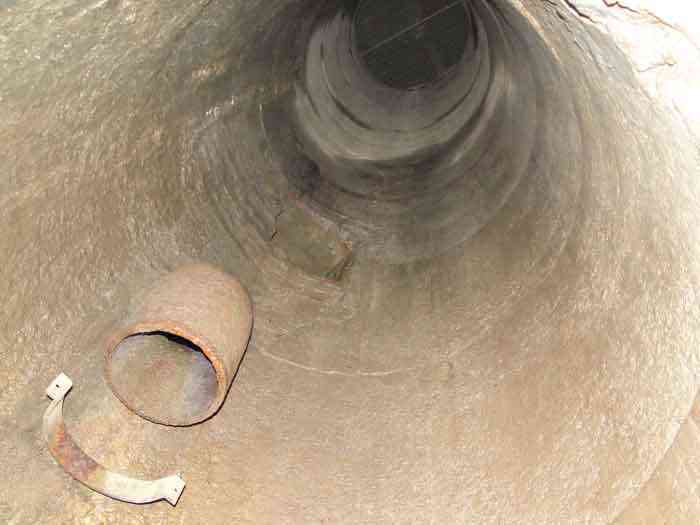

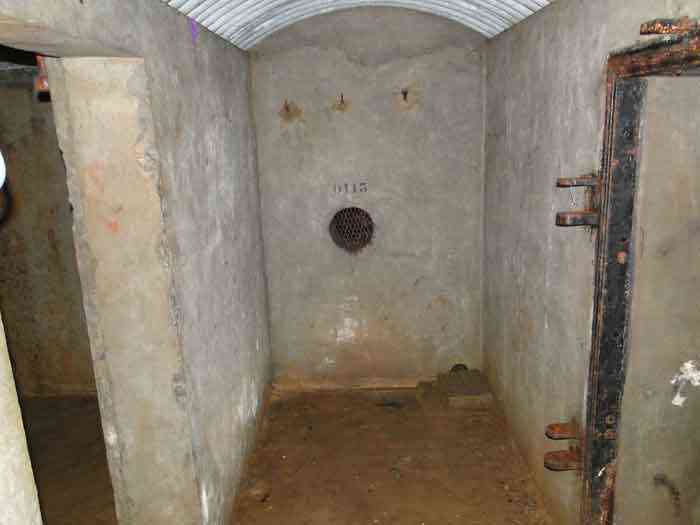
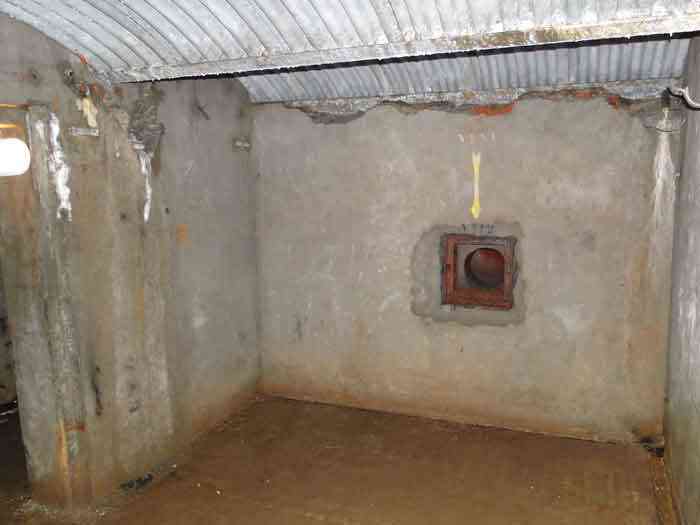
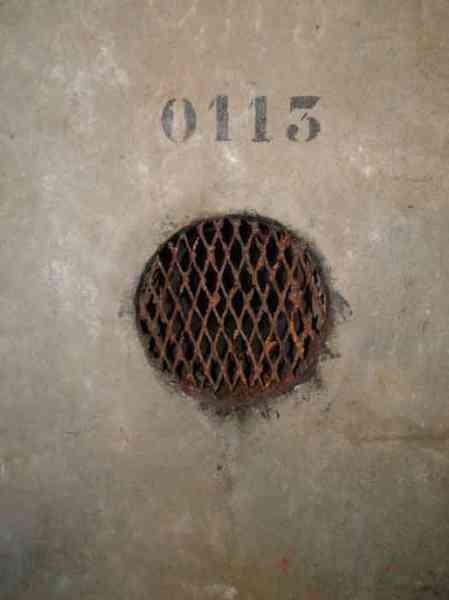

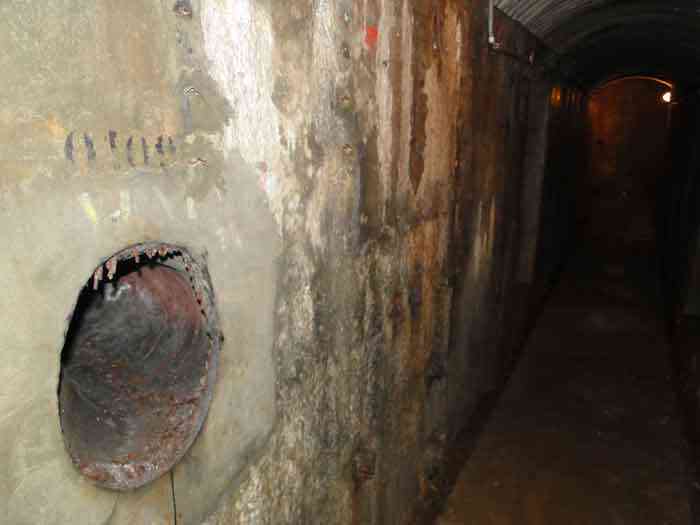
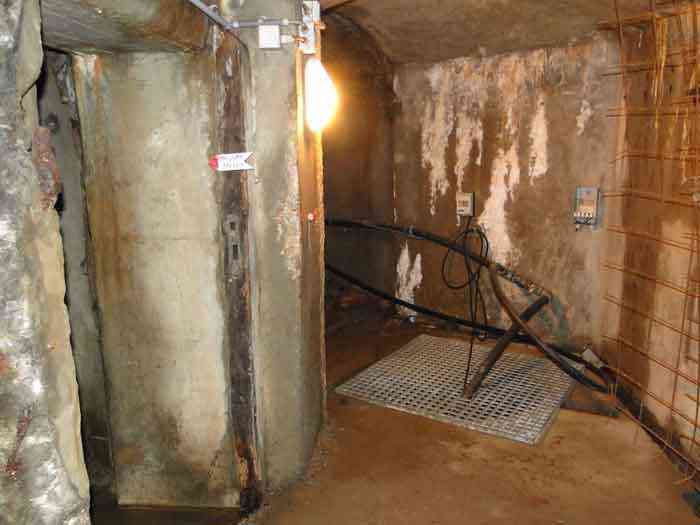

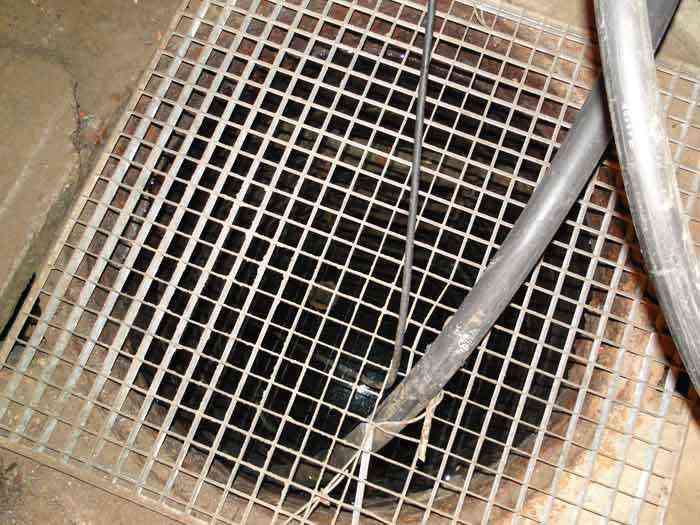
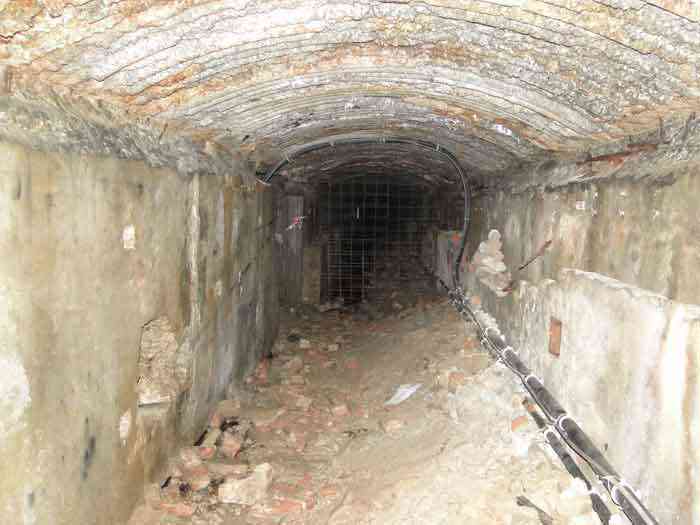
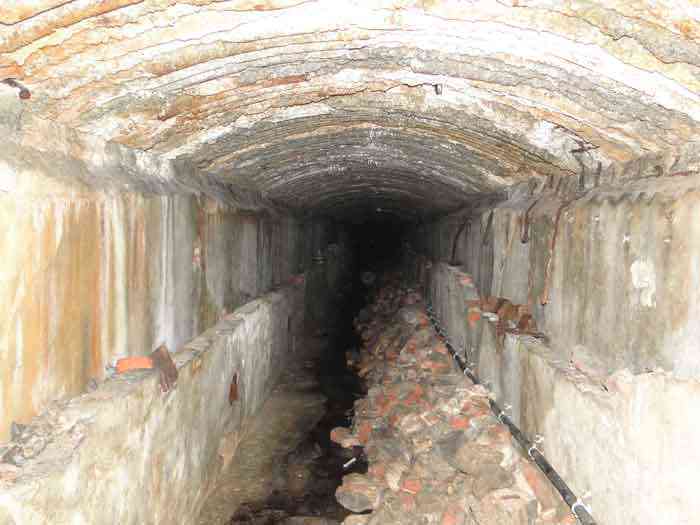
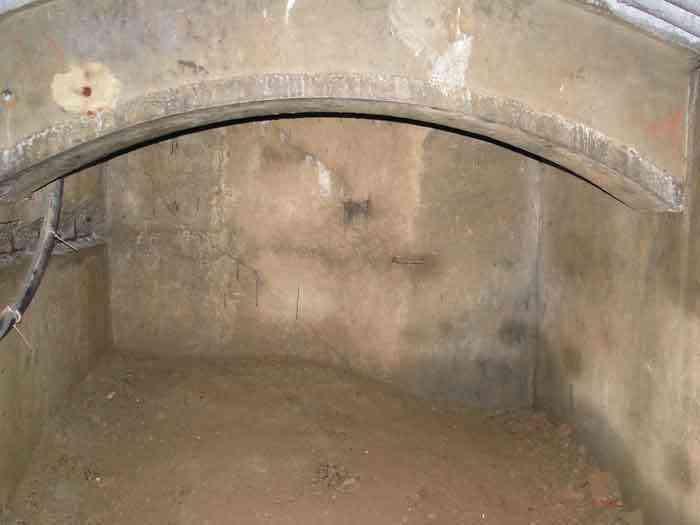

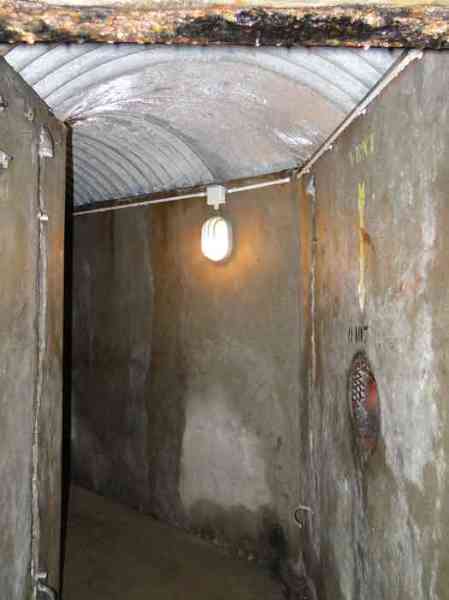
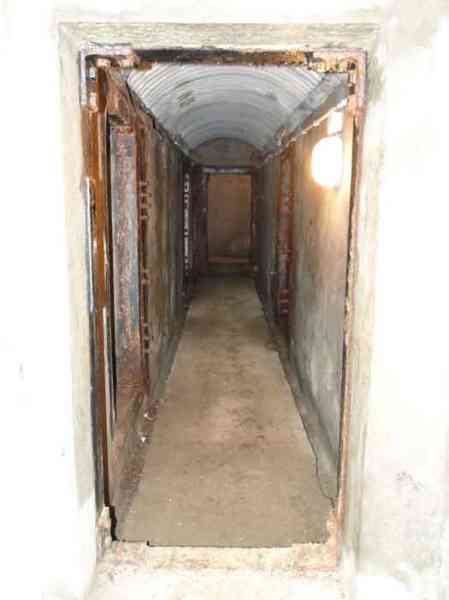
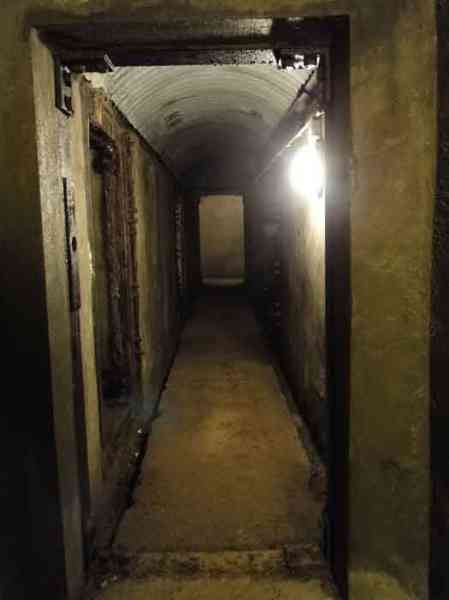
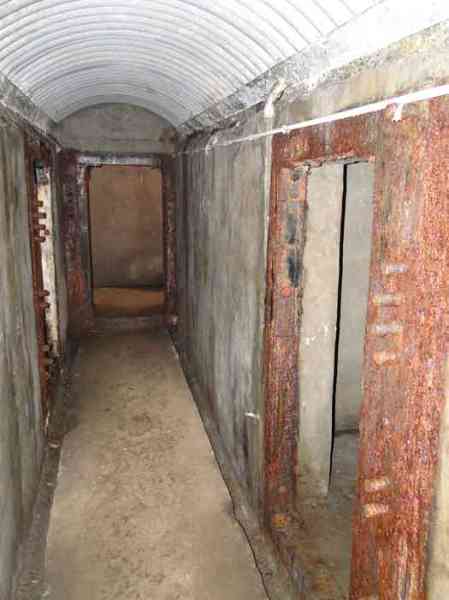
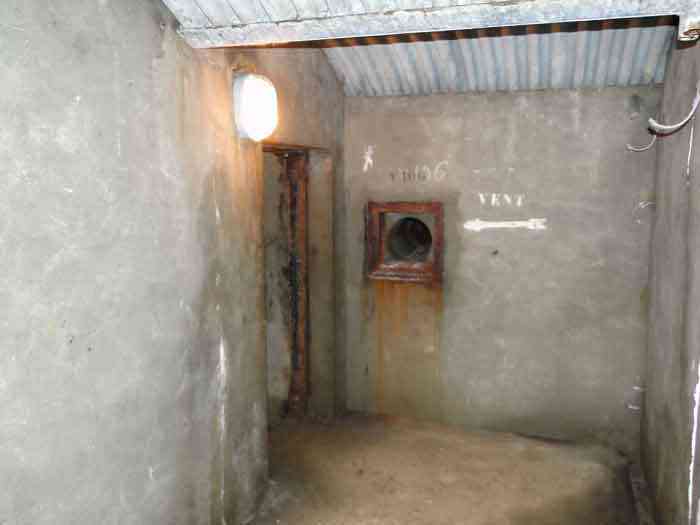
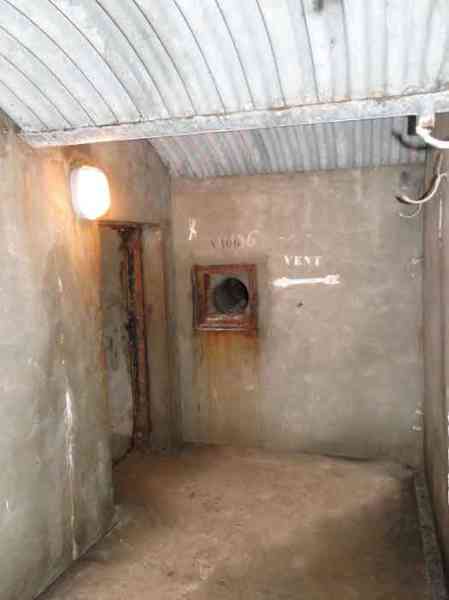
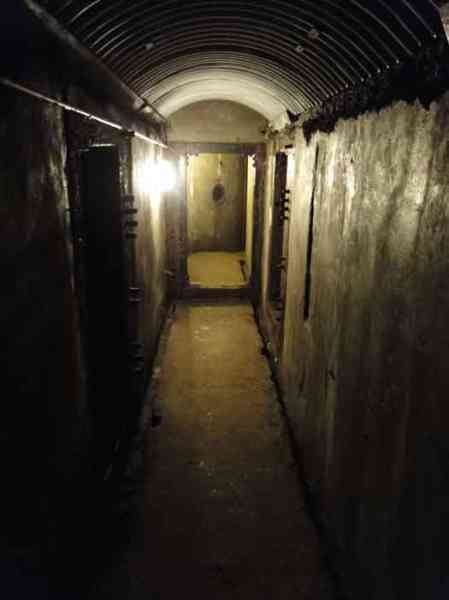
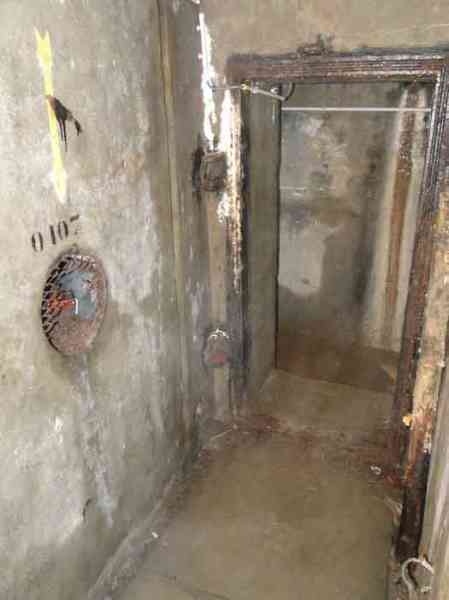

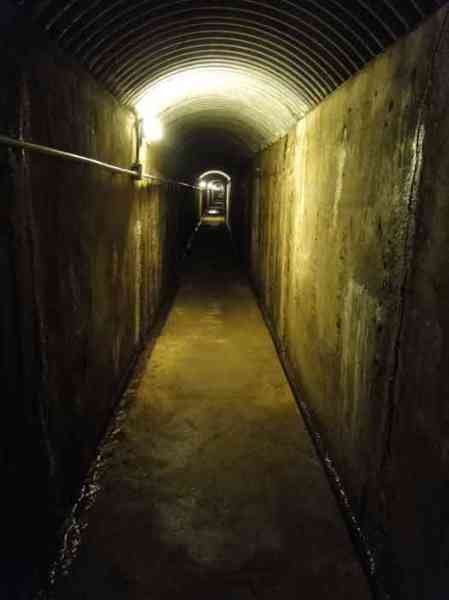
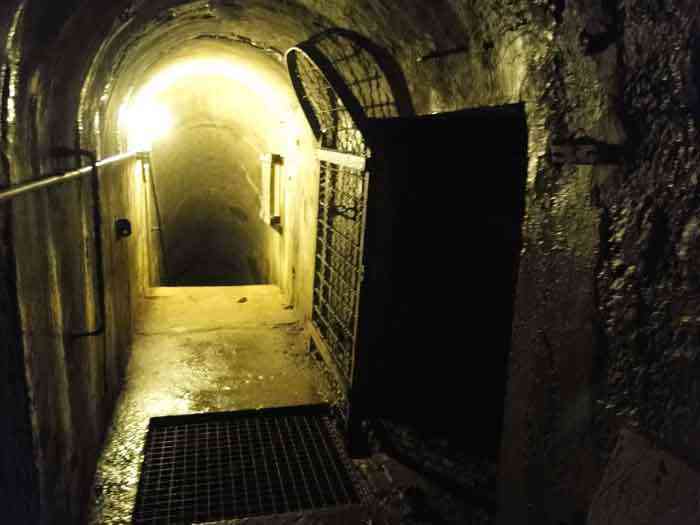
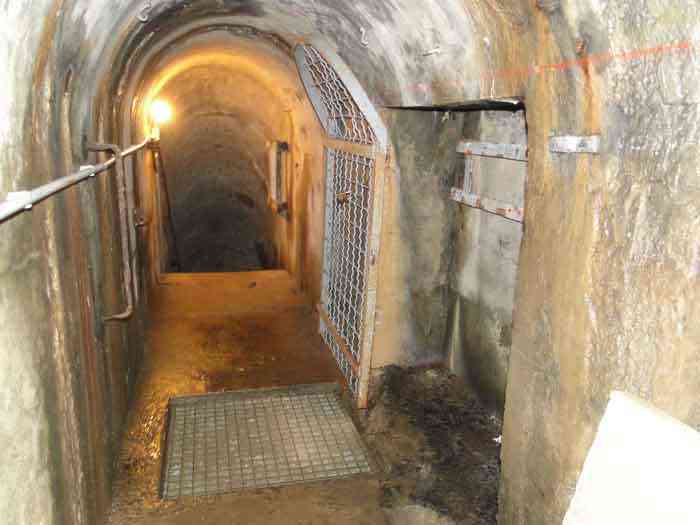
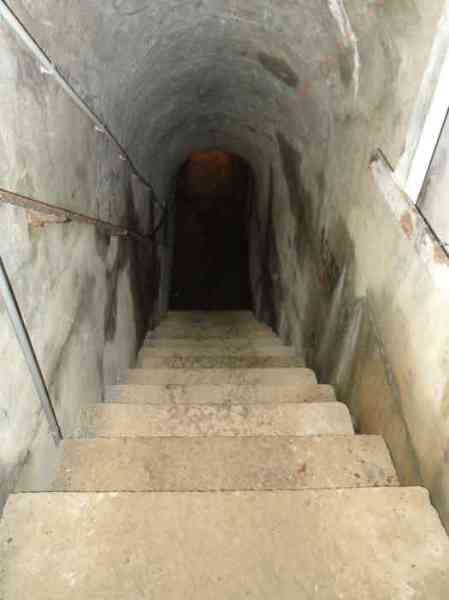

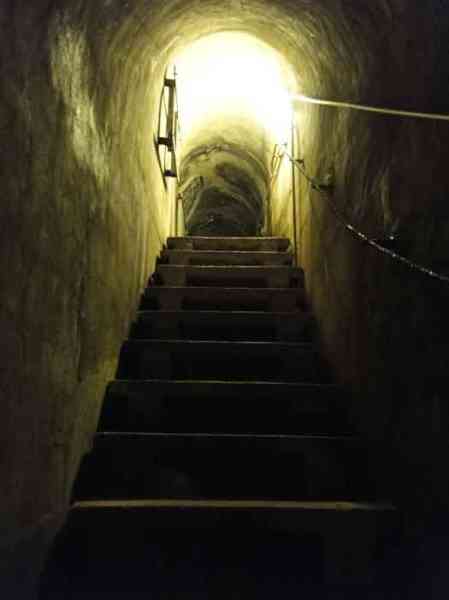
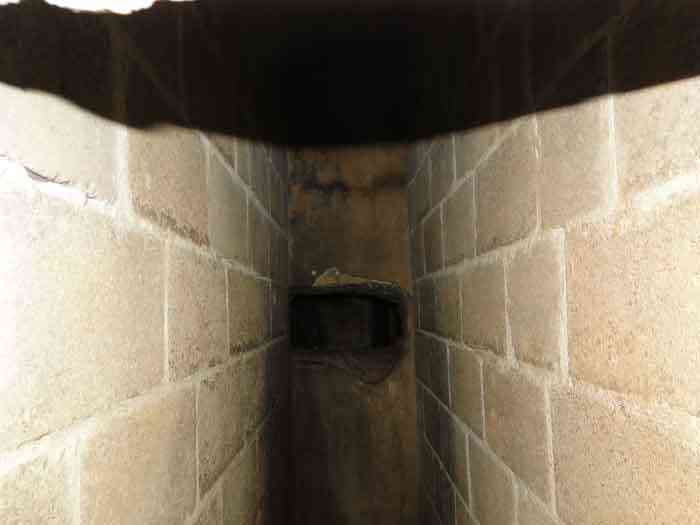
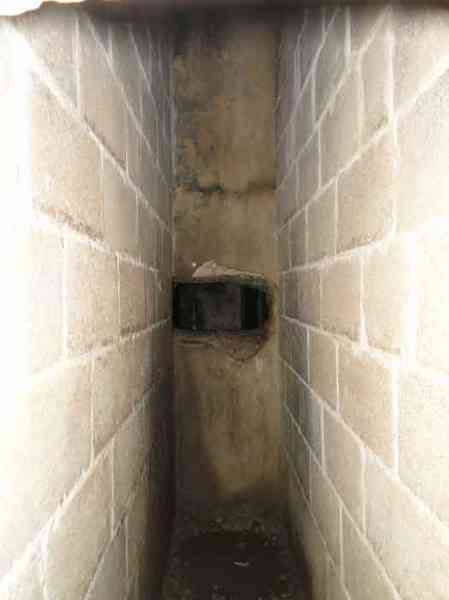
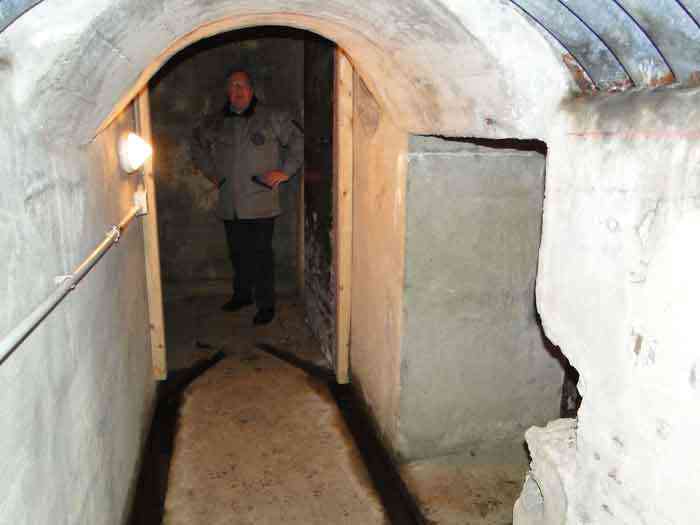
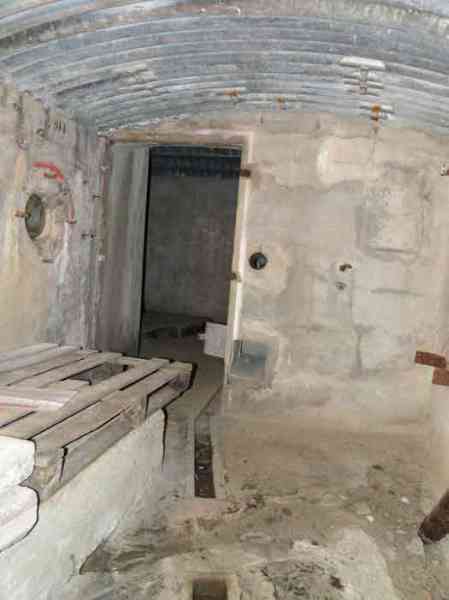
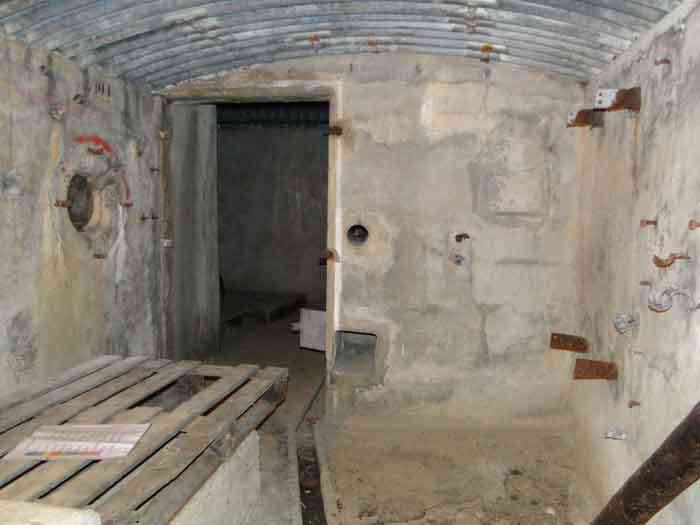
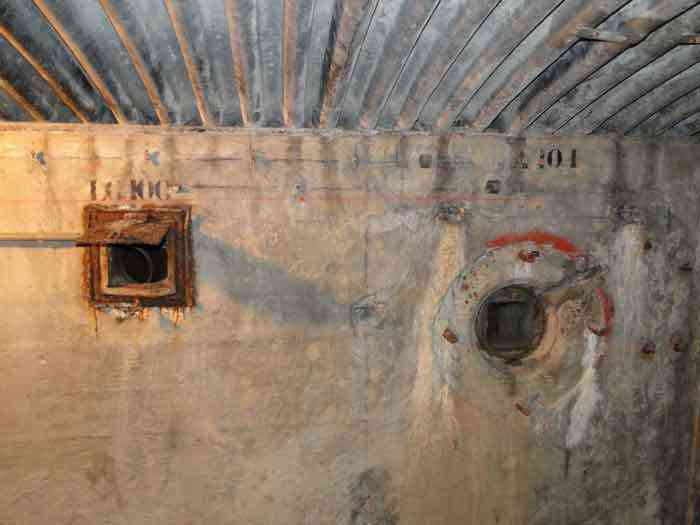
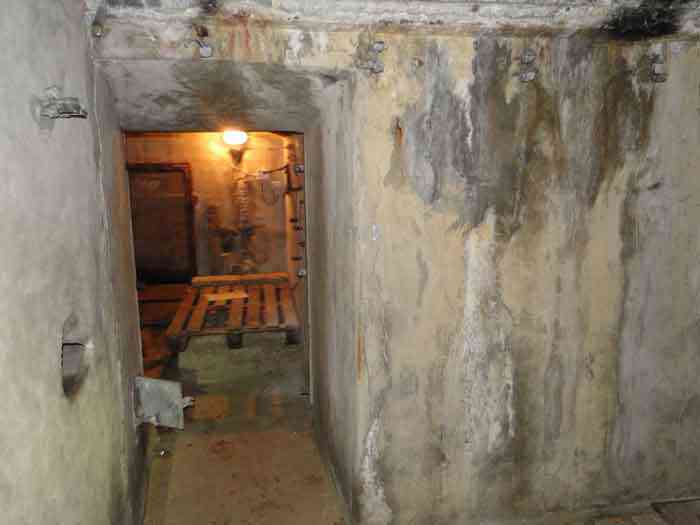
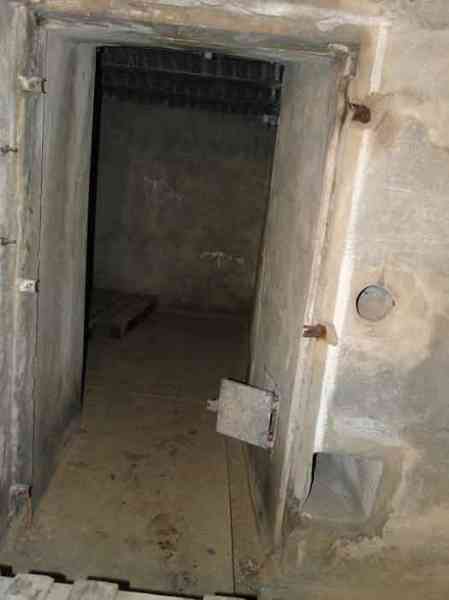
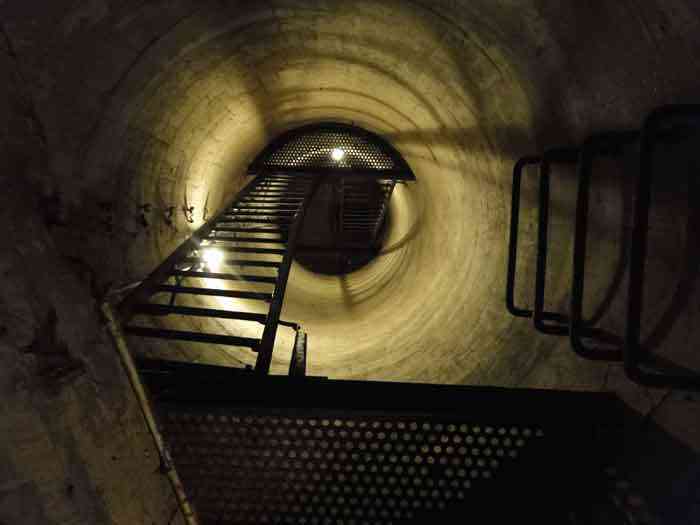
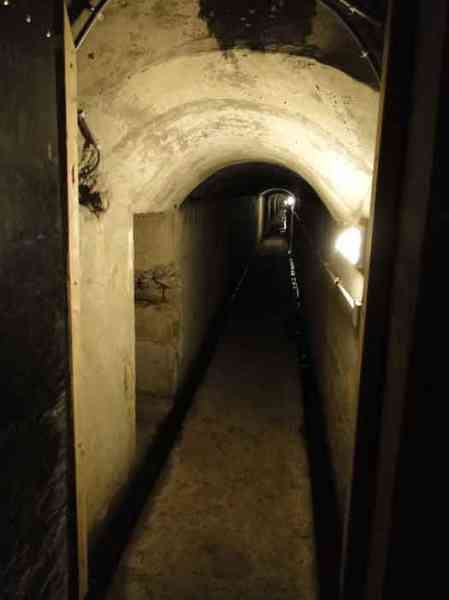
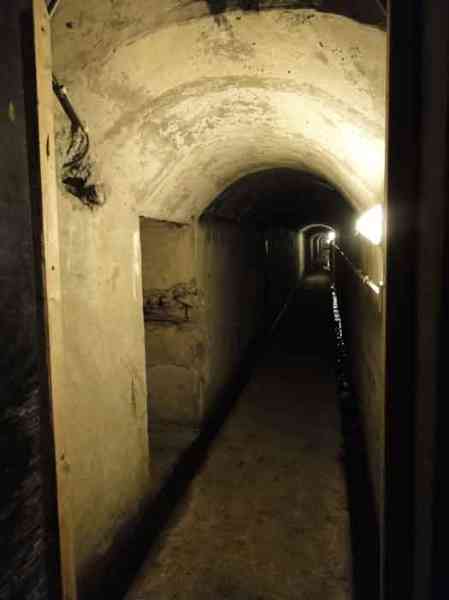
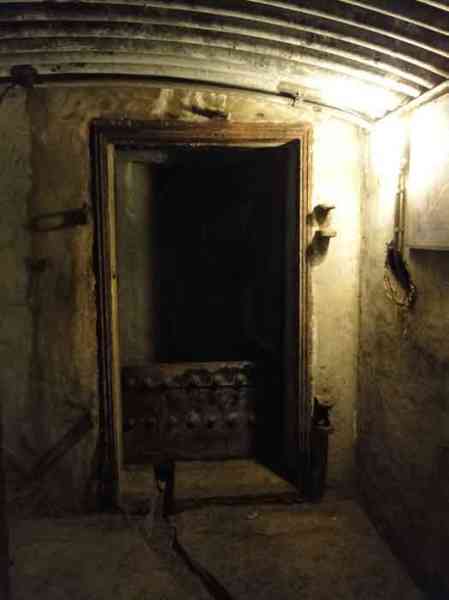

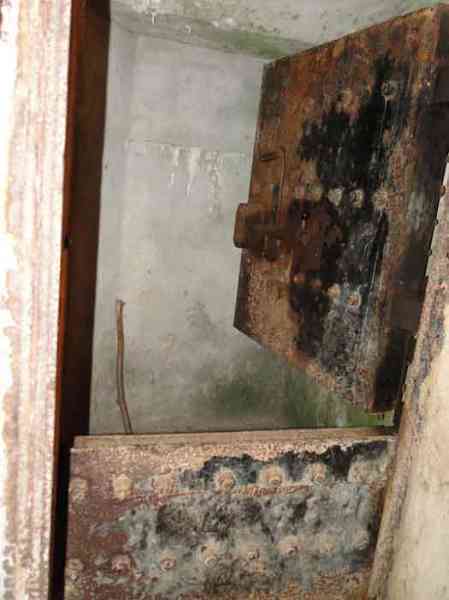
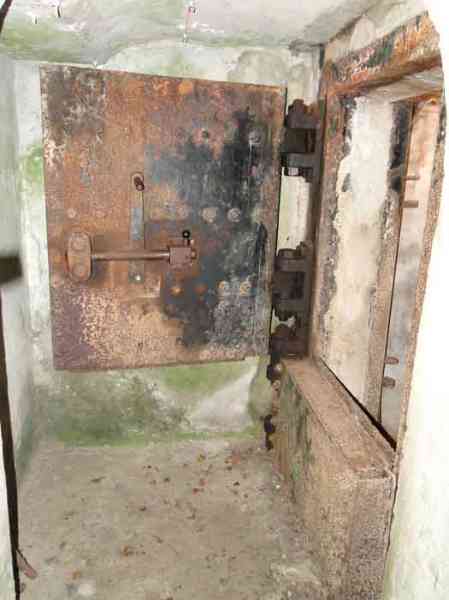
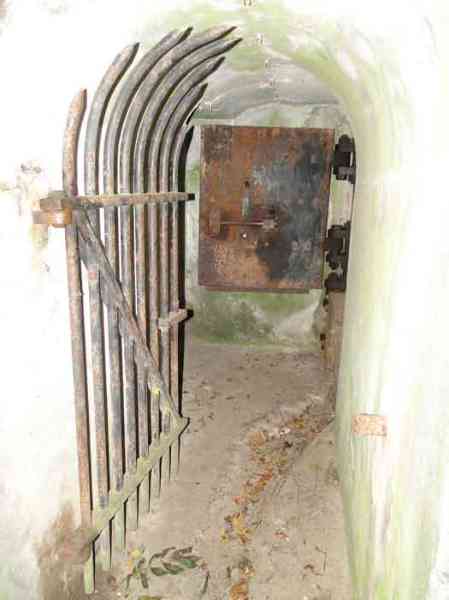


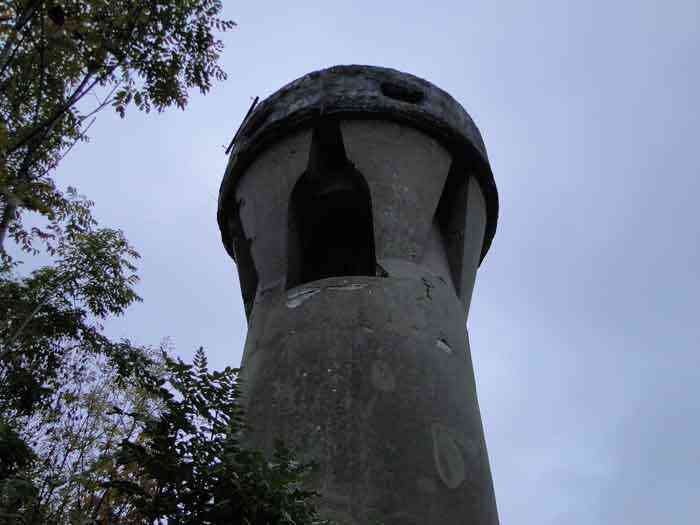
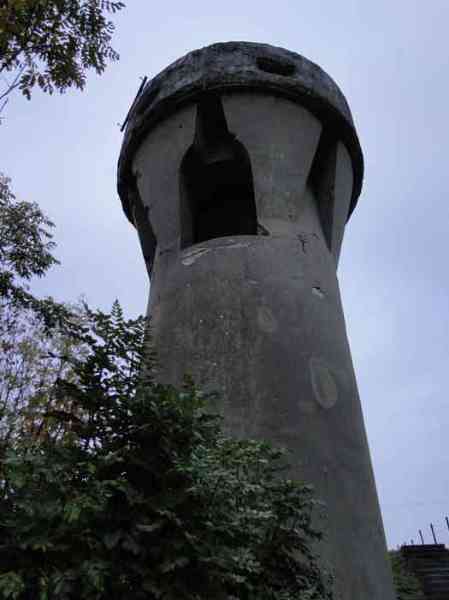
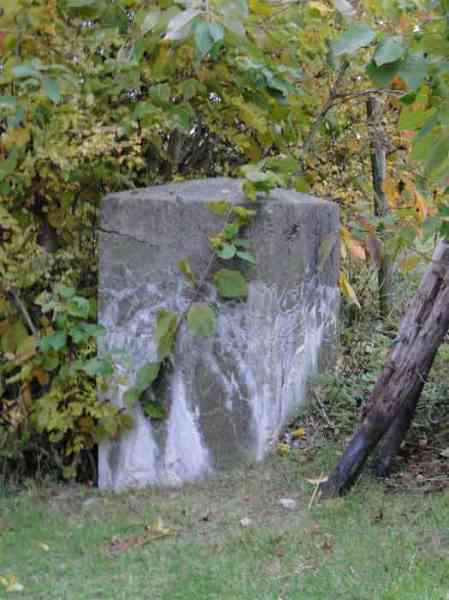
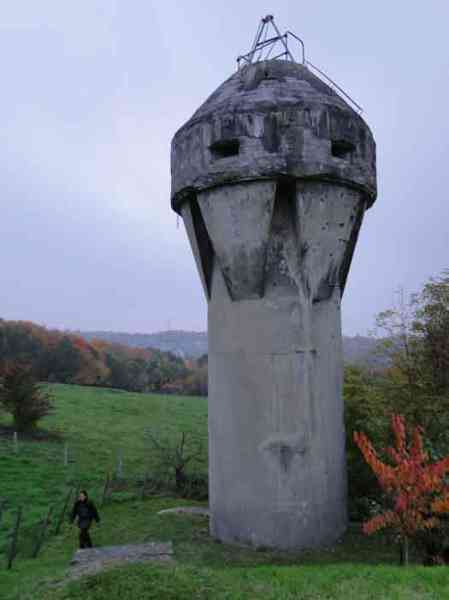

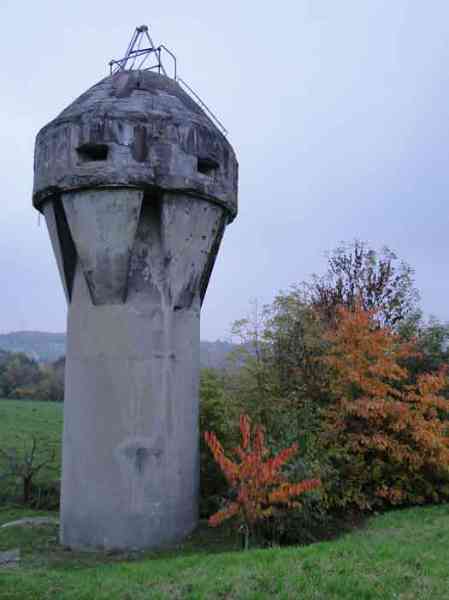
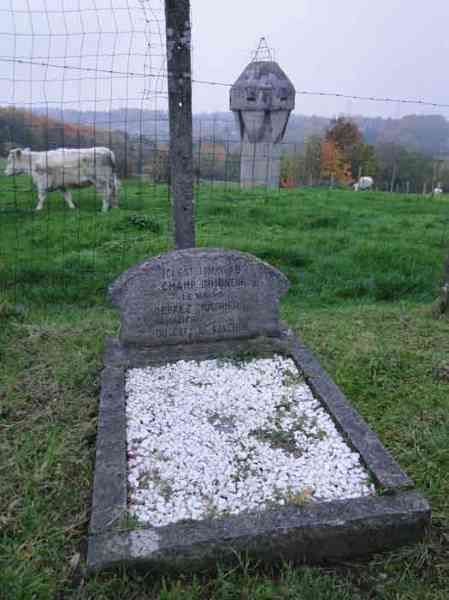

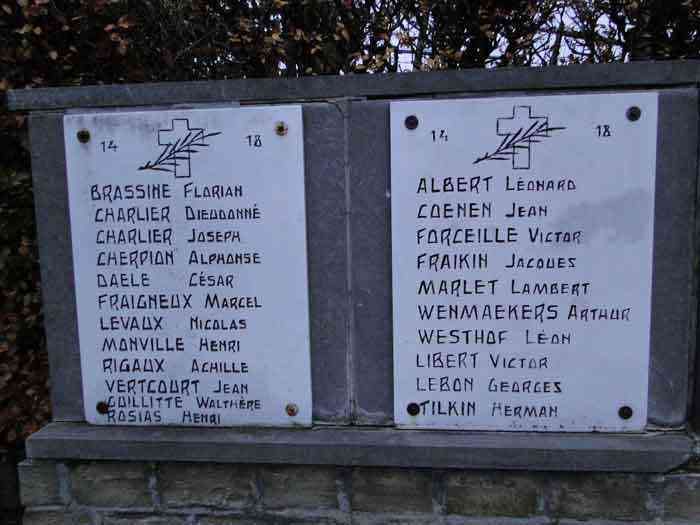
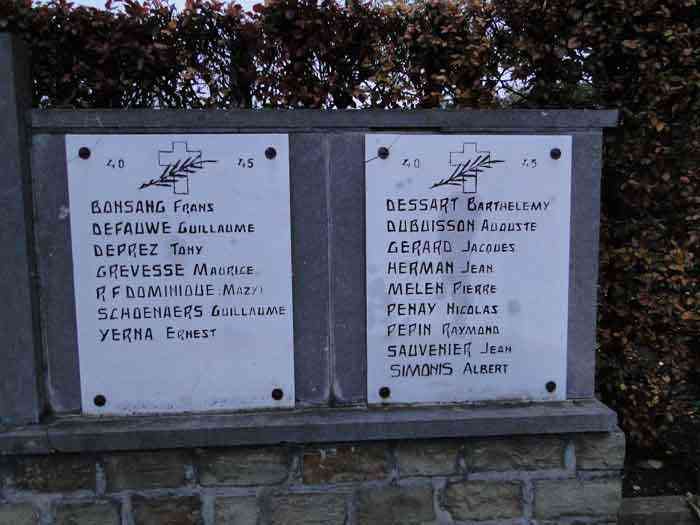
PFL (Position Fortifiée de Liège), nord-est de la ville, 1888-1892. 180 m/alt. 1 coupole de 2 x 15 c, 2 coupoles de 1 x 21 c, 2 coupoles de 2 x 12 c, 4 tourelles de 1 x 5,7 c, 1 phare cuirassé, 8 canons de 5,7 c pour le flanquement. Grand fort triangulaire à large courtine à la gorge, il a été réarmé durant l'entre-deux-guerres. Quelques fresques intéressantes. Une tourelle pour obusier de 75 mm a été remise en place au saillant II. Petit musée intéressant. Géré par une association qui l'ouvre au public. À noter, la seule tour d'air accessible au public. Le fort de Barchon est un grand fort belge triangulaire de type Brialmont. Il se trouve à 8 km au nord-est de Liège sur la rive droite de la Meuse entre Liège et Visé. Construit en 1888, il connaîtra 3 époques et de nombreux événements. Au cours de sa première époque, il fera partie des 12 forts de protection de la position fortifiée de Liège et prendra part à la première guerre mondiale du 5 août 1914 au 8 août 1914. Il tombera aux mains des troupes du Kaiser après des combats particulièrement pénibles pour sa garnison. Pour sa deuxième époque, qui dura le temps de l'occupation de 1914 à 1918, les Prussiens reconnurent son importance stratégique et y apportèrent un certain nombre de modifications et d'améliorations. Ces modifications concernèrent principalement le tambour d'entrée du fort, le débouché d'infanterie sur le massif central, la protection des fenêtres des locaux de gorge tant en escarpe qu'en contrescarpe et l'amélioration de la ventilation. Sa troisième époque débuta en 1928. À ce moment, il fut décidé qu'il serait réarmé, amélioré et renforcé et qu'il reprendrait du service actif. Ici les modifications concernèrent le renforcement général de l'ouvrage, l'ajout de béton armé, le percement de galeries profondes, la construction d'une tour d'air et le remplacement du générateur et des armes. Il connut donc le déferlement de troupes allemandes le 10 mai 1940 et il résista jusqu'au 18 mai 1940 en combattant avec vaillance. Puis il tomba dans l'oubli. Il fait maintenant partie de notre patrimoine architectural et militaire et est ouvert aux visiteurs le deuxième dimanche des mois d'avril à novembre à 14 heures précises.
VSL (Versterkte Position Lüttich), nordöstlich der Stadt, 1888-1892. 180 M/ü. M. 1 Kuppel für 2 x 15 cm, 2 Kuppeln für 1 x 21 cm, 2 Kuppeln für 2 x 12 cm, 4 Türme für 1 x 5,7 cm, 1 gepanzertes Beleuchtungsgerät, 8 Kanonen von 5,7 cm für die Bestreichung. Großes dreieckiges Fort mit brechter Kehlmauer, es wurde in der Zwischenkriegszeit neu bewaffnet. Einige interessante Fresken. Ein Turm für einen 75-mm-Haubitze wurde am Wall II wieder aufgestellt. Kleines interessantes Museum. Verwaltet von einem Verein, der es der Öffentlichkeit zugänglich macht. Zu erwähnen ist der einzige öffentlich zugängliche Luftturm. Das Fort Barchon ist ein großes belgisches dreieckiges Fort vom Typ Brialmont. Es liegt 8 km nordöstlich von Lüttich am rechten Ufer der Maas zwischen Lüttich und Visé. 1888 erbaut, erlebte es 3 Epochen und viele Ereignisse. In seiner ersten Epoche gehörte es zu den 12 Schutzforts der befestigten Stellung von Lüttich und nahm vom 5. August 1914 bis zum 8. August 1914 am Ersten Weltkrieg teil. Es fiel nach für seine Besatzung besonders harten Kämpfen in die Hände der Truppen des Kaisers. In seiner zweiten Epoche, die die Zeit der Besatzung von 1914 bis 1918 dauerte, erkannten die Preußen seine strategische Bedeutung und führten eine Reihe von Modifikationen und Verbesserungen durch. Diese Änderungen betrafen hauptsächlich das Eingangstambour des Forts, den Infanterieausgang auf der Zentralmasse, den Schutz der Fenster der Kehlgebäude sowohl an der Escarpe als auch an der Contreescarpe und die Verbesserung der Belüftung. Seine dritte Epoche begann 1928. Zu diesem Zeitpunkt wurde beschlossen, es neu zu bewaffnen, zu verbessern, zu verstärken und wieder in den aktiven Dienst zu stellen. Hier betrafen die Änderungen die allgemeine Verstärkung des Werks, die Zugabe von Stahlbeton, das Graben tiefer Galerien, den Bau eines Luftturms und den Austausch des Generators und der Waffen. Es erlebte daher den Ansturm deutscher Truppen am 10. Mai 1940 und leistete bis zum 18. Mai 1940 tapfer Widerstand. Dann geriet es in Vergessenheit. Es ist heute Teil unseres architektonischen und militärischen Erbes und ist für Besucher am zweiten Sonntag der Monate April bis November um genau 14 Uhr geöffnet.
VSL (Versterkte Stelling Luik), noordoost van de stad, 1888-1892. 180 m/TAW. 1 koepel voor 2 x 15 cm, 2 koepels voor 1 x 21 cm, 2 koepels voor 2 x 12 cm, 4 torens voor 1 x 5,7 cm, 1 gepantserd lichttoestel, 8 kanonnen van 5,7 cm voor de bestrijking. Groot driehoekig fort met brede keelwal, het werd tijdens het interbellum opnieuw bewapend. Enkele interessante fresco's. Een toren voor een 75 mm houwitser werd op saillant II weer geplaatst. Klein interessant museum. Beheerd door een vereniging die het openstelt voor het publiek. Te vermelden, de enige voor het publiek toegankelijke luchttoren. Het fort van Barchon is een groot Belgisch driehoekig fort van het type Brialmont. Het ligt op 8 km ten noordoosten van Luik op de rechteroever van de Maas tussen Luik en Visé. Gebouwd in 1888, kende het 3 tijdperken en vele gebeurtenissen. In zijn eerste tijdperk maakte het deel uit van de 12 beschermingsforten van de versterkte stelling van Luik en nam het deel aan de Eerste Wereldoorlog van 5 augustus 1914 tot 8 augustus 1914. Het viel na bijzonder zware gevechten voor zijn garnizoen in handen van de troepen van de Keizer. Voor zijn tweede tijdperk, dat de duur van de bezetting van 1914 tot 1918 was, erkenden de Pruisen zijn strategisch belang en brachten er een aantal wijzigingen en verbeteringen aan. Deze wijzigingen betroffen voornamelijk de ingangstamboer van het fort, de infanterie-uitgang op de centrale massa, de bescherming van de vensters van de keelvertrekken zowel aan de escarp als aan de contreescarp en de verbetering van de ventilatie. Zijn derde tijdperk begon in 1928. Op dat moment werd beslist dat het opnieuw zou worden bewapend, verbeterd en versterkt en dat het weer in actieve dienst zou treden. Hier betroffen de wijzigingen de algemene versterking van het werk, de toevoeging van gewapend beton, het graven van diepe galerijen, de bouw van een luchttoren en de vervanging van de generator en de wapens. Het kende dus de aanval van Duitse troepen op 10 mei 1940 en het verzette zich tot 18 mei 1940 door dapper te vechten. Daarna raakte het in de vergetelheid. Het maakt nu deel uit van ons architectonisch en militair erfgoed en is open voor bezoekers op de tweede zondag van de maanden april tot november om precies 14 uur.
FPL (Fortified Position of Liège), northeast of the city, 1888-1892. 180 m/asl. 1 cupola for 2 x 15 cm, 2 cupolas for 1 x 21 cm, 2 cupolas for 2 x 12 cm, 4 turrets for 1 x 5.7 cm, 1 armoured searchlight, 8 guns of 5.7 cm for flanking. Large triangular fort with a broad gorge wall, it was rearmed during the interwar period. Some interesting frescoes. A turret for a 75 mm howitzer has been reinstalled at Salient II. Small interesting museum. Managed by an association that opens it to the public. To note, the only air tower accessible to the public. Fort Barchon is a large Belgian triangular fort of the Brialmont type. It is located 8 km northeast of Liège on the right bank of the Meuse between Liège and Visé. Built in 1888, it would experience 3 eras and many events. During its first era, it was one of the 12 protection forts of the fortified position of Liège and took part in the First World War from August 5, 1914 to August 8, 1914. It fell into the hands of the Kaiser's troops after particularly hard fighting for its garrison. For its second era, which lasted the time of the occupation from 1914 to 1918, the Prussians recognized its strategic importance and brought a number of modifications and improvements to it. These modifications mainly concerned the fort's entrance tambour, the infantry exit on the central massif, the protection of the windows of the gorge quarters both on the scarp and counterscarp, and the improvement of ventilation. Its third era began in 1928. At that time, it was decided that it would be rearmed, improved, and strengthened and that it would return to active service. Here the modifications concerned the general reinforcement of the work, the addition of reinforced concrete, the digging of deep galleries, the construction of an air tower, and the replacement of the generator and weapons. It therefore experienced the onslaught of German troops on May 10, 1940, and it resisted until May 18, 1940, fighting valiantly. Then it fell into oblivion. It is now part of our architectural and military heritage and is open to visitors on the second Sunday of the months from April to November at exactly 2 p.m.
POL (Opevněná pozice Lutych), severovýchodně od města, 1888-1892. 180 m/n. m. 1 kopule pro 2 x 15 cm, 2 kopule pro 1 x 21 cm, 2 kopule pro 2 x 12 cm, 4 věžičky pro 1 x 5,7 cm, 1 pancéřový světlomet, 8 děl ráže 5,7 cm pro postřelování. Velký trojúhelníkový fort se širokou čelní hradbou, byl znovu vyzbrojen v meziválečném období. Některé zajímavé fresky. Věž pro houfnici 75 mm byla znovu umístěna na salientu II. Malé zajímavé muzeum. Spravuje jej spolek, který jej otevírá veřejnosti. Pozoruhodnost: jediná věž pro větrání přístupná veřejnosti. Fort Barchon je velký belgický trojúhelníkový fort typu Brialmont. Nachází se 8 km severovýchodně od Lutychu na pravém břehu Maasy mezi Lutych a Visé. Postaven v roce 1888, zažil 3 éry a mnoho událostí. Během své první éry byl jedním z 12 ochranných fortů opevněné pozice Lutych a zúčastnil se první světové války od 5. srpna 1914 do 8. srpna 1914. Padl do rukou císařských vojsk po obzvláště tuhých bojích pro svou posádku. Pro svou druhou éru, která trvala po dobu okupace od roku 1914 do roku 1918, Prusové uznali jeho strategický význam a provedli v něm řadu úprav a vylepšení. Tyto úpravy se týkaly hlavně vstupního tamburu fortu, pěchotního východu na centrální masiv, ochrany oken krčních místností jak na eskapě, tak na kontreskapě a zlepšení ventilace. Jeho třetí éra začala v roce 1928. V té době bylo rozhodnuto, že bude znovu vyzbrojen, vylepšen a zesílen a že se vrátí do aktivní služby. Zde se úpravy týkaly celkového zesílení objektu, přidání železobetonu, hloubení hlubokých galerií, stavby větrné věže a výměny generátoru a zbraní. Zažil tedy nápor německých vojsk 10. května 1940 a bránil se až do 18. května 1940 statečným bojem. Poté upadl v zapomnění. Nyní je součástí našeho architektonického a vojenského dědictví a je otevřen pro návštěvníky druhou neděli v měsících od dubna do listopadu přesně ve 14 hodin.
Cité dans : Zitiert in : Geciteerd in: Cited in: Citováno v: Fléron 10 août 1914, Fléron 9 août 1914, Abri EB 6, CTF 13 Barchon
