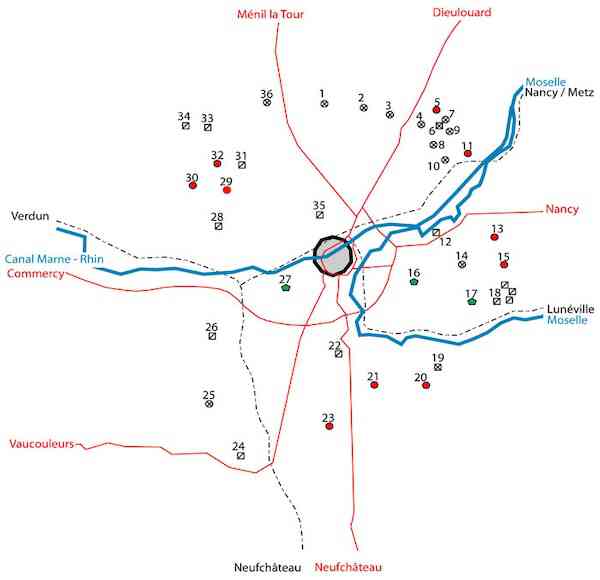
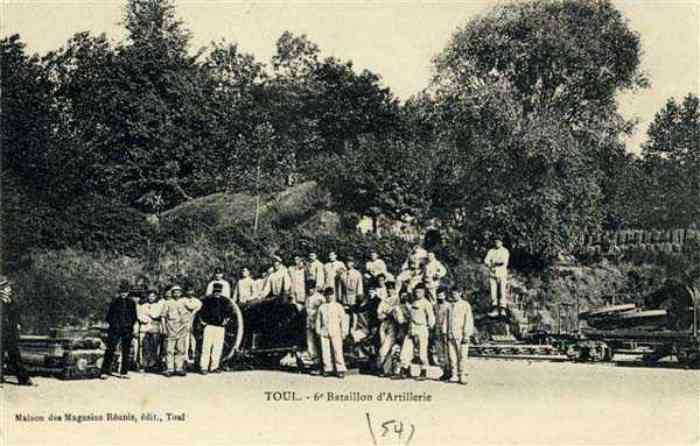
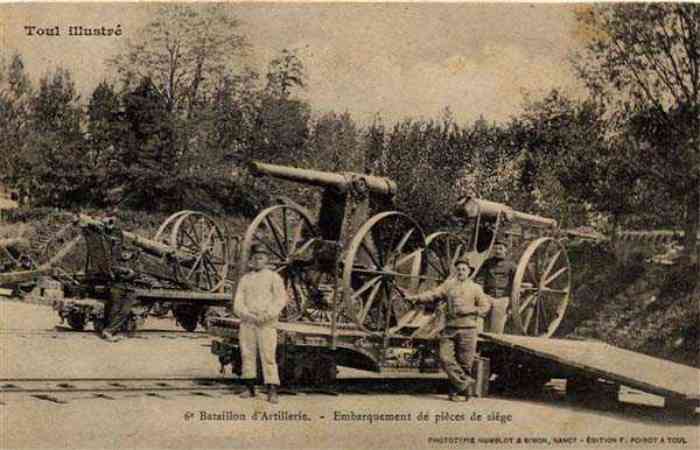


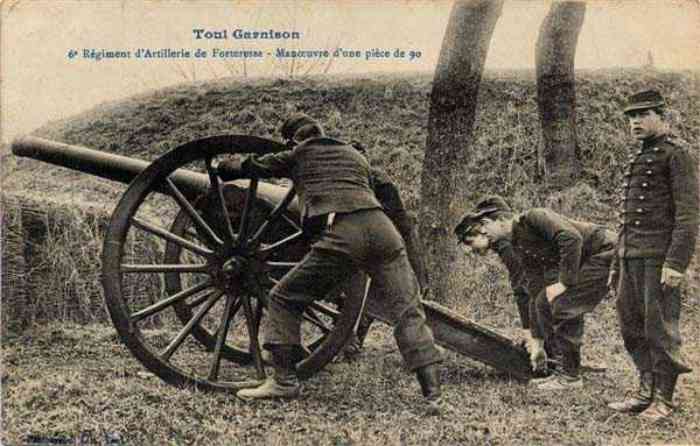


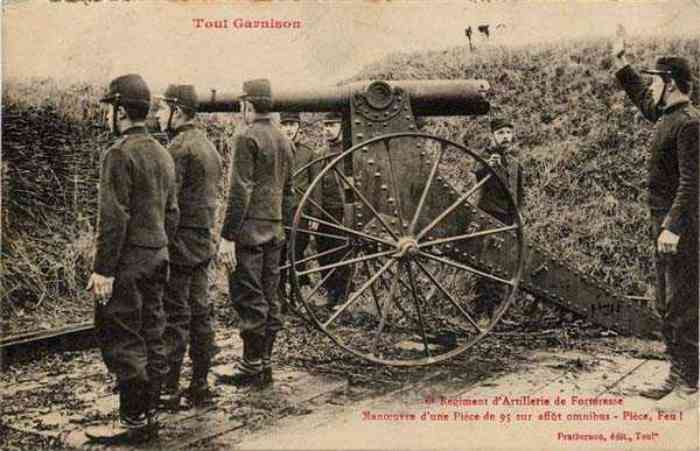


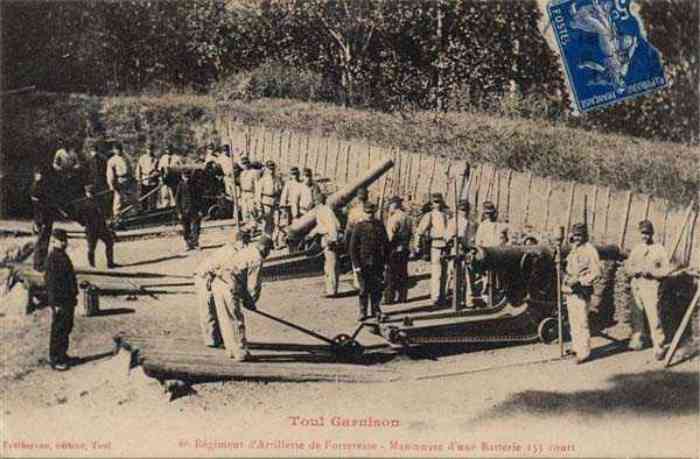
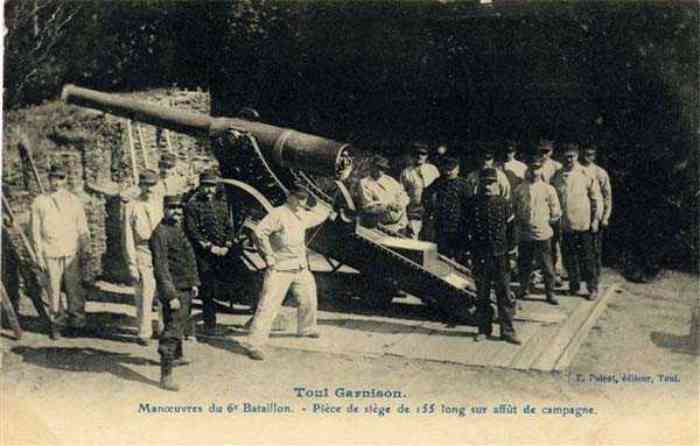
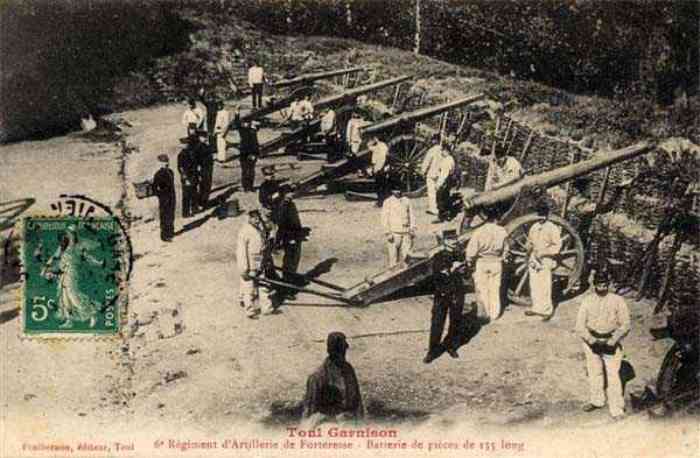


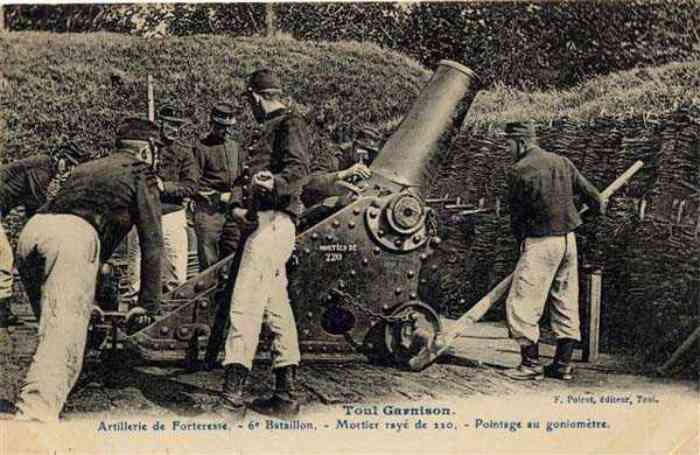
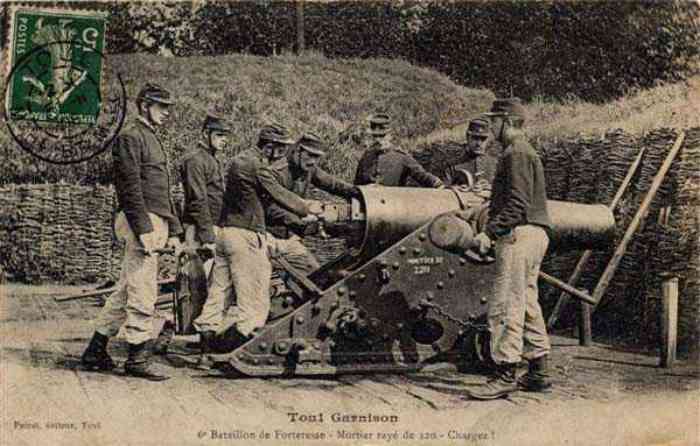
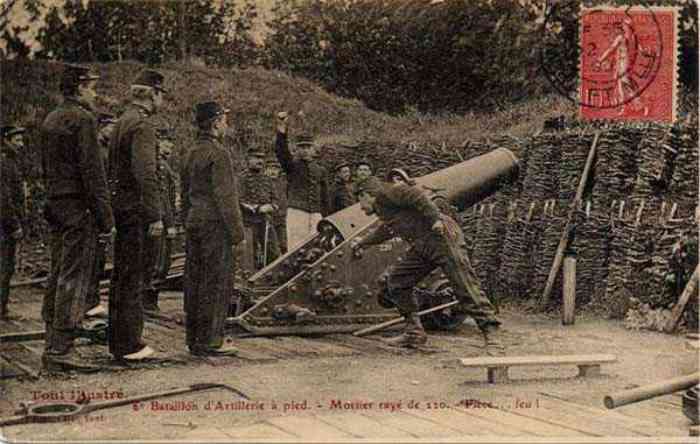
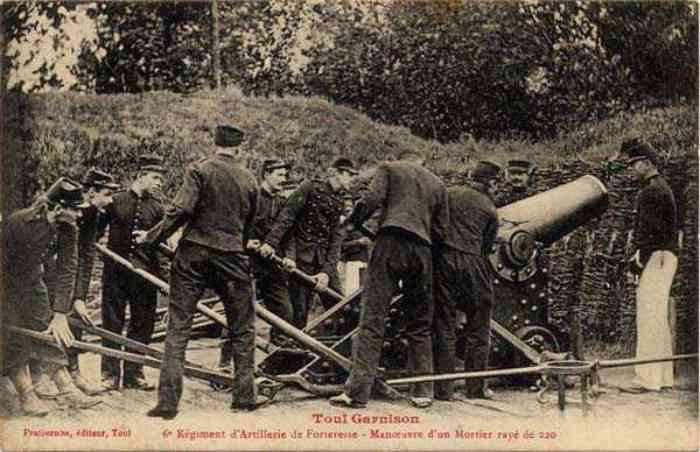
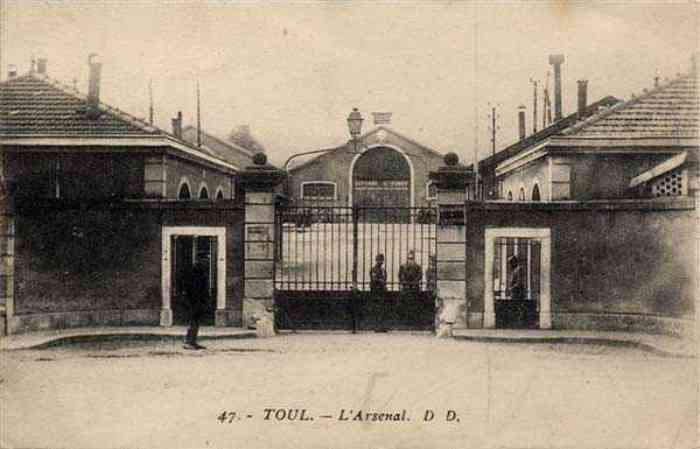
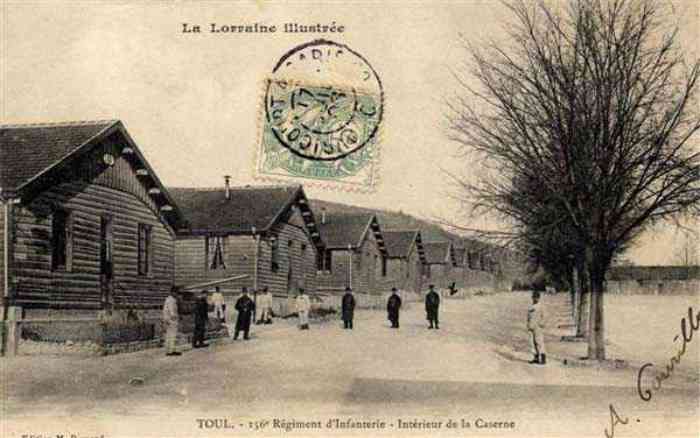
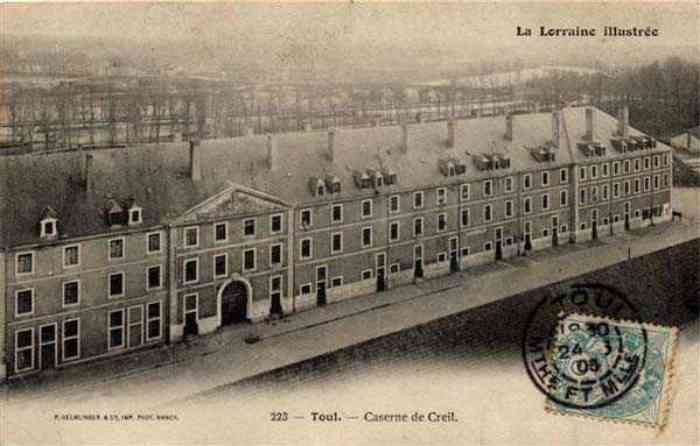
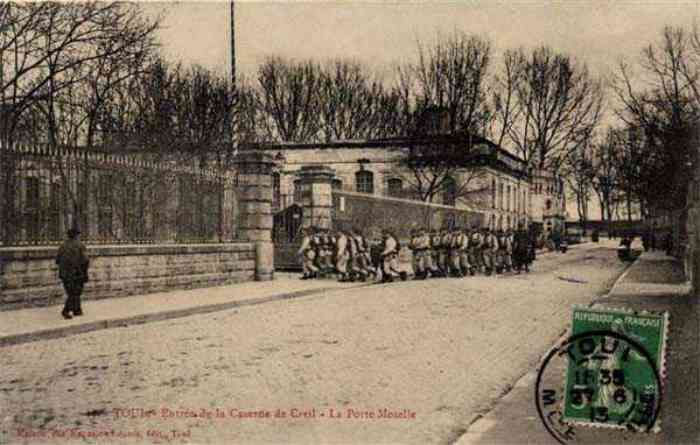

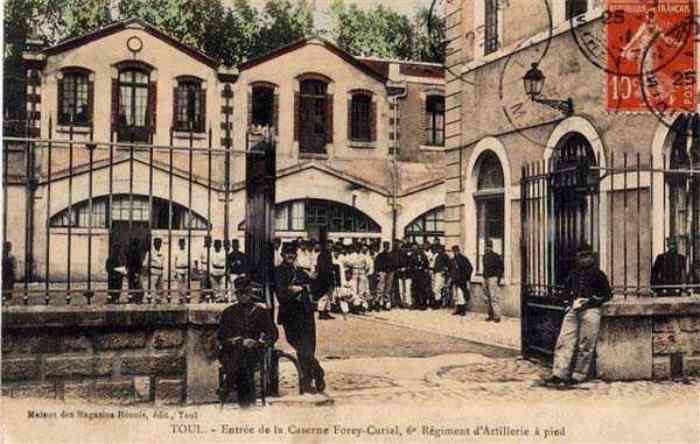

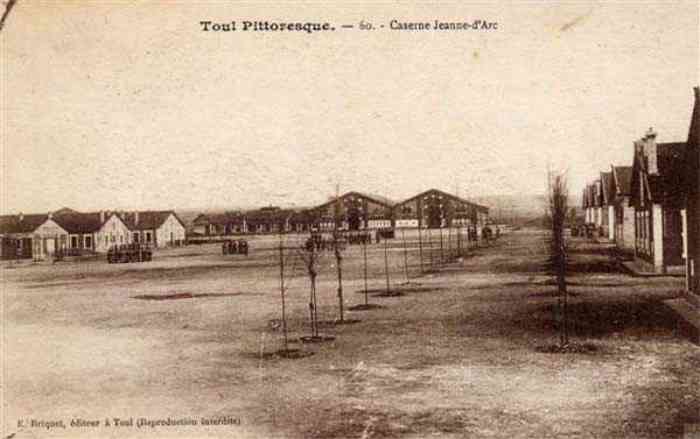

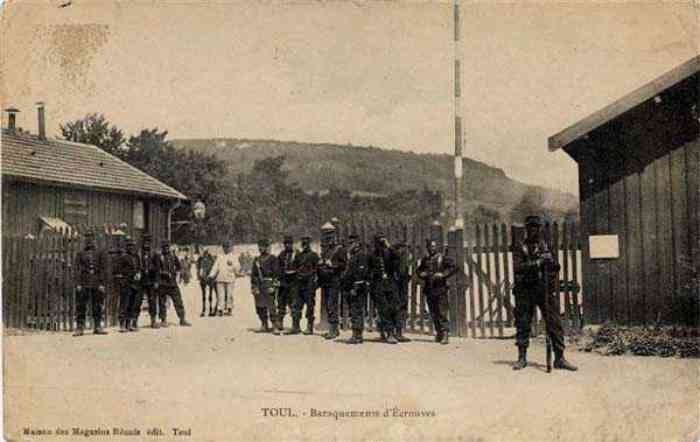
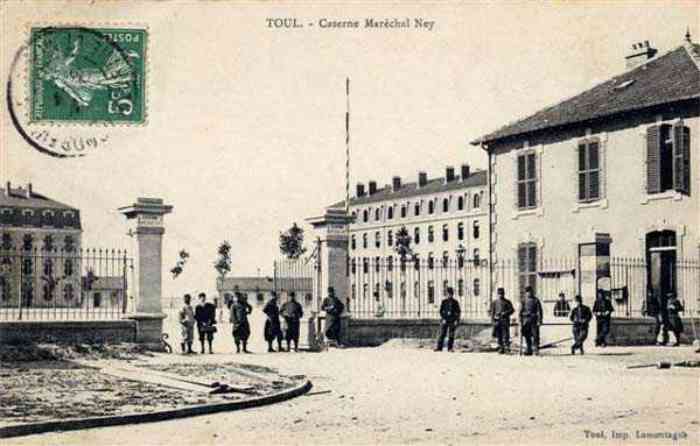
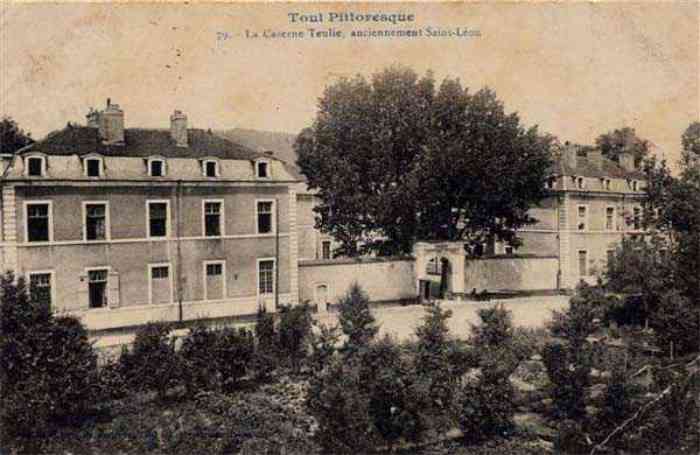
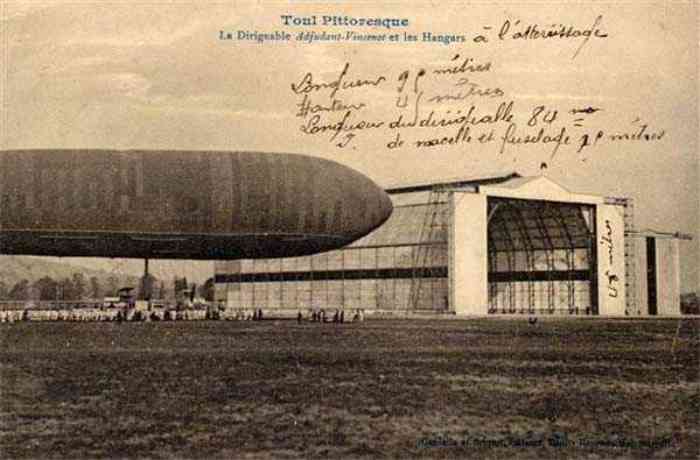

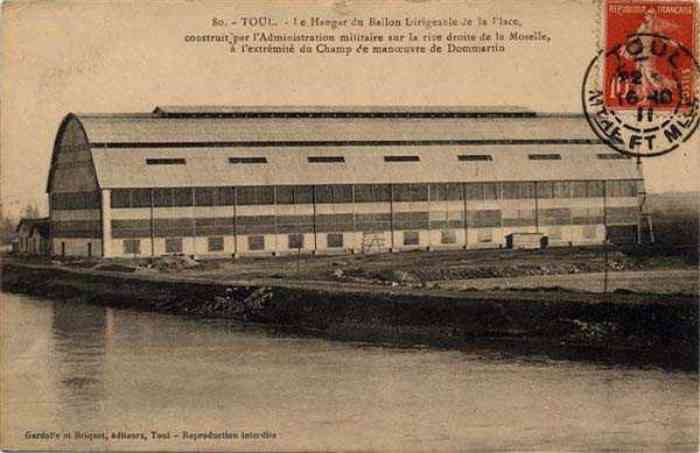
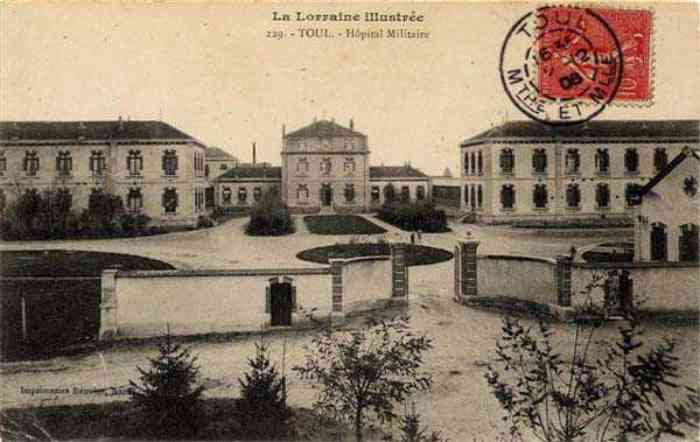

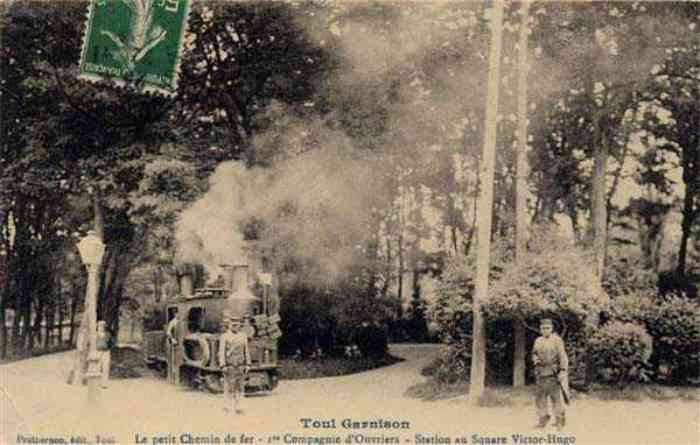
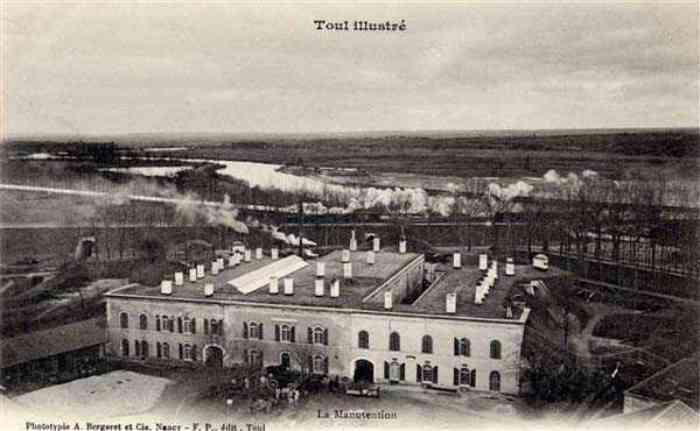

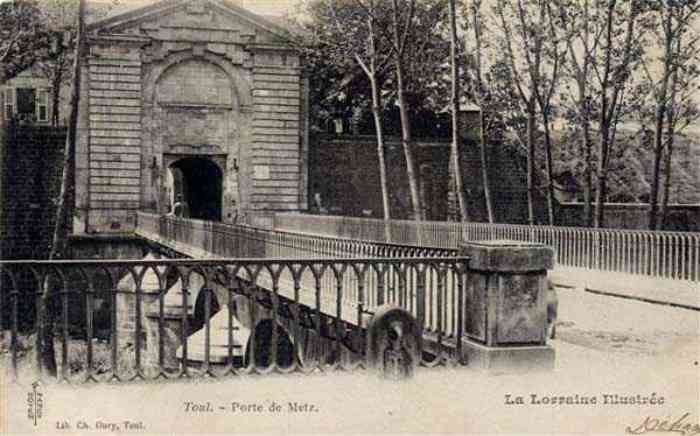
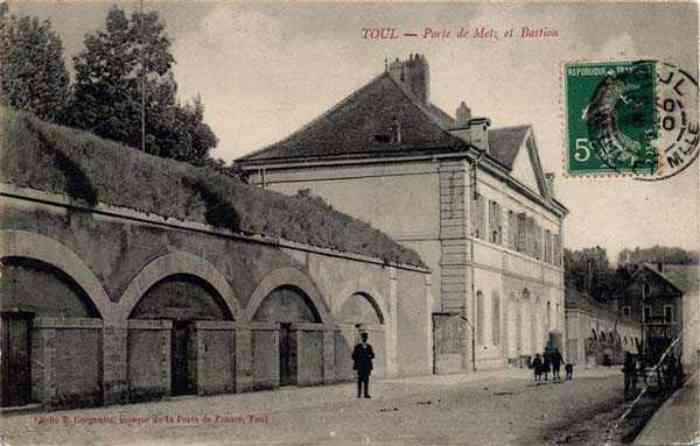
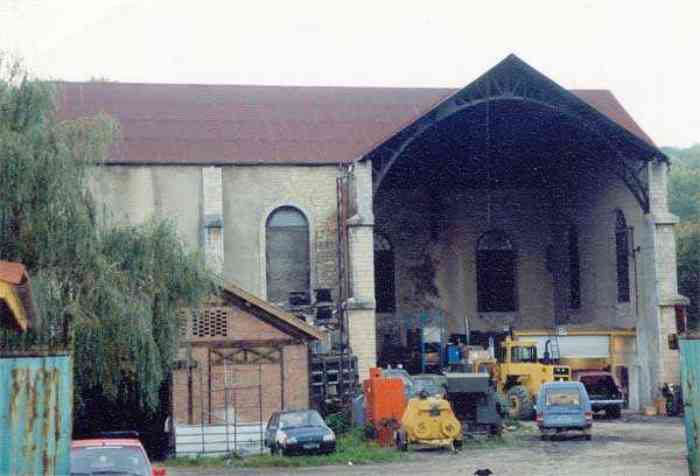
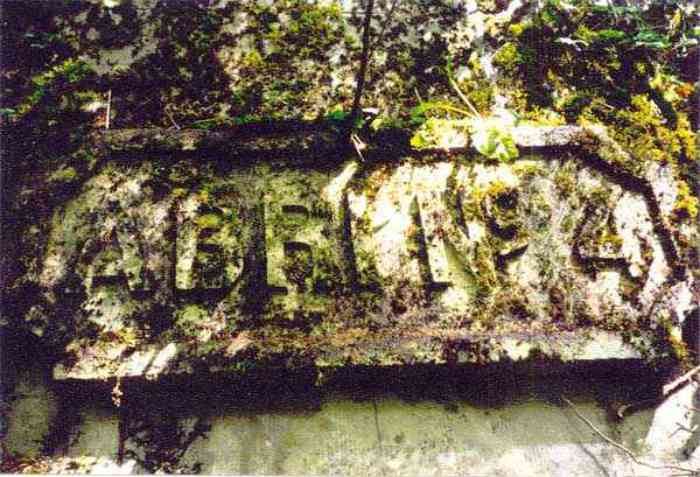
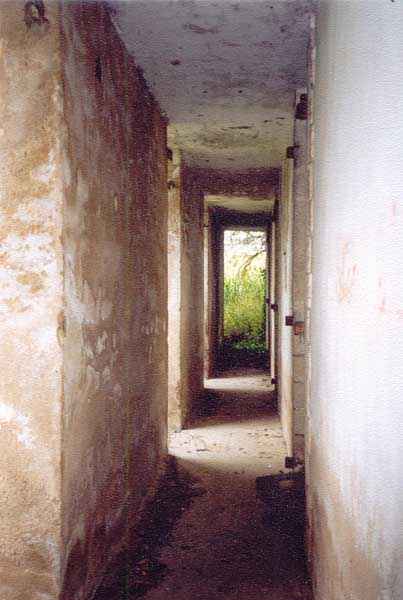

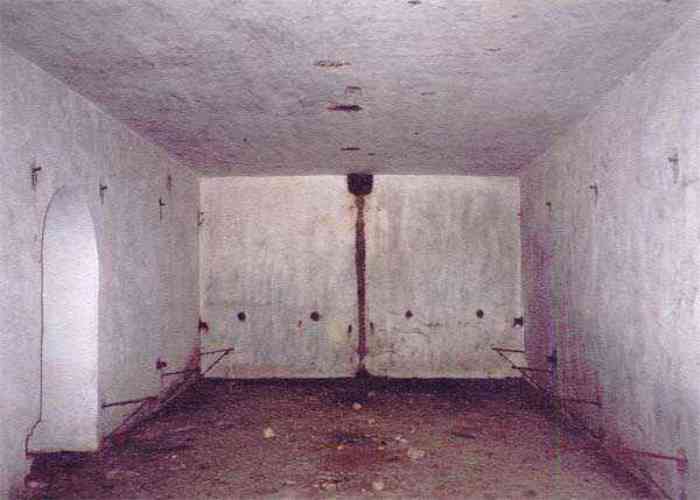

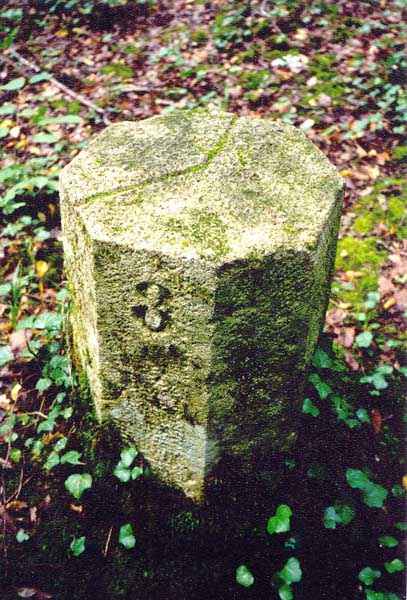

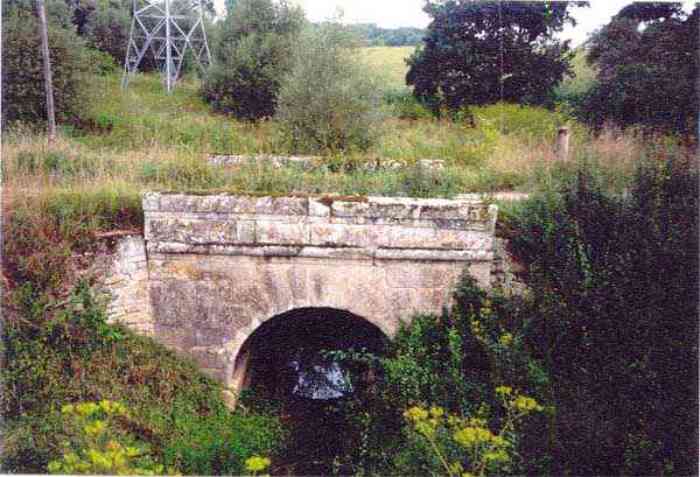
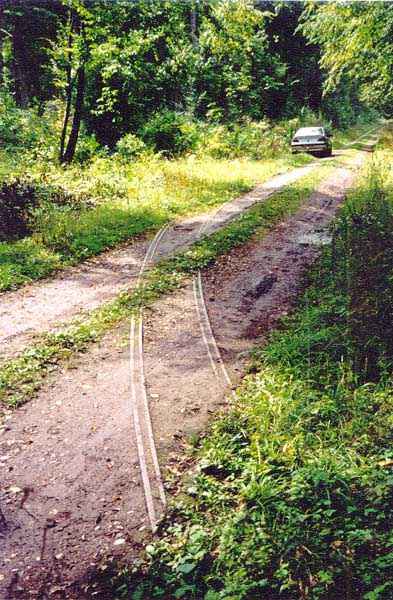
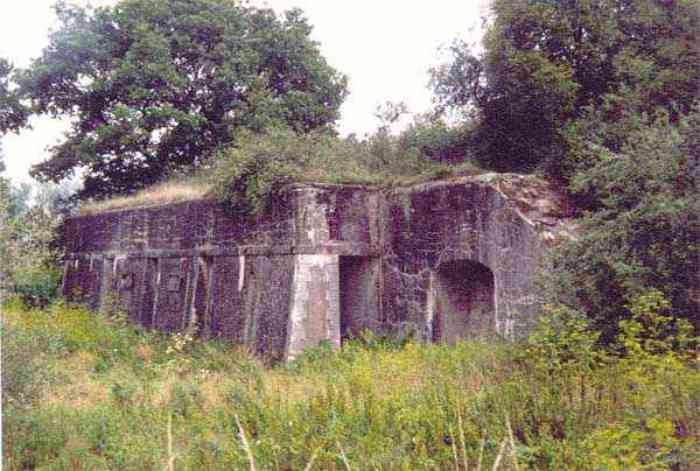
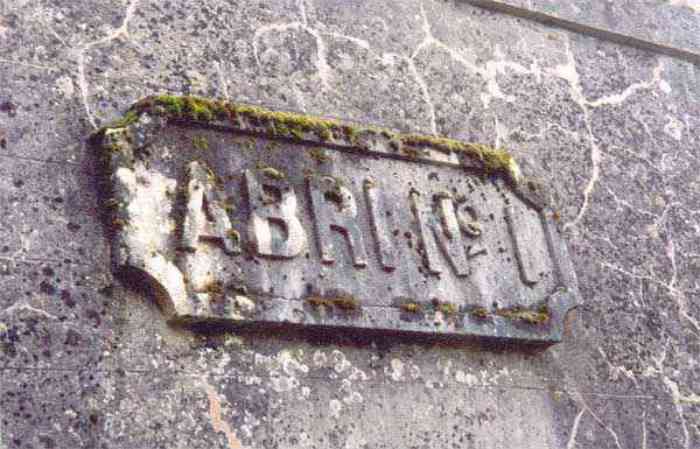

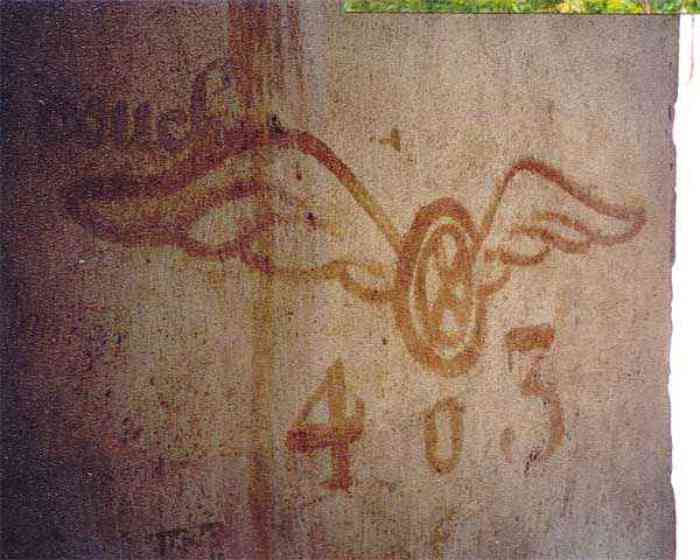
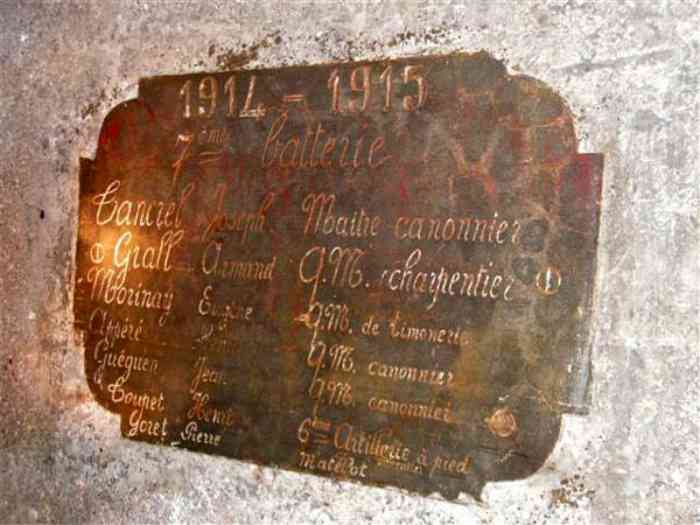
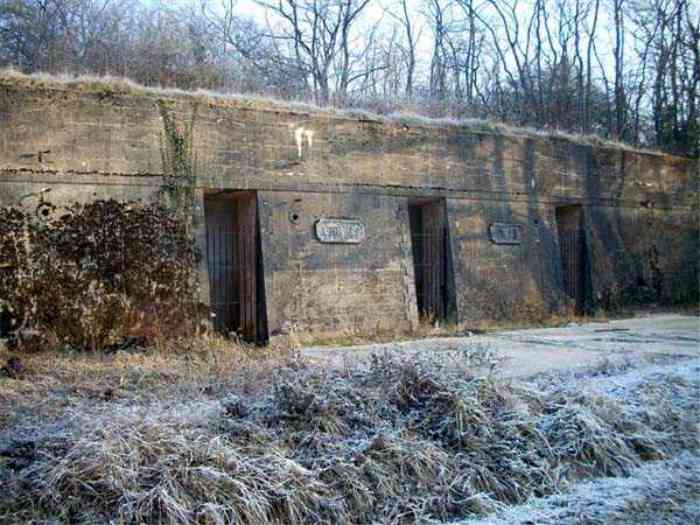

Dépt 54 (Meurthe-et-Moselle). Une des quatre grandes places de l'Est, clôturant au sud le rideau des hauts de Meuse. Barre la trouée du canal de la Meuse au Rhin. 12 forts, 16 ouvrages, 3 redoutes, nombreuses batteries, abris et magasins sous roc. En fait, il y a dans cette place une telle densité de constructions militaires, qu'il y a plus à voir en dehors des forts qu'en dedans, ce notamment en raison du fait qu'on a continué à y couler du béton pendant la première guerre mondiale, au cas où le front céderait. Des données de 1914 donnent pas moins de 402 canons répartis en 82 batteries (+ au moins 34 dans les forts – hors cuirassements et casemates de Bourges -, sans compter ± 140 canons de 12 culasse). Ces batteries, reprises par groupes et suivies d'un numéro, ont souvent plusieurs dénominations au sein desquelles il est très malaisé de s'y retrouver. Importants casernements dans la ville et en dehors (Sébastopol). Relevons qu'en 1944, les troupes US firent dans cette place plusieurs essais d'explosifs dans le but de tester la résistance des bétons avant d'aller se frotter à la ligne Siegfried. C'est ainsi qu'ils firent sauter l'ouvrage de La Cloche et au moins 2 coffres de contrescarpe du fort de Bruley, qu'ils tirèrent sur l'abri de la Cutine,… mais en revanche, les dégâts au coffre de gorge du fort du Vieux Canton et de la caserne bétonnée du fort du Tillot, sont réputés allemands. Toul est, après Verdun, la place qui a conservé le plus grand pourcentage de ses cuirassements. Enfin, de par la proximité du front, celui qui arpentera la place sera susceptible de rencontrer certaines constructions datant de la première guerre mondiale. Par exemple, entre octobre 1914 et février 1915, 12 canons de marine de 164,7 mm furent mis en batterie dans le camp retranché, certains en cuves, d’autres sous casemates. Le colonel François cite les emplacements de Laneuveville, Lucey, Vieux-Canton, Villey-Saint-Etienne, Jaillon, Fontenoy, Chaudeney, La Chalatte, Bois-sous-Roche, Blénod, Charmes et Romont. De même plusieurs positions de D.C.A. sont réparties dans le camp retranché : Point-du-Jour, Villey-le-Sec (sud-ouest du réduit), Bruley, Pagney, Blénod et sur le fort de Domgermain. But maintes fois répété de nos escapades, nous n’avons pas réussi à tout y voir. La dissemblance entre ses forts est étonnante et nous y aurons connu de grands moments à Villey-le-Sec, Écrouves et Saint-Michel. Le hasard aura voulu que nous y commencions l’inventaire qui allait conduire à cet index. Bien nous en a pris car tous les forts absolument immaculés que nous avons alors visités ont, depuis, subi de nombreux outrages dont des feux d’immondices ou de pneus ainsi que des tags, des milliers de tags. Heureusement, au sein de ce regrettable gâchis se trouvent des gens qui se battent pour ce patrimoine, l’association "La citadelle" à Villey-le-sec et la mairie de Villey-Saint-Étienne méritent en ce sens un sérieux coup de chapeau.
Dept 54 (Meurthe-et-Moselle). Einer der vier großen Plätze im Osten, der den Vorhang des Maashochlandes nach Süden abschließt. Blockiert die Lücke im Maas-Rhein-Kanal. 12 Forts, 16 Werke, 3 Schanzen, zahlreiche Batterien, Unterstände und Magazine unter Felsgestein. Tatsächlich ist die Dichte militärischer Bauten auf diesem Platz so groß, dass es außerhalb der Forts mehr zu sehen gibt als innerhalb, insbesondere aufgrund der Tatsache, dass hier während des Ersten Weltkriegs weiterhin Beton gegossen wurde, für den Fall, dass die Front nachgab. Daten aus dem Jahr 1914 beziffern nicht weniger als 402 Kanonen, verteilt auf 82 Batterien (+ mindestens 34 in den Forts – die Panzer und Kasematten von Bourges nicht mitgerechnet –, ohne die ± 140 Kanonen mit 12 Verschlüssen). Diese Batterien, die in Gruppen angeordnet und mit einer Nummer versehen sind, haben oft mehrere Namen, sodass die Orientierung sehr schwierig ist. Wichtige Kasernen in der Stadt und außerhalb (Sewastopol). Beachten Sie, dass die US-Truppen 1944 an dieser Stelle mehrere Sprengtests durchführten, um die Widerstandsfähigkeit des Betons zu testen, bevor sie sich an die Siegfried-Linie wagten. So sprengten sie das Werk von La Cloche und mindestens zwei Kontereskarpenkassetten des Forts von Bruley, die sie auf den Schutz der Cutine feuerten, … andererseits wird aber angenommen, dass die Schäden an der Kehlkassette des Forts von Vieux Canton und den Betonbaracken des Forts von Tillot von den Deutschen verursacht wurden. Toul ist nach Verdun der Ort, der die meisten seiner Panzer erhalten hat. Aufgrund der Nähe zur Front stößt man bei einem Spaziergang durch den Ort mit hoher Wahrscheinlichkeit auf Gebäude aus dem Ersten Weltkrieg. So wurden beispielsweise zwischen Oktober 1914 und Februar 1915 zwölf 164,7-mm-Schiffsgeschütze im verschanzten Lager stationiert, einige in Panzern, andere in Kasematten. Oberst François nennt die Standorte von Laneuveville, Lucey, Vieux-Canton, Villey-Saint-Etienne, Jaillon, Fontenoy, Chaudeney, La Chalatte, Bois-sous-Roche, Blénod, Charmes und Romont. Ebenso sind mehrere Flugabwehrstellungen über das gesamte verschanzte Lager verteilt: Point-du-Jour, Villey-le-Sec (südwestlich der Redoute), Bruley, Pagney, Blénod und auf dem Fort von Domgermain. Aber wie wir bei unseren Eskapaden oft wiederholt haben, haben wir es nicht geschafft, dort alles zu sehen. Die Verschiedenheit der Festungen ist erstaunlich, und wir erlebten einige großartige Momente in Villey-le-Sec, Écrouves und Saint-Michel. Wie es der Zufall wollte, begannen wir dort mit der Bestandsaufnahme, die zu diesem Index führen sollte. Das war gut so, denn alle makellosen Festungen, die wir damals besuchten, wurden seitdem mehrfach beschädigt, darunter Müll- oder Reifenbrände sowie Tausende von Etiketten. Glücklicherweise gibt es inmitten dieses bedauerlichen Chaos Menschen, die sich für dieses Erbe einsetzen. Der Verein „La Citadelle“ in Villey-le-Sec und das Rathaus von Villey-Saint-Étienne verdienen in dieser Hinsicht unsere größte Anerkennung.
Dept 54 (Meurthe-et-Moselle). Een van de vier grote pleinen in het oosten, die het hoogland van de Maas in het zuiden afsluit. Blokkeert de opening in het Maas-Rijnkanaal. 12 forten, 16 werken, 3 redoutes, talloze batterijen, schuilplaatsen en magazijnen onder de rotsen. De militaire constructies op dit plein zijn zo dicht bevolkt dat er buiten de forten meer te zien is dan binnen, vooral omdat er tijdens de Eerste Wereldoorlog beton werd gestort voor het geval het front het zou begeven. Gegevens uit 1914 vermelden maar liefst 402 kanonnen verdeeld over 82 batterijen (+ minstens 34 in de forten – exclusief de pantser- en kazematten van Bourges – plus ± 140 kanonnen met 12 grendels). Deze batterijen, gegroepeerd en gevolgd door een nummer, hebben vaak meerdere namen, waardoor het erg moeilijk is om de weg te vinden. Belangrijke kazernes in de stad en daarbuiten (Sebastopol). Merk op dat de Amerikaanse troepen in 1944 op deze plek verschillende explosieve tests uitvoerden om de weerstand van het beton te testen voordat ze de Siegfriedlinie naderden. Zo bliezen ze het werk van La Cloche op en minstens twee contrescarp-kisten van het fort Bruley, die ze beschoten op de schuilkelder van de Cutine,… maar aan de andere kant, de schade aan de contrechcase van het fort Vieux Canton en de betonnen kazerne van het fort Tillot, staan bekend als Duits. Toul is, na Verdun, de plaats die het grootste percentage van zijn pantser heeft bewaard. Door de nabijheid van het front zal iedereen die door de plaats loopt, waarschijnlijk gebouwen uit de Eerste Wereldoorlog tegenkomen. Zo werden er tussen oktober 1914 en februari 1915 twaalf 164,7 mm scheepskanonnen in batterijvorm in het loopgravenkamp geplaatst, sommige in tanks, andere in kazematten. Kolonel François noemt de locaties van Laneuveville, Lucey, Vieux-Canton, Villey-Saint-Etienne, Jaillon, Fontenoy, Chaudeney, La Chalatte, Bois-sous-Roche, Blénod, Charmes en Romont. Ook zijn er verschillende luchtafweerstellingen verspreid over het versterkte kamp: Point-du-Jour, Villey-le-Sec (ten zuidwesten van de redoute), Bruley, Pagney, Blénod en op het fort van Domgermain. Maar zoals we tijdens onze escapades vaak hebben herhaald, zijn we er niet in geslaagd alles te zien. De verschillen tussen de forten zijn verbluffend en we hebben er fantastische momenten beleefd in Villey-le-Sec, Écrouves en Saint-Michel. Toevallig zijn we daar begonnen met de inventarisatie die tot deze index zou leiden. Dat was maar goed ook, want alle absoluut smetteloze forten die we toen bezochten, hebben sindsdien te lijden gehad van talloze beledigingen, waaronder afval of brandende banden, en zelfs duizenden brandmerken. Gelukkig zijn er in deze betreurenswaardige puinhoop mensen die zich inzetten voor dit erfgoed: de vereniging "La Citadelle" in Villey-le-Sec en het stadhuis van Villey-Saint-Étienne verdienen in dit opzicht een welverdiende pluim.
Dept 54 (Meurthe-et-Moselle). One of the four large squares of the East, closing the curtain of the highlands of the Meuse to the south. Blocks the gap in the Meuse-Rhine canal. 12 forts, 16 works, 3 redoubts, numerous batteries, shelters and magazines under rock. In fact, there is such a density of military constructions in this square that there is more to see outside the forts than inside, particularly due to the fact that concrete continued to be poured there during the First World War, in case the front gave way. Data from 1914 give no fewer than 402 cannons distributed in 82 batteries (+ at least 34 in the forts – excluding the armor and casemates of Bourges – not counting ± 140 12-breech cannons). These batteries, taken in groups and followed by a number, often have several names within which it is very difficult to find one's way. Important barracks in the city and outside (Sevastopol). Note that in 1944, the US troops carried out several explosive tests in this place in order to test the resistance of the concrete before going to rub shoulders with the Siegfried Line. This is how they blew up the work of La Cloche and at least two counterscarp coffers of the fort of Bruley, which they fired on the shelter of the Cutine,… but on the other hand, the damage to the throat coffer of the fort of Vieux Canton and the concrete barracks of the fort of Tillot, are reputed to be German. Toul is, after Verdun, the place that has preserved the greatest percentage of its armor. Finally, due to its proximity to the front, anyone walking through the place will likely come across some buildings dating from the First World War. For example, between October 1914 and February 1915, 12 164.7 mm naval guns were placed in battery in the entrenched camp, some in tanks, others in casemates. Colonel François cites the locations of Laneuveville, Lucey, Vieux-Canton, Villey-Saint-Etienne, Jaillon, Fontenoy, Chaudeney, La Chalatte, Bois-sous-Roche, Blénod, Charmes and Romont. Likewise, several anti-aircraft positions are distributed throughout the entrenched camp: Point-du-Jour, Villey-le-Sec (southwest of the redoubt), Bruley, Pagney, Blénod and on the fort of Domgermain. But, as we have often repeated during our escapades, we have not managed to see everything there. The dissimilarity between its forts is astonishing and we had some great moments there in Villey-le-Sec, Écrouves and Saint-Michel. As chance would have it, we started the inventory there that would lead to this index. It was a good thing we did because all the absolutely immaculate forts that we visited then have since suffered numerous insults including rubbish or tire fires as well as tags, thousands of tags. Fortunately, within this regrettable mess there are people who fight for this heritage, the association "La Citadelle" in Villey-le-sec and the town hall of Villey-Saint-Étienne deserve a serious tip of the hat in this regard.
Dept 54 (Meurthe-et-Moselle). Jedno ze čtyř velkých náměstí na východě, uzavírající oponu vysočiny řeky Meuse na jihu. Uzavírá průliv v kanálu Meuse-Rýn. 12 pevností, 16 opevnění, 3 reduty, četné baterie, kryty a sklady pod skalami. Na tomto náměstí je ve skutečnosti taková hustota vojenských staveb, že je vně pevností k vidění více než uvnitř, zejména proto, že beton se zde lil i během první světové války pro případ, že by se fronta pohnula. Data z roku 1914 uvádějí nejméně 402 děl rozmístěných v 82 bateriích (+ nejméně 34 v pevnostech – bez obrněných jednotek a kasemat Bourges – nepočítaje ± 140 12hlavňových děl). Tyto baterie, vedené ve skupinách a následované číslem, mají často několik názvů, v nichž je velmi obtížné se v nich orientovat. Důležitá kasárna ve městě i mimo něj (Sevastopol). V roce 1944 provedly americké jednotky na tomto místě několik výbušných testů, aby otestovaly odolnost betonu, než se dostaly do kontaktu se Západním valu. Takto vyhodili do povětří stavbu La Cloche a nejméně dvě protiskluzové pokladny pevnosti Bruley, které vystřelili na kryt Cutine,… na druhou stranu, poškození horní pokladny pevnosti Vieux Canton a betonových kasáren pevnosti Tillot je údajně německé. Toul je po Verdunu místem, které si zachovalo největší procento svého obrněného vybavení. A konečně, vzhledem k blízkosti fronty pravděpodobně každý, kdo se tímto místem prochází, narazí na budovy z první světové války. Například mezi říjnem 1914 a únorem 1915 bylo v zakopaném táboře umístěno 12 námořních děl ráže 164,7 mm, některá v tancích, jiná v kasematech. Plukovník François uvádí lokality Laneuveville, Lucey, Vieux-Canton, Villey-Saint-Etienne, Jaillon, Fontenoy, Chaudeney, La Chalatte, Bois-sous-Roche, Blénod, Charmes a Romont. Stejně tak je v zakořeněném táboře rozmístěno několik protiletadlových pozic: Point-du-Jour, Villey-le-Sec (jihozápadně od reduty), Bruley, Pagney, Blénod a na pevnosti Domgermain. Ale, jak jsme si během našich eskapád mnohokrát zopakovali, nepodařilo se nám tam vidět všechno. Rozdíl mezi pevnostmi je ohromující a zažili jsme tam několik skvělých chvil ve Villey-le-Sec, Écrouves a Saint-Michel. Jak na potvoru, zahájili jsme tam inventuru, která vedla k tomuto rejstříku. Bylo to dobře, protože všechny naprosto bezvadné pevnosti, které jsme tehdy navštívili, od té doby utrpěly četné škody, včetně odpadků nebo požárů pneumatik, a také tisíců cedulek. Naštěstí v tomto politováníhodném chaosu existují lidé, kteří za toto dědictví bojují, sdružení „La Citadelle“ ve Villey-le-sec a radnice ve Villey-Saint-Étienne si v tomto ohledu zaslouží vážné uznání.
Cité dans : Zitiert in : Geciteerd in: Cited in: Citováno v: Meuse (rideau des hauts de), Chaudeney (redoute de), Mont Chauve de Tourette (fort du), Justice (poudrière de la), Desaix (fort), Pagny La Blanche Côte (fort de), Charmes (trouée de), Domgermain (fort de), Longwy (place de)
